
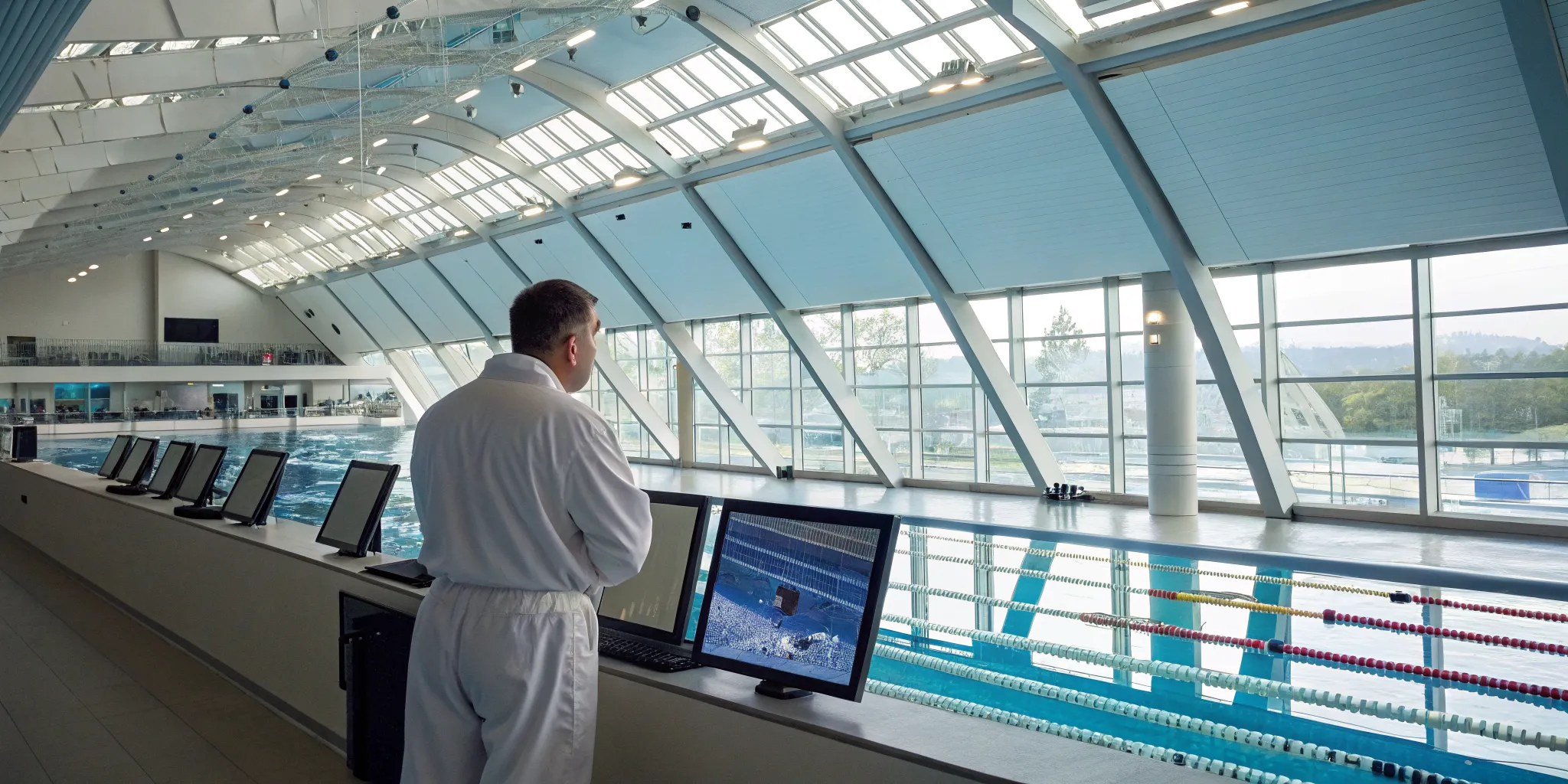
When you think about aquatic safety, you likely focus on lifeguard response times and emergency action plans. But what if you could make your entire operation safer before an incident even occurs? Beyond real-time alerts, drowning detection technology for lifeguards gathers valuable data that can strengthen your facility’s safety protocols. The system records event information, tracks response times, and helps you identify patterns or high-risk zones within your aquatic environment. By analyzing this data, you can make informed decisions about lifeguard positioning and operational adjustments. This transforms the technology from a simple alarm into a powerful tool for continuous improvement in aquatic safety.
Key Takeaways
- Support Your Lifeguards, Don't Replace Them: Drowning detection technology acts as a reliable partner for your team, providing an extra set of eyes to help reduce fatigue and cognitive load. This allows your staff to focus on active scanning and response with an added layer of security.
- Enable Faster, More Accurate Responses: These systems use tools like wearable trackers or AI cameras to constantly monitor every swimmer. When a potential issue is detected, the system sends immediate, specific alerts to your staff's devices, pinpointing the swimmer's location to enable a faster and more effective rescue.
- Go Beyond Alerts with Actionable Data: Implementing a system is a strategic process that includes assessing your facility's needs and training your team. Beyond real-time alerts, the technology provides valuable data that helps you analyze incidents, identify high-risk zones, and continuously improve your safety protocols.
What Is Drowning Detection Technology?
Drowning detection technology is a system of hardware and software designed to help lifeguards monitor swimmers and identify potential drowning incidents. It adds a powerful layer of protection to your aquatic facility by providing constant, vigilant surveillance. These systems use tools like cameras and wearable devices to track activity in the water, alerting your staff the moment a swimmer might be in distress. It’s about giving your team the best tools available to ensure everyone has a safe and enjoyable time at your facility.
Lifeguarding vs. Tech-Assisted Lifeguarding
Think of drowning detection technology as your lifeguards' most reliable partner. Traditional lifeguarding relies solely on the human eye, which can be challenging in crowded, active, or large bodies of water. Tech-assisted lifeguarding, sometimes called Assisted Lifeguard Technology (ALT), enhances a lifeguard's natural abilities. The technology acts as an additional set of eyes, using sensors or cameras to monitor every swimmer. When the system detects signs of distress, it sends an immediate alert to your staff, allowing them to respond faster and more effectively. This approach combines the irreplaceable judgment of a trained lifeguard with the unwavering focus of technology.
A Support Tool, Not a Replacement
It’s important to be clear: drowning detection technology is designed to support your lifeguards, not replace them. The presence of skilled, attentive lifeguards is absolutely essential for aquatic safety. The Royal Life Saving Society UK emphasizes that ALT is meant to complement human supervision. The goal is to reduce the chance of human error and lessen the cognitive load on your staff. The WAVE GUARDian system is built on this philosophy, providing your team with precise alerts that help them pinpoint and react to emergencies. This lets your lifeguards focus on what they do best: actively scanning the water and keeping swimmers safe.
How Does Drowning Detection Technology Work?
Drowning detection systems act as a high-tech partner for your lifeguard team. While the specific methods vary, the core idea is the same: using technology to monitor every swimmer and instantly flag potential emergencies. Think of it as an extra set of eyes that never gets tired, distracted, or has its view blocked by sun glare. These systems use a combination of sensors, intelligent software, and alert devices to create a comprehensive safety net. They track swimmer activity, analyze it for signs of distress, and deliver precise information directly to the lifeguards on duty, helping them respond faster when seconds matter most. Let’s break down the main components you’ll find in these systems.
AI-Powered Underwater Cameras
Some systems rely on strategically placed underwater cameras to monitor activity. These cameras feed a live video stream to a central computer running artificial intelligence (AI) software. The AI is trained to recognize the movements associated with a swimmer in distress, distinguishing them from regular swimming or playing. This approach can be helpful for covering areas that are difficult for lifeguards to see clearly from their stands. The software analyzes the visual data in real time, looking for patterns that suggest a person might be in trouble, and then triggers an alert if a dangerous situation is detected.
Wearable Swimmer Alerts
Another approach, and the one we specialize in at WAVE, uses lightweight wearable devices. Swimmers wear a small, comfortable tracker, often as a headset or clip on their goggles. These trackers continuously monitor if a swimmer is submerged. If a swimmer stays underwater beyond a pre-set, safe time limit, the device sends an immediate signal to the central system. A major advantage of this method is its reliability in all types of water. Unlike cameras, wearable technology isn't affected by murky water, sun glare, or high swimmer density, ensuring consistent protection in pools, lakes, and water parks alike.
Real-Time Lifeguard Notifications
Detecting a problem is only half the battle; a swift response is critical. Once a system identifies a potential drowning event, it sends an instant alert to the lifeguards. This isn't just a loud, general alarm. Modern systems deliver precise notifications to pagers, smartwatches, or other lifeguard equipment. These alerts often include the exact location of the swimmer in distress, eliminating guesswork and saving precious seconds. This allows your team to bypass the search process and go straight into a rescue, making their response more efficient and effective.
Safety Data and Analytics
Beyond real-time alerts, drowning detection systems gather valuable data that can strengthen your facility’s safety protocols. The system records event information, tracks response times, and can help you identify patterns or high-risk zones within your aquatic environment. By analyzing this data, facility managers can make informed decisions about lifeguard positioning, rule enforcement, and operational adjustments. Reputable systems also prioritize privacy, ensuring all data is stored securely. This analytical component transforms the technology from a simple alarm into a powerful tool for continuous improvement in aquatic safety.
Key Features to Look for in a Drowning Detection System
Choosing the right drowning detection system is a big decision, and it’s important to know what separates a good system from a great one. When you’re comparing options, you’re not just looking at technology; you’re looking for a reliable partner in aquatic safety. The best systems offer a combination of speed, comprehensive coverage, and thoughtful design. Let’s walk through the essential features that should be on your checklist.
Accuracy and Speed
In a potential drowning situation, every second is critical. A system’s primary job is to detect a swimmer in distress and alert your team instantly. Look for technology that provides rapid and precise alerts. The most effective systems can identify a potential incident and send notifications to lifeguards’ equipment, like smartwatches or dedicated alert devices, in under 15 seconds. This immediate feedback loop is what allows your staff to respond swiftly and effectively, turning a moment of crisis into a successful intervention. The goal is to shorten the time between detection and response as much as possible.
Complete Coverage and Scalability
Your safety system needs to cover every inch of your facility, from the shallow end to the deepest point. A key feature to look for is whether the system can be scaled to fit your specific needs. Whether you manage a single community pool or a sprawling water park, the technology should be adaptable. For example, a single WAVE GUARDian Hub can monitor hundreds of swimmers across a large area. This scalability ensures that you can maintain complete coverage as your facility grows or as you reconfigure your aquatic spaces, providing consistent protection for every guest.
Performance in Dark or Murky Water
Clear water is ideal, but it’s not always the reality. Sun glare, high bather loads, and even the design of the pool can create challenging visibility conditions for lifeguards. This is where the right technology makes a significant difference. A top-tier drowning detection system should function as a powerful set of eyes, especially when it’s hard to see the bottom of the pool. By providing an extra layer of monitoring, the system supports your lifeguards, giving them the confidence that they have backup in even the most difficult visual environments.
Privacy and Data Compliance
Introducing any new technology, especially one that uses monitoring, brings up valid questions about privacy. A reputable drowning detection system is designed with privacy as a core principle. The technology should be smart enough to distinguish between normal swimming and a dangerous situation without infringing on the privacy of your guests. Ensure any system you consider stores data securely and complies with all relevant privacy regulations. This demonstrates a commitment not only to safety but also to the trust and comfort of every person who visits your facility.
Seamless Equipment Integration
The last thing you need is a new system that creates more problems than it solves. The best drowning detection technology is designed to integrate smoothly with your facility’s existing infrastructure and your team’s workflow. The provider should offer support with designing, setting up, and testing the system to ensure it works perfectly for your unique environment. From wearable Swimmer Alert trackers to the devices your lifeguards use, every component should work together seamlessly. This makes the adoption process smoother and ensures your team can use the new tools effectively from day one.
A Closer Look at the WAVE GUARDian System
Let's look at how this technology works in a real-world application. The WAVE GUARDian System is a great example of a comprehensive drowning detection solution that supports lifeguards and adds a crucial layer of protection for swimmers. It combines wearable technology with a central monitoring hub and specific alert equipment to create a safety net for your entire facility. It’s designed to be a lifeguard’s best partner, providing constant, reliable oversight that helps your team perform at their best.
How the GUARDian Hub (w3000) Works
The heart of the system is the GUARDian Hub (w3000). Think of it as the central command center for your pool's safety network. This single hub is powerful enough to monitor up to 300 swimmers at once across a long range, making it suitable for large and busy aquatic environments. It works by receiving signals from lightweight wearables worn by swimmers. If a swimmer remains submerged past a preset time, the hub instantly triggers an alarm. This immediate notification is critical because drownings often happen quickly and silently, and every second counts. The system provides the extra set of eyes needed to catch what a person might miss.
Lifeguard and Swimmer Alert Equipment
The WAVE system includes specialized equipment for both swimmers and staff. Each swimmer wears a lightweight, comfortable Swimmer Alert tracker that communicates with the Hub. For your team, the Lifeguard Alert equipment ensures that alerts are impossible to ignore. Beyond just notifying staff of a swimmer in distress, the system can also alert everyone when a lifeguard enters the water for a rescue. This is a significant step up from whistles, which can get lost in the noise and chaos of a busy pool. It helps cut through common distractions like sun glare, noise, and blind spots, allowing your team to respond with speed and certainty.
Why Adopt Drowning Detection Technology?
Deciding to bring new technology into your facility is a big step, and it’s one that should be rooted in a clear purpose. For aquatic centers, that purpose is always centered on safety. The standard of care in the aquatics industry is constantly evolving, and facility managers carry the significant responsibility of creating the safest possible environment for every guest. While highly trained lifeguards are the foundation of any water safety plan, modern technology offers a way to add a critical layer of protection that supports their efforts and addresses inherent human limitations. Drowning detection technology isn’t about replacing your skilled staff; it’s about giving them a powerful tool to enhance their abilities and create a more comprehensive safety net.
Think of it as an extra, unblinking set of eyes on the water, one that helps your team respond faster, reduces the strain of constant scanning, and provides valuable data to make your entire operation safer. It works in tandem with your staff to fill in the gaps that are unavoidable in any human-monitored environment, from visual blind spots caused by glare to the natural fatigue that sets in during a long shift. Adopting a system like this is a proactive move that demonstrates a deep commitment to safety, giving swimmers and their families greater peace of mind. The WAVE GUARDian system is designed to be that reliable partner, seamlessly integrating with your team to uphold the highest standards of aquatic safety.
Enable Faster Responses
In a potential drowning situation, every single second matters. A person can submerge in an instant, and the window for a successful rescue is incredibly small. While a lifeguard’s response is swift, drowning detection technology can make it even faster by issuing an alert almost immediately. Advanced systems can identify a swimmer in distress and send an alarm to lifeguards in as little as 10 seconds.
These aren’t just quiet notifications. The alerts are sent directly to devices your team is already using, like smartwatches, and can trigger flashing lights and audible alarms around the pool deck. This multi-faceted approach ensures the message is received instantly, cutting through the noise and chaos of a busy facility. This immediate, clear signal from the Lifeguard Alert equipment allows your team to pinpoint the exact location of the swimmer and initiate a rescue faster than humanly possible otherwise.
Reduce Lifeguard Fatigue
Being a lifeguard is an incredibly demanding job that requires unwavering focus. But even the most dedicated and well-trained professionals are human. They face constant challenges that can lead to fatigue and distraction, including sun glare on the water, loud noises, high heat, and physical blind spots in the pool. Over a long shift, these factors can make it difficult to maintain perfect vigilance.
This is where drowning detection technology provides crucial support. It acts as a tireless partner for your lifeguards, monitoring every swimmer in real-time without ever getting tired or distracted. The system continuously scans the water, taking some of the cognitive load off your staff. This allows lifeguards to focus more on proactive scanning and swimmer management, knowing they have a reliable backup watching over every corner of the pool. It helps prevent burnout and keeps your team sharp and effective.
Ensure Constant Monitoring
A busy pool can be a chaotic environment, making it challenging for lifeguards to track every single person at all times. Drowning detection systems provide a solution by offering uninterrupted, comprehensive surveillance. The technology is always on, providing a persistent watch over the entire aquatic environment from the moment your facility opens to the moment it closes.
Using a combination of underwater cameras and wearable Swimmer Alert trackers, the system creates a complete safety network. It doesn’t just watch the surface; it monitors what’s happening beneath it, identifying the subtle signs of a swimmer in distress that might be missed by the naked eye. This constant monitoring ensures that no swimmer is overlooked, even in crowded conditions or in pools with irregular shapes and features. It provides a level of coverage that complements and extends the reach of your lifeguard team.
Strengthen Safety Protocols with Data
Beyond immediate alerts, drowning detection technology offers a powerful tool for long-term safety improvement: data. The system doesn’t just see what’s happening; it records and analyzes it. This information provides facility managers with objective insights into what occurs in their pool, helping to distinguish between normal activity and potentially dangerous situations.
This recorded data is invaluable for incident reviews, allowing you to reconstruct events to understand exactly what happened and how your team responded. It also helps you identify patterns, such as high-risk areas in your pool or times of day when incidents are more likely to occur. You can use these insights to refine your safety protocols, improve lifeguard positioning, and enhance staff training. It transforms your safety approach from reactive to proactive, using concrete evidence to build a safer environment for everyone. You can read testimonials from other facilities to see how they've used this data.
Drowning Detection Tech: Myth vs. Reality
New technology can feel like a game-changer, but it often comes with a lot of questions and a few misconceptions. When it comes to something as important as water safety, it’s crucial to separate the myths from the reality. Let's clear up some of the most common misunderstandings about drowning detection technology so you can see its true potential for your facility. This isn't about replacing what you do; it's about strengthening your ability to keep every swimmer safe. By understanding how these systems truly function, you can make an informed decision about integrating this life-saving tool into your safety protocols.
Myth: It Replaces Lifeguards
This is the biggest myth out there, and it’s simply not true. Think of drowning detection technology as a lifeguard’s most reliable partner, not a replacement. The Royal Life Saving Society UK has been clear that these systems are meant to assist lifeguards, adding another layer of protection. Your team’s training, judgment, and ability to respond are irreplaceable. The technology is a second set of eyes that never gets tired or distracted. High-tech drowning detection systems work alongside your staff, monitoring every swimmer to help your team focus their attention where it's needed most.
Myth: It's a Flawless, One-Size-Fits-All Solution
No safety system, human or technological, is absolutely perfect. The goal of drowning detection technology is to dramatically reduce risk and shorten response times in an emergency. It provides critical alerts that would otherwise be missed. It’s also important to remember that every aquatic facility is unique. The depth of the dive well, the glare on the water’s surface, and the sheer size of your facility all present different challenges. The right system is not a one-size-fits-all box; it’s a scalable and customizable solution designed to meet the specific needs and layout of your pool.
Myth: The Cost Is Too High
It’s true that implementing a drowning detection system is a significant investment. But it’s important to frame it as just that: an investment in safety, not just an expense. The cost of a single tragic incident, both in human terms and in terms of liability and reputation, is immeasurable. When you consider the value of preventing even one drowning, the cost of the technology comes into a different perspective. Many providers offer flexible pricing models and financing options to make this essential technology more accessible for community pools, water parks, and other aquatic centers.
Myth: It's a "Set It and Forget It" System
Drowning detection technology is an active safety tool, not a passive one. You can’t just install it and walk away. To be effective, the system must be fully integrated into your facility’s emergency action plan. This involves proper implementation and training so your team understands how to interpret alerts and respond effectively. The system is designed to empower your lifeguards by giving them real-time information, allowing them to act faster and with more confidence. It’s a collaborative tool that enhances your team’s capabilities and reinforces your commitment to the highest safety standards.
How to Implement a Drowning Detection System
Adding a drowning detection system is a significant step toward enhancing safety at your facility. The process is more straightforward than you might think and involves a few key stages, from initial planning to ongoing support. By following a clear plan, you can smoothly integrate this life-saving technology and give your team the tools they need to protect every swimmer.
Assess Your Facility's Needs
First things first, take a close look at your specific environment. Every pool is different, so a one-size-fits-all approach won’t cut it. Consider your pool’s size, shape, depth, and unique features like slides or diving boards. Think about your bather load during peak and off-peak hours and the clarity of your water. An effective system should be flexible enough to adapt to these unique characteristics. The goal is to find a solution that provides complete coverage for your specific aquatic environment. Understanding your needs will help you choose a system that truly enhances your existing safety protocols.
Plan for Installation and Setup
Once you know what you need, you can start planning the installation. The good news is that modern systems are designed for a simple setup. Unlike older technologies that required major construction and permits, today’s solutions are much less disruptive. For example, the WAVE GUARDian System is designed to be easy to install without draining your pool or starting a massive construction project. The best providers will work with you to design the ideal configuration, help with the setup, and test everything to ensure it’s working perfectly from day one. You can find a partner to guide you through the entire getting started process.
Train and Onboard Your Staff
Technology is only as effective as the people who use it. It’s essential to remember that a drowning detection system is a tool to assist your lifeguards, not replace them. Your team is still the most critical safety asset you have. Proper training ensures your staff understands how the system works, how to respond to alerts from the Lifeguard Alert equipment, and how this technology fits into their duties. This onboarding process empowers your lifeguards, helping them feel more confident and supported in their roles. When your team is well-trained, the technology becomes a seamless part of your facility’s safety culture.
Factor in Maintenance and Support
A drowning detection system is a long-term commitment to safety, and that includes planning for its upkeep. Just like any other critical equipment at your facility, the system requires regular checks and maintenance to ensure it’s always performing at its best. When choosing a provider, make sure they offer reliable and accessible customer care. Having a dedicated support team to turn to for questions or technical help is vital for long-term success. Consistent maintenance ensures the system remains a dependable tool that helps your lifeguards keep a constant watch over every swimmer in real-time.
Breaking Down the Cost of Drowning Detection Tech
Let’s talk about the numbers. Investing in a drowning detection system is a significant financial decision, and it’s important to have a clear picture of what to expect. The cost isn't just for a piece of equipment; it's an investment in a comprehensive safety solution that supports your lifeguards and protects every swimmer in your facility. The price reflects the advanced hardware, sophisticated AI software, and the peace of mind that comes with adding a powerful layer of protection to your aquatic environment. By understanding the typical costs and financing options, you can build a solid plan for bringing this life-saving technology to your pool.
Understanding the Price Range
The investment for a drowning detection system typically falls between $75,000 and $150,000. This range covers the technology needed for most commercial aquatic facilities. To give you a real-world idea, recent installations in cities like Medina, Ohio, cost around $82,000, while a system for Solon, Ohio, was estimated at about $115,000. The final price depends on several factors, including the size and complexity of your pool, the number of cameras needed for complete coverage, and the specific features you choose. This cost covers the advanced technology that works tirelessly to monitor swimmers and provide your team with critical alerts when seconds matter most.
Exploring Pricing and Financing Models
While the initial investment can seem substantial, many providers offer ways to make it more manageable. Some companies bundle services that include system design, installation, testing, and ongoing maintenance into their pricing. Flexible financing options are also often available to help fit the purchase into your facility's budget. At WAVE, we believe in making this process as straightforward as possible. We start with a free consultation to understand your facility's unique needs and provide a clear, detailed quote. Once you decide to move forward, we can have your system fully operational in less than 30 days, ensuring you can enhance your safety protocols without a long wait.
Take the Next Step in Aquatic Safety
You’ve seen how drowning detection technology is changing the game for aquatic safety. It’s not about replacing your skilled lifeguards, but about giving them a powerful partner. This technology acts as a constant, vigilant set of eyes, helping your team respond faster and more effectively, especially when seconds are critical. It’s about adding a layer of security that reduces human error and provides peace of mind for your staff and guests alike.
So, what’s the next step for your facility? The best way to begin is by seeing how this technology could fit into your unique environment. Understanding how our system works can give you a clearer picture of the installation, training, and day-to-day operation. Every pool is different, and a one-size-fits-all approach simply doesn’t work for something as important as safety.
When you're ready to explore the specific needs of your facility, our team is here to help. We can walk you through a personalized assessment, answer your questions, and show you what a WAVE system would look like in your pool. Feel free to book a meeting to start the conversation. Taking this step is a powerful move toward creating the safest possible environment for your community.
Related Articles
- Drowning Prevention Technology: A Facility Guide
- Drowning Prevention Technology for Commercial Pools 101
- How Automated Drowning Detection Improves Safety
- Drowning Detection Systems: The Ultimate 2026 Guide
Frequently Asked Questions
Will this technology create a lot of false alarms for my lifeguards? That’s a great question, as the last thing you want is a system that distracts your team. Modern systems, especially those using wearables, are designed to be extremely precise. Instead of trying to interpret ambiguous movements like a camera might, the WAVE system focuses on a very clear metric: how long a swimmer has been submerged. By setting a specific, safe time limit, the system only alerts when a genuine risk is detected, which helps build trust and ensures your lifeguards pay attention when an alarm does sound.
How does the WAVE system handle different water conditions, like cloudy water or sun glare? This is where our wearable technology really shines. Systems that rely on cameras can be compromised by things like sun glare, high swimmer density, or murky water, which are common challenges in any aquatic facility. Because the WAVE system uses trackers that communicate directly with the central hub, its performance isn't affected by visibility at all. It provides the same reliable protection in a crowded, splashy wave pool or a deep lake as it does in a crystal-clear lap pool.
Is it difficult to get swimmers to wear the tracking devices? We designed the Swimmer Alert trackers to be as unobtrusive as possible. They are very lightweight and can be clipped securely onto a swimmer’s goggles or worn as a comfortable headset. Most swimmers, especially kids, forget they are even wearing them after a minute or two. Implementing their use can be as simple as making it a standard part of your check-in process, similar to how a water park hands out wristbands.
My lifeguards are already highly trained. How does this system actually help them? Think of the system as a tool that reduces the cognitive load on your excellent team. A lifeguard’s job requires constant, intense focus, which can be mentally exhausting over a long shift. The WAVE system takes on the tireless task of monitoring every single swimmer for submersion, acting as a safety net for those quiet, split-second events that can be easy to miss. This allows your lifeguards to dedicate more of their mental energy to proactive scanning, managing guest behavior, and anticipating potential risks before they happen.
What does the implementation process actually look like for my facility? We make the process as smooth and collaborative as possible. It starts with our team working with you to assess your facility’s unique layout and needs. From there, we design a system configuration that provides complete coverage. The installation itself is straightforward and doesn't require draining your pool or major construction. The final, and most important, step is comprehensive training for your staff, ensuring they feel confident and prepared to use the system as an integrated part of their safety protocol.
