
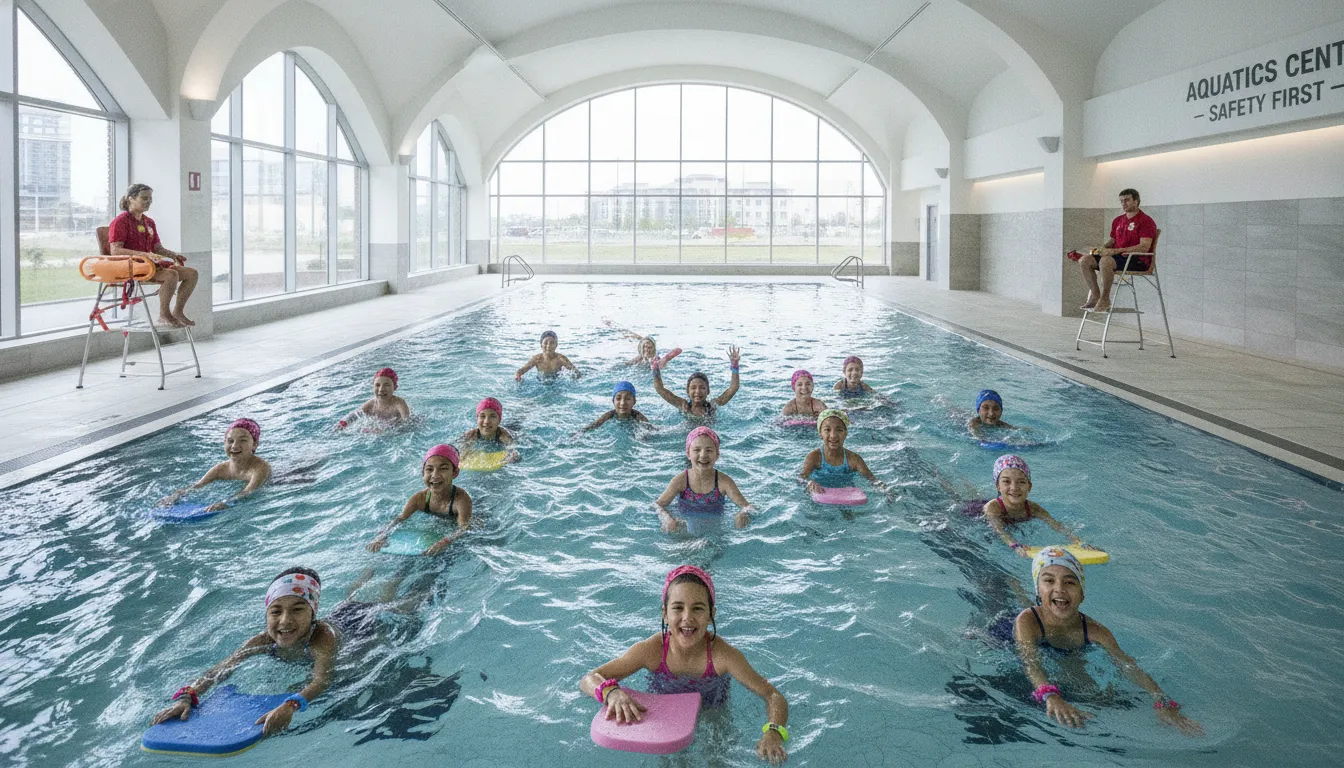
Crowded pools and varying swimmer skills create unique risks in busy youth settings. Maintaining a high standard for Boys & Girls Club Aquatics Safety is a constant challenge for pool managers. Modern safety systems now offer a trusted way to help lifeguards and add a vital layer of safety for every member.
Boys & Girls Club Aquatics Safety is best when clubs combine trained guards with smart alert tools to create a multi-layer defense. This plan addresses the fact that drowning is the top cause of death for children ages 1 to 4, per the CDC. Wearable sensors like AquaSense give guards quick alerts if a swimmer stays under water for too long, even in cloudy or busy pools. These tools act as a force multiplier that helps staff manage large groups without replacing human eyes. Using a simple subscription model lets clubs improve safety rules fast without the need for costly pool building or large upfront fees. These systems ensure that every youth program stays a safe place for kids to learn and play.
Every club must check its own risks to build the best safety plan for its kids. A close look at Understanding Boys & Girls Club Aquatics Safety Challenges shows why old methods alone may not be enough in busy youth pools. The path to better safety begins with
Understanding Boys & Girls Club Aquatics Safety Challenges
Aquatics programs are a core part of many youth clubs. They give kids a place to learn, play, and stay cool. But managing Boys & Girls Club Aquatics Safety comes with a unique set of hurdles. High-occupancy open swims and varying skill levels can put a lot of pressure on staff. These facilities need strong systems to keep every child safe in the water.
The Danger of Silent Drowning
Many people think drowning is loud or full of splashing. In reality, drowning happens in seconds and is often silent. It is a leading cause of death for children ages 1 to 4. For a busy club director, the risk of a silent event during a crowded swim session is a top concern. Even with trained eyes on the pool, the speed of these events makes them hard to catch.
Staff Shortages and Busy Pools
Many aquatic centers now face a shortage of lifeguards. About 40% of facilities report they do not have enough staff. This makes it harder to maintain a close watch over large groups of kids. When you mix high attendance with a range of swimming skills, the task becomes even more complex. Some kids may be strong swimmers, while others are just starting out. This mix needs constant, intense focus from every guard on duty.
The Need for New Safety Layers
Relying only on human sight has its limits. To help staff, clubs are looking at drowning-detection technology as an extra layer of protection. This tech acts as a force multiplier for guards. It does not replace them but helps them see what might be missed. Modern tools provide a way to find a swimmer in trouble before a tragedy occurs. Adding this type of tool helps clubs meet their goal of keeping youth safe.
What is the Boys & Girls Club's Approach to Aquatics Safety?
The Boys & Girls Club approach to water safety relies on a layers of protection strategy. This model blends expert staff training with formal education programs to reduce risks for youth swimmers. By combining these methods, clubs create a strong safety culture that goes beyond basic supervision. This multi-layered focus is a core part of Boys & Girls Club Aquatics Safety protocols nationwide.
Professional Staff Certifications
Success in the pool starts with well-trained people. Every club pool is managed by staff who meet high professional standards. According to WAVE industry data, these experts are typically trained and certified in professional lifeguarding, CPR, and AED protocols. This high level of training ensures that staff can respond fast and effectively during an emergency.
Comprehensive Safety Education
Safety also involves teaching children how to stay safe in and around the water. Clubs often use proven programs to build these skills. For example, the ZAC Foundation partners with BGCA to host ZAC Camps. These camps teach children ages 5-9 essential pool and open water safety skills. This education helps kids understand their own limits and learn how to avoid dangerous situations in any body of water.
Key Steps in the Club Safety Model
Clubs use a set of clear steps to keep their pools safe during busy youth programs. These steps work together to form a full safety net for every child.
- Rigorous Staff Training: All aquatic staff must hold current certifications from trusted groups like the American Red Cross. This includes regular skills checks to keep their response times fast.
- Swimmer Skill Checks: Staff test the swimming skills of every child before they enter the water. This helps guards find at-risk swimmers who need more help or life jackets.
- Constant Active Scanning: Lifeguards follow strict CDC safety guidelines by maintaining active visual scans of their zones. They look for signs of distress that happen silently and fast.
- Safety Awareness Programs: Clubs run regular water safety lessons for members. These lessons cover how to use life jackets and how to help a friend without getting into trouble themselves.
- Facility Safety Checks: Staff inspect pool decks, gates, and safety equipment every day. They make sure the environment is secure and all gear is ready for use at a moment's notice.
This organized path helps clubs manage high-occupancy open swims with confidence. Each layer of the model supports the others. This ensures that even if one layer fails, other safety measures are in place to protect the children. This approach makes aquatics a safe and fun part of the club experience for every member.
WAVE's Trusted Partnership with the Boys & Girls Clubs of America
Safe youth swimming needs more than just a pool and a lifeguard. It needs a plan that connects tools with the people who watch the water. WAVE has been a preferred vendor for Boys & Girls Clubs of America since 2021. This national partnership with the Boys & Girls Clubs of America helps clubs find and use tools that keep kids safe while they swim.
Improving Boys & Girls Club Aquatics Safety
The main goal of this work is to bring new tech to clubs across the country. Drowning is a top risk for kids, so having extra help is key. This deal makes it easier for clubs to get the right gear. It cuts through the hard steps of buying new tools. This means clubs can focus on their kids while WAVE handles the tech side of water safety. Using these tools helps build a strong safety plan in every club.
Fast and Easy Setup
One big plus of this bond is how fast a club can start. Many safety tools need big building work. But WAVE tools are made to be set up without digging or pool closures. A club can have a system running in just a few hours. This is great for busy clubs that run youth camps all year long. The tech works by giving kids small sensors to wear. If a sensor stays under water for too long, it sends a sign to the staff right away.
A Layer of Support for Guards
This tech does not take the place of a lifeguard. Instead, it works as an extra pair of eyes. This is why many youth groups use it to help their staff. It is a tool that gives guards more facts about what is happening under the surface. This help is vital during busy swim times when the pool is full of kids. By working with a trusted group, clubs can be sure they are using tech that meets high rules for youth safety. You can find more facts at the CDC drowning prevention site.
Why is Drowning Detection Technology Needed in Supervised Club Pools?
Lifeguards do a great job, but watching a busy pool is hard. In a club setting, many kids swim at the same time. This makes it tough to see every person every second. High-occupancy open swims can lead to blind spots. This is why Boys & Girls Club Aquatics Safety plans now include extra tools. These tools help staff find risks fast.
How technology helps lifeguards
Drowning detection tools do not replace guards. Instead, they act as an extra set of eyes. These systems use tech to find when a swimmer stays under water for too long. If a sensor stays submerged, the system sends an alert. This helps staff respond in seconds. This drowning-detection technology adds a key layer of safety to supervised pools.
WAVE vs camera systems
Some pools use cameras to watch for drowning. But cameras have limits. They can fail if the water is dark or murky. They also need big construction to set up. WAVE uses advanced swimmer alert systems that work differently. The system uses wearable tech. This approach works in all water types, even when it is not clear. It is an easy way to boost safety for every club member.
| Feature. | WAVE Wearable System. | Camera-Based Systems. |
|---|---|---|
| Visibility. | Works in clear and murky water. | Needs clear water to see well. |
| Setup. | No big pool construction needed. | Often needs complex setup. |
| Detection. | Tracks each wearer via sensors. | Uses AI to scan the whole pool. |
| Cost Model. | Subscription (HaaS) model. | High upfront cost. |
| Alert Speed. | Immediate alerts for staff. | Alerts based on camera view. |
A layered safety approach
Modern safety means using many layers. Rules and guard training are the first steps. Adding tools like WAVE makes the safety net stronger. It is built for supervised aquatic environments where many kids swim together. This ensures that help is always ready if a child needs it. It gives peace of mind to staff and parents alike.
Leveraging Wearable Technology as a Lifeguard Force Multiplier
Aquatics staff at youth centers often face high swimmer counts and busy open swim times. Using Boys & Girls Club Aquatics Safety tools like the WAVE system helps guards manage these crowds. The system acts as a force multiplier by giving a new layer of safety without replacing staff. It uses wearable sensors to find when a swimmer stays under water for too long.
Active alerts for fast response
The WAVE system includes AquaSense swimmer wearables and the GUARDian Hub (w3000). These tools track how long a person stays under water in real time. If the system finds a risk, it sends a clear alert to the staff. Lifeguards wear vibrating tags that tell them the moment a swimmer needs help. This fast alert lets guards act before a tragedy occurs.
Drowning is a major risk for kids. It can happen in a few seconds and often stays silent. Data from the CDC shows that drowning is a leading cause of death for kids ages 1 to 4. Since these events are so quick, using advanced swimmer alert systems gives the speed needed to save lives. This tech works like a second set of eyes that never blinks.
Software for pool management
Managers can track safety data using the Hub Management Software (HMS). This tool gives a full view of the pool deck and helps staff stay ready. Clubs can also use CompleteView software to see how their safety plans work over time. These tools help leaders make smart choices about staff needs and safety rules.
By using this tech, clubs can focus more on teaching kids how to swim. Facts show that formal swim lessons can help lower the risk of drowning for young people. Using WAVE along with lessons creates a safe place for kids to learn and grow. This path helps clubs meet high safety goals while giving kids a fun place to play.
Implementing WAVE Swimmer Alert Systems in Your Club Facility
Improving Boys & Girls Club Aquatics Safety does not need a big budget or facility changes. WAVE uses a model that makes it easy for any club to start. This way, your pool can use advanced swimmer alert systems without a large upfront cost. Since it is a subscription, your club can add more wearable sensors as your programs grow. This keeps your safety tools current and scalable as you serve more youth.
A system that is set up in hours
One major gain with WAVE is that the tech is deployed, not installed. Old camera systems often need weeks of work and pool closures to set up. In contrast, you can have WAVE active in your pool in just a few hours. Based on WAVE's tech guides, there is no need to drill into decks or run new wires. Your staff can set up the GUARDian Hub and start protecting swimmers right away with no downtime for your pool.
Flexible safety for busy pools
Club leaders often worry about the cost and time to upgrade safety tools. This HaaS model removes those bars by giving an extra layer of protection that fits your current work. Since drowning is a lead cause of death for kids, fast alerts are a key part of preventing water accidents. The system uses wearable sensors to track time under water. It alerts your team via vibrating bracelets if a swimmer stays under too long.
Fits well with your current team
The goal of these systems is to help your lifeguards, not replace them. WAVE acts as a force multiplier to give your team more eyes during busy open swims. This extra layer of safety helps you follow the U.S. National Water Safety Action Plan by adding tech to your local safety plan. Your club can focus on youth growth while knowing your staff has the best tools to help keep every child safe.
Frequently Asked Questions
How does technology improve Boys & Girls Club aquatics safety?
Modern drowning-detection systems act as a force multiplier for lifeguards. These systems use wireless sensors to track swimmers in real time. If a sensor stays under water too long, it sends an alert to a vibrating bracelet worn by staff. This helps guards find at-risk swimmers faster. According to the CDC, drowning is a leading cause of death for children. Technology adds a vital layer of protection to stop these silent events.
Does the WAVE system replace facility lifeguards?
No, the system is not a replacement for human supervision. It is an additional tool that helps staff monitor large groups. It alerts guards to submersions that might be hard to see in crowded or murky water. This allows lifeguards to focus on active scanning while the technology monitors for hidden risks. The WAVE system enhances guard efficiency but relies on trained staff to perform rescues and provide medical care in an emergency.
How long does it take to set up a drowning-detection system?
Most facilities can deploy the technology in just a few hours. The system is designed to be mobile and wireless, so it needs no major facility construction or pool closures. Clubs can move the equipment between different areas as needed. This makes it an affordable choice for youth centers with tight budgets. According to WAVE, the system is simple to use and fits easily into daily club routines.
Can this technology work in natural water or murky pools?
Yes, the system works in all water types, including murky or dark conditions. Unlike camera-based systems that need clear water to see, this technology uses wearable sensors and radio signals. It stays effective even when the water is not clear. This is useful for clubs that manage natural-water sites or busy pools where visibility is low. You can learn how it works to see how it protects swimmers in any supervised environment.
Improve Your Boys & Girls Club Aquatics Safety Today
If you wait to add new safety tools to your pool, your club may face risks that busy staff could miss in a crowd. This alert system is ready in just a few hours since it needs no building work or any long pool closures at your club. Starting now gives your guards the help they need to watch over every young swimmer with more care and better focus each day. It acts as an extra layer of safety to help your team stay focused while children play and swim in the water today.
Ready to help your team? Get a free consultation to see how we help you keep kids safe in your facility.
