
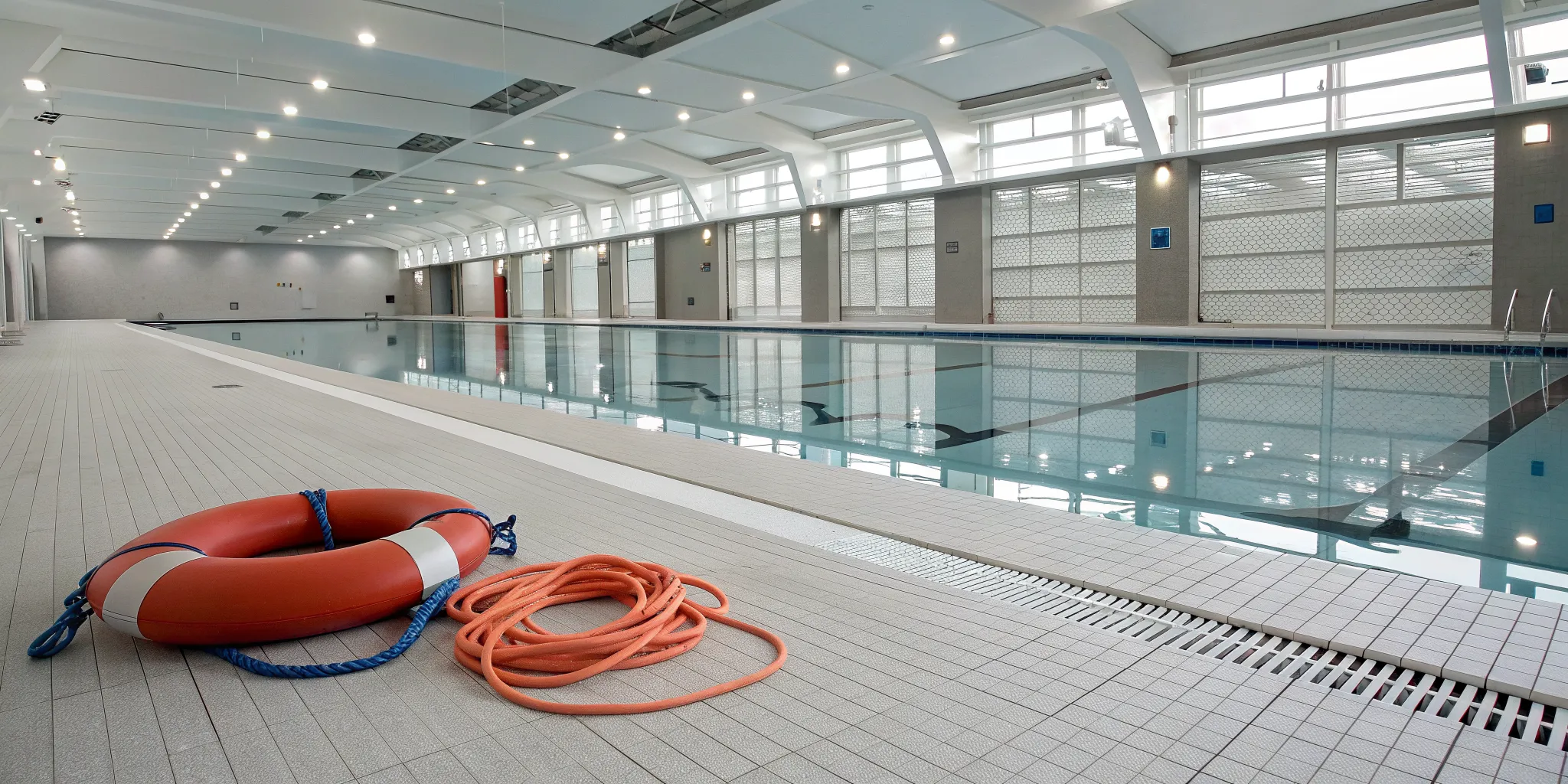
Your lifeguards are the heart of your safety plan, but even the most vigilant team faces challenges like sun glare, water distortion, and large crowds. They are human, and they can’t see everything all at once. This is where technology and proper equipment provide a critical layer of support. The right tools don't replace your staff; they empower them by drawing their attention exactly where it's needed most and providing the means for a swift, effective response. From classic rescue tubes to advanced drowning detection systems, the right commercial pool safety equipment acts as a constant, vigilant spotter. This article will cover the essential gear that bridges the gap between human limitation and total water coverage, ensuring your team is fully equipped to handle any situation.
Key Takeaways
- Layer your safety equipment for complete coverage: A truly safe facility doesn't rely on a single solution. Combine essential rescue tools, preventative barriers, and modern drowning detection technology to create a robust system that supports your lifeguards and protects every swimmer.
- Prioritize legal and industry standards: Your safety plan must start with compliance. Understand the federal VGB Act for drain safety, but also research your specific state and local codes, as these are the rules you are legally required to follow.
- Partner with an expert and buy strategically: The right provider offers more than just equipment; they offer specialized knowledge and support. Once you find a trusted partner, plan your purchases around volume discounts or off-season promotions to maximize your budget without compromising on quality.
What Safety Equipment Does Your Commercial Pool Need?
Creating a safe swimming environment is about building layers of protection. While skilled lifeguards are your first line of defense, they can’t be everywhere at once. That’s where a comprehensive set of safety equipment comes in. Think of it as a support system for your staff and a safety net for your swimmers. The right equipment works together to prevent accidents, enable quick responses, and address emergencies effectively. From the classic rescue tube to advanced technological aids, each piece plays a distinct role in safeguarding your facility.
A truly secure pool goes beyond just having lifeguards on the deck. It involves having the right tools for active rescue, being prepared for medical incidents with fully stocked first aid stations, and using technology to monitor what the human eye might miss. It also means installing physical barriers to prevent accidents before they happen and maintaining water quality to protect everyone’s health. By investing in these different categories of equipment, you create a robust safety ecosystem that protects swimmers, supports your staff, and gives your entire community peace of mind. This multi-faceted approach ensures you’re prepared for any situation that might arise.
Lifeguard and Rescue Tools
Your lifeguards need immediate access to the right tools to perform a rescue. This is the most hands-on layer of your safety plan. Essential lifeguard equipment includes rescue tubes and lifebuoys for flotation, backboards for safe extraction of individuals with potential spinal injuries, and shepherd’s crooks to extend reach from the deck. These items should be strategically placed around the pool for quick access, not locked away in a storage room. Regular drills and training ensure your team can use this equipment effectively under pressure. Having these tools ready and accessible can make all the difference in an emergency, enabling a swift and successful response.
First Aid and Emergency Response Stations
Accidents can happen in and out of the water, from a simple scrape on the pool deck to a serious medical event. A well-stocked and clearly marked first aid station is non-negotiable. Your station should be equipped to handle a range of injuries, containing everything from bandages and antiseptic wipes to CPR masks and emergency blankets. It’s also critical to perform regular inventory checks and restock supplies immediately after they are used. The American Red Cross offers great checklists to help you build a comprehensive kit. This preparation ensures you can provide immediate care while waiting for professional medical help to arrive.
Drowning Detection Systems
Even the most attentive lifeguards can face challenges like sun glare, water distortion, and large crowds. This is where technology provides a critical layer of support. A drowning detection system acts as a constant, vigilant spotter that never gets distracted. Systems like the WAVE GUARDian System use wearables and advanced sensors to monitor swimmers and provide real-time alerts to your staff if a swimmer is in distress. This technology doesn't replace lifeguards; it empowers them by drawing their attention exactly where it's needed most. It’s a powerful tool for enhancing surveillance and reducing response times in a crowded aquatic environment.
Safety Barriers and Anti-Entrapment Devices
Some of the most important safety equipment works by preventing accidents from happening in the first place. This includes physical barriers like proper fencing and self-latching gates to control access to the pool area. It also includes federally mandated anti-entrapment drain covers. The Virginia Graeme Baker (VGB) Act was passed to prevent the powerful suction from pool drains from trapping swimmers underwater. Ensuring your facility is compliant with VGB standards is a legal requirement and a fundamental step in eliminating a known hazard. These preventative measures are your silent guardians, quietly keeping swimmers safe from potential dangers.
Water Quality Test Kits
A safe pool isn't just about preventing injuries; it's also about protecting swimmers from recreational water illnesses. Murky or improperly treated water can hide physical hazards and harbor harmful bacteria. Maintaining the correct chemical balance is essential for a healthy swimming environment. You need reliable water quality test kits to regularly check pH, chlorine, and alkalinity levels. Consistent testing allows you to make necessary adjustments and ensure your water is clean, clear, and safe for everyone. The Centers for Disease Control and Prevention (CDC) provides excellent guidelines for maintaining healthy and safe pool water.
How to Choose the Right Safety Equipment
Selecting the right safety equipment for your commercial pool goes beyond simply checking items off a list. It’s about creating a layered, reliable safety system that protects every person in your facility. The best approach is a thoughtful one, where you consider how each piece of equipment contributes to a safer environment. From regulatory compliance to the durability of your gear, every detail matters. Think about how your equipment will hold up over time, how easily your staff can use it, and how it integrates with your existing setup. By focusing on these key areas, you can build a comprehensive safety plan that you and your patrons can trust.
Meet VGB Act and Other Safety Standards
First things first: your equipment must meet legal requirements. Compliance isn’t just about avoiding penalties; it’s the foundation of a safe aquatic environment. The most critical regulation to know is the federal Virginia Graeme Baker (VGB) Pool and Spa Safety Act, which mandates anti-entrapment drain covers and other safety devices. Beyond federal laws, you also need to be aware of your specific state and local codes, as they can have additional requirements. Before making any purchases, conduct a thorough review of all applicable standards. Choosing equipment that is certified to meet or exceed these regulations ensures you’re providing a baseline of safety and protecting your facility from liability.
Check for Durability and Weather Resistance
Pool environments are tough on equipment. Constant exposure to water, chemicals, and UV rays can cause materials to degrade quickly. That’s why durability should be a top priority in your selection process. Opt for equipment made from high-quality, corrosion-resistant materials like stainless steel, UV-stabilized plastics, and marine-grade fabrics. Investing in durable, weather-resistant pool safety equipment might cost more upfront, but it pays off in the long run. It ensures your gear remains reliable when you need it most and reduces the frequency of costly replacements, saving you time and money while keeping swimmers safe.
Ensure Proper Visibility and Coverage
Effective safety equipment needs to be seen and provide comprehensive coverage. This applies to everything from lifeguard chairs that offer an unobstructed view of the water to clear, well-placed safety signage. For advanced systems like drowning detection, complete coverage is non-negotiable. You need a solution that monitors the entire pool without any blind spots. The WAVE GUARDian system, for example, is designed to provide wall-to-wall protection, ensuring every swimmer is accounted for. When evaluating equipment, always consider its placement and range to guarantee there are no gaps in your safety net.
Integrate with Your Current Systems
New safety equipment shouldn't operate in a silo. The most effective solutions are those that integrate smoothly with your facility's existing infrastructure and protocols. Before you buy, think about how a new piece of technology will fit into your daily operations. Will a new alert system connect with your current PA system? Is the software compatible with the devices your team already uses? Choosing equipment that complements your current setup makes the adoption process easier for your staff and creates a more unified, effective safety response. A well-integrated system ensures all components work together seamlessly to protect swimmers.
Look for Advanced Tech and Alert Features
While traditional safety measures are essential, technology offers powerful new layers of protection. Look for equipment with advanced features that can help your team respond faster and more effectively. Modern drowning detection systems use sophisticated sensors and real-time alerts to notify lifeguards the moment a swimmer is in distress. Features like wearable Swimmer Alerts and centralized hubs that track activity provide a level of oversight that the human eye alone can't match. Investing in this technology can significantly reduce the risk of incidents and give your staff the tools they need to act decisively in critical moments.
Prioritize Ease of Use and Maintenance
Even the most advanced safety equipment is useless if it’s too complicated for your staff to operate or if it falls into disrepair. Prioritize systems that are intuitive, user-friendly, and easy to maintain. Look for equipment with clear instructions, straightforward controls, and simple maintenance routines. A provider that offers comprehensive training and accessible customer support can make a huge difference in your team’s ability to use the equipment effectively. When your safety tools are easy to manage, your staff is more likely to use them correctly, ensuring your facility remains a safe place for everyone.
How to Choose a Safety Equipment Provider
Selecting the right safety equipment is only half the battle; finding the right provider is just as critical. You’re not just buying a product, you’re investing in a partnership that will help you protect every person who visits your facility. The ideal provider acts as an extension of your team, offering expertise, reliable technology, and ongoing support. They should understand the unique challenges of aquatic environments and be committed to helping you create the safest experience possible. As you evaluate your options, think beyond the price tag and consider the long-term value a great partner can bring to your organization.
A good provider doesn't just sell you a box; they provide a complete safety solution and the peace of mind that comes with it. This means looking at their industry knowledge, the quality of their technology, their commitment to customer service, and their track record with other facilities like yours. Think of it this way: the equipment is the tool, but the provider is the expert who helps you use it effectively. They should be able to answer your questions, guide you through installation and training, and be available when you need help. Making a thoughtful choice here will pay dividends in safety, efficiency, and confidence for years to come.
Look for Specialized Expertise
When it comes to safety, you want a provider who lives and breathes aquatics. A general supplier might sell pool ladders and life rings, but a specialist understands the complex pool service industry standards that govern everything from water chemistry to emergency protocols. Look for a company whose primary focus is water safety. These providers are more likely to be up-to-date on the latest regulations and technological advancements. They can offer tailored advice for your specific facility, whether it’s a sprawling water park or a community lap pool. A true specialist can help you build a safety plan, not just sell you equipment.
Prioritize Advanced, Reliable Technology
Yesterday’s safety solutions aren’t enough for today’s aquatic facilities. The best providers are pushing the industry forward with innovative technology that offers another layer of protection. Look for companies that integrate smart features, like IoT devices and automated monitoring, into their products. For example, modern drowning detection systems use advanced sensors and real-time alerts to notify staff of a swimmer in distress faster than the human eye ever could. Prioritizing a provider who invests in reliable, cutting-edge technology shows your commitment to creating the safest possible environment for your guests and gives your team the best tools to do their jobs effectively.
Verify Customer Support Options
Great customer support is non-negotiable. Before you commit to a provider, find out what their support structure looks like. Will they be there to help with installation and training? What does the process look like if you need troubleshooting assistance? The best partners offer comprehensive support to ensure you can use their equipment correctly and confidently. Look for clear contact information, accessible support channels, and resources like a detailed FAQ or online portal. A provider who is easy to reach and ready to help is one you can count on when it matters most. You can often get a feel for their service by booking a meeting to ask questions upfront.
Read Testimonials and Case Studies
Don’t just take a company’s marketing materials at face value. Do your homework by looking for feedback from other facility operators. Testimonials, reviews, and detailed case studies are invaluable resources for understanding how a provider’s equipment performs in a real-world setting. They offer an unfiltered look at the product's effectiveness, its durability, and the quality of customer service. Seeing that a provider has a proven track record with facilities similar to yours can give you the confidence that you’re making the right choice. Reputable companies are proud of their partnerships and will have testimonials readily available for you to review.
Seek Comprehensive, All-in-One Solutions
Managing safety equipment from multiple vendors can be a logistical headache. It often leads to compatibility issues, complicated maintenance schedules, and a disjointed safety strategy. Instead, look for a provider who offers a comprehensive suite of solutions. A single-source provider can supply everything from wearable swimmer alerts to a central monitoring hub and lifeguard alert systems. This approach ensures all your equipment works together seamlessly, creating a cohesive safety net across your entire facility. It simplifies procurement, training, and maintenance, allowing your team to focus on what they do best: keeping swimmers safe.
What Industry Safety Standards Should You Know?
Keeping swimmers safe is about more than just having the right equipment on the pool deck. It’s also about understanding and following the industry safety standards that govern aquatic facilities. These guidelines and regulations provide a clear framework for everything from your pool’s drain covers to your daily operational checklists. Think of them as your roadmap to creating the safest possible environment. When you know the rules, you can confidently make decisions that protect your guests and your staff.
Staying current with these standards isn't just about compliance; it's about demonstrating a commitment to excellence and building trust with your community. It shows that you prioritize well-being above all else. These standards are developed by experts who have studied aquatic safety for years, so following them means you're benefiting from a wealth of collective knowledge. This helps you avoid common pitfalls and implement proven safety measures. It also protects your facility from liability and ensures you're prepared for any inspections. Knowing these regulations helps you train your staff effectively and create a consistent culture of safety. Let’s walk through the key standards you should be familiar with so you can feel confident that your facility is up to par.
Virginia Graeme Baker (VGB) Pool and Spa Safety Act
This is a critical federal law you absolutely need to know. The VGB Act was created to prevent drain entrapment, a serious danger where a swimmer can be held underwater by the suction of a pool or spa drain. The law mandates that all public pools and spas must have specific anti-entrapment drain covers and, in some cases, other safety systems. Compliance isn't optional; it's a legal requirement designed to prevent tragic accidents. You can learn more about the specific requirements from the Consumer Product Safety Commission.
Model Aquatic Health Code (MAHC)
Think of the MAHC as a science-based playbook for pool safety. Developed by the CDC and other public health experts, it’s not a federal law but rather a set of comprehensive guidelines that local and state health departments use to create their own pool codes. The MAHC provides recommendations on everything from water quality and disinfection to operator training and facility design. Following its guidance is a proactive way to ensure your facility is operating at the highest standard of safety, even if your local code hasn't adopted all of its suggestions yet.
ANSI/PHTA Standards
The Pool & Hot Tub Alliance (PHTA) is a leading industry organization that develops technical standards for pool construction, service, and water quality. These ANSI/PHTA standards are created by industry experts and are often incorporated into state and local building codes. For facility operators and service technicians, these standards are the go-to resource for best practices in everything from chemical balancing to equipment maintenance. Staying familiar with the current PHTA standards ensures your team is following proven, effective procedures.
International Swimming Pool and Spa Code (ISPSC)
The ISPSC is another major code that influences how pools and spas are designed, built, and maintained across the country. It’s a comprehensive document that works in tandem with other codes to establish a complete set of safety requirements. The ISPSC covers topics like barriers, sanitation systems, and suction-limiting devices. Many jurisdictions adopt the ISPSC as their official code, so it’s essential to know if it applies to your facility when planning any new construction or renovations.
Local and State Regulations
While national and international codes provide a great foundation, the rules that matter most are the ones enforced by your local health department. State, county, and city regulations are the laws you are legally required to follow, and they can vary significantly from one place to another. These local codes will dictate your specific requirements for everything from lifeguard staffing to water testing frequency. Always make it a priority to connect with your local regulatory agency to get a clear and complete understanding of the rules in your area.
Smart Ways to Purchase Pool Safety Equipment
Investing in high-quality safety equipment is one of the most important decisions you'll make for your facility. While it's a significant expense, there are smart ways to approach the purchasing process that can help you get the best value without cutting corners on safety. Thinking strategically about how and when you buy can make a big difference for your budget and ensure you get the right tools to protect your swimmers. From timing your purchase to exploring different buying channels, here are a few effective strategies to consider.
Buying Directly from the Manufacturer
Going straight to the source can have major perks. When you buy directly from a manufacturer, you're getting information from the people who designed and built the equipment. They can answer detailed questions and guide you to the exact products that fit your facility's needs. This direct line of communication often means you get expert advice and access to the full range of options. Plus, by cutting out the middleman, you might find more competitive pricing. It’s a great way to ensure you’re getting authentic, high-quality gear backed by the manufacturer’s guarantee.
Working with Authorized Dealers
Authorized dealers are another excellent resource, especially if you value local support and hands-on service. These partners are trained by the manufacturer and often have deep roots in the local aquatics community. They can provide valuable services like on-site consultations, professional installation, and ongoing maintenance. Many facility managers prefer working with dealers because they can bundle equipment from various brands into a single, convenient package. A trusted dealer can become a long-term partner in keeping your pool safe and operational, making them a leading choice for aquatic professionals.
Exploring Volume Discounts
If you're outfitting a large facility or multiple pools, don't hesitate to ask about volume discounts. Many suppliers are willing to offer reduced pricing on large orders. This can apply to purchasing multiple units of the same item, like swimmer wearables, or a complete safety system for a new build or renovation. Planning your purchases to consolidate them into one large order can lead to significant savings. This approach helps you stay compliant with safety regulations and protect your guests without straining your budget, ensuring you have the quality equipment you need.
Asking About Seasonal Promotions
Timing is everything, and that can be true for purchasing pool equipment, too. Many suppliers run seasonal promotions, especially during the off-season in the fall and winter when demand is lower. This can be the perfect time to invest in big-ticket items or upgrade your existing systems. Keep an eye on company newsletters and websites for announcements about sales. Planning your purchases around these promotions is a simple yet effective way to stretch your budget further while still acquiring top-of-the-line safety equipment for your facility.
Inquiring About Bulk Order Programs
Beyond a simple one-time volume discount, some companies offer formal bulk order programs for commercial clients. These programs are designed for organizations with ongoing or large-scale needs, like aquatic facility management companies or municipalities. They might include benefits like tiered pricing, dedicated account managers, and flexible delivery schedules. If you anticipate needing a steady supply of equipment or are planning a major overhaul, it’s always a good idea to book a meeting with a sales representative to see if a specialized program is available for you.
Frequently Asked Questions
Does a drowning detection system replace my lifeguards? Not at all. Think of a drowning detection system as a powerful tool that supports your lifeguards, not a replacement for them. Even the most skilled lifeguards face challenges like sun glare, water distortion, and crowded pools. This technology acts as an extra set of eyes that never gets tired or distracted, monitoring every swimmer and alerting your team the moment someone might be in distress. It helps your staff focus their attention exactly where it’s needed most, enabling a faster and more effective response.
What's the first step I should take to make sure my facility is compliant with safety standards? The best place to start is with your local health department. While federal laws like the VGB Act set a national baseline, your state, county, or city regulations are the specific rules you must follow day to day. Your local inspector can provide you with a clear checklist of requirements for your area, covering everything from drain covers and fencing to water chemistry and lifeguard staffing. Getting this local guidance first ensures you’re focusing on the rules that directly apply to your facility.
How can I justify the cost of advanced technology like a drowning detection system in my budget? It helps to frame it as a long-term investment in safety and risk management rather than just an expense. While there is an upfront cost, this technology provides a critical layer of protection that can help prevent a tragic accident. From a financial perspective, it can reduce your facility's liability and potentially lower insurance premiums. It also serves as a major support system for your staff, giving them better tools to do their jobs and providing peace of mind for you and the community you serve.
Besides the big-ticket items, what's one piece of safety equipment that facilities often overlook? A reliable backup communication system is something that’s frequently forgotten but incredibly important. While a lifeguard’s primary tool is their whistle, you need a plan for what happens when that isn't enough to get attention in a loud, chaotic environment. Having tools like air horns or even a simple megaphone readily available can be critical for crowd control or signaling an emergency across a large facility. It’s a small detail that makes a huge difference in a crisis.
How often should we be training our staff on how to use all this equipment? Training should be consistent, not just a one-time event at the beginning of the season. Your team should conduct regular drills, ideally on a weekly or bi-weekly basis, to practice rescue scenarios with the actual equipment. This includes everything from using a backboard to responding to an alert from your drowning detection system. Consistent practice builds muscle memory and ensures that when a real emergency happens, your team can act confidently and effectively without hesitation.
