
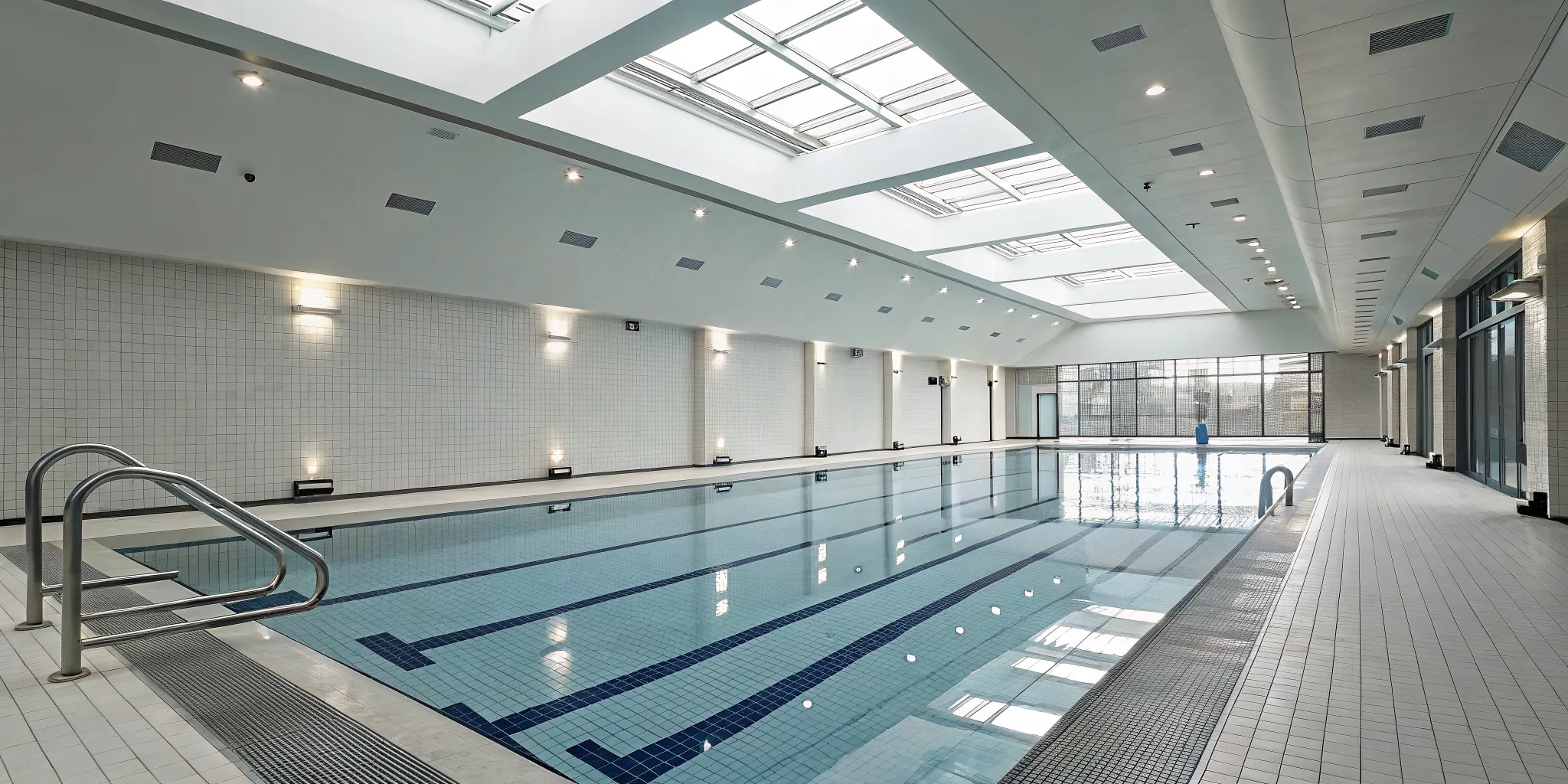
As an aquatic manager, you know the challenges. Surface glare creates blind spots. Crowds make it hard to track everyone. And the scariest part? Drowning is often silent and fast. Relying on human observation alone means accepting huge risks. This is where a drowning detection system provides a solution. It offers constant, unbiased monitoring that overcomes these environmental hurdles. Using a combination of advanced sensors and intelligent software, these systems create a comprehensive safety net. So, how do they actually work to see through the chaos? This guide explains the mechanics behind this essential technology.
Key Takeaways
- Combine technology with human expertise: An automated system is a powerful tool that provides constant monitoring, but it works best when paired with the judgment and quick response of a well-trained lifeguard team.
- Know the difference between cameras and wearables: Camera systems provide a wide overview of the pool, while wearable devices track each swimmer individually. Understanding the strengths of each approach is key to selecting the right solution for your facility's unique environment.
- Systems alert, lifeguards act: AI is trained to detect high-risk behaviors like prolonged submersion or lack of movement, triggering an immediate alert. However, a human lifeguard must always make the final call to intervene, providing the essential context and response.
What Is an Automated Drowning Detection System?
At its core, an automated drowning detection system is a technology designed to alert staff when a swimmer might be in trouble. Think of it as an extra layer of protection that works alongside your lifeguards, using advanced tools to monitor everyone in the water. These systems are not just simple alarms; they use sophisticated technology to actively look for signs of distress.
The most effective systems use a combination of computer vision, artificial intelligence, and wearable devices to track swimmers. This technology is trained to recognize dangerous situations, like someone being submerged for too long or exhibiting movements that indicate they need help. When the system identifies a potential issue, it automatically triggers an alert for immediate intervention. Different facilities may require different solutions, which is why there are various drowning detection products available, from camera-based setups to individual swimmer wearables. The goal is always the same: to provide fast, accurate information so your team can respond quickly when seconds matter most.
How These Systems Support Lifeguards
This technology is designed to be a lifeguard’s most reliable partner. It acts as a constant, vigilant backup, using AI and other tools to monitor every swimmer simultaneously, a task that is incredibly challenging for the human eye alone. A drowning detection system can see things a person might miss, like the subtle signs of distress that often happen before a person is in critical danger.
Instead of replacing your staff, the system supports them by continuously watching the entire aquatic environment. When it detects a swimmer who needs help, it sends an instant alert directly to your team. This allows your lifeguards to move from scanning the water to taking immediate action, providing them with the specific information they need to perform a rescue.
How This Tech Improves Water Safety
When people and technology work together, the result is a much safer environment for everyone. Automated monitoring is changing how aquatic facilities operate by adding a powerful layer of oversight that complements human supervision. This partnership is quickly becoming the new standard for water safety, proving that a well-equipped team is the best defense against aquatic emergencies.
Beyond just identifying swimmers in distress, these systems can also help lifeguards get a clearer view of their surroundings. The technology can help reduce the effect of surface glare on the water and provide visibility into areas that might otherwise be hard to see. By covering blind spots and offering another perspective, automated drowning detection helps create a comprehensive safety net, making your facility a safer place to swim.
The Unseen Emergency: Drowning by the Numbers
When we think of emergencies at an aquatic facility, we might picture something loud and obvious. But the reality of drowning is often the opposite—it’s a silent and swift event that can happen in seconds, even in a crowded pool under a lifeguard's watch. The statistics paint a stark picture of a global public health issue that demands more than just traditional supervision. Understanding the numbers behind drowning is the first step toward creating a safer environment for every swimmer who enters your facility. These figures aren't meant to scare; they're meant to highlight the critical need for a comprehensive safety approach that includes both human expertise and technological support.
Global Drowning Statistics
On a global scale, drowning is the third leading cause of unintentional injury death. The numbers are staggering: an estimated 372,000 people die from drowning every year. To put that into perspective, it means that every hour of every day, about 42 people lose their lives in the water. This isn't a distant problem; it's a persistent, worldwide crisis that affects communities everywhere. The sheer volume of these incidents underscores that while lifeguards are essential, the challenges of monitoring every swimmer at every moment are immense. This is where we see the growing need for systems that can help provide continuous, reliable oversight.
Drowning Risks in the U.S.
Even in well-managed facilities, the risk remains significant. In the United States, a startling statistic reveals that more than half of drowning deaths for children between the ages of 5 and 14 occur at venues with lifeguards on duty. This isn't an indictment of lifeguards; it's a testament to the difficulty of their job. Factors like glare, water clarity, and large crowds can make it nearly impossible to see everything. This is why our team at WAVE is so passionate about our mission to enhance aquatic safety. By integrating technology that supports human surveillance, we can create a stronger safety net and protect more lives in the water.
Cameras vs. Wearables: How Does the Tech Differ?
When you start looking into automated drowning detection, you’ll find that most systems use one of two approaches: cameras that watch over the entire body of water or wearables that monitor each individual swimmer. Both are designed to act as a second set of eyes for your lifeguard team, but they gather information in fundamentally different ways.
Camera-based systems are installed around the pool to provide comprehensive coverage from above or below the surface. Wearable systems require each swimmer to have a device, like a headband or clip, that tracks their activity directly. Understanding how each one operates will help you figure out which solution best fits your facility’s needs.
How Do Camera-Based Systems Work?
Think of a camera-based system as a dedicated observer that never blinks. These systems use cameras that see light reflected off objects in the water. The software then breaks down the video feed into tiny squares called pixels. By analyzing differences in light and shadow between these pixels, the system can distinguish objects from the water itself.
Most camera systems are programmed to identify people by their general size and shape, looking for pixel patterns that match a human form. Some use a technique called "background modeling" to essentially learn what the empty pool looks like, making it easier to spot when a person enters the water. From there, sophisticated algorithms can determine if a swimmer is upright and active or lying motionless at the bottom of the pool, providing a crucial alert when someone may be in distress.
How Do Wearable-Based Systems Work?
Wearable-based systems take a more personal approach by tracking each swimmer individually. Swimmers are equipped with a small, lightweight device, such as WAVE’s Swimmer Alert wearables, which monitor key indicators in real time. These devices often use sensors to track how long a swimmer has been submerged.
If a swimmer stays underwater longer than a pre-set, safe amount of time, the wearable sends an immediate alert to the lifeguard staff. Because each device is assigned to a specific person, lifeguards know exactly who is in potential danger. This one-to-one monitoring is especially helpful in crowded or busy aquatic environments, ensuring no one gets overlooked. When worn correctly, these systems provide precise, individualized protection for every person in the water.
The Critical Role of Sensors and Data
At the heart of any drowning detection system is a combination of hardware and software working together. The hardware consists of sensors that collect data. For camera systems, this is the video feed. For wearables, it’s submersion timers. Other advanced systems might even use sonar, which uses sound waves to detect objects.
This raw data is then processed by software that uses algorithms, which are essentially a set of rules the computer follows. The software analyzes the information from the sensors, looking for specific clues that point to a swimmer in distress. It compares these clues to established safety limits and, if a threshold is crossed, triggers an alarm. This is how the technology works to turn simple observations into life-saving alerts for your team.
Exploring Different System Types
As you look for the right safety solution, you’ll find a few different kinds of automated drowning detection systems on the market. While they all share the same mission—to provide an extra layer of protection for swimmers—they operate using distinct technologies. Some use cameras to get a bird's-eye view of the pool, while others rely on individual wearable devices to track each person in the water. There are also hybrid systems that combine multiple approaches for even more comprehensive coverage. Understanding the mechanics behind each type will help you decide which one is the best fit for your facility’s specific layout and needs.
Camera-Based Systems: Poseidon and AngelEye
Camera-based systems, like those from companies such as Poseidon and AngelEye, act as a constant digital lookout. They use strategically placed cameras, either above or below the water's surface, to continuously monitor the entire swimming area. These systems employ smart computer programs and artificial intelligence to analyze the video feed in real time. The software is trained to spot the signs of a swimmer in distress, such as someone remaining motionless at the bottom of the pool for a set period. If the system detects a potential incident, it immediately sends an alarm to your lifeguard staff so they can investigate and respond.
Wearable-Based Systems: WAVE
Wearable-based systems offer a more personalized approach to swimmer safety. With this technology, each person wears a small, lightweight device that tracks their activity in the water. As a leading provider of this technology, WAVE uses advanced wearable devices and integrated lifeguard equipment to protect swimmers. The system monitors individuals in real-time, and if a swimmer is submerged beyond a pre-determined safe time limit, it instantly sends an alert to the lifeguards. This one-to-one tracking is especially effective in busy or crowded pools, helping ensure that no one goes unnoticed and providing your team with precise information when every second counts.
Hybrid and AI-Integrated Systems
Some of the most effective solutions are hybrid systems that combine the strengths of different technologies. By integrating computer vision from cameras, artificial intelligence, and data from individual wearables, these systems create an incredibly robust safety net. This multi-faceted approach allows the technology to recognize dangerous situations with greater accuracy, from prolonged submersion to movements that indicate distress. It’s important to remember that these advanced systems are designed to supplement, not replace, your trained lifeguard team. They provide critical alerts and data, empowering your staff to act decisively and enhance the overall safety of your aquatic environment.
How AI Learns to Spot a Swimmer in Distress
Artificial intelligence doesn't just watch a pool; it learns to understand it. Think of an AI-powered detection system as a student that has studied millions of hours of video, learning to spot the subtle signs of a swimmer in trouble. It’s trained to recognize the quiet, often overlooked behaviors that precede a drowning event. This technology isn’t about replacing the essential skills of a lifeguard. Instead, it acts as a hyper-aware partner, providing an extra layer of protection that never gets tired or distracted. By combining advanced camera technology with smart software, the system builds a complete, real-time picture of everything happening in and around the water.
Recognizing Distress Patterns with Computer Vision
At its core, the system uses computer vision, which is a way of teaching a computer to see and interpret the world like a human does. The AI analyzes live feeds from specialized cameras placed to get a clear view of the entire pool. It has been trained on vast datasets of footage showing every kind of swimming behavior imaginable, from confident laps and playful splashing to the specific movements associated with distress. This training allows the AI to recognize dangerous patterns, such as a swimmer who is vertical in the water but not kicking, or someone who is motionless at the bottom of the pool. The GUARDian system uses this technology to catch warning signs that might otherwise be missed in a crowded or chaotic environment.
Why Tracking Submersion Time Is Key
Beyond just recognizing visual patterns, the AI is constantly tracking key metrics for every person in the water. One of the most critical data points is submersion time. The moment a swimmer goes underwater and remains there, the system starts a clock. While a swimmer practicing their breath-holding might be submerged for a short, controlled period, a person in distress will often be underwater for a dangerously long time. The system also monitors for lack of movement, unusual body positioning, and a swimmer’s location in the pool. By analyzing these objective measurements together, the system can accurately determine when a situation has become high-risk and needs immediate attention, giving you a clear understanding of how it works to prevent tragedy.
Improving Accuracy with Machine Learning
The "learning" in machine learning is what makes this technology so effective. The system is designed to get smarter and more accurate over time. Its AI algorithms are not only trained to recognize the signs of drowning but also to learn from every alert that is generated. When a lifeguard responds to and clears an alarm, that feedback helps the system refine its understanding of what constitutes a true emergency versus a false alarm. This continuous improvement cycle makes the system incredibly reliable. It builds a dynamic, 3D model of the pool in real-time, allowing it to detect dangerous situations with remarkable precision, a level of performance that our partners consistently praise in their testimonials.
How a Camera System Identifies a Drowning Event
Camera-based drowning detection systems act as a constant, vigilant partner for lifeguards. They use sophisticated computer vision to monitor every corner of a pool, analyzing video feeds in real time to spot the subtle signs of a swimmer in distress. These systems aren't just recording; they are actively interpreting behavior. By learning what normal swimming looks like, the technology can quickly identify movements and situations that deviate from the norm, providing an essential layer of protection for any aquatic facility.
The process is methodical. First, the system must establish a clear, uninterrupted view of the entire swimming area. Then, its intelligent software begins the real work: analyzing the footage for specific indicators of distress. This isn't a simple motion detector. It's a complex analytical tool that understands human movement in the water. It can tell the difference between a child joyfully splashing and a swimmer in silent trouble. This ability to interpret context is what makes these systems so valuable. They provide lifeguards with targeted, accurate alerts, allowing them to focus their attention where it's needed most.
Why Strategic Camera Placement Matters
To be effective, a camera system needs a complete view of the swimming area, without any blind spots. This is typically achieved by installing a combination of overhead and underwater cameras. The system’s software then identifies people by recognizing their size, shape, and the way they reflect light, distinguishing them from pool toys or shadows on the water. A comprehensive system ensures that every swimmer is monitored, whether they are on the surface or below it. This strategic placement is the foundation for accurate detection, giving the AI the clear visual data it needs to do its job properly.
Overhead vs. Underwater Camera Strategies
The most effective camera strategies use a mix of overhead and underwater views to create a complete safety picture. Overhead cameras are great for tracking general movement, seeing how many people are in the water, and monitoring the pool deck. Underwater cameras are crucial for what happens below the surface, detecting a swimmer who has become motionless or submerged for too long. By combining these perspectives, the system eliminates blind spots caused by glare or surface agitation. This comprehensive coverage gives the AI the clear, detailed information it needs to analyze a situation accurately, distinguishing a person in distress from normal swimming activity by recognizing their unique size, shape, and reflection.
Installation Considerations
Proper installation is just as important as the technology itself, because a camera system is not a one-size-fits-all solution. Every aquatic environment is different, with unique layouts, depths, and lighting conditions that must be considered. During setup, cameras are strategically placed to cover every angle, and the software is calibrated to the specific conditions of your pool, like its surface material and water clarity. The system is programmed to identify people by their general size and shape, looking for pixel patterns that match a human form against your pool’s specific background. Taking the time to plan the installation ensures the system operates at peak accuracy, giving your team a reliable tool that is perfectly tailored to your facility.
How the System Analyzes Footage for Distress Signs
Once the cameras are in place, the system’s algorithms get to work analyzing swimmer behavior. They are programmed to recognize specific actions that indicate distress. For instance, the software can detect if a person has been motionless or has remained in a vertical position for too long, which are common signs of a swimmer struggling to stay afloat. Underwater cameras are especially critical here, as they can immediately spot a swimmer who has sunk to the bottom of the pool. By continuously scanning for these red flags, the system provides an immediate alert for situations that might otherwise go unnoticed.
The 10-Second Alert Window
When a swimmer is in distress, there’s no time to waste. This is why the most effective systems operate on a tight, 10-second alert window. The technology is programmed to recognize when a swimmer has stopped moving underwater and immediately starts a timer. If the swimmer remains motionless for 10 seconds, the system automatically triggers an alarm, sending a direct notification to your lifeguard team. This alert often includes the swimmer’s precise location, eliminating guesswork and allowing for an immediate response. This rapid detection is a fundamental part of how the technology works, providing the critical information your staff needs to intervene quickly and effectively during an emergency.
Telling the Difference Between Playing and Panic
One of the most impressive features of modern systems is their ability to distinguish between harmless fun and a real crisis. The key is in analyzing movement patterns. Normal swimming involves large, rhythmic motions, while a person in distress often exhibits smaller, chaotic, and repetitive movements with their arms and legs. The system’s AI is trained to recognize these subtle but critical differences in body posture and motion. This advanced drowning detection technology can identify the unpredictable actions that signal panic, allowing it to alert lifeguards to a potential problem before it becomes a tragedy, while ignoring typical horseplay.
How Wearables Monitor Each Individual Swimmer
While camera systems provide a bird's-eye view of the entire swimming area, wearable systems offer a different, more personal layer of protection. These systems use small, lightweight devices that swimmers wear, typically on their head or wrist. Each device acts as a personal monitor, tracking the status of an individual swimmer and communicating that information back to a central hub. This approach provides precise data on every person in the water, creating a detailed safety net that complements the watchful eyes of lifeguards.
The core idea is to give every swimmer their own digital guardian. These Swimmer Alert wearables are designed to be non-intrusive, so they don’t interfere with swimming or play. They work continuously in the background, analyzing data in real time to spot the subtle signs of distress that might not be immediately visible from the pool deck. By focusing on the individual, wearable systems can provide highly specific alerts, directing lifeguards to the exact person who needs help, the moment they need it. This technology is especially effective in crowded pools or during activities where it can be challenging to visually track everyone at once. It adds a layer of certainty, ensuring that even in the most chaotic moments, every single swimmer is accounted for and monitored.
How Sensors Track a Swimmer's Vitals
At the heart of each wearable device are sophisticated sensors that monitor a swimmer's physiological state. Think of it like a fitness tracker, but designed specifically for water safety. These sensors can track vital signs, such as heart rate and rhythm. This data is incredibly valuable because it helps the system understand what’s happening with the swimmer. For instance, by analyzing a swimmer's unique heart rate, the system can confirm that the device is being worn by a person and not just floating in the water. This capability ensures monitoring is accurate and helps distinguish a person from other objects, reducing the chance of false alarms.
Analyzing Location and Movement in Real Time
Beyond vitals, wearable systems are constantly analyzing a swimmer's location and movement. Using a combination of technologies, the system knows where each swimmer is within the pool at all times. This real-time tracking is critical during an emergency, as it allows lifeguards to pinpoint a person in distress instantly. The system also looks for patterns. Is a swimmer moving normally, or have they become motionless? Have they been submerged for an unusually long time? The system is programmed to recognize these red flags, providing another crucial layer of data that helps identify a potential drowning event as it unfolds.
How a Wearable Device Sends an Alert
When a wearable device detects a potential problem, like a swimmer being submerged for too long, it doesn't wait. The system is designed to communicate an alert immediately. If the signal from the device is blocked for a set period, which indicates the swimmer is underwater, it triggers an alarm. The wearable sends a signal directly to the main hub and to the Lifeguard Alert equipment carried by your staff. This creates a direct line of communication that bypasses the noise and distractions of a busy aquatic environment, ensuring that lifeguards get a clear, unmistakable notification with the swimmer's exact location so they can respond swiftly.
System Capacity and Unique Features
Beyond the core function of detecting a swimmer in distress, advanced drowning detection systems come with features designed to handle the real-world complexities of managing a large aquatic facility. It’s one thing to monitor a handful of swimmers in a small, clear body of water, but it’s another challenge entirely to provide coverage for a sprawling water park or a natural body of water. The best systems are built to scale, offering robust performance no matter the size of the crowd or the type of environment. They also include smart features that improve team coordination, turning a simple alert system into a comprehensive safety and communication tool for your entire staff.
Monitoring Large Groups and Wide Areas
One of the biggest questions for any facility manager is whether a system can handle their specific environment. Modern drowning detection systems are designed for versatility. Whether you oversee an indoor aquatic center, a bustling outdoor water park, or even a designated swimming area in a lake, the technology is built to adapt. For example, the WAVE system works effectively in all types of water, regardless of clarity, temperature, or other conditions. This adaptability is crucial because it ensures reliable performance across diverse settings. The system can monitor hundreds of swimmers simultaneously, providing individualized tracking that doesn’t get overwhelmed by large crowds, ensuring every person receives the same level of attention.
The WAVE GUARDian Lifeguard Alert Feature
A truly integrated system does more than just monitor swimmers; it enhances team communication during a critical event. A unique feature of the WAVE system is the GUARDian Lifeguard Alert. This function is designed to automatically notify your entire staff the moment a lifeguard enters the water to perform a rescue. When a lifeguard’s own alert device is submerged, the system triggers both audio and visual signals at the main hub and sends notifications to other staff members’ mobile devices. This lifeguard-down alert ensures the whole team is aware that a rescue is in progress, allowing for immediate backup and better coordination without anyone having to say a word.
How a Drowning Detection System Alerts Lifeguards
When an automated system detects a swimmer in distress, its next job is arguably the most important: getting that information to a human, fast. The entire process hinges on a clear, immediate, and effective handoff from technology to the lifeguard on duty. A silent detection is useless, so these systems are designed with robust alert protocols that grab attention and provide actionable information in seconds.
This isn't about replacing the lifeguard’s whistle; it's about giving it a high-tech power-up. The goal is to deliver the right information to the right person at the right time, turning a potential crisis into a controlled, successful rescue. Different systems use a combination of methods to ensure the alert is received and understood, creating a safety net that supports the vigilance of your aquatic staff. From loud alarms to discreet vibrations on a wristband, these alerts are the critical link between detection and response.
Using Instant Audio and Visual Alarms
The most direct way to signal an emergency is with an unmistakable alarm. When a system like the WAVE GUARDian System identifies a high-risk event, like a swimmer submerged for too long, it triggers immediate audio and visual alerts. These aren't subtle notifications; they are designed to cut through the noise and activity of a busy aquatic facility. Flashing lights and loud, distinct sounds command the attention of every staff member, pointing them directly to the emergency. This instant alert gives lifeguards the critical seconds they need to stop scanning and start responding, moving toward the swimmer in distress before the situation escalates.
Sending Alerts Across Multiple Devices
A single alarm at a central station isn't always enough. To ensure a swift response, advanced systems distribute alerts across several channels simultaneously. This creates a redundant network so that no notification is missed. Alerts can be sent directly to a lifeguard’s wearable device, causing it to vibrate and display the swimmer’s location in the pool. They can also appear on handheld devices carried by supervisors or on large LED panels visible across the facility. This multi-channel approach means the Lifeguard Alert equipment reaches the closest and most available staff members, ensuring the fastest possible in-water response.
Integrating with Your Existing Comms
The best drowning detection systems don't operate in a bubble. They are designed to integrate smoothly with a facility's existing communication and safety protocols. An alert from the detection system can be programmed to automatically trigger announcements over a public address (PA) system or send notifications through the staff’s two-way radio network. This integration ensures the entire team, from the front desk to the facility manager, is aware of the situation and can execute their emergency action plan in a coordinated way. By understanding how it works within your facility's unique setup, the system becomes a seamless part of your overall safety strategy.
The Investment: Cost, Standards, and History
Deciding to bring an automated drowning detection system to your facility is a major step. It’s not just about adopting new technology; it’s about making a long-term commitment to a higher standard of safety. This involves understanding the financial investment, ensuring the system you choose meets rigorous quality standards, and appreciating how this technology has evolved to become a trusted partner for aquatic professionals. Thinking through these aspects will help you make an informed decision that protects both your swimmers and your organization for years to come.
Understanding the Costs and Financing Options
Implementing an automated drowning detection system is a significant financial commitment, but it's also a profound investment in safety. Generally, you can expect the cost to range from $75,000 to $150,000, though this can vary depending on factors like the size of your pool and whether it needs to be retrofitted. This price reflects the advanced technology and comprehensive protection it provides. When you consider the long-term value of enhanced safety and risk reduction, the cost becomes a critical part of your facility's operational budget. Many providers offer different packages, so it's worth exploring the specific pricing options available to find a solution that fits your needs.
Adhering to Safety Standards
When you're evaluating different systems, it's important to look beyond the price tag and consider the quality and reliability of the technology. Look for systems that comply with recognized international standards, such as ISO 20380:2017, which sets requirements for drowning detection systems. These certifications aren't just letters and numbers; they are a testament to a product's performance and a manufacturer's commitment to excellence. Choosing a system that meets these rigorous benchmarks ensures you're investing in a solution that has been thoroughly tested and proven to be effective. It’s a key part of upholding the highest standards of care at your facility, a mission we share and are passionate about.
The Evolution of Detection Technology
Drowning detection technology has come a long way from simple pool alarms. The early systems laid the groundwork, but today’s technology represents a massive leap forward in capability and intelligence. Automated monitoring is quickly becoming the new standard for water safety, creating a powerful partnership between human expertise and technological oversight. This evolution is driven by advances in artificial intelligence and machine learning. Modern systems, like the WAVE GUARDian System, use AI that has been trained on vast datasets of swimmer behavior. This allows the technology to distinguish between playful splashing and the specific, subtle movements that indicate real distress, providing a level of analysis that complements and supports the vigilance of your lifeguard team.
What Are the Challenges for These Detection Systems?
Automated drowning detection systems are a huge step forward for aquatic safety, but they aren't magic. Like any technology, they have limitations and face challenges in the dynamic environment of a swimming pool or open water. Understanding these hurdles is key to choosing the right system for your facility and setting realistic expectations for its performance.
It’s important to remember that these systems are designed to be a powerful tool in a lifeguard’s toolkit, not a replacement for their expertise and vigilance. The goal is to add another layer of protection for every swimmer in the water. Let’s look at some of the most common challenges these systems face and what it means for your team. By knowing what to look for, you can better evaluate which technology will be the most reliable and effective for your specific needs.
Can the System Handle Poor Water Clarity or Lighting?
For systems that rely on cameras, what’s happening above and below the water’s surface can dramatically affect accuracy. Think about all the variables at your facility: the glare of the sun, shadows moving across the pool, and reflections on the water. Even on a perfect day, cloudy or choppy water can make it difficult for a camera to get a clear view of every swimmer.
Deep water presents its own challenge, as it’s naturally darker and can obscure a swimmer at the bottom. These environmental factors can sometimes prevent a camera-based system from accurately detecting signs of distress. This is why it's so important to understand how a system works and whether it can perform reliably under your facility's specific conditions, day in and day out.
Versatility in Open Water Environments
What about environments like lakes, rivers, or waterfronts where the water is dark and visibility is low? This is where wearable-based systems truly shine. Unlike cameras that depend on a clear line of sight, wearables track each swimmer individually, bypassing the challenges of murky water entirely. The system isn't trying to "see" a swimmer at the bottom; it's monitoring the status of their wearable device. If a swimmer's device is submerged beyond a safe time limit, an alert is sent directly to the lifeguard team, regardless of water clarity or color. This makes the technology incredibly versatile, providing a reliable safety net in even the most difficult aquatic settings. Systems like WAVE are designed to function in all types of water, ensuring your team can maintain a high level of protection everywhere people swim.
How Systems Perform in Crowded, Active Pools
A busy pool on a summer day is a chaotic scene of splashing, playing, and constant motion. For an automated system, telling the difference between horseplay and a real emergency is incredibly complex. A swimmer treading water might be mistaken for someone in distress, while the subtle but critical signs of a real drowning, like small gasps for air, could be missed among all the activity.
Some systems can struggle with false alarms when people stand still in shallow water for too long. The challenge lies in teaching an AI to understand human behavior in a crowded, unpredictable environment. Systems that use individual wearable trackers can help cut through the noise by focusing on the status of each person rather than trying to interpret the entire scene at once.
What to Expect for Maintenance and Upkeep
A drowning detection system is only as good as its setup and upkeep. Before investing in any technology, it’s crucial to understand its technical requirements and maintenance schedule. Accuracy can vary between systems, and consistent performance depends on regular calibration and checks to ensure everything is functioning correctly.
Most importantly, these systems are designed to detect signs of distress, not to definitively identify a drowning. They alert staff to a potential problem, but a trained human must always make the final call and take action. That’s why proper setup and training are so essential. The technology serves as a critical backup, empowering your lifeguards to respond faster and more effectively when every second counts.
Beyond Drowning Detection: Added Capabilities
Modern drowning detection systems offer much more than just a basic alarm; they have evolved into comprehensive safety tools. For example, some advanced systems can monitor a swimmer's vital signs, like heart rate, to get a clearer picture of their condition. They also track other critical data points, such as a lack of movement or unusual body positioning, which can indicate a problem long before it becomes a crisis. This is part of the comprehensive monitoring that makes the technology so powerful. Beyond individual swimmer safety, some systems even offer features that help with overall facility management, like counting the number of people in the water. These added capabilities transform the system from a simple alert mechanism into a powerful partner that helps you manage a safer, more efficient aquatic environment.
How Accurate Are Automated Drowning Detection Systems?
When you’re responsible for the safety of swimmers, accuracy is everything. The effectiveness of an automated drowning detection system can vary based on the technology it uses and the environment it operates in. For example, systems that rely on cameras can be affected by poor lighting, shadows, reflections on the water’s surface, or cloudy water. These factors can make it harder for the system to see what’s happening beneath the surface.
Other challenges come from the swimmers themselves. People have different body types and sink at different rates, which can be a challenge for systems that wait for a swimmer to become fully submerged. A system might also struggle to distinguish between someone treading water and someone in the early stages of distress. That’s why it’s so important to understand how a specific system works and what its limitations are. The best systems, like the WAVE GUARDian System, are designed to account for these variables, providing a reliable layer of protection that supports your lifeguards’ expertise. The goal isn't perfection, but a powerful tool that significantly enhances your facility's overall safety.
What Causes a False Positive Alarm?
A false positive is when a system sends an alert for a non-emergency. While technology has come a long way, no system is completely immune to them. False positives can be triggered by unusual but safe swimmer behavior. For instance, someone standing perfectly still in shallow water for a long time or a group of kids playing breath-holding games might be flagged by a system. The technology is designed to spot patterns that suggest distress, and sometimes, normal play can mimic those signs. The key is to find a system that strikes the right balance, minimizing false alarms while ensuring no real event is ever missed.
Why Human Oversight Is Still Essential
Automated drowning detection systems are an incredible safety tool, but they are not a replacement for vigilant, well-trained lifeguards. Think of the system as a partner for your aquatic staff, not a substitute. Technology can’t actively prevent an accident before it happens or teach a child about water safety. It is designed to spot signs of distress, but it can’t know for certain if someone is drowning. That final, critical judgment call requires a human. Your lifeguards provide the essential context, intervention, and immediate response that technology alone cannot. Commercial pools still need human oversight to ensure a complete safety net.
How Technology and Lifeguards Form a Team
The real strength of a drowning detection system is its ability to create a powerful partnership between technology and your lifeguard team. While a lifeguard can only watch one area at a time, a system can monitor every single swimmer simultaneously. It acts as a constant, reliable backup, using advanced tools to watch for the subtle signs of distress that can be easy to miss. When the system detects a potential issue, it instantly sends an alert to your staff through dedicated lifeguard equipment. This allows your team to respond faster and with more information, turning a potential crisis into a successful rescue.
Related Articles
- Guide to Automated Drowning Detection & Pool Security
- How Automated Drowning Detection Improves Safety
- Drowning Prevention Technology for Commercial Pools 101
- Drowning Detection Systems: The Ultimate 2026 Guide
Frequently Asked Questions
Will this technology replace my lifeguards? Not at all. Think of an automated drowning detection system as a powerful tool that supports your team, not a substitute for them. The technology acts as a constant set of eyes, monitoring every swimmer at once so your lifeguards can focus more on proactive supervision and immediate response. It handles the tireless task of scanning, allowing your staff to use their training and judgment where it matters most.
What's the main difference between a camera system and a wearable one? The primary difference is the focus of the monitoring. A camera-based system watches the entire aquatic environment, using computer vision to identify swimmers and analyze their behavior from a broad perspective. A wearable-based system takes a more personal approach, with each swimmer wearing a device that tracks their individual status, like submersion time. The best choice depends on your facility’s specific layout, activity levels, and safety goals.
How does the system work when the pool is really crowded and busy? This is where the technology really shines. In a chaotic environment, the system’s AI analyzes movement patterns to distinguish between normal play and the specific, often subtle, signs of distress. It can track individual submersion times and identify motionless swimmers even when there’s a lot of splashing and activity. Wearable systems are especially effective in these situations because they monitor each person directly, ensuring no one gets overlooked in the crowd.
How does the system actually let my staff know there's a problem? When the system detects a potential emergency, it sends immediate, multi-channel alerts designed to be impossible to miss. This includes loud audio alarms, flashing visual signals, and direct notifications sent to equipment carried by your lifeguards. These alerts often include the precise location of the swimmer in distress, which helps your team respond faster and more effectively.
Are false alarms a common problem with these systems? While no system is completely immune to false positives, advanced systems are designed to minimize them. The AI learns to tell the difference between swimmers playing and a genuine emergency. It’s important to remember that the system’s job is to flag a potential risk. A trained lifeguard always makes the final call, providing the essential human judgment needed to confirm the situation and take appropriate action.
