
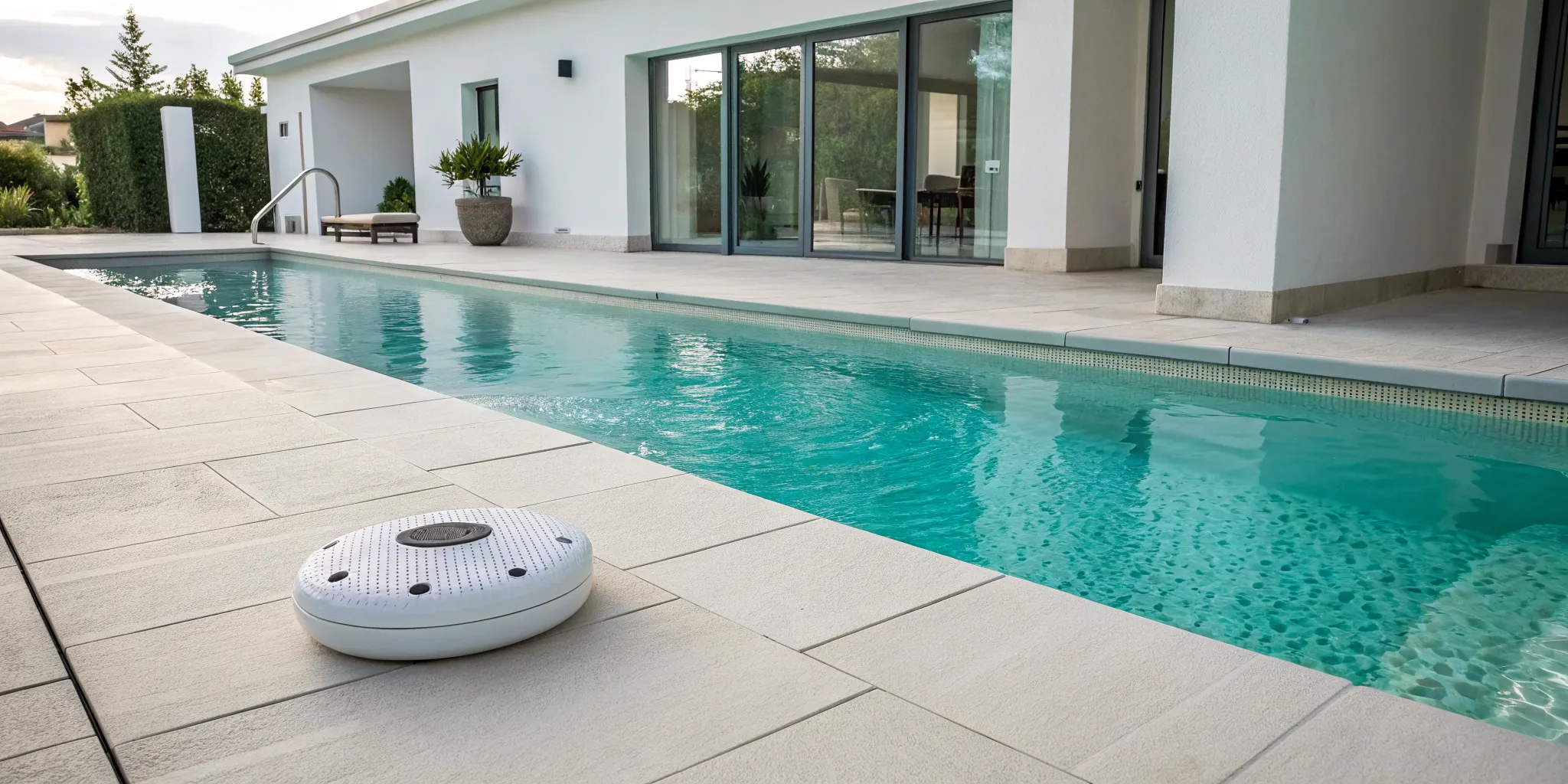
Let’s address the big question right away: a drowning detection system is not a replacement for a human lifeguard. Instead, think of it as the ultimate support tool for your aquatics team. The technology provides a constant, unbiased layer of surveillance that a person simply cannot replicate. It doesn’t get tired, distracted, or have its view blocked by sun glare. By handling the data-heavy task of monitoring every swimmer, the system frees up your lifeguards to focus on proactive scanning and rapid response. Understanding this partnership is key to finding the best drowning detection system for pools that will empower your staff and create a safer environment for everyone.
Key Takeaways
- Technology supports, it doesn't replace: A drowning detection system is a tool to assist your trained staff, not a substitute for them. The right system provides constant monitoring and instant alerts, which helps your team respond faster and more effectively.
- Match the tech to your environment: Your facility's unique conditions, like water clarity and size, will determine the best technology for you. Consider the differences between wearables for individual tracking, AI cameras for broad oversight, and basic alarms for simple notifications.
- Focus on accuracy and integration: The best system is one your team can trust. Prioritize solutions with a low rate of false alarms and a clear, immediate alert process that fits seamlessly into your lifeguards' existing workflow.
How Drowning Detection Systems Work
Drowning detection systems act as a vital layer of protection in any aquatic environment, giving lifeguards a second set of eyes to help them monitor every swimmer. Since drowning can happen quickly and silently, these technologies are designed to spot the earliest signs of distress and send an immediate alert. This allows your team to respond faster, turning a potential crisis into a successful rescue.
Different systems use different technologies to achieve this goal. Some rely on advanced cameras and artificial intelligence, while others use personal devices worn by swimmers. Understanding how each type works is the first step in choosing the right solution for your facility. Let’s break down the three main categories of drowning detection technology: AI cameras, wearable sensors, and simple alarms. Each offers a unique approach to keeping swimmers safe and supporting your lifeguard staff.
The Tech: AI Cameras
AI camera systems use the power of computer vision to actively monitor a pool. These specialized cameras are connected to a system that runs artificial intelligence software trained to tell the difference between regular swimming and the subtle signs of a swimmer in distress. The AI analyzes movement patterns, body position, and other visual cues in real time. If the system identifies behavior that matches its definition of a potential drowning event, it instantly sends an alert to a central hub or directly to lifeguard devices. This technology is designed to provide comprehensive overhead surveillance of the entire swimming area.
The Tech: Wearable Sensors
Wearable sensors offer a more personal approach to swimmer safety. Each swimmer wears a small, lightweight device, often as a headband or a clip attached to their goggles or swimsuit. These Swimmer Alert wearables are designed for one primary purpose: to track submersion time. If a swimmer stays underwater for a period that exceeds a pre-set safety threshold, the sensor sends a wireless signal. This signal triggers an alarm at the lifeguard station and on portable staff devices, pinpointing exactly who needs help. This method provides precise, individual monitoring that works in all types of water conditions, regardless of visibility.
The Tech: Simple Alarms
Simple alarms are one of the most basic forms of drowning detection. These systems typically use sonar or motion sensors placed underwater to detect static objects on the pool floor. If an object the size of a person remains motionless for a specific amount of time, the system will trigger an alarm. While this technology can add a layer of safety, it is generally less sophisticated than AI or wearable systems. Because these alarms only detect a complete lack of motion, they may not alert staff during the initial stages of distress. They can also sometimes be triggered by inanimate objects, leading to false alarms that can disrupt operations.
The Top Drowning Detection Systems, Compared
Choosing the right drowning detection system means understanding the different technologies available. Each type offers a unique approach to monitoring swimmers and alerting staff, from advanced AI cameras to simple alarms. The best fit for your facility depends on your specific environment, budget, and operational needs. Let's compare the four main categories of systems on the market so you can find the one that provides the right layer of protection for your swimmers and support for your lifeguard team.
1. The WAVE GUARDian System
The WAVE GUARDian System is known for its straightforward and dependable approach to detecting submerged swimmers. It uses small, lightweight wearables that swimmers attach to their goggles or a headband. These trackers monitor each swimmer individually and send an alert to lifeguards if a person is submerged beyond a preset time limit. This direct tracking method provides precise information, pinpointing exactly who is in potential danger and where they are. A key advantage is its versatility; the technology works effectively in all kinds of aquatic environments, from clear indoor pools to murky open water at lakes or rivers, where cameras often struggle.
2. AI Camera-Only Systems
AI camera-only systems use sophisticated cameras placed above or below the water's surface. These cameras feed video to a computer that uses artificial intelligence to analyze swimmer movements and identify behaviors that suggest distress or drowning. The system can then send an alert to lifeguards. These automated systems are designed to be an essential support tool, giving your team an extra set of eyes on the water. However, their performance can be affected by factors like water clarity, surface glare, high bather loads, and lighting conditions, which can sometimes limit their ability to see every swimmer clearly.
3. Standalone Wearable Devices
Standalone wearable devices offer a simple and often more affordable way to add a layer of safety. Like the WAVE system, they use a small device worn by the swimmer to track submersion time. If a swimmer is underwater for too long, the device triggers an alarm. The main function of these devices is to detect when a swimmer has been submerged for a critical period, prompting an immediate check. While effective for individual monitoring, standalone systems may not have the robust, facility-wide integration that connects directly to a centralized hub for the entire lifeguard team.
4. Basic Pool Alarms
Basic pool alarms are the simplest form of detection technology. This category includes a few different types, such as surface wave alarms that detect disturbances on the water's surface or subsurface alarms that react to underwater movement. Some systems may also incorporate simple wristbands that alert when a swimmer leaves a designated area. While these alarms can be useful for indicating that someone has entered the water unexpectedly, their effectiveness in a busy aquatic facility can be limited. They are often prone to false alarms from wind, toys, or normal swimmer activity and lack the precision to identify a specific individual in distress.
What to Look For in a Drowning Detection System
Choosing a drowning detection system is a major decision for any aquatic facility. It’s not just about adding a new piece of tech; it’s about creating a safer environment for every person who enters your water. With different technologies available, from AI cameras to wearable sensors, it’s important to know what features truly make a difference. The most effective system is one that fits your specific needs, integrates with your team, and provides unwavering reliability when seconds count.
As you evaluate your options, think beyond the initial sales pitch. Consider how the system will perform day in and day out, in all conditions. Does it support your lifeguards, or does it create more distractions? Can it adapt to your unique water environment, whether it’s a crystal-clear pool or a murky lake? A great system acts as a second set of eyes for your team, constantly monitoring what’s happening below the surface. Let’s walk through the key factors to consider so you can find a solution that gives your staff and your guests complete peace of mind.
Accuracy and Reliability
The most important quality of any drowning detection system is its ability to perform accurately and reliably. A system that produces constant false alarms can lead to alert fatigue, causing your team to become desensitized to real emergencies. Conversely, a system that misses an event fails at its one critical job. Look for a solution that uses advanced sensors and continuous monitoring to detect a wide range of distress signals. The true value of a system is its dependability, so ask for real-world performance data and check testimonials to ensure you're choosing a solution your team can trust to be their vigilant partner.
Coverage and Scalability
Your drowning detection system must be able to monitor your entire aquatic environment, leaving no blind spots. Before you commit, confirm that the technology can cover the full size and depth of your water area. The best technology is one that fits your specific environment, providing a crucial second set of eyes on every swimmer. Consider whether the system is scalable. If you plan to expand your facility or add new water features in the future, you’ll want a system that can easily grow with you without requiring a complete overhaul. A truly comprehensive drowning detection system should be flexible enough to adapt to your facility’s current and future needs.
Real-Time Alerts and Response
When a swimmer is in distress, every second matters. A detection system is only effective if it can deliver immediate, clear alerts to the people who can take action. Look for a system that provides real-time notifications directly to your lifeguard team. These alerts should be impossible to ignore, using both visual and auditory cues to pinpoint the exact location of the incident. For example, WAVE’s Lifeguard Alert equipment uses wearable devices that vibrate and flash, ensuring your staff is notified instantly. This allows your team to respond with speed and precision, which is the entire point of having a detection system in the first place.
Lifeguard Team Integration
The goal of a drowning detection system is to support your lifeguards, not replace them. The best systems are designed to work as a partner to your human staff, enhancing their abilities and reducing the chance of human error. The technology should integrate seamlessly into your team's existing workflow, providing critical information without adding complexity or distraction. A system like the WAVE GUARDian works directly with your lifeguards to monitor every swimmer in real time. It acts as a force multiplier, giving your team the confidence that they have a reliable backup watching over every corner of the water.
Versatility for Your Water Environment
Not all water is the same. A system that works perfectly in a clear, well-lit indoor pool might be completely ineffective in a lake or a busy water park. Consider the specific conditions of your facility. Do you have murky water? Are there areas with glare or shadows? Many camera-based systems struggle in anything less than ideal conditions. You need a system that is versatile enough to perform reliably in your unique environment. WAVE is designed to work in all types of water, including pools, waterparks, lakes, and bays, making it a uniquely flexible solution for almost any aquatic venue. You can learn more by checking the company's FAQ page.
Ease of Installation and Maintenance
Implementing a new safety system shouldn't require you to shut down your facility for weeks on end. Look for a solution that offers a straightforward installation process with minimal disruption to your operations. Some systems, like WAVE, can be set up without the need for permits, divers, or major construction, allowing you to remain open during the process. It’s also important to consider long-term maintenance. Ask about the support, software updates, and hardware upkeep required to keep the system running smoothly. The getting started process should be clear and supported by the company's team.
Cameras vs. Wearables vs. Alarms: How Do They Compare?
Choosing the right technology for your facility means understanding the strengths and weaknesses of each option. AI cameras, wearable devices, and basic alarms all approach swimmer safety from different angles. Let's break down how they stack up so you can find the best fit for your team and your swimmers.
Pros and Cons of AI Camera Systems
AI camera systems use advanced software to monitor swimmers, learning to identify the signs of a person in distress. The biggest advantage here is their ability to provide constant, facility-wide oversight. By using machine learning, these systems can spot potential incidents that a human eye might miss due to glare, surface chop, or other distractions.
However, not all camera systems are created equal. A standard security camera isn't designed for drowning detection. For this to work, you need a system specifically built to analyze in-water behavior. The effectiveness of a camera-only system can also be affected by water clarity, lighting, and how crowded the pool is. They provide a powerful overview, but they are watching the water, not necessarily tracking each individual swimmer’s status.
Pros and Cons of Wearable Devices
Wearable devices take a more personal approach to safety. These are small tags, often worn on a headband or goggles, that monitor an individual swimmer. Their key benefit is tracking a person’s submersion time directly. If a swimmer is underwater for too long, the device sends an alert. This makes them a simple and effective way to get critical information. WAVE’s own Swimmer Alert wearables are designed to pinpoint the moment a swimmer is at risk and needs a check.
The main consideration for wearables is compliance. The system only works if swimmers are wearing the devices. For facilities that can implement a mandatory-wear policy, this is less of an issue. You’ll also need a process for distributing, collecting, and charging the devices.
Pros and Cons of Basic Alarm Systems
Basic pool alarms are the simplest form of detection technology. These systems typically use sensors that react to disturbances in the water or gate alarms that sound when a pool entrance is opened. Some may include wristbands that trigger an alarm if they go beyond a certain depth. Their main pro is that they are a straightforward, often lower-cost, way to add a layer of security.
The downside is that they lack the sophistication of more advanced systems. Basic alarms can be prone to false alarms from non-distress situations, like a windy day or an object falling into the water. They tell you that something happened, but they don’t provide the context or specific location that helps your team respond quickly and accurately. They are a starting point, but most commercial facilities need a more automated drowning detection system.
Why You Might Combine Technologies
The most effective safety plans don't rely on a single solution. Instead, they layer different technologies to create a comprehensive safety net. Think of it as giving your lifeguards multiple sources of information. An automated system is a critical support tool, not a replacement for your staff. It provides constant monitoring and instant alerts, giving your team the information they need to respond with speed and precision.
For example, AI cameras can provide a bird's-eye view of the entire facility, while wearables track the status of each individual swimmer. When these technologies work together through a central hub, like the WAVE GUARDian System, they cover each other’s gaps. This integrated approach ensures that if one component misses something, another is there to catch it, creating a truly robust environment for water safety.
Can a Detection System Replace a Lifeguard?
Let’s address the big question right away: no, a drowning detection system is not a replacement for a human lifeguard. It’s a common misconception, but the reality is that technology and trained personnel work best when they work together. Think of a detection system as the ultimate partner for your aquatics team. It provides an unwavering layer of surveillance that helps your staff do their jobs even more effectively. While technology offers constant monitoring, it can’t perform a physical rescue, manage a crowd, or offer a reassuring presence to a nervous swimmer. Those essential, human tasks will always fall to your trained and certified staff.
Your lifeguards are the heart of your facility’s safety plan. They are your first responders, your rule-enforcers, and the human connection for your guests. The goal of a drowning detection system isn’t to take their place, but to give them better tools to succeed. By adding a layer of technology, you create a safety net that covers the entire swimming area, watches every swimmer simultaneously, and instantly alerts your team to the exact location of a potential incident. This partnership allows your lifeguards to focus on proactive scanning and rapid response, backed by data they can trust.
Why Technology Supports—Not Replaces—Human Vigilance
A drowning detection system is a critical support tool that enhances, rather than replaces, human oversight. Technology’s greatest strength is its consistency. It doesn’t get tired, distracted by a noisy environment, or experience sun glare that creates blind spots on the water’s surface. It provides constant, unbiased monitoring and can process information about dozens or even hundreds of swimmers at once, something that’s impossible for the human eye to do.
However, technology lacks the critical thinking and situational awareness of a trained lifeguard. A lifeguard can spot risky behavior and intervene before an incident occurs. They provide first aid, communicate with guests, and make judgment calls that an automated system can’t. The system’s job is to be the ever-watchful lookout, providing your team with the precise information they need to respond with speed and confidence when seconds matter most.
How the WAVE System Empowers Lifeguards
The WAVE system is specifically designed to be the gold standard of lifeguard assistance. It acts as a reliable second set of eyes, giving your team an unprecedented view of what’s happening beneath the surface. When a swimmer’s time underwater exceeds a preset limit, the system instantly sends an alert to the lifeguard’s wearable device, pinpointing the swimmer’s exact location in the water. This eliminates the guesswork and search time that can happen in a crowded or murky pool.
This technology is a low-risk, easy-to-use tool that supplements your team’s professional training and experience. Instead of replacing their skills, the GUARDian system enhances them. By handling the continuous, data-heavy task of monitoring every individual, WAVE frees up your lifeguards to focus more on preventative scanning, guest interaction, and being ready to act. It empowers them to be more effective, confident, and prepared for any situation.
Understanding the Cost of Drowning Detection
When you’re looking to add a layer of safety to your aquatic facility, one of the first questions you’ll have is about the cost. The price of drowning detection systems can vary widely, from a few hundred dollars for a basic alarm to a significant investment for a comprehensive, AI-powered solution. The key is to find a system that fits not only your budget but also the unique needs of your facility and swimmers. It’s helpful to think of it less as a one-size-fits-all purchase and more as a customized safety plan designed to support your team and protect your community.
The right system is an investment in your facility's reputation and the well-being of every person who visits. While budget is a practical consideration, the true value lies in finding technology that seamlessly integrates with your operations and gives your lifeguards the tools they need to respond effectively. The cost will ultimately depend on several factors, including the size and complexity of your pool, the type of technology you choose, and the level of support you need. Understanding how drowning detection works can help you determine which features are most important for your environment. Let’s break down the typical pricing structures for different types of systems so you can get a clearer picture of what to expect.
Pricing for Commercial-Grade AI Systems
Comprehensive, commercial-grade systems that use AI cameras and wearables represent the highest standard in drowning detection. These systems are a significant investment in safety, and their pricing reflects the advanced technology and support involved. Because every aquatic environment is different, there is no standard price tag. Instead, companies offering these solutions provide custom quotes tailored to your facility’s specific layout and needs. The cost typically covers the hardware, software, installation, and staff training.
When you invest in a system like WAVE, the purchase is just the beginning of the relationship. You’re also gaining a partner in water safety, with a dedicated team available to help you get the most out of your system and continuously improve safety protocols at your facility.
Pricing for Wearable Devices
Systems that rely on wearable technology offer an affordable and effective way to monitor swimmers. The pricing for these systems usually involves an initial investment in the base station and hub equipment, plus the cost of the individual wearables for swimmers. This model allows for great scalability, as you can start with a certain number of devices and easily add more as your programs grow or during peak seasons.
These simple, lightweight trackers are worn by swimmers and provide real-time data on their status in the water. The cost per wearable is generally low, making it a budget-friendly option for facilities that want to provide an extra layer of protection. The overall investment for a complete wearable-based system is typically less than a full AI camera setup, offering a strong balance of performance and affordability.
Pricing for Basic Alarms
Basic pool alarms are the most inexpensive option on the market. These devices, which detect disturbances on the water's surface or underwater, can be purchased for a few hundred dollars. While their low price point is appealing, it’s important to understand their limitations, especially in a busy commercial setting. These alarms are prone to false alerts triggered by wind, toys, or normal water movement, which can lead to alarm fatigue for your staff.
Furthermore, basic alarms don't provide specific information about who is in distress or where they are located. They simply signal a potential issue, leaving your lifeguards to scan the entire area. They lack the precision and reliability of more advanced systems that offer dedicated support for your lifeguard team.
What Factors Influence the Final Cost
The final cost of a drowning detection system is never a flat fee because the most effective technology is one that fits your specific environment. Several key factors will influence your final quote. The size, shape, and number of pools at your facility are the biggest determinants, as they dictate how much hardware is needed for complete coverage. The type of water, whether it's a clear lap pool or a darker, more natural-looking body of water, can also affect the technology required.
Other factors include the number of swimmers you need to monitor and the level of service and support included in your package. To truly understand what your investment will be, the best first step is to book a consultation to get a customized quote based on a thorough assessment of your facility’s unique safety needs.
Related Articles
- Drowning Prevention Technology: A Facility Guide
- How Automated Drowning Detection Improves Safety
- Drowning Detection Systems: The Ultimate 2026 Guide
- Drowning Prevention Technology for Commercial Pools 101
- Guide to Automated Drowning Detection & Pool Security
Frequently Asked Questions
How does a wearable system work in a really crowded pool? A wearable system is actually ideal for busy pools because it tracks each person individually. Instead of a camera trying to watch a hundred people at once, each swimmer has their own small tracker monitoring their specific submersion time. If one person stays underwater too long, the system sends an alert for that specific swimmer. This means the system’s accuracy isn't affected by how many people are in the water, giving your team precise information even during peak hours.
What happens if a swimmer takes off the wearable device? This is a common question, and it comes down to your facility's safety procedures. Most facilities that use a wearable system implement a mandatory wear policy, just like requiring a wristband for entry. The devices are lightweight and designed to be worn comfortably on goggles or a headband, so they don't interfere with swimming. Your staff's training would include how to manage the distribution and collection of the devices to ensure everyone is protected.
Will this kind of system work in murky water like a lake or bay? Yes, and this is one of the biggest advantages of a wearable-based system. Technologies that rely on cameras need clear water and good lighting to be effective. A system like WAVE, however, doesn't need to "see" the swimmer at all. It tracks submersion time directly from the device each person wears, so it works just as reliably in a dark lake or a cloudy pool as it does in a crystal-clear one.
Are the constant alerts from a detection system distracting for lifeguards? A well-designed system should reduce distractions, not create them. The goal is to provide a quiet, vigilant partner that only speaks up when necessary. The system doesn't send an alert for every little thing; it only notifies your team when a swimmer has crossed a specific, pre-set time threshold underwater. This turns a potential information overload into a clear, actionable signal that helps your lifeguards focus their attention exactly where it's needed most.
Is the installation process disruptive for my facility? Not at all. Modern drowning detection systems, especially wearable-based ones, are designed for a smooth and simple setup. You don't need to drain your water, bring in divers, or start a major construction project. The main components can typically be installed quickly without disrupting your daily operations, allowing you to add a powerful layer of safety with minimal downtime.
