
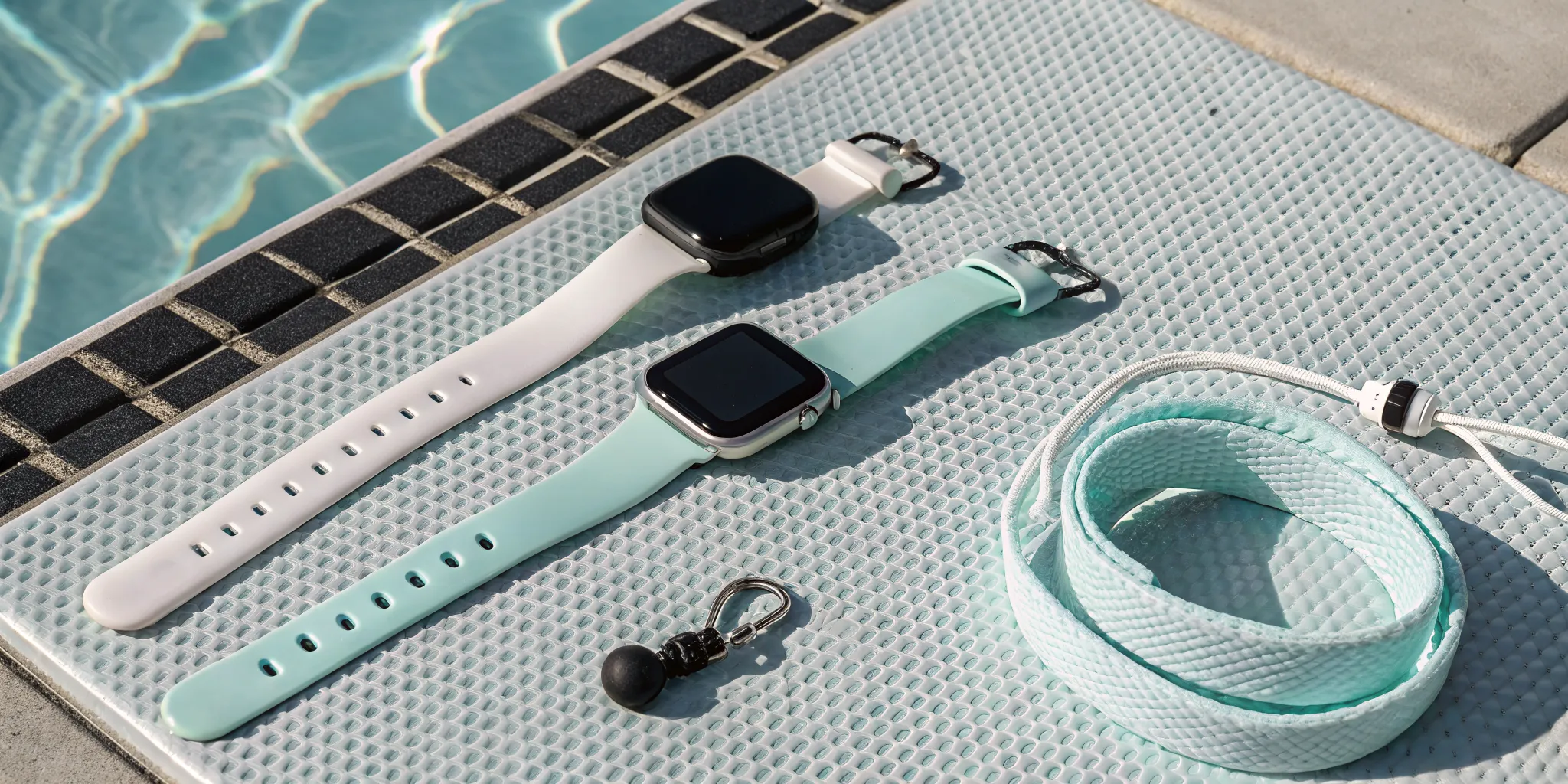
Even for the most skilled lifeguards, watching over a busy body of water is an immense challenge. Sun glare, water reflections, and unpredictable crowds can create blind spots where a swimmer in distress might go unnoticed. Drowning is often silent and can happen in seconds, making it one of the hardest emergencies to spot in real time. This is where technology can provide critical support. An anti-drowning wearable is designed to be an extra set of eyes, constantly monitoring every swimmer for signs of trouble. It doesn't get tired or distracted. Instead, it provides your team with immediate, precise alerts, empowering them to act faster and more effectively when every moment counts.
Key Takeaways
- Wearables are a support tool, not a replacement: This technology acts as an extra set of eyes for your lifeguards, providing constant monitoring to help them spot and respond to potential incidents faster.
- Evaluate systems based on your unique needs: The best wearable for your facility depends on your water environment, like its clarity and size, and the swimmers you serve, considering their age and skill levels.
- Integrate technology into a comprehensive plan: A strong safety strategy combines vigilant, well-trained lifeguards with the right technology and clear emergency protocols to create the most secure environment for everyone.
How Do Anti-Drowning Wearables Work?
Anti-drowning wearables are a category of water safety technology designed to add another layer of protection for swimmers. These devices are engineered to identify signs of distress and alert lifeguards or caregivers when someone might be in trouble. While they come in various forms, their core purpose is the same: to provide a faster response time during a potential water emergency. Think of them as a smart assistant for your aquatics team, constantly monitoring for specific risk factors so your lifeguards can act immediately.
Exploring the Different Types of Wearables
The term wearable anti-drowning device covers a range of products, each with a different approach to safety. Some of the most common types include inflatable vests or bracelets that a swimmer can manually trigger or that deploy automatically when submerged for too long. Other systems, like WAVE’s Swimmer Alert wearables, are part of a comprehensive detection network. These devices are typically worn as a headband or goggle strap and focus on detection and alerting rather than inflation. The right type for your facility depends on your specific needs, environment, and the swimmers you serve.
Understanding the Detection Technology
The technology inside these wearables is what makes them effective. Most devices use a combination of sensors to monitor a swimmer’s status. For example, some use pressure sensors to determine submersion depth and water presence sensors to confirm the swimmer is underwater. When the device detects that a swimmer has been submerged past a certain depth or for a critical amount of time, it triggers an action. For some products, this means inflating an airbag. For systems like WAVE, it means sending an immediate, precise alert to the lifeguard team. You can learn more about how our system works to see how this technology integrates directly with your safety protocols.
A Closer Look at WAVE's Swimmer Alert System
Now that we’ve covered the different types of wearables, let’s look at a specific, comprehensive system in action. The WAVE Drowning Detection System is more than just a wearable; it’s a complete safety net designed for aquatic facilities. It combines lightweight swimmer wearables with connected equipment for your lifeguard team, all managed by a central hub. This approach creates an extra layer of protection that works in tandem with your trained staff, giving them the tools to act with precision when it matters most.
The system is built to give lifeguards the specific, real-time information they need to respond effectively. Instead of replacing human supervision, it enhances it, helping your team pinpoint potential trouble spots instantly. Understanding how it works can help you see how this technology fits into a modern water safety plan, giving both your staff and your guests greater peace of mind. It bridges the gap between human vigilance and technological precision, ensuring that even in a crowded and active water environment, no swimmer goes unnoticed. The goal is to empower your team, reduce response times, and ultimately create a safer experience for everyone who visits your facility.
Get Real-Time Drowning Detection Alerts
At the heart of the system is the Swimmer Alert wearable. Each swimmer gets a small, comfortable tracker that the system monitors continuously. If a swimmer is submerged for too long, the system immediately identifies the potential danger and sends an alert. One of its biggest strengths is its versatility. It functions reliably in all kinds of water environments, from clear indoor pools to murky lakes and rivers. The technology isn't affected by water temperature, clarity, or chemicals, so you get consistent performance no matter the conditions. This real-time monitoring ensures that your team is notified at the first sign of a possible drowning, when every second is critical.
Integrate Seamlessly with Your Lifeguard Team
WAVE is designed to be a lifeguard’s best partner. It doesn't replace their skills or intuition; it supports them with precise data. When a potential drowning is detected, an alert is sent directly to the Lifeguard Alert devices worn by your staff. This tells them exactly which swimmer needs help, allowing for a faster, more targeted response. The system is also incredibly scalable. A single hub can monitor up to 300 swimmers across a 700-foot range, and you can easily add more equipment to cover larger areas or more people. This seamless integration helps your team work more efficiently, creating a stronger safety net for everyone in the water.
What Kinds of Anti-Drowning Wearables Are Available?
When you start looking into anti-drowning technology, you’ll find that wearables come in a few different shapes and sizes. Each type is designed with a specific approach to swimmer safety, and understanding the differences is the first step to finding the right fit for your facility. These devices are more than just accessories; they are active safety tools that can be integrated into your emergency preparedness plans. From vests that provide immediate buoyancy to discreet sensors that monitor a swimmer’s status, the goal is always the same: to add a crucial layer of protection in the water.
The market for wearable anti-drowning devices is expanding, giving facility managers more options than ever. The main categories you’ll encounter are inflatable vests and jackets, wrist or ankle-based sensors, and smart belts with airbag systems. Some are designed to physically assist a swimmer in distress by helping them surface, while others focus on sending an immediate alert to your lifeguard team. As you explore these options, think about your specific environment, the types of swimmers you serve, and how a wearable system would integrate with your existing safety protocols. This will help you narrow down the field and focus on the technology that makes the most sense for your needs.
Inflatable Vests and Jackets
Inflatable vests and jackets are designed to provide immediate physical support during a water incident. These wearables often use a combination of sensors, like pressure and water presence sensors, to determine if a swimmer is submerged beyond a safe depth or for too long. Once the device’s microcontroller detects a potential drowning scenario, it triggers a mechanism that inflates the vest, bringing the swimmer to the surface. This can be a literal lifesaver, especially in situations where a swimmer is unable to help themselves. The main advantage is the buoyancy they provide, but they can also be bulkier than other options, which might not be ideal for all swimmers or activities.
Wrist and Ankle-Based Sensors
For a more discreet option, many facilities look into wrist and ankle-based sensors. These devices are lightweight and far less intrusive than a vest. Some anti-drowning bracelets are inflatable, designed to help a swimmer get back to the surface, though their buoyancy is limited compared to a full vest. Other models are purely sensor-based; they don’t inflate but instead monitor for signs of distress and transmit an alert to a central hub or a lifeguard’s device. This approach keeps your safety team informed in real-time without interfering with the swimmer’s experience. It’s a popular choice for swim schools and recreational facilities where comfort is key.
Smart Belts and Airbag Systems
Smart belts represent a middle ground between the full coverage of a vest and the minimal design of a wristband. These devices are worn around the waist and contain sophisticated technology for the intelligent recognition of a drowning state. When the system detects distress, it deploys a compact airbag to provide buoyancy and help the swimmer surface. This design offers a balance of safety and freedom of movement, making it a versatile option for various water sports and activities. As a newer category of wearable technology, these systems show how innovation continues to evolve to meet the diverse needs of aquatic facilities.
How to Choose the Right Wearable for Your Facility
Selecting the right anti-drowning wearables for your facility is a critical decision that goes beyond just picking a product. It’s about creating a system that integrates with your environment, your staff, and the very people you aim to protect. With different technologies and designs on the market, it’s easy to feel overwhelmed. The best approach is to simplify the process by focusing on the two most important variables: your water environment and your swimmers. These elements will guide every other choice you make, from the type of sensor technology to the physical design of the wearable itself.
Thinking through these factors will help you find a solution that provides reliable protection without creating unnecessary friction for your guests or your team. A system that works perfectly for a clear, rectangular community pool might not be the best fit for a sprawling water park with multiple attractions. Likewise, a wearable designed for adults won't be effective if your primary visitors are young children. By carefully considering your unique needs, you can build a safety plan that truly makes a difference and gives everyone, from your lifeguards to your patrons, peace of mind. The goal is to add a layer of security that feels seamless and supportive, not complicated or intrusive.
Consider Your Water Environment: Pool vs. Open Water
The first step in choosing a wearable is to analyze your aquatic environment. A controlled, clear-water swimming pool presents different challenges than a lake or a wave pool with murky water. In a standard pool, visibility is high, but large crowds can make it difficult for lifeguards to track every swimmer. In contrast, open water or attractions with dark water surfaces make it nearly impossible to see a swimmer in distress below the surface.
A wearable anti-drowning device is designed to alert rescuers when someone is in danger, but its technology must be compatible with the environment. Some systems rely on cameras, which are less effective in low-visibility water. Others use sonar or radio frequencies that can perform well in various conditions. Consider the specific challenges of your facility, from water clarity and depth to the sheer size of the area you need to cover. The right system will be one that provides consistent, reliable detection no matter the conditions.
Factor in Swimmer Age and Skill Levels
A one-size-fits-all approach to safety wearables simply doesn’t work. The swimmers at your facility will have a wide range of ages, sizes, and abilities, and the right device must accommodate them all. Young children, for example, need wearables that are small, lightweight, and secure enough that they can’t be easily removed. Comfort is key, as an uncomfortable device is more likely to be taken off.
It’s also important to remember that even strong, confident swimmers can find themselves in unexpected trouble. That’s why choosing a system that works for everyone is so important. WAVE’s Swimmer Alert wearables, for instance, are designed to be comfortable and effective for a broad spectrum of swimmers. When evaluating options, look for adjustable fits, durable materials, and a design that doesn’t interfere with the joy of swimming. This ensures that your safety system protects your most vulnerable guests without getting in the way of the fun.
What to Look for When Comparing Wearables
Choosing the right anti-drowning wearable for your facility is a big decision. You’re not just buying a piece of technology; you’re investing in a system to support your lifeguards and protect your swimmers. As you compare your options, it’s helpful to move beyond the marketing claims and look closely at three key areas: the core technology, the physical design of the wearable itself, and what other facility managers have to say about their experience. Focusing on these aspects will help you find a reliable system that fits the unique needs of your swimmers and your aquatic environment.
Key Features and Tech Specs to Check
When you look at the technical specifications, focus on how the device actually detects a potential drowning. The most effective systems use multiple sensors to track critical data in real time. Look for wearables that monitor how long a swimmer is submerged and at what depth. This combination is what allows the technology to distinguish between normal swimming and a genuine distress event, which helps minimize false alarms. The ultimate goal of any drowning detection system is to provide your team with fast, accurate, and actionable alerts. Make sure the system you choose can instantly notify your lifeguards so they can respond immediately when every second counts.
Why Comfort, Fit, and Durability Matter
A wearable is only effective if swimmers actually wear it, and wear it correctly. That’s why comfort and fit are non-negotiable. Look for lightweight, ergonomic designs that won’t interfere with a swimmer’s movement or become a distraction. An adjustable and secure fit is essential to accommodate swimmers of all ages and sizes. Durability is just as important. These devices will be exposed to pool chemicals and constant use, so check what materials they’re made from. You’ll want a tough, waterproof construction that can withstand the daily demands of a busy aquatic facility. A well-made Swimmer Alert wearable is a reliable tool, but remember it’s part of a larger safety strategy, not a standalone solution.
How to Read Customer Reviews Effectively
Customer reviews and testimonials offer a window into how a system performs in the real world. When reading them, try to look past the simple star ratings. Seek out reviews from facilities that are similar to yours, whether it’s a community pool, a summer camp, or a large water park. Pay close attention to what managers and safety directors say about the system’s reliability, ease of use, and the quality of customer support they received. Honest testimonials often highlight how a system integrates with their existing safety protocols and whether it truly enhances their team’s ability to watch over the water. This feedback can give you confidence that you’re choosing a trusted partner in water safety.
Understanding the Cost of Anti-Drowning Systems
Let's talk about the numbers. When you're managing an aquatic facility, the budget is always a top consideration, and the price of a drowning detection system can seem like a significant line item. But it’s more accurate to think of it as a critical investment in safety and operational excellence. The cost isn't just a single number; it reflects the technology, scale, and support that come with creating a safer swimming environment. Some systems might have a higher upfront cost for hardware, while others may use a subscription model, so it's important to look at the total cost of ownership over several years.
Understanding what goes into the pricing helps you see the full picture. You're not just buying wearables; you're investing in a comprehensive safety net that supports your lifeguards, protects your swimmers, and strengthens your facility's reputation. The initial cost is one piece of the puzzle, but the long-term value it brings in terms of safety, efficiency, and peace of mind is where the real return lies. When you evaluate different options, it's helpful to break down the factors that influence the price and consider the lasting benefits for your community. This approach allows you to make a choice that fits both your budget and your commitment to water safety.
What Influences the Price?
The cost of an anti-drowning system varies based on a few key factors. First, the technology itself plays a big role. Systems with more advanced features, like real-time tracking and multi-layered alerts, will naturally have a different price point than simpler devices. The size of your facility and the number of swimmers you need to protect also directly affect the cost. A large water park will require a more extensive setup than a single community pool.
The price also includes all the necessary components, from the Swimmer Alert wearables to the central hub and Lifeguard Alert equipment. Finally, the market for this technology is growing quickly, with the global Anti-Drowning Systems market expanding as more facilities recognize its importance. This growth fuels innovation and influences the overall pricing structure.
Thinking in Terms of Long-Term Value
Looking beyond the initial price tag helps clarify the true value of a drowning detection system. The most important return is, of course, the enhanced safety at your facility. By providing an extra layer of protection, these systems reduce risk and offer invaluable peace of mind to staff and visitors alike. This commitment to safety also builds trust and confidence within your community, strengthening your reputation as a responsible operator.
Investing in a system like the WAVE GUARDian is also an investment in your team. It equips your lifeguards with powerful tools that help them perform their duties more effectively, reducing the potential for human error in crowded or challenging conditions. It’s a long-term strategy for creating a more reliable and secure aquatic environment for everyone.
What Are the Limitations of This Technology?
Anti-drowning wearables are a game-changer for water safety, but it’s important to have a clear picture of what they do. This technology is designed to add a powerful layer of protection to your facility, not to be a standalone fix. Thinking of any device as a foolproof guarantee can create a false sense of security, which is the last thing anyone wants in a water environment. The most effective safety plans use technology to support and enhance human supervision, not replace it.
Understanding the boundaries of this technology helps you integrate it properly. These systems are incredible at detecting signs of distress that the human eye might miss, but they are just one piece of the puzzle. Your lifeguards, emergency action plans, and facility rules are the other essential components. When you combine the vigilance of your trained staff with the constant monitoring of a system like WAVE, you create a much stronger and more reliable safety net for every person in the water.
Debunking Common Myths
One of the biggest myths is that an anti-drowning wearable is a "miracle solution" that makes swimmers immune to risk. This simply isn't true. These devices are sophisticated tools that significantly improve safety, but they don't eliminate the need for standard water safety practices. For example, WAVE’s Swimmer Alert wearables are designed to be part of a comprehensive system that alerts staff to potential trouble. They are an extra set of eyes, providing critical data to your team. True water safety comes from combining this technology with attentive supervision and clear protocols.
Why Wearables Support, Not Replace, Lifeguards
Your lifeguards are your first line of defense, but they’re also human. They face challenges like sun glare, water reflections, blind spots, and simple distractions that can happen in a busy aquatic facility. Drowning is often silent and happens in seconds, making it incredibly difficult to spot, even for the most highly trained professionals. This is where technology provides crucial support. A drowning detection system works around the clock, monitoring every swimmer without getting tired or distracted. When a WAVE system detects a potential incident, it instantly sends an alert to your team, pointing them to the exact location so they can respond immediately.
Are Wearables a Smart Investment for Your Facility?
Deciding to add new technology to your facility is a big step, and it’s smart to ask if it’s truly worth the investment. When it comes to anti-drowning wearables, the answer is a resounding yes, provided they are part of a comprehensive safety strategy. Think of these devices not as a standalone fix, but as a powerful layer of protection that supports your existing protocols. A wearable anti-drowning device is a life-saving innovation designed to detect distress and alert rescuers when a swimmer is in danger, giving your team a critical advantage.
Integrating wearables into your safety plan can significantly enhance operational reliability and build confidence among your patrons. Parents and swimmers feel more secure knowing there’s an extra set of eyes on them, one that works tirelessly beneath the surface. This technology complements the skills of your lifeguards, helping to cover blind spots and monitor every swimmer simultaneously. When you combine vigilant human supervision with precise technology, you create a much safer environment. WAVE’s GUARDian system is designed to do just that, creating a seamless network of protection that empowers your staff and protects your guests.
Set Realistic Expectations for Your Program
It’s important to be clear about what anti-drowning wearables can and cannot do. These devices are an incredible tool for reinforcing water safety, but they are not a miracle solution. Technology is there to support your trained staff, not replace them. The most effective safety programs recognize that wearables are one component of a much larger strategy. They provide invaluable alerts that can draw a lifeguard’s attention to a potential incident faster than the human eye alone might, but they don’t eliminate the need for attentive supervision. By setting realistic expectations, you can successfully integrate a system like the Swimmer Alert to assist your team and add a crucial layer of defense against drowning.
How to Build a Complete Water Safety Plan
A truly effective water safety plan is multi-faceted. It starts with your people: well-trained, certified lifeguards who are alert and prepared. From there, you need clear rules, consistent enforcement, and regular emergency drills. Technology is the next essential piece of the puzzle. Choosing the right wearable is key, as the needs of young children or weaker swimmers are different from those of confident adults. A complete plan integrates human expertise with technological support to create a scalable and cost-effective drowning prevention solution. When you’re ready to see how technology can fit into your facility’s plan, getting started is a straightforward process that can redefine safety for your swimmers.
Related Articles
- Drowning Prevention Systems by WAVE
- WAVE Drowning Detection System
- The Complete Guide to Choosing the Right Drowning Prevention System
- Lifeguard Equipment for Saving Lives
- We Use Technology to Save Lives Everywhere - Why Not in Pools?
Frequently Asked Questions
How is the WAVE system different from inflatable anti-drowning devices? The main difference is the approach to safety. Inflatable devices, like some vests or bracelets, are designed to physically bring a swimmer to the surface by deploying an airbag. The WAVE system focuses on detection and communication. Our Swimmer Alert wearables monitor for signs of distress and, if a potential issue is detected, send an immediate and precise alert to your lifeguard team so they can initiate a rescue. It's about empowering your staff with information, not just providing buoyancy.
Can this technology replace the need for lifeguards? Absolutely not. This technology is a powerful tool designed to support your lifeguards, not replace them. Think of it as an extra set of eyes that can see what a human might miss due to glare, water conditions, or distractions. The system provides critical alerts that help your team respond faster and more accurately, but your trained and vigilant staff remain the most important part of your safety plan.
Will the system work in my facility's specific water conditions, like a murky lake or a busy wave pool? Yes, that's one of its key strengths. The WAVE system is designed to perform reliably in all kinds of water environments, including clear pools, dark water attractions, and even murky lakes. The technology does not depend on water clarity, temperature, or chemicals to function effectively, so you get consistent monitoring no matter the conditions at your facility.
What happens if a swimmer removes their wearable in the water? This is a great practical question. The system is designed to recognize when a wearable is no longer on a swimmer. If a Swimmer Alert tracker is removed and left floating or sinks to the bottom of the pool, the system will register this and can notify your staff. This ensures the device doesn't trigger a false alarm and helps your team keep track of the equipment.
Is the system difficult for my staff and swimmers to learn and use? We designed the system to be straightforward and integrate smoothly into your daily operations. For swimmers, the wearables are lightweight, comfortable, and simple to put on. For your staff, the Lifeguard Alert equipment is intuitive, providing clear and direct notifications that require minimal training to understand. The goal is to enhance your safety protocols without adding unnecessary complexity for your team or your guests.
