
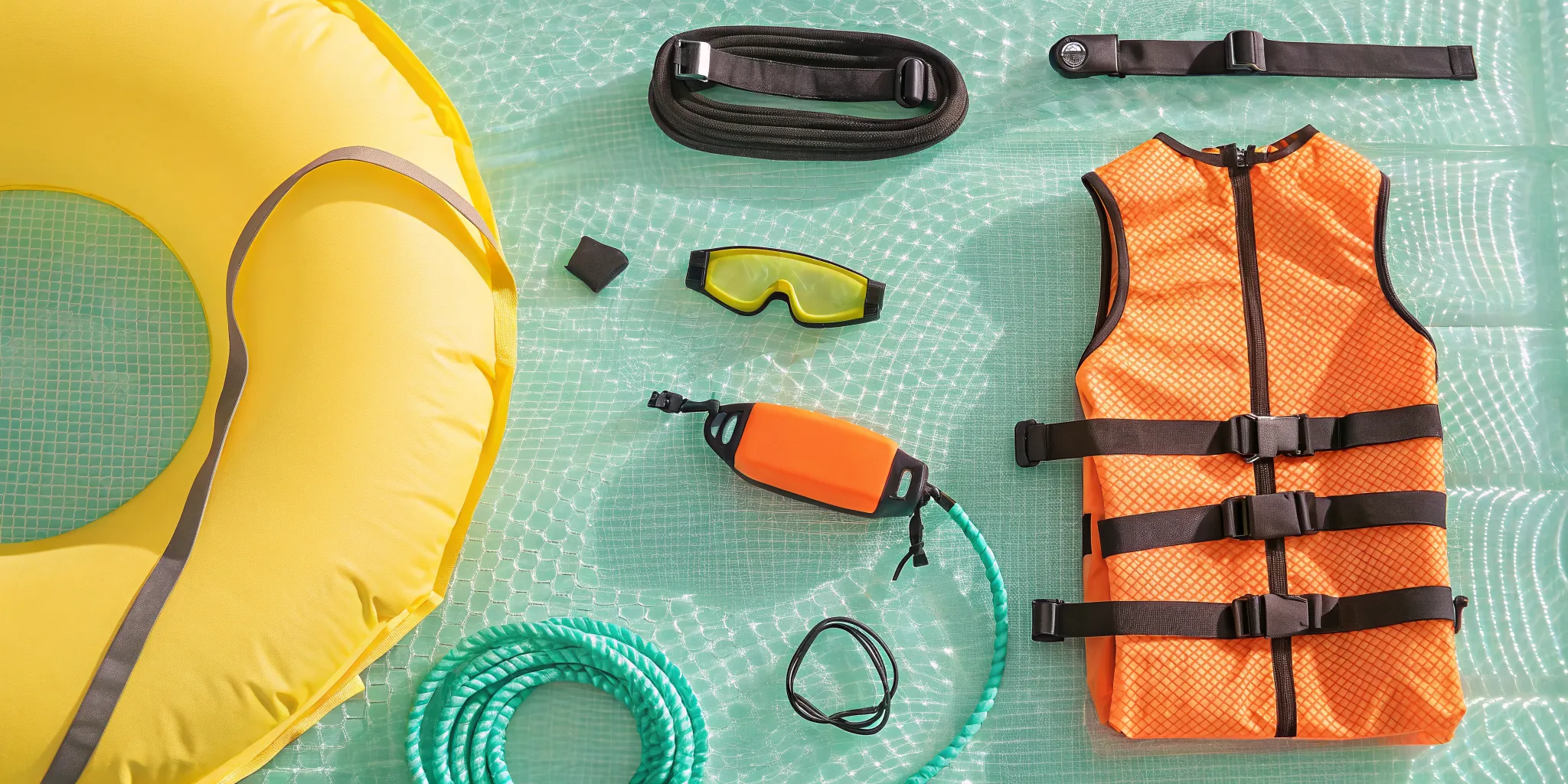
A swimmer safety wearable isn't just a high-tech life jacket. While traditional flotation devices are crucial for staying afloat, they're passive tools. A modern safety wearable is an active detection device. It uses advanced technology to monitor a swimmer and, more importantly, alert your staff when it detects specific signs of distress. Think of it as an intelligent alarm system for every person in the water. For any facility manager, understanding this core difference is crucial. You are investing in a system that provides data, directs your team, and enables a faster, more targeted emergency response.
Key Takeaways
- Focus on active detection, not just flotation: While life jackets provide essential buoyancy, modern safety wearables actively monitor for signs of distress like prolonged submersion, enabling a much faster and more targeted response from your team.
- A complete system is better than a standalone gadget: An effective solution integrates wearables with a central hub and direct lifeguard alerts, creating a reliable communication network that instantly directs your staff to a swimmer's exact location.
- Evaluate features based on your real-world needs: When choosing a system, consider key factors like comfort, durability, and battery life to ensure you select a practical tool that fits your specific aquatic environment and will be used consistently.
The Unseen Risks of Drowning
Understanding the true nature of drowning is the first step toward building a stronger safety plan. The dramatic scenes we see in movies, with loud splashing and cries for help, are a dangerous misconception. In reality, the signs of a swimmer in distress are often subtle and easily missed, even by the most attentive eyes. This is because the act of drowning is a silent and swift event that can unfold in seconds. Recognizing these hidden dangers is crucial for any facility committed to providing the highest level of protection for every person in the water.
Why Drowning Is Often Silent
When someone is drowning, their body is fighting for air, and they are physically unable to call out for help. The Instinctive Drowning Response takes over, leaving the person upright in the water with their head tilted back, trying to keep their mouth above the surface. From a distance, it can look like they are simply treading water or playing. Drowning often happens silently and quickly, making it incredibly difficult to spot. Because these signs are so subtle, precious seconds can be lost. An active detection system is designed to monitor for these specific underwater signs of distress, providing an essential layer of protection that goes beyond what the human eye can see.
The Limits of Human Supervision
Your lifeguards are highly trained professionals and the cornerstone of your facility's safety. However, even the best lifeguards face significant challenges in a busy aquatic environment. Factors like sun glare on the water's surface, noise, and inevitable blind spots can create momentary gaps in surveillance. It's a sobering fact that many drownings occur in lifeguarded waters, which highlights the inherent limits of relying on human supervision alone. A single person simply cannot watch every swimmer, in every part of the facility, at all times. Technology helps lifeguards; it doesn't replace them. By providing immediate real-time alerts, a detection system acts as a vital partner, empowering your team to respond faster and more effectively when it matters most.
What Is a Swimmer Safety Wearable?
A swimmer safety wearable is a device worn by a person in the water to add an extra layer of protection against drowning. Think of it as a smart, vigilant partner for lifeguards and supervisors. These devices, which often come as lightweight headbands, clips, or wristbands, are designed to monitor a swimmer’s status and signal for help if they get into trouble. Unlike traditional life jackets that rely on passive buoyancy, these wearables actively track a swimmer's movement and submersion time.
The core purpose of a safety wearable is to detect the early signs of drowning, which can be silent and happen in seconds. By identifying a potential incident before it becomes critical, these systems give lifeguards and staff the crucial time needed to respond effectively. They are an essential component of a modern, technology-driven approach to aquatic safety. An integrated system provides a comprehensive safety net that supports human supervision, especially in busy or crowded aquatic environments. These tools don't replace the need for attentive lifeguards; instead, they enhance their abilities, allowing them to monitor every swimmer with greater precision and confidence.
How They Spot Trouble and Call for Help
The technology behind swimmer safety wearables is focused on one key indicator: submersion time. Drowning is often a quiet event where a person slips underwater, unable to call for help. These devices use sensors to track whether a swimmer has been submerged for too long. When a wearable detects that a swimmer has passed a preset time limit underwater, it automatically sends a wireless alert. This signal is transmitted to a central hub and then relayed directly to a lifeguard alert device, often a pager or smartwatch. The alert provides the swimmer's exact location, allowing for an immediate and targeted rescue. This system of detection and notification is what makes early intervention possible, turning a potentially tragic event into a successful rescue.
A Look at Different Safety Wearable Styles
Swimmer safety wearables come in a few different forms, each designed to be unobtrusive and comfortable for the swimmer. The most common types are headbands, clips that attach to goggle straps or swimsuits, and wristbands. Each style is lightweight and designed to not interfere with swimming. Beyond detection systems, the broader category of swim aids and safety devices also includes personal flotation wearables, which can be manually activated to inflate and help a swimmer stay afloat. However, for facility-wide safety, detection-and-alert systems are the professional standard. These advanced systems are built to provide continuous, automated monitoring for every person in the water, creating a reliable safety network.
The Three Main Types of Swim Safety Technology
When you're looking at swimmer safety technology, it helps to think of it in three main parts that work together. First, you have the personal wearables, which are the devices swimmers wear, like headbands or clips. These track how long an individual is underwater and send an alert if they exceed a safe time limit. Second is the facility-wide system, which acts as the brain of the operation. This central hub monitors the entire swimming area, receives signals from the wearables, and ensures that alerts are sent instantly. Finally, there's the smart aquatic equipment—the tools your team uses. This includes the lifeguard alert devices that receive notifications, directing your staff to the exact location of a swimmer in distress. A truly effective safety plan doesn't just use one of these components; it integrates all three to create a seamless, responsive network.
Must-Have Features for a Swimmer Safety Wearable
When you’re ready to add a layer of technological safety to your facility, it’s important to know what separates a good swimmer wearable from a great one. Not all devices are created equal, and the right features can make a significant difference in an emergency. The goal is to find a wearable that swimmers will actually use and that provides reliable, immediate information to your staff.
Think about the daily reality of your aquatic environment. You need a system that is robust, easy for your team to manage, and comfortable for your guests. The best systems integrate seamlessly into your existing safety protocols, acting as a vigilant partner for your lifeguards. As you compare your options, focus on four critical areas: how the device functions in an emergency, its alert capabilities, its design and comfort, and its overall durability and power management. These factors will determine how effective and practical the wearable is for your specific needs.
Does It Offer Buoyancy or Inflation?
When people think of water safety devices, they often picture something that floats. Some consumer-grade wearables are designed to inflate manually or automatically, providing buoyancy to help a swimmer stay at the surface. While this can be helpful, professional-grade systems often take a different approach.
Instead of focusing on flotation, advanced systems prioritize early detection. For example, WAVE’s lightweight Swimmer Alert wearables are used to determine if a swimmer is at risk from prolonged submersion. This strategy is about providing your lifeguards with critical information the moment a swimmer is in potential distress, allowing them to intervene immediately. The focus shifts from post-incident support to proactive, real-time prevention.
The Importance of Instant Alerts and Monitoring
In a water emergency, seconds count. That’s why the single most important feature of a safety wearable is its ability to monitor swimmers and send alerts in real time. A system with a delay is a system you can’t fully rely on. Look for technology that provides constant, up-to-the-second tracking for every swimmer.
The best systems offer a continuous connection. WAVE wearables, for instance, communicate wirelessly with the main hub twice every second. This constant stream of data allows the GUARDian System to accurately determine how long a swimmer’s face is fully submerged and to trigger an immediate alert. This level of precision gives your safety team the information they need to act decisively and quickly in any type of water, from clear pools to murky open water.
Finding a Comfortable Fit That Allows Movement
A safety wearable is only effective if people wear it. If a device is bulky, heavy, or irritating, swimmers are less likely to keep it on, which defeats the purpose entirely. The best wearables are designed with the user experience in mind, ensuring they don't interfere with the fun and freedom of swimming.
Look for a device that is lightweight, streamlined, and secure. It should allow for a full range of motion so swimmers of all ages and abilities can kick, paddle, and play without feeling restricted. A comfortable, ergonomic design encourages compliance and ensures that your safety measures are always in place. The goal is for swimmers to forget they’re even wearing it, while your staff can rest assured that it’s working.
Checking for Durability and a Long Battery Life
An aquatic facility is a demanding environment. Any equipment you use must be built to withstand constant exposure to water, chemicals, and the general wear and tear of daily use. A swimmer safety wearable should be waterproof, tough, and resilient enough to handle active swimmers day in and day out.
Equally important is the device’s battery life. A system that requires constant charging creates extra work for your staff and introduces potential downtime. Look for wearables with a long battery life, ideally one that can last for several days on a single charge. For example, some professional products offer a battery life of 48 to 72 hours, ensuring they are always operational during your facility’s hours and minimizing the daily management burden on your team.
Wearables vs. Life Jackets: What's the Difference?
When it comes to water safety, both swimmer wearables and traditional life jackets play important roles, but they are not interchangeable. Think of it this way: a life jacket is designed to keep you afloat, while a swimmer wearable is designed to detect distress and call for help. The first is a passive buoyancy aid, and the second is an active detection tool. Understanding this core difference is the first step in building a comprehensive safety plan for your facility.
A traditional life jacket, or personal flotation device (PFD), is essential for activities like boating or for weak swimmers in any body of water. Its primary job is to provide buoyancy. On the other hand, a swimmer wearable is part of a larger system that actively monitors a swimmer’s status. For example, WAVE’s Swimmer Alert wearables track submersion time and send an immediate alert to lifeguards if a swimmer is underwater for too long. The best choice depends entirely on the environment, the activity, and your specific safety goals. For many aquatic facilities, these tools don't compete; they complement each other to create multiple layers of protection.
Which Device Offers More Freedom of Movement?
One of the most common complaints about traditional life jackets is that they can be bulky, restrictive, and uncomfortable. This discomfort can lead to swimmers taking them off or not wearing them properly, which completely defeats their purpose. Swimmer wearables are designed to solve this problem. They are typically lightweight, low-profile, and worn on the head or neck, allowing for a full range of motion. This streamlined design means swimmers often forget they’re even wearing one, which dramatically increases the chances they’ll keep it on. When a safety device is comfortable, compliance goes up, and so does safety.
Detection vs. Flotation: What Each Device Does Best
A life jacket’s function is simple: it helps you float. Its effectiveness, however, depends entirely on being worn correctly and being the right size for the wearer. It can’t tell you if someone is in distress, only that they are more likely to stay at the surface if they are. A swimmer wearable offers a different kind of protection. It uses technology to actively monitor for signs of drowning. The WAVE system, for instance, uses its lightweight wearables to determine if a swimmer has been submerged for a dangerous amount of time. This technology provides a specific, data-driven alert that directs lifeguards to the exact location of a potential incident, something a life jacket simply cannot do.
When to Choose a Wearable (and When to Use a Life Jacket)
So, when should you use one over the other? Life jackets are non-negotiable for boating and are a critical safety tool for non-swimmers or weak swimmers, especially in open or murky water where visibility is low. They are a fundamental piece of safety equipment. Swimmer wearables, however, are best described as swimming aids designed to enhance safety in monitored environments like pools and water parks. They are not a substitute for a life jacket or a lifeguard. Instead, they function as an extra layer of surveillance, supporting the vigilance of your staff. The WAVE system is built to empower lifeguards, giving them an extra set of eyes on every single swimmer.
What Makes a Quality Swimmer Safety System?
A single safety device can be helpful, but a truly effective solution is more than just one piece of equipment. A quality swimmer safety system combines multiple technologies to create a comprehensive safety net. Instead of relying on one point of failure, these systems integrate wearables, central monitoring hubs, and direct alerts for staff to ensure every swimmer is accounted for in real time. This layered approach provides a much higher degree of protection for swimmers and gives lifeguards the support they need to respond effectively when seconds count.
The best systems are designed to be reliable, easy to use, and seamlessly integrated into a facility’s existing safety protocols. They don’t replace lifeguards; they support them with accurate, immediate data. When a wearable detects a potential issue, it instantly communicates with a central hub, which then alerts the on-duty staff. This combination of constant monitoring and clear communication is what sets a professional-grade system apart from a standalone consumer gadget. It creates an environment where technology and trained personnel work together to keep everyone in the water safe, improving response times and overall awareness for the entire aquatics team.
How the WAVE Swimmer Alert System Works
The foundation of a modern safety system often starts with the device worn by the swimmer. WAVE’s Swimmer Alert wearables are a great example of this technology in action. These lightweight devices are designed specifically for swimmers to wear without restricting movement. Their core function is to determine if a swimmer is at risk of drowning from prolonged submersion. To do this, the wearables communicate wirelessly with the central system twice every second. This constant stream of data allows the system to accurately track how long a swimmer's face is fully submerged and identify a potential distress situation the moment it happens.
Why an Integrated System Matters for Safety
A wearable is only as good as the system it connects to. This is where integration becomes critical. A standalone device might sound an alarm, but who hears it? A truly integrated system ensures the right people get the right information instantly. The WAVE system, for example, works directly with facility lifeguards to monitor every swimmer in real time. When a Swimmer Alert wearable detects a potential drowning risk, it doesn’t just make a noise. It sends a signal to the GUARDian Hub, which then notifies lifeguards through their own alert equipment, pointing them to the exact location of the swimmer in distress. This creates a direct line of communication from the swimmer to their rescuer.
What Makes a Wearable Professional-Grade?
What separates a professional-grade system from a basic consumer device? It comes down to reliability, deployment, and a focus on supporting staff. A professional system is built to be a dependable and affordable solution that dramatically reduces the risk of drowning in a busy aquatic environment. Beyond just monitoring swimmers, top-tier systems also incorporate tools for the safety team. For instance, WAVE includes alerts for lifeguards that can be triggered automatically if a guard enters the water for a rescue. This feature ensures that the entire team is aware of an active situation, allowing for better coordination and backup support when it’s needed most.
Customizable Settings for Different Swimming Abilities
Not every swimmer is the same, so your safety system shouldn't treat them that way. A one-size-fits-all approach to submersion alerts can lead to false alarms or, worse, delayed responses. A truly professional-grade system allows you to tailor its settings to match the skill level of each individual swimmer. For instance, a toddler or a new swimmer who is just getting comfortable in the water will have a very different and much shorter safe submersion time than a competitive swimmer practicing their underwater form. The ability to adjust these thresholds is a critical feature. It ensures that the alerts your team receives are relevant and accurate, allowing them to focus on genuine situations that require their attention. This level of customization makes the technology a smarter, more effective partner for your lifeguards.
Why Industry Recognition Matters
When you’re investing in a system designed to save lives, trust is everything. But how do you know if a technology is truly reliable? This is where industry recognition comes in. Awards and accolades from respected organizations aren't just for show; they are a powerful indicator that a product has been tested, vetted, and proven to be effective by experts in the field. For example, the WAVE system has been recognized with awards like 'Most Valuable Product' from Aquatics International magazine and named a 'World Changing Idea' by Fast Company. This kind of validation, combined with patented designs, demonstrates a commitment to innovation and excellence. Choosing a system with a proven track record gives you confidence that you’re implementing a solution that sets a new standard in water safety.
What Real Users Say About Swimmer Safety Wearables
When you’re choosing safety equipment, technical specifications only tell part of the story. The real test comes from daily use in busy aquatic environments. Feedback from facility managers, lifeguards, and swimmers provides the most valuable insights into how a wearable performs when it truly matters. User experiences highlight what works, what doesn’t, and what you should realistically expect from your investment. From reliability in a crowded pool to how comfortable a device is to wear for an entire afternoon, these real-world perspectives are critical for making an informed decision that keeps your community safe.
Do They Really Work? A Look at Reliability
In an emergency, reliability is non-negotiable. The best swimmer safety wearables are those that provide consistent, accurate monitoring without fail. Users often praise systems that offer real-time tracking, as this is key to a rapid response. For example, WAVE is often described as an "innovative wireless real-time swimmer tracking system" because its wearables communicate with the central hub twice every second. This constant connection allows the system to accurately determine how long a swimmer’s face is submerged and alert staff to potential danger. This level of performance is why many facilities consider it a truly dependable solution that dramatically reduces the risk of drowning.
Why Comfort and Simplicity Are Non-Negotiable
A safety device is only effective if people actually wear it. That’s why comfort and a user-friendly design are so important. If a wearable is bulky, heavy, or irritating, swimmers are less likely to keep it on, which completely undermines its purpose. Users consistently favor lightweight, unobtrusive designs that don't interfere with their movement in the water. WAVE, for instance, uses lightweight wireless wearables that are designed for comfort during prolonged use. For facility staff, ease of deployment is just as crucial. A system that is simple to set up and manage ensures it will be used correctly and consistently every single day.
What a Wearable Can (and Can't) Do for You
Experienced aquatic professionals understand that technology is a powerful tool, not a replacement for human vigilance. One of the most persistent water safety myths is that strong swimmers don’t need supervision, but the truth is that anyone can find themselves in distress. Safety wearables are there to support lifeguards by providing an extra layer of protection for every single swimmer. It’s also important to remember that, like a life jacket, a wearable must be used correctly to be effective. Setting realistic expectations means viewing these devices as a critical component of a comprehensive safety strategy that includes well-trained staff, clear rules, and swimmer education.
The Cost of Safety: A Buyer's Guide
When you're ready to purchase safety wearables, you're making a direct investment in the well-being of your swimmers. The cost is more than just a number; it represents peace of mind and an added layer of protection for your facility. Understanding the purchasing process, from where you buy to what you should expect to pay, helps you make a confident and informed decision. It’s about finding the right balance between your budget and the specific safety features your aquatic environment requires.
Thinking through the financial aspects ensures you get the best possible value and support for your safety system. This includes considering the initial purchase price, potential subscription fees for monitoring services, and the long-term costs of maintenance and replacement parts. For facilities looking to implement a complete solution, it's helpful to get started with a clear plan that outlines all associated costs. By viewing this as a critical operational investment rather than just an equipment purchase, you can better advocate for the resources needed to create the safest environment possible. This approach helps you move beyond comparing simple price tags and instead focus on the total value a system brings to your safety protocols and operational efficiency.
Should You Buy Direct or From a Retailer?
Deciding where to buy your safety equipment is a key first step. Large online retailers can be a great option, as they often carry a wide selection of swim aids and safety devices and may offer perks like free shipping on larger orders. This can be convenient if you’re buying multiple items at once. On the other hand, purchasing directly from a specialized manufacturer like WAVE gives you access to expert knowledge, dedicated customer support, and the assurance that you’re getting a system perfectly tailored to your facility’s needs. Direct purchasing often simplifies the process for getting customized quotes and understanding the technology inside and out.
Breaking Down the Price Range and Value
Swimmer safety wearables come in a range of prices, depending on their features and technology. For individual use, you might find a device like the Kingii Wearable, a compact inflatable that retails for around $80. This price reflects its specific function as a personal, recreational safety tool. For professional aquatic facilities, the value comes from an integrated system where wearables work together with a central hub and lifeguard alerts. The investment is higher because the system provides comprehensive, facility-wide monitoring. This shifts the focus from a single device's price to the overall value of reliable, multi-layered safety products that protect every swimmer in your care.
Considering the Total Cost of Ownership
When you're budgeting for a new safety system, it’s easy to focus on the initial price tag. But to get a true picture of the investment, it’s important to consider the total cost of ownership. This includes the upfront cost of the hardware, but also any ongoing expenses like software subscriptions, routine maintenance, and the eventual need to replace wearables after a few seasons of heavy use. Planning for these long-term costs from the beginning helps you make a sustainable choice and ensures there are no surprises down the road.
Ultimately, this isn't just another equipment purchase—it's a fundamental investment in your facility's operational safety. Viewing it this way can help you advocate for the resources needed to build the most secure environment for your guests and staff. The goal is to find a solution that balances your budget with the critical safety features your facility needs. By focusing on the long-term value and reliability of a comprehensive system, you’re choosing a partner in safety that strengthens your entire operation.
Don't Forget to Check the Warranty and Support
A product’s warranty is a strong indicator of its quality and the manufacturer's confidence in its durability. For example, a personal device like the Kingii comes with a 2-year warranty, giving the user assurance for a reasonable amount of time. When you’re outfitting an entire facility, long-term support becomes even more critical. Look for companies that offer comprehensive warranties, accessible technical support, and clear maintenance guidelines. This ongoing relationship ensures your system remains effective and reliable for years to come. A strong support system is just as important as the technology itself, providing the backup you need to manage your facility’s safety with confidence.
How to Choose the Right Swimmer Safety Wearable
Finding the perfect swimmer safety wearable means looking beyond a single feature and considering the bigger picture. The right device for a solo open-water swimmer is very different from what a bustling community pool or water park needs. To make the best choice, you need to think about your specific environment, your safety objectives, and your budget. By breaking down these key areas, you can confidently select a wearable that provides the right kind of protection for your swimmers.
First, Consider Your Swimming Environment
First, consider where the wearable will be used. Are you responsible for a clear, indoor lap pool, or a large, murky lake? The environment plays a huge role in a device's effectiveness. Some systems are designed only for clear water, while others offer more flexibility. For example, the WAVE system is built to function in all types of water, from pools and water parks to lakes and rivers. Think about the unique challenges of your facility, like water clarity, size, and the number of swimmers you need to monitor. This will help you narrow down your options to those that can perform reliably in your specific setting.
What Are Your Top Safety Priorities?
Next, align the wearable’s features with what you want to achieve. Are you looking for a personal flotation device or a comprehensive detection system? Some wearables are designed to inflate and help a single person stay afloat. Others use AI to trigger a buoyancy system if a swimmer is in trouble. A more advanced solution, like WAVE’s Swimmer Alert wearables, focuses on detecting prolonged submersion and sending immediate alerts to lifeguards. Your primary safety goal, whether it's providing an individual safety net or creating a facility-wide monitoring network, will determine which features are most important.
How to Find a Device That Fits Your Budget
Finally, think about the cost as a long-term investment in safety. A personal safety wearable might cost under a hundred dollars, offering a basic level of protection with features like a compass or whistle. However, for an aquatic facility, the goal is a robust, professional-grade system. While the initial cost for a comprehensive system is higher, it provides a sophisticated layer of protection designed to save lives in critical situations. View the purchase not just as an expense, but as an essential investment in the well-being of every person in your water.
Evaluating Ease of Use and Installation
A safety system, no matter how advanced, is only effective if your staff can manage it easily every day. When comparing your options, consider the daily setup and deployment. A system that is simple to install and manage is one that will be used correctly and consistently—the cornerstone of reliable safety. The best technology should integrate seamlessly into your existing protocols, supporting your lifeguards instead of adding another complex task to their duties. The goal is to find a solution that feels like a natural extension of your safety plan, not a burden, so your team can focus on what matters most: watching the water.
Related Articles
- Lifeguard Equipment for Saving Lives
- Drowning Prevention Systems by WAVE
- WAVE Drowning Detection System
- Why Aren’t We Using Life-Saving Tech in Pools?
- We Use Technology to Save Lives Everywhere - Why Not in Pools?
Frequently Asked Questions
Do these swimmer wearables replace my lifeguards? Not at all. Think of a swimmer safety system as a powerful tool that supports your lifeguards, not a replacement for them. The technology acts as an extra set of eyes, constantly monitoring every swimmer for specific signs of distress. This allows your highly trained staff to focus their attention and respond with greater speed and accuracy when an alert is triggered, making their jobs more effective.
How does the system know if a swimmer is just playing underwater versus actually being in distress? The system focuses on a key, objective indicator of drowning risk: prolonged submersion. It isn't designed to interpret a swimmer's intentions. Instead, it tracks how long a swimmer's wearable is underwater. If a swimmer surpasses a preset, safe time limit, the system automatically sends an alert to your staff. This data-driven approach removes guesswork and allows for immediate intervention in a potential emergency.
Are the wearables comfortable, and will swimmers actually keep them on? Yes, they are designed specifically for comfort and mobility. A safety device only works if it's worn, so professional-grade wearables are lightweight, streamlined, and secure. They allow for a full range of motion, so swimmers can play and move freely without feeling restricted. The goal is for the device to be so unobtrusive that swimmers forget they are even wearing it, which ensures consistent use and protection.
Can this system be used in different water conditions, like cloudy water or a crowded wave pool? Absolutely. This is a major advantage of a system like WAVE. Unlike camera-based systems that rely on clear visibility, this technology uses wireless signals to communicate between the wearable and the central hub. This means it performs reliably in all types of water, including murky lakes, busy wave pools, and crowded swimming areas where a lifeguard’s line of sight might be obstructed.
What's the real difference between a professional system and a single wearable I can buy online? The main difference is integration and scale. A single consumer wearable is a standalone device, often designed for personal flotation or a simple alarm. A professional system is a complete safety network. It includes wearables for every swimmer, a central hub that processes real-time data, and alert devices that notify your entire safety team instantly with a swimmer's exact location. It’s the difference between a personal safety gadget and a comprehensive, facility-wide safety solution.
