
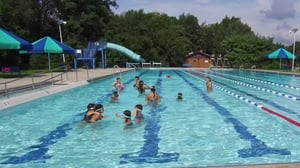
Safety standards are always evolving. Just as cars now come standard with features that were once considered futuristic, aquatic safety is entering a new era. For decades, the industry has relied on the same core principles of human supervision. While essential, this approach has inherent limitations that technology can now address. A drowning prevention system is the next logical step, offering automated detection that supports your staff and reduces risk. It’s about using innovation to solve an age-old problem. Let’s walk through the key features and considerations for bringing this advanced layer of protection to your facility.
Every aquatic facility has one responsibility that rises above all others: protecting lives.
And while trained staff, strong protocols, and safety signage are critical, they’re no longer enough on their own.
Today’s drowning prevention systems (DPS) add a vital layer of backup—supporting lifeguards in real time and helping facilities reduce risk where seconds count the most.
But not all DPS solutions are the same.
Here’s how to choose the right one for your aquatic center.
The Reality of Drowning: Why Every Second Counts
To appreciate the value of a drowning prevention system, it’s important to understand the stark reality of what can happen in the water. Drowning is not like what we see in movies—there’s often no dramatic splashing or cries for help. It’s a swift and silent event that can occur in crowded and supervised pools, making it incredibly difficult for even the most attentive lifeguards to spot. The data surrounding drowning incidents highlights the urgent need for multiple layers of protection. For any aquatic facility, from community centers to large water parks, acknowledging these facts is the first step toward creating a truly secure environment for every guest.
Understanding the Statistics
The numbers surrounding water safety are sobering. According to the CDC, "Drowning is a big problem that can be stopped. More children aged 1 to 4 die from drowning than from any other cause." While your facility may cater to all ages, this statistic underscores the vulnerability of young swimmers and the immense responsibility placed on your staff. Every person who enters your facility trusts that you have taken every possible precaution to ensure their safety. Relying on human vigilance alone leaves room for error, as blind spots, glare, and distractions are unavoidable. This is where technology can provide critical support, offering an unwavering eye that helps your team protect everyone in the water.
The Silent Nature of Drowning
One of the most dangerous misconceptions about drowning is that a person in distress will be able to signal for help. In reality, the opposite is true. The CDC notes that "Drowning happens very fast, in just seconds, and it's often silent." During the process, a person’s body is focused on the physiological struggle to breathe, making it impossible to shout. Their arms are instinctively pressing down on the water to try and stay above the surface, not waving for attention. This silent struggle can be easily missed in a busy pool. A reliable drowning detection system acts as a vital backup, using technology to identify a submerged swimmer who is unable to self-rescue and alerting your lifeguards instantly.
Building a Foundation of Safety
Advanced technology is a powerful tool, but it’s most effective when built upon a solid foundation of established safety protocols. A drowning prevention system is designed to support your lifeguards, not replace them. Your facility's rules, staff training, and emergency action plans are the bedrock of your safety strategy. By combining these proven methods with modern detection capabilities, you create a comprehensive safety net that addresses both human and environmental factors. This integrated approach ensures your team is prepared, your procedures are clear, and you have a technological backup to help catch what the human eye might miss, providing peace of mind for staff and guests alike.
Essential Water Safety Protocols
Every aquatic facility should enforce clear and consistent safety rules. The CDC emphasizes the importance of constant supervision, stating, "Always have a responsible adult watch children closely and constantly when they are in or near water." This principle extends to professional lifeguards, who are trained to maintain vigilant watch over their designated zones. To structure this supervision, many facilities adopt internationally recognized guidelines and rules that create clear expectations for both staff and patrons. These protocols are the first line of defense in preventing incidents and are essential for a safe swimming environment. Two key frameworks that can significantly improve safety are the Chain of Drowning Survival and the 25:10 Supervision Rule.
The Chain of Drowning Survival
The International Lifesaving Federation outlines five critical steps for water safety: "Prevent drowning, Recognise distress, Provide flotation, Remove from water, and Provide care as needed." Your facility’s protocols should address each link in this chain. Prevention includes clear rules and proper supervision. Recognizing distress is where lifeguards and technology work together. The remaining steps depend on a well-trained staff ready to execute your emergency action plan. A strong safety plan ensures your team is prepared to act decisively at every stage.
The 25:10 Supervision Rule
A practical rule for facilities that serve families is the 25:10 supervision standard. As Lifetime explains, "If a child cannot swim 25 meters (about 82 feet) without stopping and without help, then a parent must be in the water with them." Implementing and enforcing a similar rule helps ensure that non-swimmers and weak swimmers have immediate, hands-on supervision from a guardian. This reduces the burden on lifeguards, allowing them to scan the entire zone more effectively while ensuring vulnerable children have dedicated protection.
Recognizing Additional Risk Factors
Beyond basic swimming ability, certain factors can increase a person's risk of drowning. A comprehensive safety plan accounts for these variables by educating staff and patrons about potential dangers. These risks aren't always obvious, but being aware of them allows your team to be more observant and proactive. For example, a swimmer who appears fine one moment could be in distress the next due to an underlying medical issue. Similarly, impaired judgment from alcohol can affect anyone, regardless of their swimming skills. Recognizing these additional risk factors is crucial for maintaining a safe environment for everyone who visits your facility.
Medical Conditions
Certain medical conditions can pose a significant risk in the water. The CDC advises, "If you or a family member has a medical condition like epilepsy or autism, be extra careful around water and have one-on-one supervision." A seizure or a moment of sensory overload can incapacitate a swimmer without warning. Your staff should be trained to be aware of patrons who may need extra attention, and a drowning detection system can be a lifesaver in these scenarios by flagging a swimmer who has suddenly become motionless on the pool floor.
Alcohol Consumption
Alcohol is a major contributing factor in many adult drowning incidents. The CDC warns, "Don't drink alcohol before or during swimming, boating, or watching children near water, as it affects judgment and balance." For facilities that serve alcohol or have patrons who may have been drinking beforehand, this is a serious concern. Clear policies prohibiting alcohol in pool areas are essential. Lifeguards should also be trained to recognize signs of intoxication and intervene before an individual enters the water, preventing a potential tragedy before it has a chance to occur.
Why Use a DROWNING PREVENTION SYSTEM?
Enhanced Safety Measures
Even the best-trained lifeguards can't maintain perfect vigilance. DPS technology provides consistent, automated alerts—offering an extra set of eyes when distractions or large swimmer volumes make human-only monitoring insufficient.
Reduced Risk of Drowning
Drowning remains a top cause of unintentional death for children and teens. Even strong swimmers can face unexpected risks. DPS systems detect distress earlier and give your team time to act before incidents escalate.
Improved Lifeguard Efficiency
Rather than distracting or replacing staff, DPS tech enhances their performance—sending real-time alerts when a swimmer is underwater too long or when a guard enters the water for a rescue. It sharpens focus, reduces response time, and helps cover more swimmers with more confidence.
Boosted Facility Reputation
Facilities that prioritize safety with modern technology often see increased community trust, higher enrollment in programs, and a stronger reputation overall. When parents and guardians know you’re proactive about protection, they notice—and they talk.
Support for Safety Compliance
While pool fencing, signage, and staffing are legally required, DPS tools go a step further—supporting not just compliance but leadership in water safety.
How to Choose the Right System
Step 1: Assess Your Facility’s Needs
Review your current safety tools and identify any blind spots.
Evaluate your swim environments (indoor/outdoor, visibility, layout).
Understand the demographics you serve and their unique risk factors.
Step 2: Understand Available Technologies
There are several types of drowning prevention systems on the market:
Infrared and Motion Alarms: Alert when someone enters the water, mostly for home pools.
Wearable Technology (like WAVE): Tracks submersion in real time and alerts staff automatically.
Camera-Based Systems: Use computer vision to identify potential distress.
Each has trade-offs—knowing your environment helps narrow the field.
Camera-Based Systems
Camera-based systems use computer vision to monitor large areas of water, scanning for swimmers who may be in distress. These setups are designed to identify unusual behavior or prolonged submersion and send real-time alerts to lifeguard stations. They can be a powerful tool for enhancing a lifeguard’s ability to supervise a crowded or expansive pool, essentially providing an extra set of eyes that never gets tired. However, their effectiveness can depend on factors like water clarity, glare, and lighting conditions, which is an important consideration when evaluating if this technology is the right fit for your specific aquatic environment.
Wearable Drowning Detection Systems
Wearable technology offers a more direct approach by tracking each swimmer individually. Systems like our Swimmer Alert wearables monitor submersion in real time and automatically alert staff when a swimmer has been underwater for too long. This method provides immediate, specific notifications, pinpointing exactly who is in distress and where they are, which allows for incredibly fast response times. Because they track the individual rather than relying on external visuals, wearables are highly effective in various water conditions, including murky water or crowded pools, ensuring every swimmer has a dedicated layer of protection.
Consumer-Grade Alert Devices
You may also come across consumer-grade alert devices, such as infrared and motion alarms. These systems are typically designed to notify you when someone or something enters the water, breaking the surface. While they can serve as an additional safety measure, they are primarily intended for smaller, private settings and generally lack the sophisticated detection capabilities needed for a busy commercial aquatic facility. They alert to entry rather than actual distress, meaning they can’t distinguish between a person playfully jumping in and someone who is in real trouble, making them less suitable for professional lifeguarded environments.
Step 3: Evaluate on Key Criteria
Affordability
Look beyond sticker price. Consider installation, maintenance, training, and the potential cost savings from avoided incidents.
Installation Impact
Does it require physical changes to your facility? Will it work in your environment without major upgrades?
Reliability & Accuracy
Ask how and when the system alerts staff. Is it consistent across lighting conditions, crowded pools, or murky water?
Ease of Use
Will your guards and aquatic staff be able to use the system with minimal training? Does it work with your current operations?
Customer Service
Is the company responsive? Do they offer onboarding, troubleshooting, and tech support if something goes wrong?
Customer Feedback
What are other aquatic professionals saying? Look for testimonials and real-world examples from similar facilities.
Awards & Media Coverage
Recognition and third-party validation can signal a trusted, tested solution.
Installation and Operational Impact
A new safety system shouldn't require you to shut down your facility for weeks. When evaluating options, ask about the installation process. Some systems require extensive construction, permits, and downtime, which can disrupt your operations and revenue. Look for solutions that are easy to set up—often called "plug-n-play"—so you can get them running without needing special contractors. The best systems can be installed while your facility stays open, integrating seamlessly into your daily workflow without causing major interruptions for your staff or your guests. This approach minimizes hassle and allows you to enhance safety measures almost immediately.
System Capacity and Range
Your drowning prevention system needs to match the scale of your environment, whether you manage a single community pool or a sprawling water park. Check the system's capacity for monitoring swimmers and its effective range. For example, a single GUARDian Hub can oversee more than 300 swimmers simultaneously within a range of over 700 feet. It's also important to choose a system that can scale with your needs. If you expand your facility or expect larger crowds, you should be able to add more equipment to increase coverage without having to replace the entire setup. This flexibility ensures your investment continues to provide value as your facility grows.
Versatility Across Water Conditions
Water isn't always crystal clear. Sun glare, shadows, and murky water in lakes or rivers can pose significant challenges for some safety technologies, particularly camera-based systems. A truly effective system should perform reliably in all the environments you manage. The WAVE system, for instance, works no matter the water color, temperature, or clarity because it relies on wearable trackers rather than visual monitoring. This versatility is critical for facilities with indoor and outdoor pools, open-water swim areas, or any body of water where visibility is less than perfect. Ensure the system you choose is built to handle your specific conditions, providing consistent protection for every swimmer.
Make the Choice That Saves Lives
A DROWNING PREVENTION SYSTEM isn’t just another piece of equipment—it’s a commitment to the safety of every swimmer who enters your facility.
Whether you run a community pool, a YMCA, a school, or a youth-serving nonprofit, the right DPS supports your lifeguards, strengthens your safety posture, and builds trust with every parent and visitor.
Next Step
If you’re evaluating DPS options and want to see how WAVE compares, we’d love to connect.
Schedule a 15-minute demo to see how our real-time wearables work, what they detect, and how facilities like yours are using them to protect swimmers every day.

Frequently Asked Questions
Will a drowning prevention system replace my lifeguards? Absolutely not. Think of a drowning prevention system as a partner for your lifeguards, not a substitute. Your trained staff are irreplaceable for their judgment, preventative actions, and rescue skills. This technology acts as an extra set of eyes, providing constant monitoring to catch what the human eye might miss due to glare, distractions, or the silent nature of drowning. It supports your team by sending an immediate alert, allowing them to respond faster and with more certainty.
Is a system like this really necessary if we already have strong safety protocols? Strong protocols are the foundation of any safe aquatic facility, and this technology is designed to build upon that foundation. Even with the best rules and most attentive staff, human limitations exist. A drowning prevention system adds a critical layer of technological backup. It helps ensure that if a silent drowning event begins, there is an automated alert to draw your team's attention immediately, bridging the gap between human supervision and a real-time emergency.
How do these systems perform in challenging conditions like crowded pools or murky water? This is a great question, and the answer depends on the type of technology. Systems that rely on cameras can be affected by things like sun glare, shadows, water clarity, or even a high number of swimmers. Wearable systems, however, track each swimmer individually. Because they monitor submersion time directly from the person, their performance isn't impacted by visual conditions. They work just as effectively in a crowded pool, at night, or in open water that isn't perfectly clear.
What's involved in the installation process? Will it disrupt our operations? The impact on your operations really varies by the system you choose. Some solutions require significant construction, like draining the pool or installing underwater cameras, which can lead to downtime. However, other systems are designed for a much simpler setup. Look for "plug-n-play" options that can be installed and activated quickly, often without needing to close your facility at all. This allows you to integrate a new layer of safety without interrupting your schedule or services.
How does a wearable system track a swimmer who might be in trouble? A wearable system provides each swimmer with a small, lightweight tracker, often worn as a headband or clipped to their goggles. This tracker continuously monitors whether the swimmer is submerged. If a swimmer stays underwater beyond a pre-set, safe time limit, the device sends an immediate, automatic alert to the lifeguard's equipment and a central hub. This pinpoints exactly which swimmer needs help, so your team can initiate a rescue in seconds.
Key Takeaways
- Recognize the limits of human supervision: Drowning happens quickly and silently, making it incredibly difficult for even the most focused lifeguards to spot. A drowning prevention system provides a crucial layer of support to catch incidents the human eye might miss in a busy pool.
- Integrate technology with your existing safety plan: A DPS is a tool to support your trained staff, not replace them. The strongest safety strategies combine automated alerts with your facility's established emergency action plans and supervision rules for a comprehensive approach.
- Choose a system that fits your facility's specific needs: When evaluating options, prioritize reliability in your unique water conditions, ease of installation, and how well the system works with your team's daily operations. The right technology should simplify safety, not complicate it.
Related Articles
