
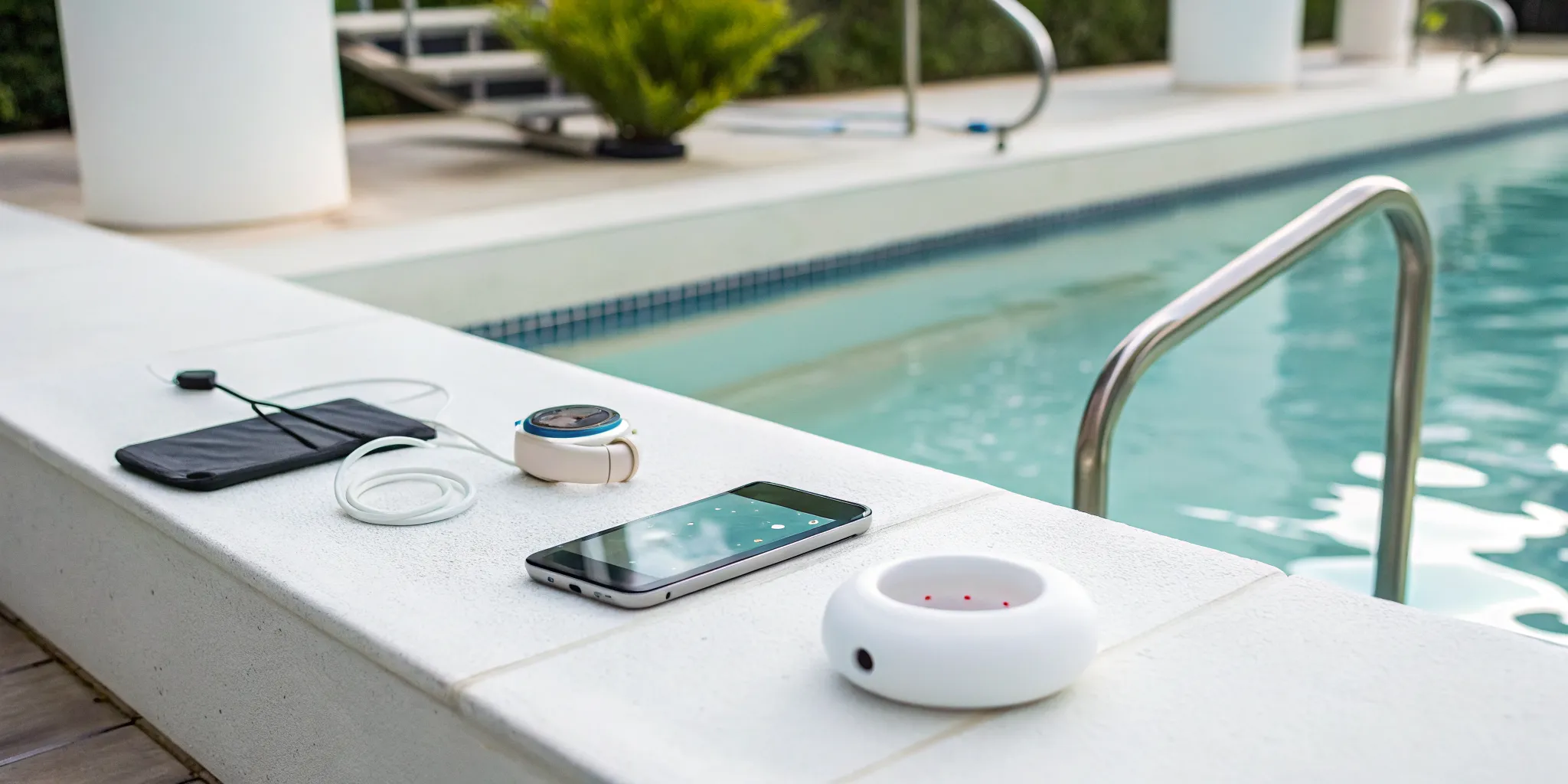
Drowning isn't what you see in the movies. There’s rarely loud splashing or calls for help. It’s a quiet, fast event that’s incredibly difficult to spot, even for the most experienced lifeguards. This silent danger is why aquatic facilities are adding a crucial layer of protection with a modern swimmer safety system. This technology is designed to detect what the human eye might miss, providing immediate, specific alerts that shorten response times and save lives. If you’re considering a swimmer safety alert system, this guide will help you understand the options—from simple alarms to advanced wearables—so you can choose the right solution for your team.
Key Takeaways
- Technology Supports Your Team, It Doesn't Replace It: A swimmer safety system acts as a vital tool for your lifeguards, offering constant monitoring to catch silent distress signals that the human eye might miss. It's designed to enhance your team's awareness and shorten response times, not to reduce staffing.
- Choose Proactive Monitoring Over Reactive Alarms: While perimeter alarms help prevent unauthorized entry, proactive systems that monitor individual swimmers offer a superior layer of protection. Wearable technology tracks each person in the water, providing immediate alerts for specific incidents, which is critical in busy aquatic environments.
- Focus on Reliability and Targeted Alerts: When choosing a system, look past the price and prioritize features that ensure effectiveness. Seek out certified technology to minimize false alarms and select a system that sends direct, specific notifications to your staff, ensuring they know exactly who needs help and where.
What Is a Swimmer Safety System (and Do You Need One)?
A swimmer safety alert system is an extra layer of protection designed to monitor people in the water and signal for help during a potential drowning incident. Think of it as a dedicated set of eyes that never gets tired or distracted. These systems use various technologies, from wearable devices to advanced underwater detection, to identify when a swimmer may be in distress and send an immediate alert to lifeguards and staff. The goal is to shorten the time between when a person runs into trouble and when they receive help.
The need for this technology comes down to a simple, sobering fact: drowning is often silent and incredibly fast. It doesn't usually involve the loud splashing and yelling we see in movies. A person in distress might just look like they are playing or swimming underwater. This subtlety makes it challenging for even the most attentive lifeguards to spot a problem right away, especially in a crowded or large body of water. An automated drowning detection system works alongside human supervision to catch what the naked eye might miss.
These systems provide critical support in a variety of aquatic environments, including community pools, water parks, and even lakes. By offering constant monitoring, they give your safety team a powerful tool to respond more quickly and effectively. Investing in a swimmer safety alert system is about creating a safer environment for everyone who visits your facility and providing peace of mind for your staff, your patrons, and their families. It reinforces your commitment to safety with proven, life-saving technology.
The Unseen Risks in Every Body of Water
Understanding the real risks associated with water is the first step toward building a truly effective safety plan. The danger isn't always obvious, and the statistics highlight a problem that is both widespread and frequently misunderstood. Drowning is a silent event that can occur in any body of water, regardless of how well-supervised it may seem. Recognizing these hidden dangers is essential for any facility manager or operator committed to providing the safest possible environment for their patrons. It’s not about creating fear, but about fostering a culture of awareness and proactive protection.
Global and National Drowning Statistics
The numbers surrounding drowning are sobering. Globally, an estimated 372,000 people die from drowning each year, which breaks down to about 42 people every hour. This isn't a distant problem; it's a consistent and present danger. In the United States, the risk is particularly acute for young children. According to the Gateway Region YMCA, drowning is the number one cause of death for children ages one to four and the second leading cause of accidental injury death for kids ages five to fourteen. These statistics underscore the urgent need for comprehensive safety measures that go beyond basic supervision, especially in public and community aquatic environments where families gather.
The Limits of Traditional Supervision
Even with the most dedicated and well-trained lifeguards on duty, human supervision has its limits. A drowning often looks like someone is just swimming or playing underwater, making it incredibly difficult to spot. Lifeguards are human; they contend with distractions like noise, intense heat, sun glare on the water, and unavoidable blind spots that can compromise their view. These factors can create small but critical windows where a swimmer in distress might go unnoticed. This is precisely why technology that can support your safety team is so valuable. It acts as a constant, vigilant partner, helping to detect danger fast and empowering lifeguards to respond with speed and precision.
Foundational Water Safety Practices
While technology provides an incredible safety net, it’s designed to complement, not replace, the fundamental practices that form the bedrock of any safe aquatic environment. Think of these rules and principles as the essential human element in your safety strategy. They create a culture of awareness and preparedness that empowers your staff and educates your patrons. When you combine these foundational practices with advanced tools like a swimmer safety alert system, you create a comprehensive, multi-layered defense against drowning. This approach ensures that everyone, from your newest lifeguard to your youngest swimmer, understands their role in maintaining a secure facility.
Essential Rules for All Swimmers
Clear, simple, and consistently enforced rules are the first line of defense in any aquatic setting. They set expectations for behavior and minimize common risks associated with water-based activities. When patrons know what is expected of them, it creates a more predictable and manageable environment for your lifeguards. Posting rules prominently is a great start, but actively communicating them during orientations or through your staff helps reinforce their importance. These guidelines aren't just about preventing minor scrapes; they are about preventing the chaotic situations that can lead to serious emergencies, ensuring a safer experience for every person who visits your facility.
The Buddy System: Never Swim Alone
The buddy system is one of the most timeless and effective water safety rules for a reason. Insisting that no one swims alone ensures there is always at least one other person immediately available to notice if someone is in trouble or to go for help. This applies to everyone, regardless of their age or swimming ability. Even the strongest swimmers can experience unexpected medical events or exhaustion. The Gateway Region YMCA puts it simply: "Always swim with a buddy and where a lifeguard is on duty." Enforcing this rule at your facility fosters a sense of shared responsibility among swimmers and provides an extra layer of vigilance that supports your professional lifeguarding staff.
Safe Entry and Play
The area surrounding the water can be just as hazardous as the water itself. Wet surfaces are slippery, and the excitement of a pool day can lead to risky behavior. It's crucial to teach swimmers, especially children, to always enter the water safely and to avoid running or engaging in rough horseplay around the deck. A simple "walk, don't run" rule can prevent countless slips and falls that could result in injury. By establishing clear guidelines for safe play, you reduce distractions and chaos, allowing your lifeguards to focus their attention on monitoring the swimmers in the water, where the most critical risks lie.
Supervision and Rescue Principles
Effective supervision is more than just having a lifeguard on duty; it's an active, focused, and constant process. Rescue principles, on the other hand, are about ensuring that when an incident does occur, the response is swift, safe, and effective. These two elements work hand-in-hand to form the core of your on-the-ground safety operations. Training your staff on these principles is non-negotiable, as it prepares them to both prevent incidents through vigilance and to react correctly in a high-stress emergency. This is where human skill and technological support can merge to create the strongest possible safety environment for your patrons.
The Importance of Active Supervision
Active supervision means giving swimmers your undivided attention. For parents and caregivers of young children, this means staying within arm's reach. For your lifeguards and staff, it means watching the water without distractions from phones, conversations, or other tasks. However, maintaining this level of focus over a long shift, especially in a crowded or large body of water, is challenging for anyone. This is where technology provides critical support. A system that offers proactive monitoring, like the WAVE GUARDian System, acts as a second set of eyes, constantly scanning for signs of distress and alerting your team so they can maintain their focus on the entire zone.
How to Respond in an Emergency: Reach, Throw, Don’t Go
Knowing how to respond in an emergency is just as important as knowing how to prevent one. The "Reach, Throw, Don't Go" method is a crucial principle for both staff and bystanders. It emphasizes that you should never enter the water to perform a rescue unless you are properly trained and equipped. Instead, you should try to reach the person in distress with a pole or shepherd's crook, or throw them a buoyant object like a life ring or flotation device. This approach protects the rescuer from becoming a second victim, which can happen easily when a panicked swimmer pulls them under. Training your team on this protocol ensures a safe and effective response.
The Importance of Training and Education
A truly safe aquatic facility is one where everyone, from the management team to the patrons, is educated about water safety. Training is the mechanism that turns principles into practice. For your staff, this means rigorous and ongoing certification in lifeguarding, CPR, and first aid. For your community, it means providing access to and promoting educational resources like swim lessons. By investing in education, you empower individuals with the skills and knowledge to protect themselves and others. This creates a powerful culture of safety that extends beyond the boundaries of your facility and serves the entire community.
Formal Swim Lessons and CPR Certification
Formal swim lessons are one of the most effective ways to reduce the risk of drowning. As the YMCA notes, lessons teach essential survival skills and build confidence in the water. Offering or promoting swim lessons is a direct investment in your community's safety. Alongside swimming skills, CPR certification is equally vital. All parents, caregivers, and aquatic facility staff should be trained in CPR and first aid. Knowing how to perform CPR can mean the difference between life and death in the critical minutes before emergency medical services arrive. Ensuring your team is certified and regularly refreshed on these skills is a cornerstone of professional aquatic management.
Which Type of Swimmer Safety System Is Right for You?
Choosing the right safety system starts with understanding what’s available. Different technologies tackle water safety from different angles, from securing the perimeter to monitoring individual swimmers. Let’s walk through the main types so you can find the best fit for your facility’s needs.
Floating and Sub-Surface Alarms
Floating alarms, also known as immersion alarms, are devices that sit on the water's surface. They work by detecting water displacement. If a person or object weighing more than a preset limit falls into the water, the sensor triggers a loud alarm. These systems are generally easy to install and can be a straightforward first step. However, they are reactive, only sounding an alarm after someone has entered the water. They can also be prone to false alarms caused by strong winds or large objects blowing into the pool.
Door and Gate Alarms for Perimeter Safety
As a key part of creating layers of protection, door and gate alarms focus on preventing unauthorized access to the water area. These systems are installed on any entry point leading to the pool and sound an alert when someone opens them. This is an effective way to keep people from entering the area unsupervised. The main limitation is that they only monitor the perimeter. They won’t alert you to any dangers once someone is already inside the pool area or if a gate is accidentally left open.
Physical Barriers and Facility Safeguards
Physical barriers like fences, self-latching gates, and safety covers are non-negotiable for any aquatic facility. They form the first line of defense in your safety plan, designed to control access and prevent anyone from entering the water area without supervision. Think of them as the essential foundation for creating a secure perimeter. But their job is done once swimmers are actually in the water. During busy hours, when your gates are open and the pool is active, these safeguards can't help your team spot a person in trouble. While they are crucial for stopping unauthorized entry, they don't address the silent and swift dangers that can happen in a crowded pool, which is where technology for detecting a swimmer in distress becomes so important.
Wearable Devices for Personal Monitoring
Wearable technology offers a proactive approach by monitoring each swimmer individually. Systems like WAVE use lightweight Swimmer Alert devices that swimmers wear. These trackers monitor submersion time and send an immediate, specific alert to lifeguards if a swimmer is underwater for too long. This allows for a rapid response directed at the exact person in distress, which is a significant advantage in a crowded or large body of water. It provides a crucial layer of protection that works alongside vigilant lifeguards to protect every person in the water.
Alarm Bracelets and Their Limitations
Alarm bracelets are another type of wearable designed to alert staff when a swimmer is submerged for too long. When the device is underwater past a set time, it sends a signal to a base station, which then sounds a general alarm. While this sounds helpful, it’s important to understand their limitations. These bracelets are a reactive measure; the alarm only tells you that a problem is happening somewhere in the water. As one safety resource notes, "The alarm just tells you there's a problem. Someone still needs to hear it and act quickly to help." This leaves your staff scanning the entire pool to find the person in distress, losing precious seconds. They are an aid, but they should never be seen as a replacement for vigilant supervision.
Inflatable Bracelets and Manual Activation
You may have also seen inflatable bracelets, which contain a small CO2 cartridge. The idea is that if a swimmer feels they are in trouble, they can pull a lever to inflate a small balloon that helps them surface. The major drawback here is that they require manual activation. A person must be conscious and calm enough to "use your hand to pull the lever to make it work." This is simply not realistic in a real drowning scenario, where panic takes over or a person may lose consciousness. These devices are primarily intended to help competent swimmers who find themselves tired or in a minor difficulty, not to save someone in the midst of a silent drowning event.
Comprehensive Wearable Systems
Comprehensive wearable systems offer a truly proactive approach to swimmer safety by monitoring every individual in the water. Unlike reactive alarms, these systems use advanced technology to prevent incidents before they become critical. For example, the WAVE Drowning Detection System equips each swimmer with a lightweight, comfortable tracker that continuously monitors their submersion time. If a swimmer is underwater for too long, the system doesn't just sound a general alarm. Instead, it sends an immediate and specific alert directly to the Lifeguard Alert equipment, identifying exactly which swimmer needs help. This allows your team to respond instantly and precisely, providing a powerful layer of protection that supports their expertise and enhances safety for everyone.
AI-Powered Camera Detection
A newer option in water safety involves advanced AI detection. These systems use overhead or underwater cameras paired with artificial intelligence to monitor activity. The AI is trained to recognize the difference between normal swimming and signs of distress, sending an alert to staff when it detects a potential incident. This technology can provide constant monitoring without requiring swimmers to wear a device. The effectiveness can depend on factors like water clarity and lighting, and they often represent a more significant financial and technical investment.
Understanding Personal Flotation Devices (PFDs)
While technology like wearable alerts provides active monitoring, Personal Flotation Devices (PFDs) are a fundamental piece of passive safety equipment. These devices, which include life jackets and buoyancy aids, are designed to keep a person afloat in the water. They are an essential layer of protection, especially for non-swimmers, young children, and during specific aquatic activities. However, not all flotation devices are created equal, and understanding the distinctions is key to ensuring real safety. Relying on the right type of PFD is a non-negotiable part of a comprehensive safety plan for any aquatic facility.
Swim Aids vs. U.S. Coast Guard-Approved Devices
It’s easy to see things like inflatable water wings or foam noodles and think of them as safety gear, but there’s a critical difference between a fun swim toy and a life-saving device. True PFDs are tested and approved by the U.S. Coast Guard to meet specific performance and safety standards. These approved devices are categorized into different types, each designed for different water conditions and activities, offering varying levels of buoyancy and freedom of movement. Swim aids, on the other hand, are not regulated and can provide a false sense of security, often failing to keep a swimmer’s head above water in an emergency. For any supervised aquatic environment, relying only on USCG-approved PFDs is the only way to ensure you’re providing reliable protection.
Smart Life Jackets and Emergency Flotation
PFD technology has come a long way from the bulky orange vests many of us remember. Modern options include comfortable, lightweight inflatable life jackets that are popular for boating and other water sports because they don't restrict movement. Some of these inflate automatically upon contact with water, offering a "smarter" response in an emergency. When choosing the right PFD, it's crucial to match the device to the activity and the person. For children, inherently buoyant, non-inflatable jackets are often the safest choice as they provide constant flotation. While PFDs are essential for keeping someone afloat, they don't send an alert to get help. That's where active monitoring systems come in, working alongside these devices to create a complete safety net.
What to Look for in a Swimmer Safety System
Choosing the right swimmer safety system can feel overwhelming, but it boils down to a few key features. Think of this as your essential checklist for finding a system that truly fits your facility's needs. A reliable system does more than just sound an alarm; it provides accurate, timely alerts that support your lifeguards and give everyone peace of mind. By focusing on the right criteria, you can confidently select a solution that enhances safety without adding unnecessary complexity to your operations. Let's walk through the must-have features to look for.
How Accurate Is the Detection Technology?
The heart of any safety system is its detection technology. You need a system that can accurately distinguish between normal swimming and a swimmer in distress. Some alarms use subsurface wave detection, but these can sometimes be triggered by wind or toys, leading to false alarms that disrupt operations and cause alert fatigue for your staff. For a professional aquatic environment, look for more advanced systems that use multiple data points to confirm a potential incident. The goal is high sensitivity to real emergencies and low sensitivity to everything else. A system that intelligently analyzes movement provides a much more reliable layer of protection for every swimmer.
Challenges in Testing Camera-Based Systems
While the idea of an AI-powered camera system keeping watch is appealing, their performance often depends on perfect conditions. These systems need clear visibility to work effectively, but that’s a luxury most busy aquatic facilities don’t have. Common issues like sun glare, murky water, or even the water disturbance from a full-capacity swim session can obstruct the camera's view. When the AI can't see clearly, its ability to spot a swimmer in distress drops significantly. Crowds also create a major problem, as swimmers can easily block each other from the camera's line of sight, creating dangerous blind spots. These real-world variables make it tough for camera systems to deliver the consistent reliability your safety team depends on.
Is the Alarm Loud and Clear?
An alert is only effective if it’s heard and understood. In a bustling aquatic facility, a simple siren might get lost in the noise. Consider how the system notifies your team. Is the alarm loud enough to be heard over splashing and music? More importantly, where does the alert go? The most effective systems don't just make a loud noise; they send targeted alerts directly to your staff. Look for solutions that include wearable devices for lifeguards, which vibrate or flash to pinpoint exactly where the incident is happening. This direct line of communication is crucial for a fast and effective response.
Does It Meet Official Safety Standards?
When it comes to safety equipment, you can't afford to take chances. Certifications are your proof that a system has been rigorously tested and meets high industry standards. Before you buy, check if the product is compliant with recognized safety standards like ASTM F2208 or UL 2017. These certifications aren't just letters on a box; they signify that the device has passed specific tests for reliability, durability, and performance. Choosing a certified system ensures you're investing in equipment that is proven to be effective, giving you and your patrons confidence in your facility's safety measures.
Key Certifications to Look For (ISO 20380)
When you're evaluating safety technology, certifications are your best friend. They're an independent stamp of approval that proves a system meets strict industry benchmarks for performance and reliability. One of the most important ones to look for is ISO 20380, a standard specifically for drowning detection systems. If a system has this certification, it means it has passed rigorous testing to ensure it works effectively when it matters most. You might also see other certifications like ASTM F2208 or UL 2017, which further confirm a product's durability and safety. Choosing certified technology gives you confidence that you're investing in a solution that minimizes false alarms and truly supports your commitment to creating a secure aquatic environment for everyone.
How Hard Is It to Install and Use?
The most advanced technology in the world won't help if it's too complicated to install or use. Your team is focused on the swimmers, not on fiddling with complex equipment. Look for a system that offers a straightforward installation process and an intuitive user interface. Can your staff be trained on it quickly? Is the daily operation simple and clear? A system designed with the end-user in mind will integrate smoothly into your daily workflow. To get a better idea of what to expect, you can review the getting started process for different systems to see how manageable it is for your team.
Will It Work with Your Other Equipment?
Your new safety system shouldn't operate in a silo. Consider how it will connect with the technology you already use at your facility. Can it integrate with your existing security cameras, public address systems, or operational software? A well-integrated system creates a more powerful and unified safety network. For example, a central hub that coordinates alerts from swimmer wearables and communicates directly with lifeguard devices can streamline your emergency response protocol. This connectivity ensures that every component of your safety plan works together seamlessly, providing comprehensive coverage for your entire aquatic environment.
Integration with Lifeguard Procedures
The best technology works with your team, not against them. A swimmer safety system should never be seen as a replacement for vigilant lifeguards but as a powerful tool to support them. A swimmer safety system acts as a vital tool for your lifeguards, offering constant monitoring to catch silent distress signals that the human eye might miss. It's designed to enhance your team's awareness and shorten response times, not to reduce staffing. Before committing, ask how the system integrates into your existing emergency action plan. Does it create new, complicated steps, or does it streamline your current procedures? The right system will feel like a natural extension of your team, providing clear, actionable information that helps them perform their duties more effectively.
How Durable and Scalable Is the System?
An aquatic environment is tough on equipment. Constant exposure to water, chemicals, and sunlight can take a toll on even the most robust hardware. When you invest in a safety system, you're making a long-term commitment, so durability is non-negotiable. Look for systems built with high-quality, corrosion-resistant materials. Beyond durability, consider scalability. Your facility's needs might change over time. Can the system grow with you? Whether you're hosting a small swim class or a packed summer weekend, the system should be able to handle varying capacities without a drop in performance. A scalable solution ensures your investment remains effective for years to come.
Resistance to Pool Chemicals
Let's talk specifics: pool chemicals. Chlorine, bromine, and pH balancing agents are essential for hygiene but are notoriously harsh on electronics and plastics. Any part of a safety system that comes into contact with the water, from swimmer wearables to in-pool sensors, must be designed to withstand this chemical cocktail. Ask potential vendors about the materials they use and what kind of testing has been done to ensure long-term resistance to chemical degradation. A system that fails due to corrosion is not a reliable one. Ensuring the equipment is built for the realities of a pool environment is fundamental to its long-term function and your peace of mind.
Capacity and Range for Your Facility
Every aquatic facility is unique, with its own layout, size, and bather load. A one-size-fits-all approach to safety simply doesn't work. Before you choose a system, map out your coverage needs. What is the maximum range required to cover every corner of your water area? How many swimmers does the system need to monitor simultaneously during peak hours? The system’s capacity should comfortably exceed your busiest day. Furthermore, consider how alerts are transmitted across that range. Look for solutions that include wearable devices for lifeguards, which vibrate or flash to pinpoint exactly where the incident is happening. This direct line of communication is crucial for a fast and effective response, no matter the size of your facility.
A Review of Top-Rated Swimmer Safety Systems
With so many options on the market, it helps to see how the leading systems stack up. Each one offers a different approach to water safety, from simple entry alarms to comprehensive monitoring technology. Let's look at a few popular systems to understand their key features and how they work.
WAVE Drowning Detection System GUARDian
The WAVE GUARDian system is a leader in digital safety equipment for aquatic facilities. It uses advanced wearable technology to monitor every swimmer in real-time, giving lifeguards the critical information they need to respond quickly. Since drowning can happen silently and in seconds, this constant tracking provides an essential layer of protection. One of its biggest advantages is the simple, "plug-n-play" setup. Most facilities can install the GUARDian system without needing special permits or contractors, meaning you can get it up and running without closing down. The system is also versatile enough to be installed permanently, moved as needed, or used seasonally.
Techko S187D Pool Alarm
Some systems focus on creating a loud, impossible-to-ignore alert. The Techko S187D is a great example of a high-decibel alarm, often reaching 110dB or more to ensure it’s heard immediately. Many alarms in this category allow you to adjust sensitivity levels, which helps prevent false alarms from things like wind or small splashes. When you're looking at these types of devices, it's important to check for safety certifications. Labels like "ASTM F2208 Certified" or "UL 2017 Compliant" are good indicators that the alarm meets established safety standards and has been tested for reliability.
PoolGuard PGRM-2
The PoolGuard PGRM-2 is designed primarily to prevent accidental entry into the water, making it a strong choice for protecting specific areas or managing access points. These systems work by sounding an alarm the moment someone or something enters the water. Some models offer an added layer of security with a remote alarm that can be placed at a front desk or in a staff office, ensuring the alert is heard even if no one is immediately poolside. This dual-alert capability makes it a versatile option for facilities looking to secure unsupervised or restricted zones from unauthorized entry.
SwimCam AI Detection System
For a high-tech approach to perimeter monitoring, systems like SwimCam use Artificial Intelligence (AI) to keep watch. Instead of detecting motion in the water, this system uses cameras to identify if a person enters the designated pool area. It’s a proactive way to get an alert before someone even touches the water. These systems are often available with single or dual camera setups, allowing you to expand coverage based on the size and layout of your aquatic environment. This technology represents a growing category of smart monitoring solutions that use video analytics to enhance safety protocols.
Comparing System Reliability and False Alarms
A system is only as good as its reliability, and preventing false alarms is a major factor. Some alarms use subsurface wave detection to distinguish between a person entering the water and simple surface disturbances. This technology significantly reduces false positives. As mentioned, certifications like ASTM F2208 are a key benchmark for reliability. Ultimately, the goal of any alert system is to draw immediate attention to unsafe situations. A reliable system allows your team to address risky behavior effectively and provides another tool to support your drowning prevention protocols, helping to stop incidents before they happen.
How to Budget for and Buy Your System
Once you’ve identified the features you need, the next step is figuring out where to buy your system and how to plan your budget. The price of a swimmer safety alert system can range from a simple, low-cost alarm to a significant investment in advanced detection technology. Your budget will depend on the size of your aquatic facility, the number of swimmers you need to protect, and the level of safety you want to provide. Making a smart purchase involves more than just comparing price tags; it’s about finding the right balance of cost, features, and long-term support for your specific needs.
Where to Buy: Online vs. Specialty Stores
You can find a wide variety of swimmer safety systems on large online marketplaces. These sites are great for browsing different models and reading customer reviews, giving you a general sense of what’s available. However, for a critical piece of equipment like a drowning detection system, working with a specialist is often the better choice. Companies that focus on aquatic safety can offer expert guidance tailored to your facility’s unique layout and challenges. They can help you understand complex features and ensure you get a system that truly meets your requirements, rather than just a one-size-fits-all product from a general retailer.
Breaking Down Costs by System Type
The cost of a swimmer safety alert system is directly tied to its technology and capabilities. Basic alarms are less expensive, but they often lack the sophistication to distinguish between a real emergency and a false alarm from wind or splashing. More advanced systems use technologies like subsurface wave detection or AI-powered video monitoring to provide more accurate alerts. Features like adjustable sensitivity and integration with existing equipment also influence the final price. While the initial investment might be higher, a system with superior technology can offer greater reliability and peace of mind. You can explore different pricing tiers to find a solution that fits your budget.
How to Find Deals and Discounts
Don’t hesitate to ask about special pricing or promotional offers, especially if you are outfitting a large facility. Many companies have sales teams dedicated to creating custom packages for community pools, water parks, and other aquatic centers. When you connect with a provider, inquire about any available discounts for bulk purchases, non-profit organizations, or seasonal promotions. The best way to get a clear picture of the total cost is to book a meeting and discuss your needs directly. This gives you an opportunity to build a relationship with the provider and secure the best possible value for your investment.
What Kind of Warranty and Support Is Included?
A swimmer safety system is a long-term investment, so robust customer support and a solid warranty are essential. Before you buy, find out what kind of post-purchase assistance the company offers. Do they provide installation guidance, training for your staff, and responsive technical support? Check the warranty details to understand what is covered and for how long. A reputable company will stand behind its products with comprehensive support to ensure your system operates effectively for years to come. Look for a dedicated support portal or clear contact information for their customer service team.
4 Common Myths About Swimmer Safety Systems
When it comes to water safety, what you don’t know can be dangerous. Misconceptions about swimmer safety systems can lead aquatic facilities to choose the wrong solution or, even worse, stick with an outdated approach. Believing in these common water safety myths can create a false sense of security, putting swimmers at unnecessary risk. Let's clear up a few of the most persistent myths so you can make informed decisions for your facility.
Understanding the reality behind these systems is the first step toward building a truly effective safety plan. Technology is a powerful tool, but only when it's implemented correctly and for the right reasons. By separating fact from fiction, you can better protect every person who enters your water.
Myth: A Safety System Is a Replacement for Supervision
This is one of the most critical myths to debunk. No safety system, no matter how advanced, is a substitute for attentive, well-trained lifeguards. The goal of a drowning detection system is not to replace human supervision but to enhance it. Think of it as giving your lifeguards an extra set of eyes that never gets tired or distracted. Systems like the WAVE GUARDian are designed to support your team by monitoring every swimmer and providing immediate alerts, allowing your staff to respond faster and more effectively. It’s about adding a powerful layer of protection, not removing an essential one.
Myth: Strong Swimmers Don't Need a Safety System
It’s easy to assume that experienced swimmers are immune to danger, but that’s a risky assumption. Drowning can happen to anyone, regardless of their skill level. A sudden medical event like a seizure or heart attack, a muscle cramp, exhaustion, or even a slip and fall can incapacitate even the strongest swimmer in seconds. A comprehensive safety system monitors everyone in the water equally, because an emergency can happen to anyone at any time. Relying on swimming ability alone ignores the many unpredictable factors that can lead to a water-related incident.
Myth: All Safety Systems Offer the Same Protection
Not all swimmer safety systems are created equal. The technology they use can vary dramatically, which directly impacts their reliability. For example, some systems rely on video monitoring, but their effectiveness can be limited by water clarity, sun glare, or high swimmer density. Other systems use different methods, like wearable technology, to track a swimmer's time underwater. This approach provides a more direct and reliable measure of a potential drowning event, and it works in all kinds of water conditions. It's important to evaluate the technology behind a system to ensure it meets the specific needs of your facility.
Myth: Flotation Devices Are a Fail-Safe Solution
It’s a common sight at any aquatic facility: swimmers in bright orange water wings or bulky life jackets. While these flotation devices are an important safety tool, they are far from a fail-safe solution. Relying on them completely can create a dangerous false sense of security for both swimmers and supervisors. A device can slip off, be the wrong size, or simply not be enough to keep a distressed swimmer’s head above water, especially if they become unconscious. Furthermore, they do nothing to alert your team if a swimmer has a medical emergency. They are passive aids, not active alert systems. True water safety comes from building multiple layers of protection, where flotation devices are used alongside constant, active supervision and supported by technology that monitors for signs of distress. This ensures that even when a passive tool fails, there’s a system in place to call for help.
Myth: These Systems Are Too Complicated to Use
The thought of installing a complex new technology system can be daunting for any facility manager. However, many modern systems are designed for simplicity and ease of use. The best solutions are often "plug-and-play," requiring minimal setup to get started. For instance, the WAVE system is built to be portable and adaptable, working just as well in an indoor pool as it does in a lake or water park. You don’t need a team of engineers to get it up and running. If you're curious about the process, you can see just how straightforward it is to get started with a modern drowning detection system.
Related Articles
- How Automated Drowning Detection Improves Safety
- Guide to Automated Drowning Detection & Pool Security
- Drowning Prevention Technology: A Facility Guide
- Anti-Drowning Wearable: A 2026 Buyer's Guide
Frequently Asked Questions
Can these systems be used in different water environments, like lakes or water parks? Absolutely. The best systems are designed for versatility. While some technologies like camera-based AI can be limited by water clarity or glare, wearable systems work effectively in almost any aquatic setting. They are great for clear pools, but they also provide reliable monitoring in darker bodies of water like lakes or ponds where visibility is a major challenge for lifeguards. Their adaptability makes them a solid choice for everything from a community pool to a large water park.
What's the main advantage of a wearable system over a camera-based AI system? The biggest difference comes down to direct monitoring versus environmental scanning. A camera system watches the entire area and uses AI to interpret behavior, which can be affected by things like water clarity, glare, or a high number of swimmers. A wearable system tracks each individual swimmer's submersion time directly. This provides a clear, data-driven alert specific to one person, removing much of the guesswork and environmental interference. It gives your lifeguards precise information about who is in trouble and where they are.
Will my lifeguards need extensive training to use a drowning detection system? Not at all, provided you choose a user-friendly system. Modern systems are designed to integrate smoothly into a lifeguard's existing workflow, not complicate it. The setup is often simple, and the daily operation is intuitive. Training usually involves learning how the alerts work on their specific devices and understanding the protocol for responding. The goal is to make the technology feel like a natural extension of their skills, giving them a tool that supports their work from day one.
How does a wearable system work with a lot of swimmers? These systems are built to handle high-traffic environments. Typically, swimmers are given a small, lightweight tracker to wear when they enter the water. The process is designed to be quick and easy, similar to handing out a wristband. A central hub monitors all the active trackers in the water. If any tracker is submerged for too long, it sends a specific alert to the lifeguard staff, identifying the individual swimmer so your team can respond immediately without having to scan the entire crowd.
Does a safety system help with anything besides just sounding an alarm for a potential drowning? Yes, a good system does more than just react to emergencies. It helps create a proactive safety culture at your facility. By providing constant monitoring, it allows your team to identify and address risky behavior before it escalates. It also offers peace of mind to patrons and their families, showing them you have invested in the highest level of protection. This commitment to safety can enhance your facility's reputation and build trust within your community.
