
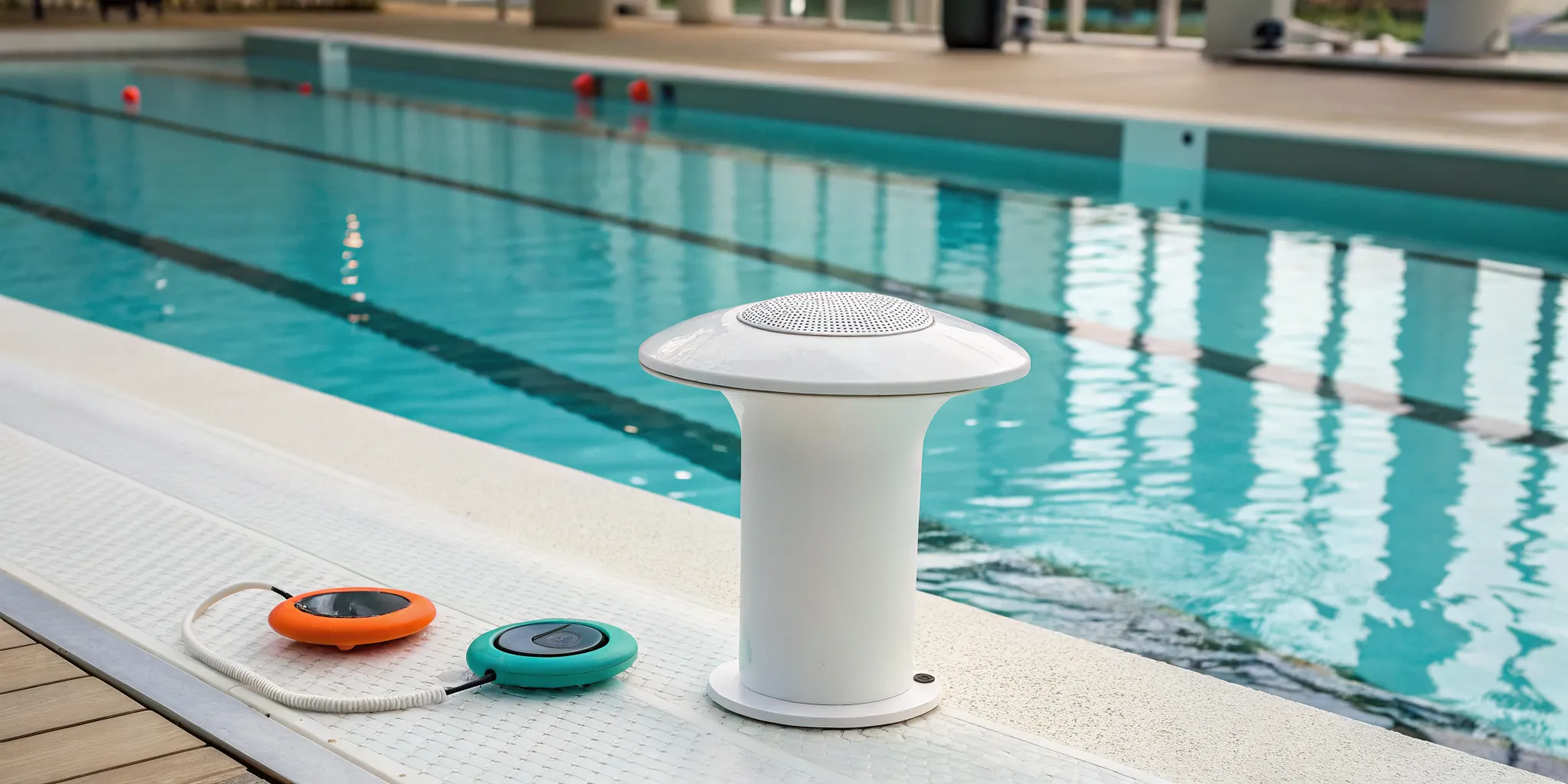
When you think of pool safety, you might picture old-school floating alarms. But the technology has evolved. Today’s advanced swimmer safety sensors are less like a simple alarm and more like an intelligent partner for your lifeguard team. Using smart sensors and wearable devices, these systems provide a constant, real-time view of what’s happening beneath the surface. They can distinguish playful splashing from a swimmer in genuine distress, filtering out the noise to give your staff clear, actionable alerts. This is a proactive safety strategy that empowers your team and protects every person in the water.
Key Takeaways
- View safety sensors as a tool to empower your lifeguards, not replace them: This technology acts as a constant set of eyes on the water, helping your team respond to emergencies with greater speed and accuracy.
- Prioritize features that deliver real results: When choosing a system, focus on its accuracy, the speed of its alerts, and how easily it integrates with your team's current workflow for a seamless safety upgrade.
- Create a budget that covers the full picture: Your total investment should account for the initial purchase plus ongoing costs for maintenance, operational checks, and thorough staff training to maximize the system's effectiveness.
What Are Swimmer Safety Sensors (And Why Your Facility Needs One)
If you manage a community pool or aquatic facility, you know that safety is the top priority. Swimmer safety sensors are a powerful tool designed to add another critical layer of protection for everyone in the water. Think of them as an extra set of eyes, constantly monitoring the pool's surface and the areas below. These systems don't replace your lifeguards; instead, they act as a high-tech partner, helping your team spot potential trouble faster than the human eye alone can. They provide continuous surveillance, even in challenging conditions, ensuring that no swimmer goes unnoticed.
The core idea is simple: use technology to enhance the safety net you already have in place. Drowning is often silent and can happen in seconds. Even the most diligent lifeguards can face challenges with glare, water clarity, or crowded pools. A drowning detection system uses advanced sensors to track swimmers and identify signs of distress, providing immediate alerts so your staff can respond instantly. By integrating this technology, you create a more secure environment, giving your staff better tools to work with and offering peace of mind to swimmers and their families. It’s a proactive step toward preventing incidents before they happen and setting a new standard for water safety at your facility.
The Global Impact of Drowning
Drowning is a staggering global issue, ranking as the third leading cause of accidental death worldwide. Around 372,000 people die from drowning every year—that’s about 42 people every hour. What makes this statistic so alarming is that drowning is often silent and incredibly fast, happening in moments, even under the watchful eyes of trained lifeguards. Human eyes can't be everywhere at once, especially in a busy facility with glare, reflections, and constant motion. This is where technology provides a crucial layer of support. Advanced systems offer real-time monitoring that can detect signs of distress, like a swimmer staying underwater too long, and send an immediate alert to your staff. By integrating this kind of support, you’re not just reacting to emergencies; you’re actively working to prevent them and creating a safer environment for everyone.
How Does Drowning Detection Technology Work?
Modern drowning detection technology has come a long way, moving beyond simple pool alarms. Today’s leading systems, like WAVE, use a sophisticated combination of wearable devices for swimmers and integrated equipment for lifeguards. This creates a comprehensive safety network that covers your entire facility. The technology often includes features like motion detection to track a swimmer's movement (or lack thereof), audio alerts that sound when a potential issue is identified, and real-time monitoring that feeds directly to your lifeguard team. By combining these elements, the system provides a complete picture of what’s happening in the water at all times, making your pool a safer place for everyone.
Supporting Your Lifeguards with Tech
Safety sensors are a lifeguard's best friend. Their purpose is to support your team, not replace them. These systems work in conjunction with lifeguards to ensure every swimmer is continuously monitored. Imagine a system that can see below the surface glare or track a child in a busy splash zone with perfect clarity. When the system detects a swimmer who has been submerged for too long or shows signs of distress, it sends an immediate, unmistakable alert to your staff. This allows your lifeguards to pinpoint the exact location of the swimmer in trouble and react much more quickly, turning critical seconds into life-saving actions. It’s about empowering your team with better information for a faster response.
What's in It for Pool Managers?
For pool managers, implementing a swimmer safety system brings significant benefits that go beyond the obvious safety improvements. First, it demonstrates a clear commitment to the well-being of your community, which can build trust and confidence among your patrons. Second, it helps ensure you are meeting and exceeding safety regulations. While there's an initial investment, investing in advanced safety technology is a cost-effective measure in the long run. Faster emergency response can prevent serious incidents, which protects both your swimmers and your facility. Of course, the system's effectiveness relies on proper installation, regular maintenance, and thorough staff training, but the return on that investment is a safer, more secure aquatic environment.
What Makes a Great Swimmer Safety System?
Choosing the right safety system for your facility can feel like a huge decision, because it is. The technology you choose becomes a critical partner for your lifeguard team. To help you sort through the options, focus on a few key features that separate the good systems from the great ones. The best technology is accurate, fast, easy to install, and works hand-in-hand with your existing safety protocols. Let’s break down what that looks like in practice.
Pinpoint Accuracy and Smart Detection
When it comes to swimmer safety, accuracy is non-negotiable. Drowning can happen quickly and silently, so you need a system that can reliably tell the difference between a swimmer in distress and kids just having fun. Look for systems that use advanced computer intelligence to monitor swimmers. This kind of smart technology learns your pool's environment and tracks individual movements, providing a vigilant set of eyes on every person in the water. It helps your lifeguards focus on credible threats by filtering out the noise, giving them the specific information they need to act with confidence.
Get Instant Alerts When Seconds Count
Every second counts in an emergency. A safety system is only effective if it delivers alerts quickly enough for your team to respond. The best systems provide real-time notifications the moment a swimmer shows signs of distress. These alerts should be sent directly to your lifeguards through a dedicated wearable device or a central hub. This immediate communication loop closes the gap between detection and rescue, empowering your guards to intervene faster than human eyes alone might allow. When evaluating systems, ask specifically how alerts are delivered and how quickly they reach your on-duty staff.
Easy Setup and Complete Coverage
Implementing a new safety system shouldn't require you to close your facility for weeks on end. Look for solutions designed for simple, straightforward installation. Some modern systems are nearly "plug-and-play," meaning you can get them up and running without needing special permits or major construction projects. This minimizes disruption to your operations and your budget. Just as important is ensuring the system provides complete coverage for your entire aquatic environment. Confirm that the technology can effectively monitor every corner, from the shallow end to the deepest points, without blind spots. You can learn more about what to expect by reviewing the getting started process.
Covering High-Risk Pool Areas
Every pool has them—those tricky spots that are tough for lifeguards to monitor consistently. Think about the deep end, the area under a diving board, or zones where afternoon sun creates a blinding glare on the water's surface. A top-tier safety system provides an unwavering eye on these high-risk areas. Using advanced sensors, these systems monitor swimmers in real-time, specifically looking for signs of distress like staying submerged for too long. This technology essentially gives your lifeguards underwater vision, helping them detect potential incidents that might otherwise be obscured. The safest aquatic facilities are those that layer human expertise with smart technology, creating a comprehensive safety net that covers every inch of the pool, especially the places that need it most.
Simple Installation Options
The thought of a major construction project is enough to make any facility manager hesitate. Thankfully, installing a modern swimmer safety system doesn't have to mean draining the pool and bringing in a demolition crew. Many of today's best systems are designed for a simple, streamlined setup process that minimizes downtime. Some are nearly "plug-and-play," allowing you to get them up and running without the headache of special permits or significant structural changes. This focus on easy integration means you can upgrade your facility’s safety standards without disrupting your operations or your budget. The goal is to add a critical layer of protection, not to create a logistical nightmare, so look for a solution that works with your existing infrastructure.
Works With Your Existing Operations
The goal of a drowning detection system is to support your lifeguards, not replace them. The technology should feel like a natural extension of your team. A great system adds a crucial layer of safety that integrates smoothly with your current procedures and staff workflow. It should operate in the background, providing reliable information without creating unnecessary distractions. When your safety technology and your lifeguards work together seamlessly, you create a stronger, more responsive environment for everyone. This partnership is the new standard for aquatic safety.
Durable, Water-Resistant Hardware
An aquatic facility is a demanding environment. Between the constant exposure to water, cleaning chemicals, and daily use by swimmers and staff, any technology you introduce needs to be tough. That’s why durable, water-resistant hardware is a must-have. The best systems are built with high-quality materials designed to withstand the unique challenges of a pool setting. This includes everything from the central hub to the wearable trackers for swimmers and the alert devices for your lifeguards. When you choose reliable and easy-to-use tech, you’re investing in a system that won’t fail when you need it most, ensuring consistent performance and giving you one less thing to worry about.
Certified to Meet Safety Standards
When you're evaluating safety technology, look for systems that are certified to meet recognized industry standards. These certifications aren't just a sticker on a box; they are independent verification that the system has undergone rigorous testing and performs as promised. A certification from a reputable organization demonstrates that the technology is reliable, effective, and built to the highest safety benchmarks. For facility managers, this provides crucial peace of mind. It confirms you are making a responsible choice and implementing a solution that has been proven to enhance safety, helping you show a clear commitment to protecting every person who visits your facility.
Commitment to Continuous Improvement
Safety technology should never stand still. The best systems come from companies dedicated to innovation and continuous improvement. Look for a partner who is constantly refining their technology, whether through software updates that make detection more accurate or hardware upgrades that improve usability. A company that invests in research and development is one that is committed to staying at the forefront of aquatic safety. This forward-thinking approach ensures that your system will not only meet today's safety needs but will also evolve to address the challenges of tomorrow, making it a smart, long-term investment for your facility's future.
Which Swimmer Safety System Is Right for You?
Choosing the right safety system for your facility can feel like a huge decision, but it gets easier when you understand the main options available. Each type of technology approaches swimmer safety from a different angle, with its own strengths and ideal use cases. Some systems use advanced wearables to track individual swimmers, while others rely on cameras and artificial intelligence to monitor the entire pool. You’ll also find more traditional alarms that detect motion or disturbances in the water.
Let's break down the top categories of swimmer safety systems. We’ll look at how they work, what they do best, and what you should consider for each one. This comparison will help you find the solution that best fits your facility’s needs, your staff’s workflow, and your community’s expectations for a safe swimming environment. By understanding the differences, you can make a confident choice that adds a critical layer of protection for everyone in the water.
WAVE Drowning Detection System GUARDian Hub
The WAVE system is a comprehensive solution that uses wearable technology to provide real-time monitoring for every swimmer. Each person wears a lightweight tracker, which communicates directly with the central GUARDian Hub. This setup allows lifeguards to see instant alerts if a swimmer is submerged for too long, helping them respond immediately.
Unlike camera-based systems that can be affected by glare or water clarity, WAVE provides precise data on each individual. A single system can monitor over 300 swimmers across a range of more than 700 feet, making it ideal for large, busy aquatic centers. It’s designed to work as a partner to your lifeguard team, giving them an extra set of eyes on every person in the water and adding a powerful layer of protection.
AI-Powered Computer Vision Systems
Computer vision systems use strategically placed cameras, either overhead or underwater, to watch swimmers. These cameras feed images to a computer that uses machine learning algorithms to analyze swimmer behavior and identify signs of distress. The technology is trained to recognize patterns that might indicate a potential drowning incident, such as a lack of movement or an unusual body position.
The effectiveness of these systems depends heavily on factors like camera placement, water clarity, and lighting conditions. Glare on the water's surface or crowded pools can sometimes challenge the AI's accuracy. While this technology is promising, it’s important for facility managers to understand its operational requirements and potential limitations before implementing it.
Surface-Level Floating Alarms
Traditional pool alarms are one of the older forms of safety technology. These devices typically float on the water's surface or are installed below it to detect disturbances. When the system senses waves or movement that exceeds a certain threshold, it triggers a loud alarm. The main types include surface wave detectors and subsurface alarms that react to underwater motion.
While these alarms can signal that someone has entered the water, they don't distinguish between a person in distress and routine splashing. This can lead to frequent false alarms in a busy community pool. They also require consistent maintenance, including regular battery checks, to ensure they are functioning correctly. These systems are generally more reactive, alerting you to a disturbance rather than a specific swimmer's status.
Budget-Friendly Motion Detection Options
Motion detection systems are a more basic and affordable safety measure. These alarms use infrared beams or other sensors placed around the pool deck. If someone crosses the beam, an alarm sounds, alerting staff that the pool perimeter has been breached. This technology is primarily designed to prevent unauthorized access to the water, especially during off-hours.
These systems are often combined with physical barriers like fences and gates to create a layered safety approach. However, their function stops at the water's edge. They cannot monitor swimmers or detect a drowning event once someone is in the pool. For active community pools, they serve as a useful entry alert but do not offer the in-water protection of more advanced systems.
Other Personal Safety Devices
Beyond the high-tech systems that monitor your entire facility, it’s worth knowing about the personal safety devices that offer individualized protection. These tools are worn by swimmers and can add another important layer to your safety protocols. While they don’t replace the comprehensive oversight of a drowning detection system or the vigilance of your lifeguard team, they play a key role in a well-rounded safety strategy, especially for younger or less confident swimmers. Think of them as part of the complete safety picture, working alongside your staff and technology to protect every person in the water.
Smart Life Jackets
Life jackets and Personal Flotation Devices (PFDs) are fundamental to water safety. For them to be effective, they must be fitted properly to provide the right amount of buoyancy and stay securely in place. A poorly fitting jacket can be as dangerous as no jacket at all. Modern designs often include smart features that increase a swimmer's visibility and ability to signal for help, such as reflective materials and built-in whistles. While many facilities have rules about personal flotation devices, understanding their proper use is crucial for advising patrons and ensuring the equipment you provide meets the highest safety standards.
Personal Emergency Flotation Devices
Personal Emergency Flotation Devices (PEFDs) are designed to give swimmers immediate support in an emergency. These devices are often lightweight and easily accessible, serving as a critical safety tool in various aquatic settings. However, it's important to remember that no device can replace active and vigilant supervision. Non-approved flotation aids can sometimes create a false sense of security for both swimmers and observers. True safety comes from a layered approach where personal devices complement the watchful eyes of your lifeguards, who are in turn supported by reliable detection technology. This combination ensures that you have multiple safeguards in place to protect everyone at your facility.
What to Watch Out For with Safety Sensors
Swimmer safety sensors are a game-changer for aquatic facilities, but like any technology, they come with a learning curve. Understanding the common challenges ahead of time helps you choose the right system and create a solid plan for using it effectively. Let's walk through a few things to keep in mind so you can get the most out of your investment and provide the safest environment for your swimmers. By anticipating these hurdles, you can ensure a smooth integration and maximize the life-saving potential of your new system.
Minimizing False Alarms
One of the biggest concerns with any alarm system is the dreaded false alarm. Early-generation or basic pool sensors can sometimes be triggered by things like heavy wind, rain, or even a large leaf falling into the water. This can lead to alert fatigue, where your staff starts to tune out the warnings. The key is to look for a system with smart technology that can tell the difference between environmental noise and a swimmer in distress. Advanced systems like the GUARDian Hub use sophisticated tracking to minimize these distractions, ensuring that when an alert sounds, your team knows to take it seriously.
Don't Forget Maintenance and Staff Training
A safety system is only effective if it's working correctly and your team knows how to use it. Before you install anything, create a plan for regular maintenance. This includes simple tasks like checking batteries and ensuring all components are clean and functional. More importantly, invest in thorough staff training. Your lifeguards and facility managers need to be completely comfortable with the system. They should understand what each alert means and know the exact protocol for responding. When you get started with a new system, make sure comprehensive training is part of the package so your team can act quickly and confidently.
Set Realistic Expectations for the Tech
It’s important to have realistic expectations for what swimmer safety sensors can do. While they provide an incredible layer of protection, no technology can guarantee 100% detection in every single case. Think of these systems as a vital partner for your lifeguards, not a replacement. Their purpose is to support your highly trained staff by providing another set of eyes that never gets tired or distracted. Understanding how it works in tandem with your staff is key to building a comprehensive safety plan. The system alerts your team to potential danger, allowing them to intervene faster than they could on their own.
Common Myths About Swimmer Safety Technology
When new technology emerges, so do new questions and a fair share of misconceptions. It’s completely normal. As a facility manager, you’re tasked with making critical decisions about safety, and that means cutting through the noise to understand what truly works. Some long-held beliefs about water safety are based on older methods, while others oversimplify the capabilities of modern systems. Let's clear up a few of the most common myths surrounding swimmer safety technology. By separating fact from fiction, you can make a more informed choice about the tools that will best support your lifeguards and protect your community.
Understanding these distinctions is crucial because the right technology does more than just sound an alarm; it provides actionable information that empowers your team to respond with speed and precision. We'll look at why some popular safety tools aren't the complete solution they might seem to be and explore how a more integrated approach can fill in the gaps. This isn't about dismissing traditional safety measures but about understanding their limitations and seeing where advanced systems can provide a much-needed extra layer of security for everyone in the water.
Myth: Flotation Devices Are Foolproof
Flotation devices are an essential part of water safety, but it's a dangerous myth that they are a foolproof solution against drowning. While life jackets and other aids are designed to help swimmers stay afloat, they can create a false sense of security for both swimmers and supervisors. These devices can be worn incorrectly, reducing their effectiveness, or they can malfunction. More importantly, they are not a substitute for active supervision. A child can still slip out of a device or end up face-down in the water. True safety comes from a layered approach where flotation aids are used alongside vigilant lifeguards and a reliable swimmer safety technology that monitors what's happening beneath the surface.
The Importance of US Coast Guard-Approved Life Jackets
Not all flotation devices are created equal. Fun, inflatable water wings or pool noodles are toys, not life-saving equipment. When outfitting your facility or advising patrons, always emphasize the use of U.S. Coast Guard-approved life jackets. These devices have been rigorously tested to meet specific safety standards for performance and durability. They are designed to keep a person's head above water, even if they are unconscious. While they are a critical safety tool, remember they are just one component of a comprehensive safety plan. Proper fit, regular inspection, and constant supervision are still required to ensure the highest level of protection.
Myth: Video Monitoring Is Always the Best Option
Camera-based monitoring systems sound great in theory, but they often struggle in the dynamic environment of a busy aquatic facility. Video systems can be hampered by real-world conditions like glare on the water's surface, murky water, or the simple chaos of a crowded pool where swimmers can easily block the camera's view of someone in distress. This can lead to missed events or delayed alerts. While cameras are useful for general surveillance, they have limitations when it comes to reliably detecting a drowning in progress. For this reason, many facilities find that wearable tech offers more dependable monitoring, as it tracks each swimmer individually, regardless of water clarity or how busy the pool gets.
How to Budget for a Pool Safety System
Choosing a swimmer safety system is a major decision, and creating a realistic budget is a critical first step. The total investment goes beyond the initial price tag, encompassing everything from installation to long-term upkeep. By looking at the complete financial picture, you can select a system that not only fits your budget but also provides the reliable protection your facility needs. Thinking through these costs ahead of time helps ensure you can sustain the highest level of safety for your swimmers for years to come.
Breaking Down the Initial Costs
The initial cost of a safety system varies widely depending on its technology. Basic floating or motion-detecting alarms are often the most affordable entry point. You can find a wide range of pool safety alarms that offer simple alerts, but they typically provide a very limited scope of protection. For facilities that require comprehensive coverage, advanced drowning detection systems represent a more significant upfront investment. Systems like WAVE are designed to help lifeguards protect swimmers in all kinds of water, from indoor pools to open water environments. This technology provides a much deeper layer of safety, which is reflected in its initial price.
Looking Beyond the Sticker Price
Beyond the purchase price, it’s important to account for ongoing expenses. Simpler alarm systems require regular battery checks and maintenance to keep them working correctly. More sophisticated systems also have routine upkeep needs. For example, some technologies require cleaning probes, calibrating sensors, and inspecting components to ensure every part of the system is functioning as intended. You should also factor in the cost of staff training. Your team needs to be fully comfortable using the system, responding to alerts, and performing daily checks. These operational costs are essential for getting the most out of your investment.
Long-Term Support and Warranty
Your relationship with a safety system provider shouldn't end once the installation is complete. Think of it as a long-term partnership. A strong warranty is a good indicator of the manufacturer's confidence in their product, giving you peace of mind that your investment is protected. Beyond the warranty, consider the level of ongoing support they offer. Will they be available to help with troubleshooting, software updates, or additional staff training down the road? Your total investment should account for these ongoing needs, including maintenance and operational checks. A provider who offers robust, accessible support ensures your system remains effective for years to come.
Provider Experience and Reputation
The company behind the technology is just as important as the technology itself. Look for a provider with a proven track record in aquatic safety. An experienced company understands the unique challenges of a busy pool environment—from glare and water clarity to the fast-paced nature of lifeguard duties. They use this knowledge to design reliable, durable, and easy-to-use systems. Check for testimonials and case studies from other facilities similar to yours. A provider with a strong reputation has demonstrated a commitment to protecting swimmers and supporting the teams that watch over them, making them a more trustworthy partner in your safety efforts.
Is the Investment Worth It?
Ultimately, the goal is to find a system that delivers the best value for the safety of your swimmers. While basic alarms can be a helpful starting point, their effectiveness often depends on perfect installation and consistent maintenance. Digital drowning detection systems like WAVE add an important extra layer of safety, working with your lifeguards to improve their surveillance and response times. This partnership between technology and trained professionals creates a much safer environment. When you weigh the cost against the immense benefit of preventing even one incident, the value of a reliable, comprehensive system becomes clear. You can explore testimonials from other facilities to see the real-world impact.
Where to Buy Swimmer Safety Sensors
Once you’ve identified the key features your facility needs, the next step is to find where to purchase your new safety system. The right supplier can make a huge difference, not just in price but also in the quality of support you receive after installation. Your options generally fall into a few categories, each with its own set of benefits depending on your team’s needs and budget. Let's walk through the most common places to find swimmer safety sensors and how to choose the best path for your community pool.
Should You Buy from a Dealer or Direct?
Your first decision is whether to buy directly from the manufacturer or through an authorized dealer. Going straight to the source, like the team at WAVE, means you’re getting information from the experts who designed the system. This route is great for getting detailed answers to your questions and understanding the full capabilities of the technology. On the other hand, authorized dealers can be a fantastic local resource, sometimes offering bundled deals with other pool equipment or hands-on support. Many modern alarms are designed for straightforward installation, which can make either option a great fit for community pools looking to improve their safety measures.
Exploring Online Retailers and Specialists
The internet has opened up a world of options for pool equipment. You can find basic surface or motion alarms on large retail sites, but for more advanced technology, it’s best to turn to equipment specialists. While a simple alarm might be a starting point, a dedicated drowning detection system offers a more comprehensive solution for community pool safety. Leading companies in the US provide advanced digital safety equipment designed specifically for the challenges of a busy aquatic facility. Exploring these specialized providers ensures you’re investing in a system built for accuracy and reliability, rather than just a basic alert.
How to Find the Best Deals and Financing
Finding the right system is one thing; figuring out how to pay for it is another. Keep an eye on specialty retailers like Leslie's Pool Supplies, which often run promotions and offer a variety of alarms. For larger, more sophisticated systems, don’t hesitate to ask the manufacturer about payment plans or financing options. Many companies offer flexible pricing structures to help facilities manage the investment. With safety solutions available for both inground and above-ground pools, you can find a system that fits your facility’s specific layout and budget, ensuring you don’t have to compromise on protecting your swimmers.
Related Articles
- How Automated Drowning Detection Improves Safety
- Guide to Automated Drowning Detection & Pool Security
- How Tech Can Fill The Safety Gaps in Your Pool
- The Complete Guide to Choosing the Right Drowning Prevention System
Frequently Asked Questions
Do these systems replace the need for lifeguards? Not at all. Think of a drowning detection system as a partner for your lifeguard team, not a replacement. The technology acts as an extra set of eyes that can monitor every swimmer continuously, even in challenging conditions like water glare or crowded lanes. It provides your trained staff with immediate alerts, allowing them to respond faster and more effectively. The goal is to support your lifeguards by giving them better tools to do their job.
How does a wearable system like WAVE differ from a camera-based one? The main difference is how they gather information. A wearable system, like WAVE, tracks each swimmer individually using a small, lightweight device. This provides precise data on a person's submersion time, regardless of water clarity or how busy the pool is. Camera systems rely on video analysis to spot signs of distress, which can sometimes be limited by surface glare, shadows, or a swimmer being obscured by others.
What does the installation and training process look like? Modern systems are designed to be straightforward to implement with minimal disruption to your facility's operations. The installation is typically quick and doesn't require major construction. Just as important is the training component. A good provider will ensure your entire staff, from lifeguards to managers, is fully trained on how the system works, what the alerts mean, and how to respond, so your team feels confident from day one.
How do advanced systems prevent constant false alarms? This is a common concern, and it's where smart technology makes a huge difference. Unlike basic alarms that might be triggered by splashing or wind, advanced systems use intelligent tracking to learn the difference between normal swimming and signs of genuine distress. By analyzing individual swimmer data, systems like WAVE can filter out the noise and provide credible alerts, which helps your staff avoid alert fatigue and trust the information they receive.
What should I consider when budgeting for a safety system? When planning your budget, it's helpful to look beyond the initial purchase price. Consider the total cost of ownership, which includes any installation fees, staff training, and long-term maintenance. While basic motion alarms have a lower upfront cost, a comprehensive drowning detection system is an investment in a higher level of safety. The value comes from its reliability and its ability to help your team prevent serious incidents, which protects both your swimmers and your facility.
