
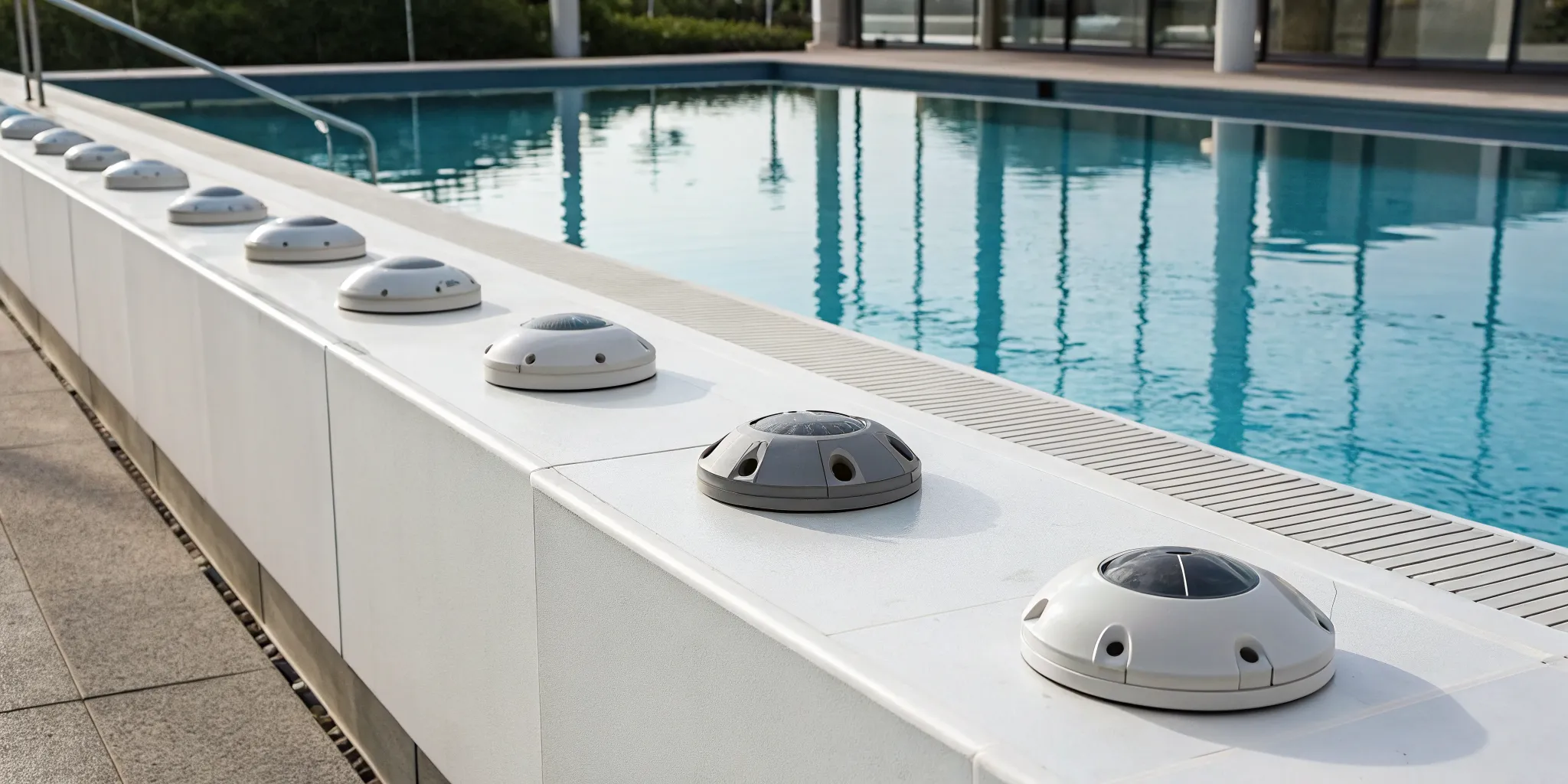
Your lifeguards are the frontline of safety, but even the best team can’t see everything at once. A moment of sun glare or a crowded lane can create a dangerous blind spot. That’s where a partnership between your staff and smart technology makes all the difference. A modern commercial pool alarm isn't just another siren; it’s an extra set of eyes for your team. It monitors every swimmer and provides immediate, specific alerts when someone is in trouble. This guide will show you how to choose a system that empowers your staff, cuts down response times, and builds a more reliable safety net for everyone.
Key Takeaways
- Prioritize smart detection over simple alerts: A commercial-grade system should do more than detect a splash. Look for technology that minimizes false alarms and actively monitors swimmers, so your team can respond to genuine emergencies with confidence.
- Think of your alarm as a partner to your lifeguards: The right system doesn't just make noise; it supports your team. Ensure any alarm you choose integrates smoothly with your existing safety protocols and empowers your staff to act quickly.
- Assess your specific needs before you buy: Your pool's size, swimmer demographics, and existing infrastructure all determine the right alarm for you. Remember to also plan for staff training and regular maintenance to ensure long-term reliability.
What is a Commercial Pool Alarm?
At its core, a commercial pool alarm is a safety device that alerts you when someone enters the pool, often unexpectedly. Think of it as an extra set of eyes and ears for your aquatic facility. These systems are designed to create an immediate notification if a person, particularly a child, accesses the water or a restricted pool area without supervision.
While they are a fundamental component of a layered safety approach, not all alarms are created equal. They range from simple gate alerts to more complex in-water detection systems. Understanding the different types, how they function, and the regulations surrounding them is the first step in creating a safer environment for every swimmer at your facility. The right system works with your lifeguard team to add a crucial layer of protection against accidents.
What Types of Pool Alarms Are There?
When you start looking at pool alarms, you’ll find they generally fall into a few key categories. The most common are perimeter alarms, which monitor the entry points to your pool area. These include alarms for gates, doors, and even windows that lead to the pool deck. They trigger an alert the moment someone opens a secured entrance, giving your team a heads-up before anyone even reaches the water.
Another type is a surface or subsurface alarm. These devices are placed in the pool and work by detecting disturbances in the water. A surface alarm floats on the water and sounds when waves are created, while a subsurface alarm uses sonar to detect movement below the surface. Each type of pool safety device offers a different kind of monitoring to help you build a comprehensive safety plan.
How Do Pool Alarms Actually Work?
The technology behind pool alarms is fairly straightforward. Perimeter alarms work much like a home security system, using magnetic sensors on gates and doors. When the connection is broken by an opening door, an alarm sounds. It’s a simple but effective way to control access to the pool area.
In-pool alarms operate a bit differently. Surface motion alarms use sensors that can tell when the water’s surface is disturbed by something weighing more than a certain amount, like a child or pet. This helps reduce false alarms from wind or small objects. Subsurface alarms are more advanced, sending out sonar waves to detect when an object breaks the surface and sinks. Both are designed to give you a critical warning that someone has entered the water.
Are You Meeting Pool Safety Regulations?
Beyond being a good safety practice, installing pool alarms is often a legal requirement. Many states and local municipalities have strict codes for public and community swimming pools that mandate specific safety measures. These regulations often require multiple layers of protection, including safety barriers like fences, self-closing gates, and, of course, pool alarms.
To ensure your facility is up to code, it’s important to be familiar with standards like the International Swimming Pool and Spa Code (ISPSC). These guidelines provide a framework for what’s required to operate a safe aquatic venue. Staying informed about these rules not only helps you avoid fines but also demonstrates a commitment to the well-being of your patrons, which is what matters most.
Understanding Safety Certifications and Standards
Making sure your aquatic facility is safe involves more than just having a great team of lifeguards. It also means following established safety certifications and standards. Think of these guidelines as a roadmap for creating a secure environment for every swimmer. When you choose equipment that meets these benchmarks, you're not just checking a box; you're investing in proven, reliable technology. Adhering to these standards shows a deep commitment to safety and helps ensure that every component of your facility, from the gate latches to the in-water monitoring systems, is designed to protect your patrons effectively and consistently.
So, what should you look for? Certifications from respected organizations are a great place to start. For example, NSF International provides the NSF/ANSI/CAN 50 certification, which confirms that pool equipment meets strict health and safety regulations. Similarly, the American Society for Testing and Materials (ASTM) develops standards for a wide range of products to ensure they perform as expected. When you see these labels, it means a product has undergone rigorous testing and meets a high bar for quality. This third-party validation gives you confidence that the equipment you’re installing is built to last and function correctly when it matters most.
Beyond product certifications, it's crucial to stay current with your local and state regulations. These rules can vary, but many are based on the International Swimming Pool and Spa Code (ISPSC), which outlines requirements for everything from fencing to alarms. Familiarizing yourself with these codes helps you maintain compliance and ensures your facility meets the baseline for safety in your area. For any electronic equipment, also look for a listing from Underwriters Laboratories (UL). This indicates that the product has been tested for electrical safety, a non-negotiable feature for any device used near water. Following these guidelines helps you build a comprehensive safety strategy from the ground up.
Must-Have Features for Your Commercial Pool Alarm
Choosing the right alarm system for a commercial pool is a significant responsibility. It’s about more than just meeting a requirement; it’s about creating a safer environment for every person who visits your facility. Unlike basic alarms that simply detect a splash, a commercial-grade system needs to offer a much higher level of sophistication and reliability to truly protect swimmers and support your staff. When you start comparing options, you’ll find a wide range of technologies and features, which can feel overwhelming. To cut through the noise and make the best choice for your facility, it helps to focus on four critical areas: advanced detection accuracy, instant alert speed, seamless system integration, and around-the-clock dependability. These elements are the foundation of an effective water safety system. Getting them right means you’re not just installing an alarm, you’re investing in a comprehensive solution that empowers your team and provides peace of mind for everyone.
Prioritizing Detection and Sensitivity
The core function of any pool alarm is detection, but for a commercial facility, you need a system that is both highly sensitive and incredibly smart. A basic alarm might go off every time a beach ball hits the water, leading to false alarms that can cause staff to become complacent. An advanced system uses sophisticated sensors and algorithms to distinguish between normal swimming activity and the signs of a swimmer in distress. This level of precision is crucial for ensuring that your team responds instantly to real emergencies while minimizing disruptions from false alerts. Look for technology that provides comprehensive underwater monitoring, as this is key to catching potential incidents before they become critical.
Get Instant Alerts, Anywhere
When a swimmer is in trouble, every second counts. A loud siren at the poolside is a start, but a modern safety system should deliver immediate, targeted alerts directly to your lifeguards and facility managers. The best systems use a combination of audible alarms and visual cues, along with notifications sent to dedicated devices like lifeguard wearables or a central monitoring station. This ensures that the staff members who can take action are notified instantly, no matter where they are in the facility. This direct line of communication is what transforms a simple alarm into an active component of your emergency response plan, enabling your team to act with speed and confidence.
Does It Work With Your Current Setup?
Your pool alarm shouldn't operate in a vacuum. It needs to fit perfectly within your facility's established safety protocols and support your lifeguards' efforts. A truly integrated system works as a partner to your team, providing an extra layer of vigilance that complements their skills. Before choosing a system, consider how it will work with your current emergency action plan and staff procedures. The goal is to find a solution that enhances your team's capabilities without adding complexity. A system that works in harmony with your lifeguards creates a comprehensive safety net, ensuring all your bases are covered.
Look for 24/7 Reliability
A commercial pool alarm is not a set-it-and-forget-it device; it's a critical piece of safety equipment that must function flawlessly 24/7. This requires a system built for durability, with features like battery backups to ensure it stays online during a power outage and self-diagnostic checks to alert you to any issues. It’s also important to verify that the system complies with recognized safety standards, such as those from ASTM International. This certification provides assurance that the alarm has been rigorously tested for performance and reliability. Investing in a dependable, compliant system gives you peace of mind that your facility is protected around the clock.
Power, Durability, and User Controls
Beyond the core detection features, the practical, everyday aspects of a pool alarm system are what determine its long-term value. You need a system that can stand up to the demanding environment of an aquatic facility and is easy for your staff to manage. This means looking closely at how the system is powered, how well it’s built, and how much control it gives your team. These details might seem small, but they are crucial for ensuring your alarm is a reliable partner in your safety plan, not a source of constant maintenance headaches or frustration for your lifeguards.
Check for Reliable Power Sources
A commercial pool alarm is useless if it isn't powered on. When evaluating systems, consider the power source and its reliability. While some alarms run on batteries, which can simplify installation, they also require regular checks and replacements to avoid unexpected downtime. For a busy facility, a system that plugs into a main power source is often a more dependable choice for continuous monitoring. The best solutions offer a hybrid approach: primary AC power combined with a battery backup. This ensures your safety system remains fully operational, even during a power outage, providing uninterrupted protection for swimmers and peace of mind for your team.
Ensure Weather-Resistant Design
Aquatic environments are tough on equipment. Constant exposure to water, pool chemicals, and sunlight can quickly degrade materials that aren't up to the task. That's why the durability of your alarm system is non-negotiable. Look for systems built with high-quality, weather-resistant components designed specifically for poolside use. This ensures the hardware will function reliably year after year, without succumbing to corrosion or sun damage. A durable, well-constructed system means fewer repairs and replacements, guaranteeing that your investment continues to protect your patrons effectively for the long haul.
Look for Smart Controls and Settings
The most effective safety systems empower your staff, and that starts with user-friendly controls. A modern alarm should offer more than a simple on/off switch. Look for features like adjustable sensitivity settings, which allow you to fine-tune the system to your facility’s specific needs and minimize false alarms from routine activities. The goal is to find a system that integrates smoothly into your existing safety protocols. Understanding how these systems operate is key to seeing how they can provide clear, actionable information that helps your team respond with confidence. When your staff can easily manage the system, it becomes a seamless and effective part of your daily operations.
How the WAVE GUARDian System Works
While many commercial pool alarms focus on detecting when someone enters the water, the WAVE GUARDian System takes a much more comprehensive approach to aquatic safety. It’s designed to be a true partner to your lifeguard team, providing an extra layer of protection that actively monitors every single person in the pool. Think of it less as a simple alarm and more as a complete drowning detection system. It uses a combination of wearable technology for swimmers, specialized equipment for lifeguards, and a central hub that processes everything in real time. This setup gives your staff the specific information they need to respond quickly and effectively when seconds matter most.
What makes this system different is that it was developed with direct input from aquatic safety experts, facility directors, and lifeguards. It’s built to address the real-world challenges of supervising a busy pool, from crowded swim times to murky water conditions. Instead of just alerting you that someone has entered the water, WAVE actively monitors swimmers for signs of distress. This proactive method helps your team identify potential emergencies much faster, creating a safer environment for everyone. It’s a smart, reliable way to support your lifeguards and give everyone peace of mind.
How WAVE Sets a New Standard for Safety
WAVE is a leading provider of digital aquatics safety equipment in the USA, and for good reason. The GUARDian system is considered the gold standard for lifeguard assistance because it creates a safety net that covers your entire facility. It works by tracking each swimmer individually, which means your lifeguards get specific, actionable alerts that point them directly to a person in need. This eliminates the guesswork and potential for missed incidents that can happen in crowded or unclear water. By providing this level of detailed oversight, WAVE helps facilities set a new, higher standard for swimmer safety.
What Powers the GUARDian Hub?
At the heart of the system is the GUARDian Hub (w3000), which acts as the central command center for all safety data. This is the technology that allows WAVE to work alongside your facility’s lifeguards to monitor every swimmer in real time. The hub receives constant updates from the swimmer wearables and lifeguard equipment, displaying critical information on an easy-to-read screen. If a swimmer remains submerged for too long, the hub instantly triggers an alarm, notifying the nearest lifeguard with the swimmer’s exact location. This seamless flow of information ensures your team is always aware and ready to act.
Give Your Lifeguards Real-Time Support
The system also includes specialized Lifeguard Alert equipment designed to make your team’s job easier and more effective. This wireless, user-friendly technology alerts your entire facility anytime a guard enters the water for a rescue. This feature is incredibly valuable because it initiates a coordinated response without the lifeguard having to signal for backup manually. As soon as a rescue begins, other staff members are notified and can spring into action, whether that means clearing the pool, calling emergency services, or providing assistance. It streamlines your emergency action plan and ensures every second counts.
Protecting Every Swimmer with Wearable Tech
Individual protection is made possible through WAVE’s lightweight Swimmer Alert wearables. These comfortable devices are worn by every swimmer and track their submersion time. If the wearable detects that a swimmer has been underwater beyond a preset limit, it sends an immediate alert to the GUARDian Hub and the lifeguard’s receiver. This technology was developed over several years by a team of passionate product designers, engineers, and aquatic safety experts. Their deep understanding of pool environments led to a practical and reliable solution that provides an essential layer of protection for every person in the water.
Beyond Alarms: Components of a Complete Aquatic Safety Plan
An advanced drowning detection system is a game-changer for aquatic safety, but it’s one piece of a much larger puzzle. The most secure facilities operate on a principle of layered safety, where technology, physical infrastructure, and human preparedness work together to create a comprehensive safety net. Think of it this way: your goal is to have multiple safeguards in place so that if one fails, another is there to catch it. This approach moves beyond simple incident detection and focuses on proactive prevention and effective response. It acknowledges that true safety isn't about a single product, but about a holistic strategy that covers every angle of your operation.
Each layer serves a distinct purpose. Physical barriers are your first line of defense, controlling who enters the water and where they can go. Your drowning detection system and vigilant lifeguards act as the primary monitoring layer, watching for signs of distress. Finally, your emergency equipment and action plan form the response layer, ensuring your team can act decisively when an incident occurs. When all these components are integrated and maintained, you create an environment where risks are minimized and your team is empowered to handle any situation with confidence. This complete system ensures you're not just reacting to problems, but actively preventing them.
Physical Barriers and Demarcation
Before a swimmer even touches the water, physical barriers play a crucial role in setting the stage for a safe experience. These structures are all about proactive prevention. They control access to the pool area, guide patrons safely, and clearly define different zones within the water. Properly implemented barriers prevent unauthorized entry, which is especially important for keeping young children out of the water when unsupervised. They also help manage the flow of swimmers, separating lap lanes from recreational areas and shallow ends from deep water. This organization reduces the risk of collisions and ensures swimmers stay in areas appropriate for their skill level.
Ropes and Floats
Ropes and floats are essential tools for managing the swimming environment and are much more than just lane markers. They serve as clear visual cues that demarcate specific zones within your pool. By separating the deep end from the shallow end, you can help prevent weaker swimmers from accidentally wandering into water that is over their head. They also establish dedicated lap lanes, which keeps fitness swimmers and recreational swimmers from interfering with one another. This simple but effective method of organization enhances overall safety by managing swimmer traffic and providing clear boundaries that both patrons and lifeguards can easily recognize.
Safety Fence Accessories
A sturdy fence around your pool area is a non-negotiable component of aquatic safety, but the fence itself is only as strong as its entry points. To be truly effective, your fencing must be equipped with self-closing and self-latching gates. These features ensure the gate closes securely behind every person, preventing a young child from following someone into the pool area unnoticed. Many facilities also add alarms to these gates for an extra layer of notification. It's critical to perform regular inspections and maintenance on these components to confirm they are functioning correctly, as a broken latch or a gate that doesn't close properly can compromise your entire perimeter.
Emergency Response Equipment
While prevention is always the primary goal, you must be fully prepared to respond when an emergency happens. Having the right emergency response equipment readily accessible is a critical part of your safety plan. This includes essentials like first aid kits, rescue tubes, backboards, and automated external defibrillators (AEDs). All equipment should be stored in clearly marked, unobstructed locations and inspected regularly to ensure it is in good working order. When your team needs to act, they can’t afford to waste time searching for a piece of equipment or discovering that it’s broken.
Beyond the physical tools, a well-documented and frequently practiced emergency action plan is what truly prepares your staff. This plan should clearly outline each team member's role during an emergency, from activating the response team and clearing the pool to contacting emergency medical services. Regular drills are essential to ensure that every staff member, from lifeguards to front desk personnel, understands their responsibilities and can perform them calmly and efficiently. This coordination is what turns a chaotic situation into a controlled and effective response, ultimately making a critical difference in the outcome.
How Much Do Commercial Pool Alarms Cost?
Figuring out the budget for a new safety system can feel like a big task, but it helps to know what to expect. Commercial pool alarms range from basic, affordable models to sophisticated, comprehensive systems. The right choice for your facility depends on your specific needs, the size of your pool, and the level of protection you want to provide. Think of it not just as an expense, but as an investment in safety and peace of mind. Understanding the different tiers of technology available will help you make a confident decision that aligns with both your safety goals and your budget.
What to Expect from Entry-Level Alarms
Entry-level alarms are the most accessible options, with prices typically ranging from a couple hundred to around a thousand dollars. These systems usually work by detecting disturbances on the water's surface or subsurface waves created when someone enters the pool. While they offer a fundamental layer of security, they are often more prone to false alarms from wind or falling objects. For a commercial setting, these alarms are best used as part of a larger, layered safety strategy rather than as a standalone solution. They can be a good starting point, but it's important to recognize their limitations.
What Do Mid-Range Alarms Offer?
Moving into the mid-range, you’ll find more reliable and robust pool alarms. These systems often feature improved technology that helps distinguish between a person entering the water and a false alarm, offering greater accuracy. You might find mounted alarms that attach to the side of the pool or floating models that are more sensitive than their entry-level counterparts. These options provide a solid balance of cost and performance, making them a popular choice for many community pools and aquatic facilities. They represent a significant step up in reliability and are a practical investment for managers looking for more dependable performance.
Is an Advanced System Worth the Investment?
For facilities that prioritize the highest standard of safety, an advanced drowning detection system is the best investment. These systems go far beyond simple motion detection. They use sophisticated technology, like AI-powered overhead cameras or wearable devices for each swimmer, to actively monitor for signs of distress. This provides a direct line of communication to your lifeguard team, sending instant alerts when a swimmer is at risk. While the initial investment is higher, these systems offer unparalleled accuracy and can significantly reduce the chance of a tragic accident. Understanding how it works can show you just how much more protection this technology provides.
Understanding the Cost of Drowning Detection Systems (DDS)
Unlike a standard alarm, the investment in an advanced Drowning Detection System (DDS) is for a complete safety solution, not just a piece of hardware. The cost reflects this comprehensive approach, typically covering the wearable technology for swimmers, the central monitoring hub, and specialized equipment for your lifeguards. It also includes the intelligent software that powers the system and the ongoing support needed to keep it running perfectly. This all-in-one model provides a proactive layer of protection that standard alarms can't match. Since every facility is different, pricing is usually tailored to your specific needs. To see how this investment aligns with your safety goals, it’s helpful to explore a detailed pricing breakdown.
Where to Find the Right System for Your Budget
The most effective way to protect your facility is by creating a comprehensive safety plan that layers different types of systems. You don’t have to rely on a single device. Instead, you can combine perimeter alarms on gates, in-pool motion detectors, and an advanced drowning detection system to create a safety net with no weak spots. This approach allows you to build a solution that fits your budget while providing thorough coverage. Start by assessing your facility’s unique needs and then explore systems that can work together. Getting started with a consultation can help you identify the right combination of tools.
Common Pool Alarm Challenges (And How to Solve Them)
Even the best safety equipment comes with its own set of challenges. When you’re managing a busy aquatic facility, the last thing you need is a system that creates more problems than it solves. From disruptive false alarms that cause alarm fatigue to the need for ongoing staff education, it’s important to anticipate these hurdles before you invest in a new system. Ignoring them can lead to wasted resources, frustrated staff, and a safety net that isn't as strong as you think. A system that constantly cries wolf can, over time, make your team less responsive to a real emergency. Likewise, a complex system without proper training can be more of a hindrance than a help during a critical incident. Thinking through these potential issues ahead of time helps you choose a pool alarm that truly supports your team and enhances your safety protocols. By understanding the common pain points, you can prepare your facility and your staff, ensuring a smooth integration and a more secure swimming environment for everyone. Let’s walk through some of the most frequent challenges and, more importantly, how to solve them.
How to Handle False Alarms
Nothing erodes trust in a safety system faster than constant false alarms. Many submerged pool alarms can be triggered by environmental factors like heavy wind, rain, or even leaves falling into the water. These interruptions can be frustrating for lifeguards and may lead to alarm fatigue, where staff become less responsive to alerts. The key to solving this is to select a high-quality alarm that can distinguish between routine water movement and a genuine emergency. An advanced system like the GUARDian Hub uses smarter technology to analyze disturbances, significantly reducing the number of false positives and allowing your team to focus on real threats.
What to Know About Installation and Training
A new piece of technology is only effective if your team knows how to use it properly. While many modern systems are designed to be user-friendly, you can't skip the training step. Proper education is essential to make sure every staff member understands the system’s alerts and can respond quickly and effectively in an emergency. When choosing a system, look for a provider that offers comprehensive support. A clear onboarding process ensures your team feels confident from day one. Schedule regular drills and refresher courses to keep their skills sharp and your safety procedures airtight.
Know Your System's Maintenance Needs and Limits
Like any critical equipment, a pool alarm requires regular upkeep to perform reliably. This includes routine battery checks, sensor cleaning, and system tests to confirm everything is functioning correctly. It’s also vital to remember that a pool alarm is just one layer of your facility’s safety plan. It is a powerful tool designed to support active supervision, not replace it. The most effective safety protocols combine technology with vigilant, well-trained lifeguards. Understanding how it works as a support system helps you integrate it seamlessly into your existing safety framework, creating a stronger, more comprehensive approach to drowning prevention.
Alarms as a Layer of Protection, Not a Lifeguard Replacement
It’s easy to think of a high-tech alarm as a complete solution, but that’s a common misconception. Your lifeguards are, and always will be, the most critical component of your facility's safety plan. They are the frontline of safety, bringing judgment, skill, and immediate human response to any situation. However, even the most dedicated lifeguard can’t see everything at once. A moment of sun glare, a crowded pool, or a brief distraction can create a dangerous blind spot. This is where a commercial pool alarm finds its true purpose: not as a replacement, but as a vigilant partner. The right system empowers your staff by providing an extra layer of oversight, ensuring that no swimmer goes unnoticed and that your team can act quickly and with confidence.
How to Choose the Right Commercial Pool Alarm
Selecting the right pool alarm system is a major decision for any aquatic facility. It’s about more than just meeting a safety requirement; it’s about creating a comprehensive safety net that protects every person in your water. The best system for your facility will fit seamlessly into your environment, support your staff, and provide reliable alerts when every second counts. This isn't just another piece of equipment. It's a critical layer of protection that works alongside your lifeguards to prevent tragedies. To make the right choice, you’ll need to look closely at your specific needs, your existing infrastructure, and the long-term commitment required to keep the system running effectively. Think of it as choosing a new team member, one that’s dedicated to safety 24/7. The process involves asking the right questions and understanding that not all alarms are created equal. From simple perimeter alerts to advanced drowning detection systems, the options vary widely in technology, reliability, and how they support your team on the ground. Taking the time to carefully evaluate these factors will ensure you invest in a solution that truly enhances safety and gives everyone peace of mind.
Assess Your Pool Environment and Safety Needs
Before you can find the right solution, you need a clear picture of what you’re working with. Every pool is unique, and factors like its size, depth, and even the demographics of your swimmers play a huge role in determining what you need. A sprawling water park with multiple pools and features has very different safety challenges than a single-lane lap pool. Consider who uses your facility most often. Are they young children, competitive athletes, or a mix of everyone? Answering these questions will help you identify your biggest risks and find a system designed to address them. The goal is to find a safety device that matches the specific demands of your environment.
Ensure Compatibility with Your Current Equipment
A new alarm system shouldn't operate in a vacuum. It needs to integrate smoothly with the safety measures you already have in place, from fences and self-latching gates to your team of lifeguards. Many areas have strict pool code laws that dictate required safety barriers, so any system you consider must be compliant with local regulations. Think about how a new alarm will support your staff. The ideal system provides clear, immediate alerts that help your lifeguards respond faster without adding unnecessary distractions. A system with dedicated Lifeguard Alert equipment can make all the difference in an emergency.
Plan for Regular Testing and Maintenance
Even the most advanced technology is only effective if it’s working correctly. A pool alarm isn’t a device you can just install and forget about. It requires a solid plan for ongoing testing and maintenance to ensure it’s always ready to perform. Before committing to a system, ask about the required upkeep. How often do batteries need to be checked or replaced? What does a routine system test involve? Your plan should also include comprehensive training for your staff so they understand how the system works, how to conduct regular checks, and exactly what to do when an alarm sounds. A reliable support system from the manufacturer is key to long-term success.
Related Articles
- Commercial Pool Safety Equipment: A Complete Guide
- Guide to Automated Drowning Detection & Pool Security
- How Tech Can Fill The Safety Gaps in Your Pool
- The Ultimate Guide to Aquatic Facility Safety Solutions
- How Automated Drowning Detection Improves Safety
Frequently Asked Questions
What's the real difference between a standard pool alarm and a drowning detection system? Think of it this way: a standard pool alarm tells you that something has entered the water. A drowning detection system, like WAVE, tells you that a specific person is in potential distress. While basic alarms are great for monitoring unauthorized entry, they don't offer much help once people are already swimming. An advanced system actively monitors each swimmer, providing targeted alerts that help your lifeguards identify and respond to an actual emergency with precision.
How does the WAVE system prevent false alarms from things like splashing or pool toys? This is a great question because alarm fatigue is a real problem. Unlike alarms that react to general water movement, the WAVE system uses individual wearables to track each swimmer's submersion time. The system only sends an alert when a specific swimmer's wearable has been underwater longer than the preset safety limit. This approach filters out the noise of a busy pool, so your team only gets notified when there is a genuine reason for concern.
Will this system work in a busy pool or in water that isn't perfectly clear? Yes, absolutely. In fact, these are the exact scenarios where the system is most valuable. A lifeguard's line of sight can be easily obstructed in crowded or murky water. Because the WAVE system tracks each swimmer with a wearable device, it provides constant monitoring regardless of water clarity or how many people are in the pool. It gives your team an extra layer of awareness that sight alone can't always provide.
How does this technology support my lifeguards instead of just adding another alarm? The goal of a system like WAVE is to be a partner to your lifeguards, not just another sound in the background. When an alert is triggered, it doesn't just make a noise; it sends a notification directly to the lifeguard's receiver with the swimmer's location. This allows for a faster, more direct response. The system also includes equipment that automatically alerts the entire facility when a guard makes a rescue, streamlining your emergency action plan without requiring the guard to signal for help manually.
Is a system like this difficult to install and maintain? Modern drowning detection systems are designed with facility managers in mind, so the process is more straightforward than you might think. The provider should offer comprehensive support for installation and staff training to ensure your team feels confident using the technology. As for maintenance, it typically involves routine checks like ensuring devices are charged and the system is running its self-diagnostics. It's a manageable commitment that ensures a critical piece of your safety equipment is always ready to perform.
