
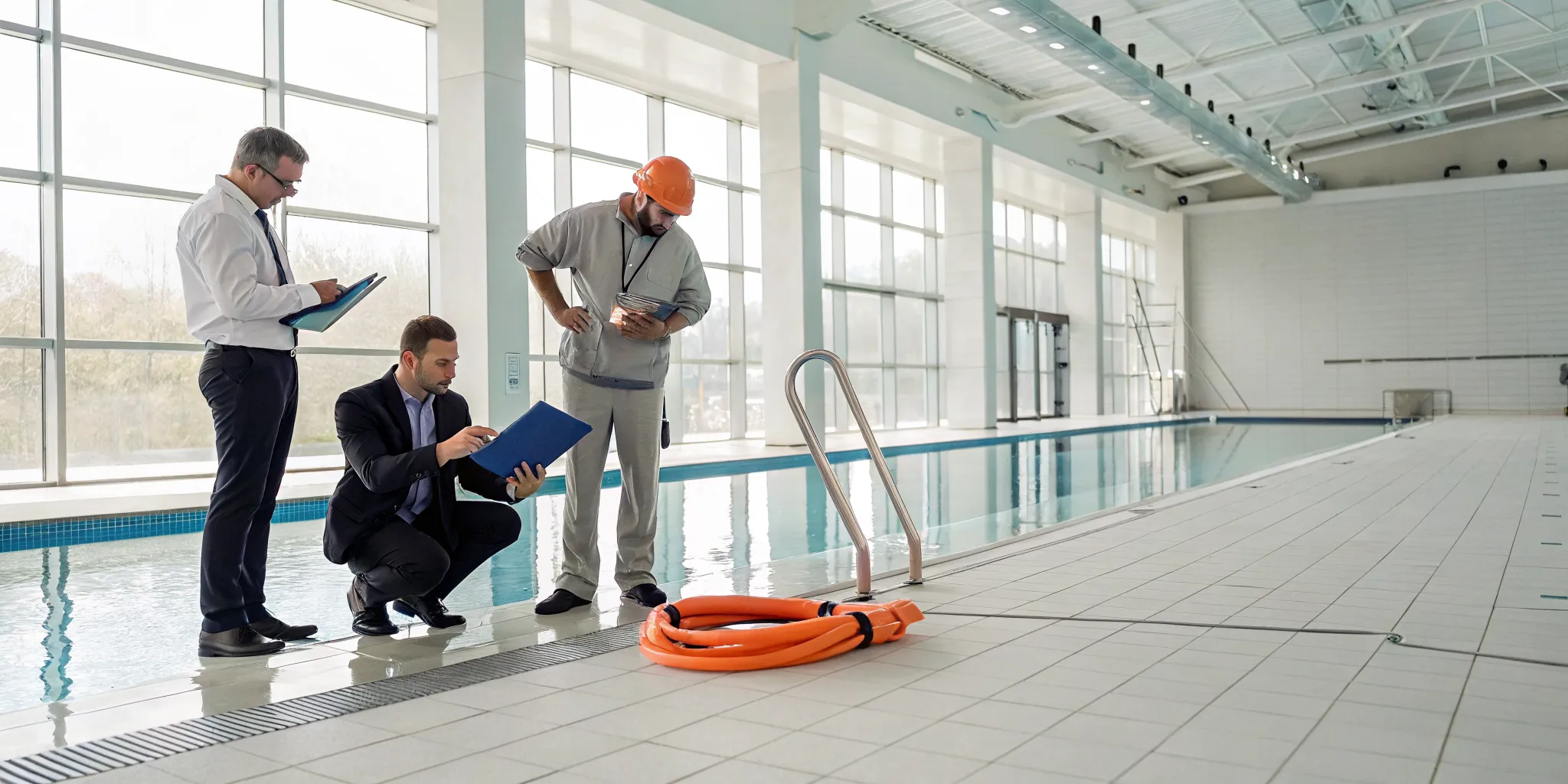
Your vigilant lifeguards are the heart of your safety plan, but they can't do it alone. A truly safe aquatic environment relies on layers of protection, where essential lifeguard equipment and clear signage work alongside advanced detection systems. Every piece must function together to create a comprehensive safety net. This is why selecting the right commercial pool safety equipment is so critical. It’s about more than just checking boxes; it's about empowering your staff to prevent incidents and respond effectively when every second counts.
Key Takeaways
- Integrate traditional and modern safety tools: The most effective safety plans combine essential rescue gear and clear signage with advanced technology, like drowning detection systems, to create multiple layers of protection for swimmers.
- Choose a provider who is a true safety partner: Look beyond the product catalog and select a company that offers certified equipment, comprehensive staff training, and reliable ongoing support to help you maintain the highest standards.
- Budget for the entire equipment lifecycle: A smart financial plan accounts for more than the initial purchase; it includes funds for long-term maintenance and continuous staff training to ensure your equipment and team are always ready to respond.
Your Essential Commercial Pool Safety Equipment Checklist
Creating a safe swimming environment starts with having the right equipment on hand. Think of your safety gear as layers of protection that work together to prevent accidents and ensure a quick response when incidents occur. A well-stocked and maintained inventory is non-negotiable for any commercial aquatic facility. From classic rescue tools to modern technology, every piece plays a vital role. Use this checklist to review your current setup or to build a comprehensive safety plan from the ground up.
Essential Lifeguard and Rescue Gear
Your first line of defense in an emergency is your rescue equipment. Make sure your facility is equipped with a variety of life-saving gear to handle different situations. This includes essentials like ring buoys with attached ropes, rescue tubes for lifeguards, and backboards for safe extraction from the water. You should also have a stock of US Coast Guard-approved life jackets in various sizes to fit infants, children, and adults. Having a complete set of rescue tools ensures your team can respond effectively and confidently to any swimmer in distress.
Lifeguard Chairs and Stations
A lifeguard’s effectiveness is directly tied to their vantage point. An elevated lifeguard chair provides a clear, sweeping view of the swimming area, making it easier to spot a swimmer in distress. Think of it as the command center for your on-deck staff. Placing these stations strategically around the pool ensures there are no blind spots and that every zone is under constant supervision. This fundamental piece of equipment empowers your lifeguards to be proactive, supporting their visual scans and allowing them to anticipate issues before they become emergencies. When paired with modern tools like Lifeguard Alert equipment, a well-positioned station becomes an even more powerful hub for water safety.
Reaching and Rescue Tools
Not every rescue requires a lifeguard to enter the water. Reaching poles and shepherd's crooks are essential for assisting a struggling swimmer from the safety of the pool deck. These tools enable a quick, low-risk response, allowing a lifeguard to extend their reach and pull someone to safety without initiating a more complex in-water rescue. This can be critical in preventing a single incident from escalating. To be effective, these tools must be kept in easily accessible locations around the perimeter of the pool, ensuring they are always within reach when seconds count. They are a simple but indispensable part of your facility’s emergency action plan.
Personal Flotation and Rescue Devices
Providing access to approved personal flotation devices (PFDs) is a key layer of proactive safety. This includes having a stock of US Coast Guard-approved life jackets in a range of sizes for infants, children, and adults who may be weak or non-swimmers. For active rescues, ring buoys are a must-have. These throwable devices, equipped with a rope, allow staff or even other patrons to provide immediate buoyancy to a conscious person in distress. Ensuring your facility is stocked with these certified rescue devices is a fundamental step in creating a safe and accommodating environment for everyone.
Spine Boards and Backboards
In the event of a suspected head, neck, or spinal injury, a backboard is a critical piece of specialized equipment. These rigid, waterproof boards are designed to immobilize a person in the water, allowing your trained staff to safely extract them while minimizing further injury. Modern spine boards are lightweight for easy handling and brightly colored for high visibility during a chaotic emergency. Having a properly maintained backboard, along with staff who are certified in its use, is a non-negotiable component of a comprehensive safety plan for any commercial aquatic facility. It’s a tool you hope to never use but must always have ready.
Barrier Buoys and Lane Lines
Managing a busy pool is all about creating order and predictability. Barrier buoys and lane lines are essential visual cues that help organize the swimming area and direct traffic. They delineate specific zones for different activities, such as lap swimming, lessons, or open play, which helps prevent collisions and keeps swimmers in appropriate depths. By creating a structured environment, you make it easier for lifeguards to monitor their designated zones effectively. These simple tools play a huge role in maintaining control over a dynamic aquatic environment, reducing chaos and enhancing the overall safety and experience for your guests.
Don't Forget Safety Signs and Communication Tools
Clear communication is key to preventing accidents before they happen. Effective safety signage acts as a constant reminder of your facility's rules and potential hazards. Your pool area should have clearly visible signs that display pool rules, water depth, and warnings like “No Diving” in shallow areas. These signs inform patrons and reinforce your safety protocols. Beyond static signs, consider communication tools like whistles for lifeguards and a public address (PA) system for facility-wide announcements. These tools are essential for managing crowds and communicating during an emergency.
Choosing Effective Signage
When selecting signs, focus on clarity and visibility. Your signs should use simple language and universally recognized symbols so everyone, including children and non-native speakers, can understand them at a glance. Place them in high-traffic areas where they can’t be missed—at the entrance, near ladders, and in shallow zones. Key information to display includes pool depth, rules like “No Running,” and specific warnings such as “No Diving.” These signs are a critical component of a comprehensive safety plan, working alongside your staff and other equipment to create a secure environment. Regularly inspect your signs for fading or damage to ensure they remain legible and effective all season long.
Stocking Your First Aid and Emergency Response Kits
When an injury occurs, a quick response with the right supplies can make all the difference. Your facility needs fully-stocked first aid and emergency response kits that are easily accessible. These kits should be suitable for the number of people your facility serves and checked regularly to replenish used or expired items. A standard kit should include bandages, antiseptic wipes, gauze, adhesive tape, and CPR masks. Having these first aid supplies ready allows your staff to provide immediate care while waiting for professional medical help to arrive.
Sizing Your Kits Appropriately
The right first aid kit isn't a one-size-fits-all item; its contents and size should directly reflect your facility's maximum bather load. A larger facility with more swimmers naturally faces a higher potential for incidents, so your kits must be scaled accordingly. Beyond the initial setup, schedule routine checks to restock any used supplies and replace expired items. This isn't just about ticking a box—it's a crucial part of a comprehensive safety plan that keeps your team prepared. When your staff knows they have a fully-equipped and properly maintained kit, they can act with greater confidence and efficiency in any situation.
Securing the Pool Perimeter
Beyond the immediate poolside, your safety plan needs to account for the entire aquatic area. Controlling who enters the pool area and when is a fundamental layer of drowning prevention. A secure perimeter helps prevent unauthorized access, especially during off-hours, reducing the risk of accidents when no staff is present. This involves creating physical barriers and alert systems that work together to maintain a controlled environment. By securing the perimeter, you establish a clear boundary for safety and ensure that every person who enters the water is accounted for and supervised.
Safety Fences and Gates
A sturdy safety fence is your first line of defense in preventing unauthorized entry. For commercial facilities, fences must meet specific height and construction standards to be effective. They create a physical barrier that is particularly crucial for keeping unattended children out of the pool area. Just as important as the fence are the gates; they should be self-closing and self-latching, with latches placed high enough to be out of a small child's reach. Regularly inspecting your safety fences and gates for any damage or malfunction is a simple but critical maintenance task that ensures your perimeter remains secure at all times.
Pool Alarms
Pool alarms add an essential layer of technological surveillance to your physical barriers. These systems can detect a breach in the perimeter, such as a gate being opened or left ajar, and sound a loud alarm to alert staff. This is especially important for facilities with multiple entry points that can be difficult to monitor simultaneously. While perimeter alarms are crucial, modern safety extends into the water itself. Advanced systems can now monitor swimmers for signs of distress, providing an even greater level of protection. Integrating these technologies ensures you have alerts for both unauthorized entry and in-water emergencies.
Organizing and Training with Your Equipment
Having the right safety equipment is only half the battle; your team needs to be able to access it quickly and know how to use it effectively. Organization and training are the pillars that make your safety gear truly functional. A well-organized equipment layout means no time is wasted searching for a crucial item during an emergency. Paired with comprehensive, ongoing training, this ensures your staff can respond with confidence and precision. This operational readiness transforms your inventory of equipment from a simple checklist into a dynamic, life-saving system.
Complete Safety Stations and Storage
Your rescue equipment should be stored in clearly marked, easily accessible safety stations. These stations should be strategically placed around the pool deck so that gear like ring buoys, throw lines, and life jackets are always within reach. A complete safety station keeps everything in one place, preventing clutter and ensuring lifeguards can grab what they need without a moment's hesitation. Regularly inventorying these stations is essential to make sure they are fully stocked and that all equipment is in good working order, ready for immediate deployment in any situation.
Essential Training Tools
Effective training requires both the right tools and a commitment to continuous education. Your facility should have training aids, such as manikins for CPR practice, and ensure your first aid kits are always fully stocked for any scenario. However, the most important tool is knowledge. As you strengthen your water safety plan, remember that your budget must account for ongoing staff training. Regular drills should cover everything from traditional rescue techniques to operating modern technologies like a drowning detection system. When your team is well-versed in using every piece of equipment, their ability to act decisively in an emergency improves dramatically.
Should You Invest in Drowning Detection Tech?
While traditional equipment is essential, technology offers an additional layer of protection that can be a true game-changer. Advanced systems provide constant monitoring to help lifeguards spot swimmers in distress faster. For example, the WAVE GUARDian system uses swimmer-worn trackers to monitor individuals in real time. If a swimmer is submerged for too long, the system sends an immediate, high-priority alert to lifeguards. This technology acts as an extra set of eyes on every person in the water, providing critical seconds to respond and prevent a potential tragedy.
How to Choose a Safety Equipment Provider
Choosing a safety equipment provider is a major decision that impacts your swimmers, your staff, and your facility's reputation. It’s about more than just buying products; it’s about forming a partnership with a company that prioritizes safety as much as you do. The right provider will offer reliable equipment, expert guidance, and ongoing support to help you create the safest possible environment. As you evaluate your options, consider the key factors that separate an adequate supplier from a true safety partner. A great partner acts as an extension of your team. They should understand the unique challenges of your facility and offer solutions tailored to your needs, not just a one-size-fits-all catalog.
Look for a company with a proven track record and a deep commitment to innovation in aquatic safety. Their expertise can be an invaluable resource, helping you stay ahead of evolving standards and best practices. This partnership is a long-term investment in the well-being of everyone who visits your pool, so it's worth taking the time to find a provider you can trust completely. Think about their communication style, their responsiveness, and their willingness to work with you to solve problems. Do they just sell equipment, or do they offer a comprehensive safety solution? The answers to these questions will guide you to a provider that not only meets your immediate needs but also supports your long-term safety goals.
Look for These Quality Standards and Certifications
Your first checkpoint when evaluating a provider should be their commitment to quality standards. Ensure any equipment you consider meets or exceeds recognized industry certifications. This isn't just about checking a box; it's a fundamental measure of reliability and performance. Certified products have undergone rigorous testing to confirm they function as expected under demanding conditions. This verification is crucial for both the safety of your patrons and the protection of your facility from liability. A reputable provider will be transparent about their certifications and readily provide documentation. Don’t hesitate to ask for proof of compliance, as this is a non-negotiable baseline for any safety equipment you purchase.
U.S. Coast Guard (USCG) Approval
When you're selecting safety equipment for your aquatic facility, keep an eye out for items that are U.S. Coast Guard (USCG) approved. Think of this certification as a guarantee that the equipment meets strict safety standards, ensuring it will be reliable and effective in an emergency. For example, essential gear like ring buoys and life jackets should always carry this approval. Stocking a variety of USCG-approved life jackets for all sizes is a critical step in accommodating every patron safely. This isn't just about checking a box; it's about knowing your equipment has undergone rigorous testing to perform under pressure, which provides a crucial layer of protection for your swimmers and your facility.
Consider Their Product Range and Specialization
A provider with a diverse product catalog can simplify your procurement process, but it’s also important to look for specialization. Your facility needs a range of equipment, from safety signs and rescue tubes to more advanced systems. A provider who offers a comprehensive selection demonstrates a deep understanding of aquatic safety needs. Pay special attention to companies that are leaders in a specific area. For example, WAVE’s drowning detection systems represent the gold standard in lifeguard assistance and swimmer protection. Choosing a provider with specialized, high-tech solutions ensures you have access to the best tools available to create a secure swimming environment for everyone.
What Kind of Support and Training Do They Offer?
The relationship with your equipment provider shouldn't end once the transaction is complete. Excellent customer support and thorough training are just as important as the equipment itself. A great partner will guide you through installation and ensure your staff knows how to use every feature correctly. Ongoing training is vital, especially for sophisticated systems that require your team to follow specific protocols. Look for a provider that offers accessible support and is committed to working with your lifeguards and facility managers. This collaborative approach ensures your team is confident and your safety systems are always used to their full potential, making your entire operation safer.
Ask About Their Warranty and Maintenance Programs
Safety equipment is a significant investment, and you need it to perform reliably for years. A strong warranty is a clear indicator of a provider's confidence in their product's durability and quality. Before you buy, review the warranty terms to understand what is covered and for how long. Beyond the warranty, ask about recommended maintenance schedules and available support programs. Regular inspections and timely upkeep are essential for keeping equipment in life-saving condition. A provider that offers clear maintenance guidelines or service programs shows a commitment to the long-term performance of their products and your facility’s safety. You can often find answers to these questions on a company's FAQ page.
Choosing the Right Safety Equipment for Your Facility
Selecting the right safety equipment isn't a one-size-fits-all process. It’s about creating a complete safety ecosystem tailored to your facility's unique environment and the people you serve. By carefully considering your needs, understanding regulations, and choosing tools that work together, you can build a safer experience for every swimmer. This approach ensures your lifeguards are supported and your safety protocols are as effective as possible.
First, Pinpoint Your Facility's Specific Needs
Every aquatic facility has its own personality. Is your pool a bustling hub for families, a quiet lap swimming venue, or a dynamic water park with complex features? Consider factors like your pool’s size, depth, typical bather load, and any unique elements like slides or dark water. The goal is to find equipment that helps your lifeguards focus on their most important job: watching the water. High-quality, reliable products should simplify operations, not complicate them. Understanding how a system works within different environments is the first step to choosing the right fit for your specific challenges and ensuring your team feels confident and prepared.
Are You Meeting Compliance and Regulations?
Staying on top of safety regulations is non-negotiable. Federal laws, like the Virginia Graeme Baker Pool and Spa Safety Act (VGB), set baseline requirements for things like anti-entrapment devices on drains. However, your state and local health departments often have their own specific rules you need to follow. Before making any purchases, take the time to research the commercial pool safety requirements that apply to your facility. This ensures you’re not only protecting your swimmers but also operating a compliant and responsible business. Choosing certified equipment from a reputable provider can give you peace of mind that you’re meeting these critical standards.
Don't Make These Common Equipment-Buying Mistakes
It’s easy to get overwhelmed by options, but a few common missteps can be easily avoided. One major mistake is choosing equipment without a clear plan for its upkeep. Neglecting regular inspections and maintenance can turn a top-of-the-line tool into a liability. Another pitfall is assuming more is always better, whether it's chemicals or complicated systems that your team isn't trained to use. Instead, focus on durable, user-friendly equipment that fits your operational workflow. When you do invest in new technology, make sure you have access to a reliable support portal to help with troubleshooting and long-term care.
Ensure It Integrates with Your Existing Systems
The best safety equipment doesn’t replace your lifeguards; it supports them. When evaluating new technology, ask how it will fit into your current safety protocols. The ideal system acts as another set of eyes, working alongside your team to monitor every swimmer in real time. For example, tools like a Lifeguard Alert can instantly notify your facility if a guard enters the water for a rescue, streamlining your emergency response. Your goal should be to create a layered safety approach where technology and your highly trained staff work together seamlessly. This integration is what transforms a collection of equipment into a comprehensive safety solution.
How to Budget for Commercial Pool Safety Equipment
Creating a budget for safety equipment is about more than just price tags; it’s a strategic investment in the well-being of every person at your facility. A smart budget accounts for the initial purchase, ongoing upkeep, and the training that empowers your team to act confidently in an emergency. Thinking through these three areas helps you build a financial plan that supports a truly safe environment, ensuring your equipment and staff are always ready.
Calculating the Upfront Costs
The initial investment is the most direct part of your budget. This includes essential gear like lifeguard chairs, rescue tubes, backboards, and first aid kits. It’s also the time to consider integrating advanced technology, as modern tools like drowning detection systems are becoming a critical layer of protection. When you map out your expenses, think about creating a complete safety net. A provider offering a range of options can help you build a customized safety solution that fits your facility’s unique needs and budget.
Think About Long-Term Maintenance
Your financial planning shouldn't stop after installation. Regular maintenance is essential for keeping your gear in top working condition and ensuring it functions correctly when you need it most. Neglecting routine inspections can lead to equipment failure and more expensive repairs. Your budget should include funds for regular upkeep, from replacing worn-out rescue tube straps to servicing high-tech components. When choosing a provider, ask about their maintenance programs and what ongoing support they offer. A proactive approach to maintenance protects both your swimmers and your investment.
Remember to Budget for Staff Training and Upkeep
The best safety equipment is only as effective as the people using it. Proper training is a crucial part of your safety budget. Your team needs to know exactly how to use every piece of equipment, from a simple rescue can to a sophisticated alert system. Set aside funds for initial onboarding and regular refresher courses to keep your staff’s skills sharp. Investing in your team’s education ensures they can respond effectively in critical moments. This ongoing training is fundamental to how a safety system works in the real world.
Related Articles
- How Tech Can Fill The Safety Gaps in Your Pool
- Strengthen Your Water Safety Plan: Why Lifeguards Alone Aren’t Enough
- The Complete Guide to Choosing the Right Drowning Prevention System
- Lifeguard Equipment for Saving Lives
- What’s New in Drowning Prevention? 4 Tips from Water Safety Experts
Frequently Asked Questions
Is advanced technology like a drowning detection system necessary if I already have well-trained lifeguards? Think of advanced technology as a powerful tool that supports your lifeguards, not a replacement for them. Even the most attentive lifeguard is human and can’t watch every swimmer every second, especially in a crowded pool. A drowning detection system acts as an extra, unblinking set of eyes that monitors everyone simultaneously. It provides an immediate alert when a swimmer is in distress, giving your team critical seconds to respond. This integration of skilled staff and smart technology creates the most comprehensive safety net possible.
How often should I be inspecting my safety equipment? The frequency of inspections depends on the equipment itself. Lifeguards should perform quick visual checks of their rescue tubes and the immediate pool area at the start of every shift. A more thorough inventory, including checking first aid kits for expired items and examining backboards for cracks, should happen weekly. For high-tech systems, it's best to follow the manufacturer's recommended maintenance schedule. The key is to create a consistent routine and keep a detailed log of all inspections and maintenance performed.
What's the first step in choosing the right equipment for my specific facility? Before you look at any catalogs or websites, start by conducting a thorough assessment of your own facility. Consider your pool's unique characteristics: its size and depth, the average number of swimmers, the types of activities you host, and any special features like slides or dark water. This analysis will help you identify your specific risks and operational challenges. Once you have a clear picture of your needs, you can begin searching for equipment that directly addresses them.
How can I ensure the equipment I purchase meets safety regulations? Staying compliant is crucial, and it starts with research. While federal laws provide a baseline, your state and local health departments often have more specific requirements for commercial pools. Contact these agencies directly to get a clear understanding of the rules in your area. When selecting a provider, choose one with a strong reputation that is transparent about their product certifications. A trustworthy partner will be able to provide documentation showing their equipment meets or exceeds industry standards.
Beyond the initial price, what other costs should I include in my safety equipment budget? A smart safety budget looks beyond the upfront purchase. You should also plan for the long-term costs of ownership. This includes setting aside funds for regular maintenance and eventual replacement of items that wear out over time. Most importantly, factor in the cost of comprehensive staff training. Your team needs to be completely confident in using every piece of equipment, so investing in initial and ongoing education is essential for making your safety plan effective.
