
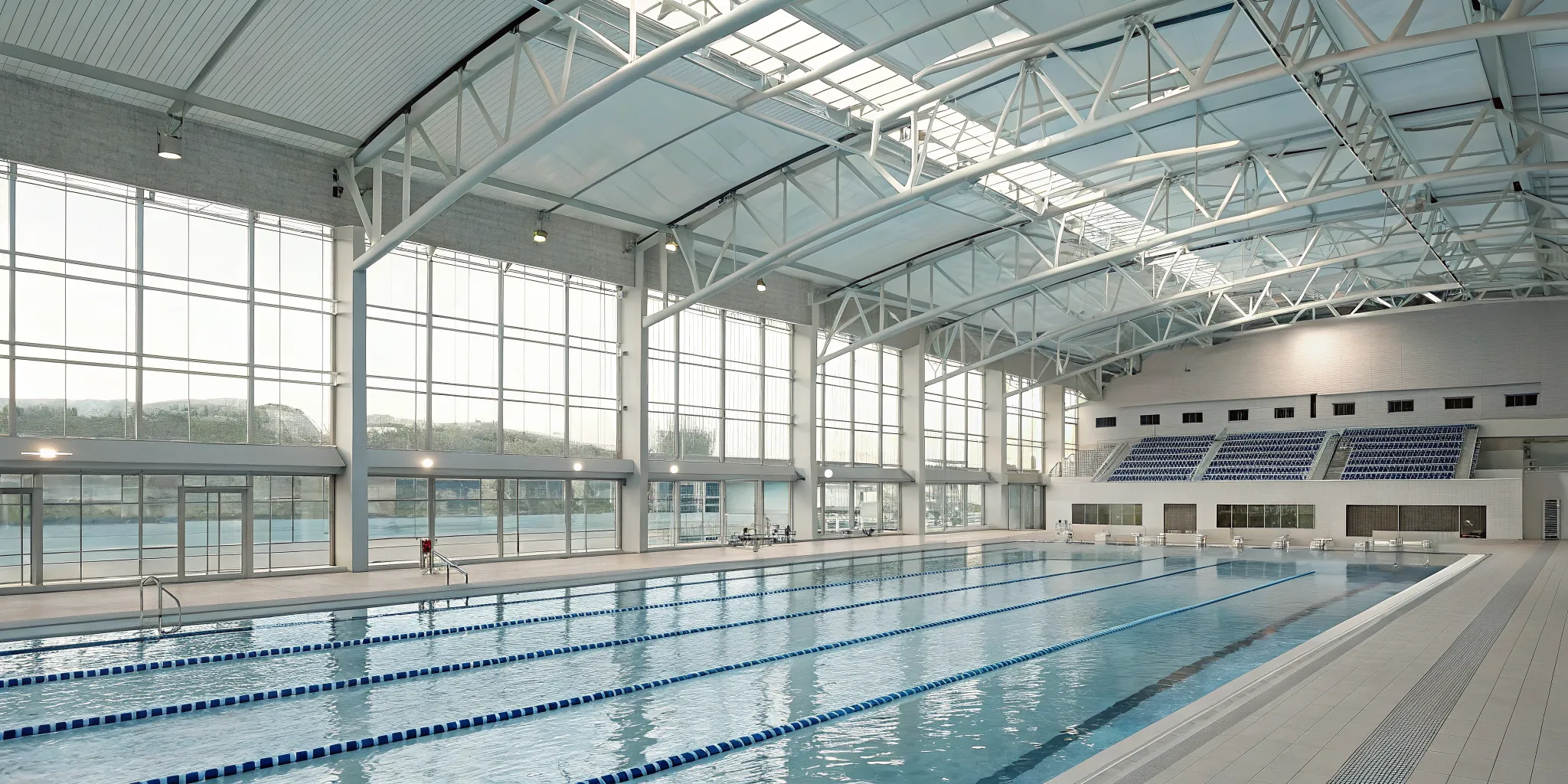
Managing a busy community pool or a sprawling water park with blind spots presents serious operational challenges. When you add low-visibility water to the mix, the risks climb even higher. For these facilities, a lifeguard alert system isn't just another expense—it's a direct investment in managing your biggest risks. This technology acts as a force multiplier for your team, providing an essential layer of protection that human eyes alone can't always guarantee. This guide breaks down the specific scenarios where an alert system makes the most financial sense, helping you justify the investment.
Key Takeaways
- Look beyond the sticker price to find the total cost of ownership: A system's true price includes the initial hardware, installation, staff training, and any recurring service fees. This complete financial picture helps you budget accurately and avoid future surprises.
- Remember that system costs are customized for your facility: There is no standard price tag; the final investment is tailored to your pool's unique size, layout, and safety requirements. This ensures you get the precise coverage you need.
- Prioritize features that directly improve safety and efficiency: Advanced capabilities like real-time alerts and wearable trackers often justify a higher price. They provide a significant return on investment by shortening response times and giving your team dependable support.
What Is a Lifeguard Alert System?
Think of a lifeguard alert system as a high-tech partner for your aquatic safety team. At its core, it’s a set of digital tools designed to help lifeguards monitor swimmers and respond to emergencies faster than humanly possible. These systems, sometimes called drowning detection systems, don't replace lifeguards. Instead, they act as an extra layer of protection, using technology to automate rescue alerts and provide constant surveillance. The goal is to catch potential incidents the moment they begin, giving your team the critical seconds they need to save a life.
While a lifeguard’s attention can be split across a busy swimming area, an alert system uses sensors and real-time data to keep an unblinking eye on every person in the water. When the system detects a swimmer in distress, it sends an immediate, unmissable signal to the on-duty staff. This technology is a game-changer for aquatic facilities, offering a new standard in water safety. It’s about providing support where it matters most, ensuring your guards are equipped to handle any situation with speed and precision. WAVE’s GUARDian system is designed to integrate seamlessly into your existing safety protocols, making your facility safer for everyone without disrupting your team's workflow.
The Different Types of Lifeguard Alert Systems
Not all alert systems are created equal. They range from simple alarms to sophisticated networks of integrated devices. Modern swim safety technology typically combines advanced sensors, real-time data processing, and automated alerts to create a comprehensive safety net. For instance, WAVE offers different aquatic safety systems tailored to a facility's specific needs.
A complete setup, like the Lifeguard Alert Bundle, often includes several key components. You’ll find a central hub that acts as the brain of the operation, a pool monitor, and wearable smart tags for lifeguards. It also features remote speakers and sirens to ensure alerts are heard loud and clear across the entire facility. All these pieces work together through specialized software, creating a seamless communication channel between the system and your staff. This integrated approach ensures that from detection to response, the process is as efficient as possible.
Aquatic Safety Systems
This category is where systems like WAVE's GUARDian truly shine. Designed specifically for aquatic environments—from community pools to lakes—these systems focus on one thing: preventing drowning. They use a network of advanced sensors and wearables to monitor swimmers in real time. Unlike general alarm systems, aquatic safety technology is built to function in and around water. For example, WAVE’s smart lifeguard equipment sends automated rescue alerts directly to your staff, pinpointing the exact location of a potential incident. This gives your team a powerful advantage, turning a reactive situation into a proactive, life-saving response.
Public Health Emergency Systems
Stepping outside the aquatic facility, you'll find public health emergency systems. These are designed for broader safety applications, such as in supportive housing or public restrooms. A device like LifeguardLite™, for instance, provides a direct line to 911 for medical emergencies and can operate without a Wi-Fi connection. While the goal is still to save lives, the context is entirely different. These systems are built for general emergencies in public spaces, not for the unique challenges of monitoring swimmers in a dynamic water environment. They offer a crucial service but lack the specialized sensors and real-time tracking needed for aquatic safety.
Personal At-Home Safety Systems
On an even more individual level, there are personal at-home safety systems. You've likely seen these advertised as medical alert devices, offering help at the touch of a button. Companies like Home Lifeguard provide 24/7 monitoring services for individuals, often seniors or those with specific health conditions, in their own homes. These systems are invaluable for personal security and peace of mind, but they are entirely user-dependent. They require the person to be conscious and able to press a button to call for help, which is a stark contrast to the automated detection capabilities of a dedicated aquatic safety system.
How a Lifeguard Alert System Enhances Safety
The real value of a lifeguard alert system lies in its ability to shorten the time between the start of an incident and the beginning of a rescue. The system provides real-time data that helps your team respond with incredible speed. It works by continuously monitoring every swimmer. If a swimmer's wearable tag is submerged for a dangerous length of time, the system instantly triggers an alert.
This alert isn't just a passive beep. The WAVE hub sends a signal directly to the bracelets worn by your on-duty guards, letting them know exactly where to look. Once a guard enters the water to perform the rescue, the system can escalate the alarm, activating audio and visual alerts throughout the facility to clear the pool and inform management. This technology gives your lifeguards the backup they need, turning a potential tragedy into a successful intervention. By providing immediate and precise information, these systems empower your team to act decisively.
"Lifeguard Down" Alerts
It’s natural to focus on swimmer safety, but what happens if a lifeguard is the one who needs help? A “Lifeguard Down” alert is a crucial feature that addresses this exact scenario. If a guard becomes incapacitated, the system ensures the rest of the team knows immediately. The WAVE system accomplishes this with a small, waterproof tag worn by each on-duty lifeguard. Should a guard go underwater, the system instantly sends a signal to the Lifeguard Alert bracelets worn by other staff members. From there, the alert can escalate to facility-wide audio and visual alarms to clear the pool and inform management. This technology gives your lifeguards the backup they need, turning a potential crisis into a coordinated response and showing that their safety is just as important.
What Determines the Cost of a Lifeguard Alert System?
When you’re looking to add a layer of safety to your aquatic facility, one of the first questions you'll have is about the price. The cost of a lifeguard alert system isn't a simple, off-the-shelf number. It’s a tailored investment that depends on your specific needs. Think of it less like buying a product and more like developing a comprehensive safety solution. Several key factors come into play, from the sophistication of the technology to the physical layout of your pool. Understanding these variables will help you see the full picture and make an informed decision that fits your budget and, most importantly, protects your swimmers. Let's break down exactly what goes into the final price tag so you can approach your decision with confidence.
How Technology and Features Affect the Price
The core technology driving the system is the biggest factor in its cost. A basic system that simply sounds an alarm when a button is pressed will be on the lower end of the price spectrum. However, more advanced systems that use AI, computer vision, and wearable trackers to proactively identify swimmers in distress will represent a larger investment. These sophisticated solutions, like the GUARDian drowning detection system, provide comprehensive monitoring that works alongside your lifeguards, offering a much higher level of protection. The use of this kind of advanced technology augments lifeguard vigilance, which is reflected in the system's value and price.
How Facility Size and Layout Affect Cost
The physical size and layout of your aquatic environment directly influence the cost. A single, small rectangular pool will require less hardware than a large, multi-pool facility or a sprawling water park with slides and lazy rivers. To ensure there are no blind spots, larger or more complex areas need more sensors, cameras, and alert stations. Each piece of additional equipment adds to the total price. When requesting a quote, be prepared to provide detailed information about your facility’s dimensions and unique features to get an accurate estimate based on the required coverage.
The Cost of Quality: Equipment and Durability
Not all hardware is created equal, especially when it’s meant for a pool environment. The quality and durability of the components play a significant role in the system's price. Equipment built to withstand constant exposure to water, chlorine, and sunlight will have a higher upfront cost than less robust alternatives. Investing in high-quality, commercial-grade hardware like durable Swimmer Alert wearables can lead to lower maintenance and replacement costs over time. It’s a classic case of getting what you pay for, and when it comes to safety, reliability is key.
Component Lifespan and Battery Life
Beyond the initial purchase, the lifespan of each component and the reliability of its battery life are critical factors in the total cost of ownership. Aquatic facilities are tough on equipment. Constant exposure to chlorine, sun, and water can quickly degrade materials that aren't up to the task. While systems with robust, commercial-grade components may come with a higher price, they are built to last, reducing the need for frequent replacements and saving you money in the long run. This is especially true for battery-powered devices like wearable trackers. A system that relies on batteries with a short life creates operational headaches and potential gaps in coverage. Look for systems with long-lasting, rechargeable batteries to ensure your equipment is always ready and to minimize ongoing maintenance costs.
Budgeting for Installation and Customization
Finally, the cost of getting the system installed and configured for your specific facility is a crucial part of the budget. Some systems may require complex wiring and professional integration with your existing infrastructure, while others might be simpler to set up. A customized solution designed to fit the unique angles and features of your pool will be more involved than a standard package. When you get started with a provider, they will assess your facility to determine the installation requirements, which will be factored into the final quote. This ensures the system functions perfectly from day one.
What's the Real Price Tag on a Lifeguard Alert System?
When you start looking into drowning detection systems, one of the first questions you'll have is about the cost. The truth is, there isn't a single price tag. The investment depends entirely on the technology's complexity, the size of your facility, and the specific features you need to keep your swimmers safe. Think of it less like buying a product off the shelf and more like creating a customized safety net for your unique aquatic environment. The final cost is a combination of equipment, software, installation, and ongoing support.
It’s helpful to break down the pricing into different tiers, from basic setups to comprehensive, facility-wide solutions. Understanding what each level offers helps you see beyond the initial quote and evaluate the long-term value. A system isn't just a line item in your budget; it's a critical part of your safety operations. As you explore your options, focus on the total cost of ownership, which includes not just the upfront price but also any recurring fees for service, maintenance, and potential upgrades down the road. This complete picture ensures you find a system that fits your budget and, more importantly, provides reliable protection.
Entry-Level Systems: What You Get for the Price
Entry-level systems offer a foundational layer of electronic monitoring. These are typically the most budget-friendly options and might include simple poolside alarms or basic personal alert devices for lifeguards. While they can add a degree of security, they often have limitations. For instance, they may rely heavily on manual activation or cover only a small, specific area. These systems are a step up from purely manual supervision but generally lack the sophisticated detection capabilities, real-time tracking, and automated alerts found in more advanced setups. They can be a starting point for smaller, low-traffic pools where the primary goal is to supplement existing safety protocols without a major capital investment.
WAVE's Professional Plan Pricing
For facilities that need a more robust solution, professional-grade systems offer a significant step up in safety technology. WAVE’s recommended plan, the GUARDian Lifeguard Alert Bundle, starts at $149 per month. This investment equips your team with a comprehensive system designed for proactive monitoring. It includes advanced features like wearable trackers for swimmers and real-time alerts sent directly to your lifeguards. The cost reflects the sophisticated technology that works continuously to monitor every swimmer, providing the data your team needs to respond with incredible speed. This level of protection offers a powerful support system for your guards, justifying the investment by creating a much safer environment for everyone in the water.
Mid-Range Systems: Balancing Features and Cost
Mid-range systems represent a significant step up in capability and are often a great fit for community pools and many aquatic centers. These solutions offer a better balance of cost and features, typically including more advanced sensors or wearable technology for swimmers that can provide more reliable alerts. You’ll find better area coverage and more robust communication tools that link directly to your lifeguard staff. While they may not have the AI-powered analytics of premium tiers, they provide a solid, dependable safety net that automates key aspects of swimmer monitoring. This tier is designed for facilities that need a reliable system to actively support their lifeguards during daily operations.
WAVE's Ultimate Plan Pricing
For facilities where safety is the absolute top priority, the ultimate tier offers the most advanced and comprehensive protection available. This isn't just an alert system; it's a complete, integrated safety ecosystem. WAVE's Ultimate Plan is built around the GUARDian system, which uses sophisticated technology to provide proactive monitoring for every swimmer. This plan combines all of our premium components, including real-time Lifeguard Alert equipment and individual Swimmer Alert wearables, into one seamless network. The price reflects a fully customized solution tailored to your facility's unique layout and risk factors, ensuring there are no gaps in coverage. It’s the definitive choice for large, complex venues or any facility committed to the highest standard of care.
Premium Systems: The Top-Tier Investment
Premium systems offer the most comprehensive and technologically advanced protection available. These are integrated platforms, like the WAVE GUARDian system, that use a combination of wearable devices, overhead detection, and sophisticated software to monitor every swimmer in real time. They can distinguish between normal swimming and signs of distress, sending instant, specific alerts to lifeguards. While the initial investment is higher, these systems provide unparalleled peace of mind and operational efficiency. When comparing premium options, it's crucial to look for transparent pricing and avoid providers who add hidden fees for equipment or service after the first year. A premium system is a true partner in your facility's safety plan.
Factoring in Ongoing Service and Subscription Costs
Beyond the initial hardware and installation, it’s important to budget for ongoing service fees. These costs cover the essential background services that keep your system running smoothly. Common fees can include software subscriptions, data hosting, cellular or network connectivity, and access to customer support. Some companies may also charge for equipment warranties, routine maintenance checks, or replacement parts. Before you commit to a system, make sure you have a clear understanding of all recurring charges. Ask for a detailed breakdown of what’s included in any monthly or annual fee so you can accurately calculate the total cost of ownership and avoid any financial surprises.
Which Features Are Worth the Higher Price?
When you're looking at different alert systems, the price can jump significantly based on the features included. It’s easy to get sticker shock, but it’s important to understand what you’re paying for. Not all features are created equal, and some provide a level of safety and operational efficiency that truly justifies the investment. Think of it less as an expense and more as an investment in your facility's most critical asset: the well-being of your swimmers. A higher upfront cost for the right features can lead to a safer environment, a more effective team, and greater peace of mind for everyone. Let's break down which high-end features deliver the most value and why they might be worth the higher price for your facility.
Is Advanced Detection Worth the Splurge?
At its core, an alert system is only as good as its ability to detect a real emergency. Basic systems might use simple motion sensors, but premium options offer far more sophistication. Modern swimmer safety technology uses advanced sensors and intelligent algorithms to analyze a swimmer's movement and depth. This means the system can tell the difference between a child playing underwater and someone in actual distress. The biggest benefit here is a massive reduction in false alarms. Constant false alerts can lead to lifeguard fatigue and complacency, so investing in a smarter system that only alerts you to genuine threats keeps your team sharp, focused, and ready to respond when it truly matters.
Why Real-Time Alerts Are a Critical Feature
In a potential drowning situation, every single second counts. A premium feature worth paying for is an instantaneous and multi-layered alert system. When a swimmer is in danger, the system should immediately trigger alerts that are impossible to miss. This often includes a combination of vibrating bracelets worn by lifeguards, bright flashing lights, and audible alarms. The WAVE Lifeguard Alert equipment, for example, ensures that the on-duty guards are notified the moment a swimmer's tag is submerged for too long. This direct, real-time notification cuts through the noise and distractions of a busy pool environment, dramatically shortening the time between incident detection and rescue initiation.
The Benefit of Integrating Wearable Tech
One of the biggest challenges for lifeguards is maintaining a clear line of sight on every swimmer, especially in large or crowded pools. This is where wearable devices make a huge difference. These personal Swimmer Alert tags are worn by each person in the water, providing individualized monitoring. The system tracks each swimmer simultaneously, offering a layer of protection that doesn't depend on human sight alone. This feature is invaluable for facilities with irregular shapes, play structures that create blind spots, or high traffic. It gives your team an extra set of eyes on every single person, ensuring no one gets overlooked, and provides peace of mind for parents and patrons.
Swimmer Trackers and Goggle Clips
Individual swimmer trackers are a core component of a truly advanced safety system. These small, lightweight devices, often designed as goggle clips, are assigned to each swimmer upon entry. Their job is simple but vital: to monitor for prolonged submersion. If a swimmer's tracker stays underwater beyond a preset, unsafe time limit, it automatically sends a signal to the system's central hub. This feature provides a level of individualized attention that is impossible to achieve with human sight alone, especially in crowded or dark water. The investment in this technology is justified by its ability to provide a clear, data-driven alert for a specific person in distress, removing ambiguity and focusing your team's attention where it's needed most.
Lifeguard Wearables
While swimmer trackers monitor for danger, lifeguard wearables ensure the alert is received instantly. These devices, typically worn as a wristband, are the final link in the communication chain. When the central hub receives a distress signal from a swimmer's tracker, it doesn't just sound a general alarm. Instead, the WAVE system sends a direct signal to the wearables worn by your on-duty guards, using a vibration or light to pinpoint the incident's location. This targeted notification allows for a swift, discreet, and effective response without causing unnecessary panic among other patrons. This feature is worth the price because it eliminates guesswork and shaves critical seconds off response times, telling your team not just that there's a problem, but exactly where to look.
The Power of Two-Way Communication
Top-tier systems do more than just sound an alarm; they help manage the entire emergency response. Features that support two-way communication and coordinated action are a significant step up. For instance, after a guard is alerted and enters the water, the central GUARDian System can automatically play pre-recorded audio announcements to other patrons, instructing them to clear the area. It can also trigger visual alerts around the facility to notify other staff members that a rescue is in progress. This turns a chaotic moment into a controlled, systematic response, allowing the rescuing lifeguard to focus solely on the swimmer while the system handles crowd control and communication. This level of incident management is a game-changer for safety and efficiency.
Centralized System Management via an App
A powerful safety system needs a simple command center, and that’s where a dedicated app comes in. This feature brings all the moving parts of your alert system—the wearables, the sensors, and the alarms—into a single, intuitive interface on a tablet or phone. Instead of your staff having to manage multiple devices, a centralized app streamlines operations, allowing facility managers to monitor the system's status, oversee swimmer activity, and manage alerts from one place. This makes sophisticated swimmer safety technology accessible and easy to use for your entire team. It ensures that the whole process, from detection to response, is as efficient as possible, giving you a clear overview of your facility’s safety at all times.
What Other Costs Should You Budget For?
The initial price of a lifeguard alert system is a major part of the investment, but it's not the whole picture. To create a truly accurate budget, you need to think about the other costs that come with implementing and maintaining this kind of technology. These can include one-time fees for getting everything set up, the cost of training your team, and ongoing expenses for maintenance and potential upgrades down the road.
Thinking about these factors from the start helps you avoid surprises and ensures you can support the system for its entire lifespan. A clear understanding of the total cost of ownership allows you to make a confident, informed decision that aligns with your facility's financial planning. When you request pricing information, it's a good idea to ask for a full breakdown of all potential costs, not just the price of the hardware itself. This foresight ensures your new safety system is a sustainable and effective part of your operations for years to come.
Professional Installation and Setup Fees
Once you've chosen a system, the next step is getting it installed and running. The cost for this can vary. Some companies roll it into the total package price, while others list it as a separate line item. Installation fees typically cover the technical labor required to set up the main hub, strategically place any necessary sensors around your aquatic facility, and ensure all components are communicating correctly. You should also ask about any one-time activation or processing fees that might apply. Planning for these initial setup costs ensures a smooth launch from day one. For a better idea of what the process involves, you can explore a typical getting started guide.
Don't Forget to Budget for Staff Training
A drowning detection system is a powerful tool, but its effectiveness hinges on your team's ability to use it properly. Comprehensive staff training is a non-negotiable part of the process. Your lifeguards and managers need to feel confident understanding the alerts, responding swiftly, and managing the system's day-to-day functions. Some providers include a set amount of training with the purchase, but you may need to budget for additional sessions, especially as you hire new staff. Investing in proper training ensures you get the full safety value from your system and that your team is prepared for any situation. Understanding how the system works is the first step to building that confidence.
Planning for Regular Maintenance Costs
Like any important piece of equipment, a lifeguard alert system requires some upkeep to perform at its best. This can include software updates to keep the system current, access to technical support, and potential warranty coverage. It's smart to ask about ongoing subscription or service fees that cover these essentials. A good warranty can save you significant money if a piece of equipment needs repair or replacement. Before you commit, make sure you understand what the maintenance plan includes and what the process is for getting help. Having access to a dedicated support portal can make managing maintenance much simpler.
Planning Ahead for Upgrades and Replacements
Over time, parts of your system may need to be replaced due to normal wear and tear, especially items that are used daily like wearables. Budgeting for these replacements is a key part of long-term financial planning. Additionally, technology is always improving. You may eventually want to upgrade your system to take advantage of new features or enhanced capabilities. It's helpful to discuss the expected lifespan of different system components with the provider. Looking at the full range of available products, from hubs to alerts, can give you a sense of what you might need to replace or upgrade in the future.
Lifeguard Alert System vs. Traditional Safety: A Cost Comparison
When you're running an aquatic facility, your budget is always a top concern. It’s easy to see safety as just another line item, but it’s really an investment in your community and your business's longevity. The traditional approach often involves hiring more staff, which comes with recurring salary, training, and benefit costs. A drowning detection system, on the other hand, represents a shift in thinking. It’s a capital investment that can change your financial outlook on safety by adding a layer of technology that works tirelessly alongside your team.
This isn't about replacing your skilled lifeguards. It's about giving them better tools to do their jobs effectively. By looking at the numbers from a long-term perspective, you can see how this technology compares to the ongoing expense of traditional safety measures and how it can offer a strong return on investment.
Alert Systems vs. Hiring More Lifeguards
Hiring a new lifeguard involves more than just an hourly wage. You have to account for recruitment, extensive training, certifications, benefits, and the inevitable costs of staff turnover. These expenses add up quickly and repeat year after year. While lifeguards are absolutely essential, relying solely on adding more staff to increase safety has its limits. Human vigilance can waver, especially during long shifts at a busy facility.
A drowning detection system works differently. It’s a one-time capital expense with smaller ongoing maintenance fees. WAVE’s GUARDian System acts as a constant, vigilant partner for your human team. It doesn't get tired or distracted. This technological support can help you optimize staffing levels, ensuring your lifeguards are positioned where they can be most effective, all while providing a higher standard of care for every swimmer in the water.
Calculating Your Long-Term Return on Investment (ROI)
To understand the true financial picture, you need to look beyond the initial price tag. The long-term value of a drowning detection system comes from its total cost of ownership. This includes the initial purchase, installation, and any ongoing service fees, but it also factors in the system's lifespan and the significant costs it helps you avoid. Preventing even a single serious incident saves you from immeasurable emotional distress and potentially devastating financial and legal consequences.
Think of it as an investment in operational stability and peace of mind. Over several years, the cost of the system can be significantly less than the cumulative expense of an additional staff member. When you explore different pricing tiers, you can find a solution that fits your facility’s specific needs and budget, making it a predictable and manageable investment in safety.
Can an Alert System Lower Your Insurance Costs?
Implementing a state-of-the-art drowning detection system is a powerful statement about your commitment to safety, and it’s one that your insurance provider will likely notice. Many facilities find that investing in proactive safety technology can lead to more favorable insurance premiums. By significantly reducing the risk of a drowning event, you become a lower-risk client. It’s a good idea to speak with your insurance agent about potential discounts for installing a certified safety system.
Beyond insurance, this technology plays a key role in managing liability. Having a system that monitors, detects, and alerts your team to potential dangers provides a clear record of your commitment to swimmer safety. This proactive stance can be a critical factor should an incident ever occur, demonstrating that you’ve gone above and beyond the standard requirements to protect your patrons.
When Does an Alert System Make the Most Financial Sense?
Deciding to invest in a lifeguard alert system often comes down to a simple question: is it worth the cost? While any tool that improves safety is valuable, the financial justification becomes crystal clear in specific situations. The right system isn't just an expense; it's a strategic investment in risk management, operational efficiency, and the well-being of every person who visits your facility. It acts as a vital support system for your lifeguard team, giving them the tools they need to perform at their best.
An alert system provides an essential layer of protection that human eyes alone cannot always guarantee. For some aquatic facilities, the operational and safety challenges are so significant that a technological solution is a practical necessity. If you manage a busy facility, a large water park, a pool with visibility issues, or struggle with staffing, an alert system makes undeniable financial sense.
Why High-Traffic Facilities Need an Alert System
On a busy summer day, your facility can feel like organized chaos. With dozens or even hundreds of swimmers in the water, it’s incredibly challenging for lifeguards to track everyone effectively. Even the most experienced guards can’t have their eyes everywhere at once. This is where an alert system becomes a game-changer. Modern swimmer safety technology uses advanced sensors and real-time data to provide constant monitoring, alerting your team to potential distress instantly. By adding this layer of surveillance, you significantly reduce the risk of a critical incident, which can protect your facility from devastating liability claims and reputational damage.
The Case for Systems in Large Pools and Water Parks
The sheer scale of a large pool or water park presents unique safety hurdles. With sprawling layouts, multiple attractions, and numerous blind spots, ensuring complete visual coverage is a massive undertaking. An alert system offers a practical solution. The core idea is to use technology to monitor every swimmer simultaneously, providing data that helps your staff respond faster than humanly possible. Instead of trying to cover every square foot with more staff, which drives up operational costs, the system provides comprehensive, reliable oversight. This allows you to optimize staffing while enhancing safety across your entire property, making it a smart financial move for any large-scale operation.
A Smart Investment for Pools with Low Visibility
Perfectly clear water is a luxury not all facilities have. Sun glare, shadows, and naturally murky water can make it nearly impossible for lifeguards to see what’s happening beneath the surface. These conditions create high-risk situations where a swimmer in distress could go unnoticed. A drowning detection system is designed to overcome these challenges. Using advanced technology, the system can detect a swimmer in trouble even when visibility is poor. This directly addresses a critical safety gap that human vigilance alone cannot solve. Investing in a system for a low-visibility environment is a direct investment in mitigating one of your facility’s biggest risks.
Supporting a Lean Lifeguard Team with Technology
Finding and retaining qualified lifeguards is a persistent challenge for many aquatic facilities. High turnover and rising labor costs can put a major strain on your budget and your team. An alert system acts as a powerful force multiplier, allowing you to do more with the staff you have. The technology is designed to augment lifeguard vigilance, not replace it. By handling the constant scanning, the system frees up your guards to focus on proactive supervision and rapid response. This support can reduce burnout, improve job satisfaction, and make your entire safety operation more efficient and cost-effective in the long run.
Are There Ways to Finance an Alert System?
Investing in a drowning detection system is a major step toward enhancing safety at your facility. While the initial cost can seem significant, there are several practical ways to manage the expense. Understanding your financing options can make this critical safety upgrade more accessible for your organization. Whether you manage a community pool or a large water park, you can find a financial path that aligns with your budget. Let's look at a few common approaches to financing your new alert system.
Exploring Vendor Payment Plans
You don't always have to pay for the entire system upfront. Many safety system providers offer payment plans that allow you to spread the cost over several months or years. This approach breaks down a large capital expenditure into smaller, more manageable operational expenses, making it easier to fit into your annual budget. When you explore different systems, be sure to ask about flexible payment options. A good provider will work with you to find a schedule that makes sense for your facility's cash flow, ensuring you can get essential safety equipment in place sooner.
Leasing vs. Buying: Which Is Right for You?
You’ll often face the choice between leasing the equipment or purchasing it outright. Leasing typically involves lower upfront costs and can include maintenance as part of the agreement, which is great for budget predictability. However, it can be more expensive over the long term. Purchasing the GUARDian System requires a larger initial investment but gives you full ownership of the asset. This is often more cost-effective over the system's lifespan, especially if you plan to use it for many years. It’s important to calculate the total cost of ownership for both scenarios, factoring in any ongoing service fees.
How to Ask for Volume Discounts and Package Deals
If your organization manages multiple pools or a large aquatic environment, you may qualify for volume discounts. Providers often offer reduced pricing when you purchase multiple systems or a comprehensive package of equipment. These deals are especially beneficial for large community centers or water parks looking to standardize safety measures across all their attractions. Bundling your Swimmer Alert wearables and Lifeguard Alert equipment can also lead to savings. When you're ready to discuss your needs, it's always a good idea to ask about package deals to get the best possible value for your investment.
What Are Some Common Myths About Cost?
When you’re looking at safety technology, the price tag can feel like the most important factor. It’s easy to assume that all systems are created equal and that the sticker price tells the whole story. But in the world of alert systems, that’s rarely the case. Many services are known to add hidden fees for equipment or raise their prices after the first year, making it hard to know what you’re really paying for.
This is why it’s so important to look beyond the initial quote. Understanding the costs associated with a lifeguard alert system helps you make an informed decision that fits your facility’s needs and budget. It’s not just about buying equipment; it’s about investing in a comprehensive safety solution that provides reliable support without unexpected financial surprises down the road. A clear picture of the total investment ensures you get the protection you need and the value you expect.
Why the Cheapest Option Isn't Always Best
It’s tempting to go for the lowest price, especially when budgets are tight. But when it comes to safety, the cheapest option can carry hidden risks. Some budget-friendly companies cut corners by outsourcing their monitoring or using lower-quality components, which can compromise the system's reliability when you need it most. A system that fails during an emergency isn't a bargain; it's a liability.
The best alert system is one that balances features and cost. While some providers charge more, that higher price often includes advanced detection technology, durable hardware, and dedicated support. Think of it as an investment in peace of mind. Paying a bit more for a robust, dependable system ensures your lifeguards have a tool they can trust, which is invaluable for protecting every swimmer in your facility.
How to Calculate the Total Cost of Ownership (TCO)
The initial purchase price is only one piece of the puzzle. To truly understand the investment, you need to calculate the total cost of ownership over the system's lifespan. This includes the upfront equipment fees for hardware like hubs and wearables, which are often separate from any ongoing service subscription.
You should also factor in any monthly or annual fees for monitoring, software updates, and data access. While these can vary, many alert services have monthly fees that cover the operational side of the system. Ask potential providers for a complete breakdown of all costs, including installation, training, and potential maintenance, so you can create an accurate budget without any surprises.
How to Avoid the "False Economy" Trap
A "false economy" is a purchase that seems to save you money upfront but ends up costing you more in the long run. Choosing a lifeguard alert system based on price alone is a classic example. An unreliable system might lead to frequent repairs, costly replacements, or, in the worst-case scenario, a critical missed event that has immeasurable costs. The entire point of a personal emergency response system is to get help when it’s needed most.
To avoid this trap, look for systems from reputable companies that stand behind their products. A strong warranty coverage to repair or replace defective equipment is a good sign of quality and a key part of the system’s long-term value. Investing in a well-made, well-supported system from a company like WAVE ensures your equipment works as expected, protecting both your swimmers and your budget.
How to Get the Best Value From Your Alert System
Investing in a drowning detection system is a significant step toward enhancing safety at your facility. To make sure you get the most out of that investment, it’s helpful to think beyond the initial price tag. The best value comes from a system that fits your specific needs, aligns with your budget, and can adapt as your facility evolves. By focusing on the right configuration, features, and long-term potential, you can implement a solution that provides reliable protection and peace of mind for years to come. This approach ensures your resources are used effectively, supporting your lifeguards and protecting every swimmer in your care.
Choose the Right System for Your Needs
The most effective alert system is one that seamlessly integrates with your existing safety protocols and augments your lifeguards' vigilance. Instead of looking for a one-size-fits-all solution, consider your facility’s unique layout, water conditions, and staffing levels. A well-configured system provides an extra layer of surveillance, helping your team monitor every swimmer simultaneously. This allows your staff to respond faster and more effectively than humanly possible alone. When you explore how the system works, you can identify the components that will best support your team and provide comprehensive coverage for your specific aquatic environment.
Align Key Features with Your Budget
Finding the right balance between advanced features and your budget is key. Start by identifying the essential functions your facility needs, such as real-time alerts and wearable trackers for swimmers. From there, you can explore additional features that could further improve safety. Many providers offer different tiers of service, with monthly fees and equipment costs varying based on complexity. By understanding the available pricing options, you can make an informed decision that covers your critical safety requirements without overextending your finances. Focus on the features that will have the greatest impact on safety and operational efficiency for your facility.
Don't Forget to Plan for Future Growth
Your facility’s needs might change over time, so it’s smart to choose a system that can grow with you. A scalable drowning detection system allows you to add new components or expand coverage as you renovate, build new pools, or see an increase in visitors. Investing in adaptable technology means you won’t have to start from scratch in a few years. Look for a provider that offers a range of products that can be integrated to create a more comprehensive safety network. This forward-thinking approach ensures your initial investment continues to provide value and keeps your facility at the forefront of aquatic safety.
Related Articles
- How Automated Drowning Detection Improves Safety
- Drowning Detection Systems: The Ultimate 2026 Guide
- Drowning Prevention Technology for Commercial Pools 101
- Lifeguard Equipment for Saving Lives
- How to Buy a Swimmer Safety Alert System in 2026
Frequently Asked Questions
Does this system replace my lifeguards? Not at all. Think of a drowning detection system as a powerful tool that supports your highly trained lifeguards, not a substitute for them. The technology acts as a second set of eyes that never gets tired or distracted, constantly monitoring every swimmer. This allows your human team to focus on proactive supervision and be better prepared to respond, making your entire safety operation more effective.
What happens when the system detects a swimmer in distress? When a swimmer's wearable tag is submerged for a potentially dangerous amount of time, the system instantly sends a silent, vibrating alert directly to the bracelets worn by your on-duty lifeguards. This signal tells them exactly where to look, cutting down on critical response time. The system can also be configured to escalate the alarm with lights and audio announcements to help manage the situation once a rescue is underway.
My facility has a unique layout with some blind spots. Can a system be customized for it? Absolutely. Modern alert systems are designed to be flexible and can be tailored to fit the specific needs of your facility, regardless of its size or shape. During the initial assessment, the provider will map out your aquatic environment to ensure complete coverage, strategically placing components to eliminate blind spots created by play structures, slides, or irregular pool designs.
Are there ongoing costs after the initial purchase? Yes, it's important to plan for the total cost of ownership. Beyond the initial hardware and installation, most systems have ongoing service fees. These typically cover essentials like software subscriptions, data hosting, and access to technical support. Be sure to ask for a clear breakdown of all recurring charges so you can build a predictable and sustainable budget for your safety program.
What's the first step to find out the exact cost for my facility? Since every aquatic facility is different, the best way to get an accurate price is to request a custom quote. You can start by booking a meeting with a provider to discuss your facility's specific layout, size, and safety needs. They will work with you to configure a system that provides the right level of protection and fits within your budget.
