
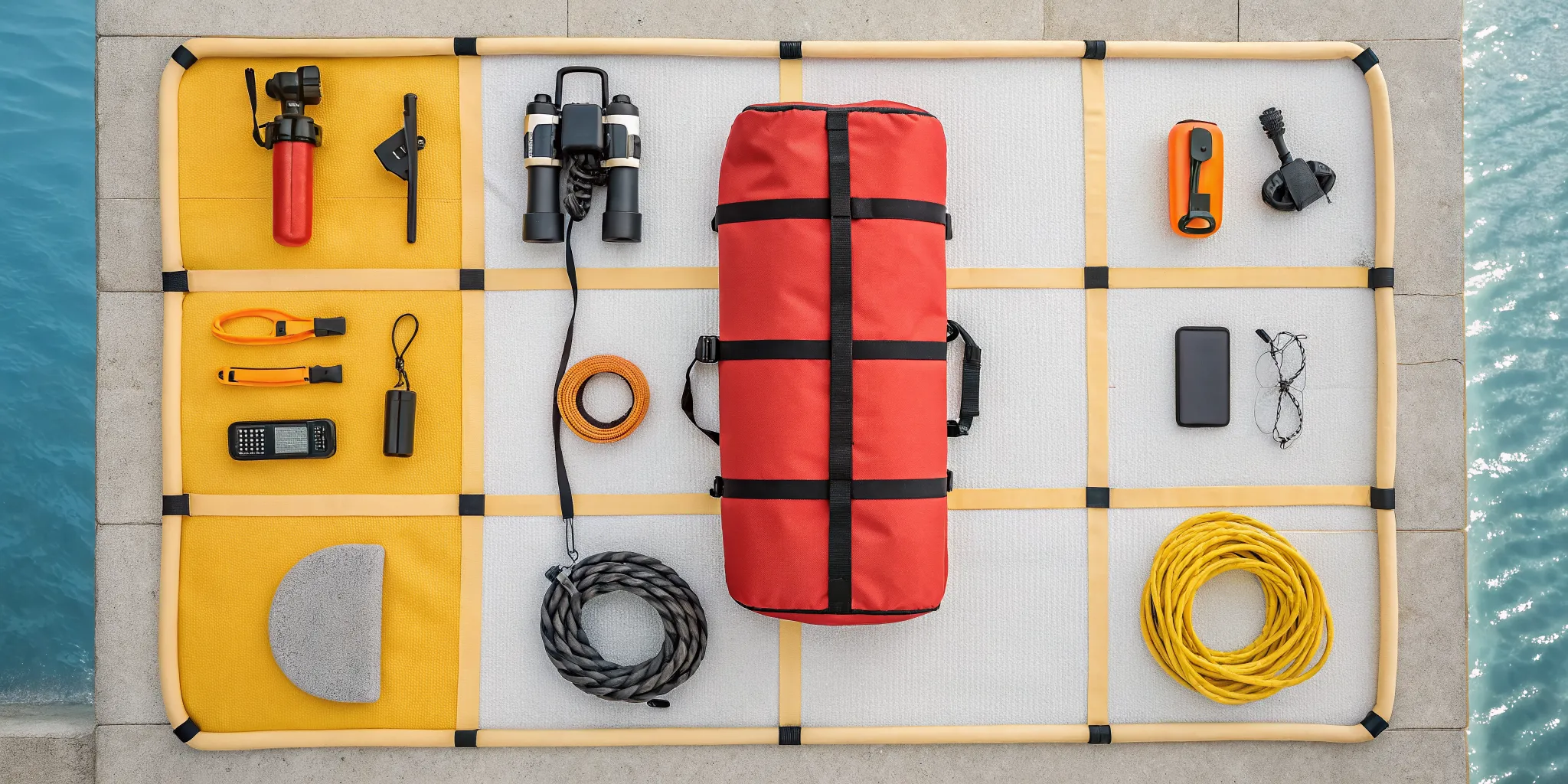
Your lifeguards are your facility's most valuable safety asset. Giving them the best tools to succeed is one of the most important investments you can make. A lifeguard support system is designed to do exactly that. It empowers your team with an extra layer of protection that builds confidence and improves response times. Think of it as a tireless partner watching every corner of the pool, helping your staff focus their attention where it’s needed most. This technology provides instant alerts and precise location information, taking the guesswork out of an emergency and helping your team perform their life-saving duties more effectively.
Key Takeaways
- Technology supports, it doesn't replace: The best systems act as a vigilant partner for your lifeguards. They use tools like AI and individual trackers to provide a constant second set of eyes, helping your team prevent incidents proactively instead of just reacting to them.
- Prioritize features that enable a faster response: In an emergency, every second counts. The most valuable systems provide instant, unmistakable alerts that pinpoint a swimmer's exact location and integrate with team communication tools to ensure a coordinated, swift rescue.
- Look beyond the price tag for long-term value: A smart investment in safety involves more than just comparing features. You should also consider the total cost of ownership, including installation and subscriptions, and review real-world user feedback to ensure the system is reliable and a good fit for your team.
The Lifeguard's Role: More Than Just Watching Water
When we picture a lifeguard, we often see someone perched high in a chair, scanning the water. While that’s part of the job, their role is far more complex and demanding than simple observation. A lifeguard is a highly trained first responder whose primary function is proactive, not reactive. Their success isn’t measured by the number of dramatic rescues they perform, but by the number of incidents that never happen in the first place. They are constantly assessing risk, enforcing rules, and educating patrons to prevent emergencies before they begin. It’s a high-stakes position that carries significant legal and ethical weight, demanding unwavering focus and quick, decisive action.
This immense responsibility is why supporting your lifeguard team is so critical. They are your first and most important line of defense in aquatic safety. By understanding the full scope of their duties and the challenges they face, you can better appreciate how technology can serve as a powerful ally. A drowning detection system isn't about replacing a guard's expertise; it's about enhancing it. It provides a constant, vigilant partner that helps them manage their zone, cut through distractions, and fulfill their core mission: ensuring every person in the water stays safe. It’s a commitment to safety that reflects our own company mission to set a new standard in water safety.
The Primary Goal: Prevention Over Rescue
The most effective lifeguards are the ones who make safety look easy. A calm, incident-free day at the pool is the true mark of their success. That’s because their main job is to prevent accidents from ever occurring. This proactive approach involves more than just watching for swimmers in distress; it means identifying and addressing risky behaviors, enforcing safety rules, and anticipating potential hazards before they escalate into emergencies. A guard might ask a child to stop running on the pool deck or advise a weak swimmer to stay in the shallow end. Each of these small interventions is a successful act of prevention, stopping a potential incident in its tracks. This focus on prevention is where a lifeguard’s training and judgment are most valuable, creating a safer environment for everyone.
Legal and Ethical Duties of a Lifeguard
Being a lifeguard comes with serious professional responsibilities that are grounded in legal and ethical principles. When a lifeguard is on duty, they have a legal "duty to care" for every person in their designated area. This means they are legally obligated to act reasonably to prevent harm. This isn't just a guideline; it's a standard they can be held to in a court of law. Failing to meet this standard can have severe consequences for both the lifeguard and the facility. This duty requires them to be attentive, competent, and prepared to act at a moment's notice. It transforms the job from a simple summer gig into a professional role with significant accountability, underscoring the need for proper training, focus, and support.
Understanding the Duty to Care and Implied Consent
Two key legal concepts every lifeguard must understand are the "duty to care" and "implied consent." The duty to care, as mentioned, is the lifeguard's obligation to protect swimmers from foreseeable harm. This is the foundation of their legal responsibility. Implied consent comes into play during a rescue. While a conscious person must give permission for aid, the law assumes that an unconscious or seriously injured person would want help. This implied consent allows a lifeguard to begin life-saving measures immediately without hesitation. Understanding these principles is crucial, as it empowers them to act confidently and correctly in a crisis, knowing their actions are supported by established legal and ethical frameworks.
Breaking the Drowning Chain
Drowning is rarely a single, sudden event. Instead, it's often the result of a sequence of failures known as the Drowning Chain. This chain can include a lack of swimming ability, a failure to recognize hazardous water conditions, a lack of supervision, or an inability to get help. A lifeguard's job is to break this chain at any link. They do this by enforcing rules (breaking the chain at "risky behavior"), providing clear warnings, and, most importantly, offering constant supervision. A drowning detection system acts as a powerful tool to help them achieve this. By providing an uninterrupted layer of monitoring, the system helps ensure the "lack of supervision" link is never broken, even for a moment. It’s another way to see how technology can be a critical part of a comprehensive safety plan.
Core Challenges in Modern Lifeguarding
Even the most experienced lifeguard faces significant challenges that can make their job incredibly difficult. Environmental factors like sun glare on the water, surface chop from the wind, and dark or murky water can easily obscure a swimmer in distress. Crowd size is another major factor; a packed pool creates countless visual obstructions and makes it nearly impossible to track every individual effectively. On top of this, lifeguards battle fatigue and the natural limits of human attention during long shifts. Maintaining the intense focus required for hours on end is a monumental task. These challenges are precisely why modern aquatic facilities are turning to technology. A support system provides a reliable safety net, helping guards overcome these obstacles and maintain a higher standard of care for all swimmers.
These systems are designed to address the inherent difficulties of the job, offering a consistent and vigilant second set of eyes. They don't get tired, they aren't affected by glare, and they can monitor every swimmer simultaneously. By integrating advanced drowning detection products, facilities can empower their lifeguards to perform their duties more effectively and with greater confidence. This partnership between human expertise and technological support creates a safer environment, mitigating the risks that even the best-trained professionals can't always control on their own. It’s about giving your team the best tools available to handle one of the most important jobs there is.
Meeting the 10/20 Protection Standard
A core principle in modern lifeguarding is the 10/20 Protection Standard. This industry benchmark dictates that a lifeguard must be able to scan their entire assigned zone in 10 seconds and reach any swimmer in distress within 20 seconds. While it sounds straightforward, consistently meeting this standard is incredibly challenging. In a large, crowded, or unusually shaped pool, a 10-second scan can be nearly impossible. A moment of distraction is all it takes to miss that window. This is where a system built around a GUARDian Hub provides critical support. By instantly alerting guards to a submerged swimmer and providing their exact location, the technology ensures that the 20-second response time is achievable, turning a potential search into an immediate and direct rescue.
Recognizing the Instinctive Drowning Response
One of the biggest misconceptions about drowning is that it's loud and dramatic. In reality, the opposite is true. As portrayed by experts, the Instinctive Drowning Response is a silent struggle. A person who is drowning is physically unable to call for help or wave their arms; their body is focused on the singular, desperate effort of trying to breathe and push down on the water to stay afloat. They are often upright, appearing to tread water, but they make little to no forward progress before slipping below the surface. This silent response can be easily missed by the naked eye, especially from a distance. Wearable Swimmer Alert trackers are designed specifically to detect these subtle but deadly patterns, providing an immediate alert when a swimmer's movements indicate they are in distress.
Managing Distractions and Secondary Duties
A lifeguard's primary responsibility is always patron surveillance. However, the reality of the job involves numerous secondary duties that can create dangerous distractions. Guards are often approached by patrons with questions, they need to clean their station, and they must enforce minor rules that pull their attention away from the water. Even a brief conversation can be enough to miss the start of an emergency. A reliable support system helps mitigate the risk of these distractions. While the lifeguard handles a secondary task, the system continues its uninterrupted watch over every swimmer. With tools like a Lifeguard Alert device, any critical alerts are sent directly to the guard, cutting through noise and distraction to ensure they are immediately aware of a problem, allowing them to refocus on the water when it matters most.
What Is a Lifeguard Support System?
A lifeguard support system is a collection of tools and procedures that help your lifeguards protect swimmers more effectively. It’s a safety net that enhances, not replaces, human vigilance. While the classic image of a lifeguard is one of solo observation from a high chair, modern systems use technology and communication to create a more connected and responsive safety environment. These systems are not about replacing your team; they are about empowering them with better tools to prevent incidents before they happen.
Why Traditional Lifeguarding Isn't Enough
For decades, lifeguard protocols were built on sharp eyes, whistles, and routine scanning patterns. While these fundamentals remain essential, today's safety standards also emphasize the power of teamwork and technology. Modern protocols create an environment where lifeguards can easily share feedback and discuss concerns, which strengthens the entire team’s performance. Instead of working in isolation, guards are connected through communication devices and centralized monitoring hubs. This shift toward a collaborative, tech-supported approach means your team can manage the facility more proactively and keep swimmers safer.
The Tech That's Redefining Water Safety
Technology is the backbone of a modern lifeguard support system, acting as a vigilant partner for your staff. Advanced systems use sensors and wearables to monitor every swimmer in the water. For instance, the WAVE GUARDian system tracks swimmers and initiates alerts based on their status. If a swimmer is submerged for too long, the system triggers an immediate, high-priority emergency alert with both sound and visual cues. This gives your lifeguards critical seconds to respond before a situation becomes a tragedy, transforming water safety from a reactive practice to a proactive one.
AI Drowning Detection vs. The Lifeguard's Eye
Even the most dedicated lifeguard can be challenged by sun glare, murky water, or a crowded swimming area. This is where AI detection provides a significant advantage. AI-powered systems use cameras and software to monitor the water in real-time, spotting dangerous situations that the human eye might miss. When the AI detects a risk, it sends an instant alert directly to your lifeguards. A study on WAVE's effectiveness in a busy pool confirmed its value, with lifeguards viewing the technology positively. This shows how AI can serve as a reliable second set of eyes, helping your team focus their attention exactly where it's needed most.
How Do Lifeguard Support Systems Work?
Lifeguard support systems act as a crucial second set of eyes for your team, using technology to monitor swimmers and flag potential dangers. Think of them as a digital partner for your staff, one that never blinks or gets distracted by the sun’s glare or a noisy crowd. While the end goal is always a faster, more effective response, the way these systems achieve it can vary. Some rely on sophisticated cameras and artificial intelligence to scan the entire pool, while others use individual trackers worn by swimmers to monitor their status in real time. The most comprehensive solutions often combine multiple technologies to create a layered safety net that covers every angle. Understanding how these different components function is the first step in seeing how they can integrate with your facility’s existing safety protocols and give your lifeguards the powerful backup they need to prevent incidents before they happen.
Breaking Down WAVE's GUARDian Hub Tech
At the heart of the WAVE system is the GUARDian Hub, which serves as the central command center for all safety alerts. This hub processes real-time information from swimmer wearables. If a swimmer remains submerged past a preset time limit, the system doesn't just send a notification; it triggers an immediate, high-priority Emergency Alert. These alerts are both audible and visual, cutting through the noise and activity of a busy pool deck to direct your staff’s attention exactly where it’s needed. This process gives your lifeguards critical seconds to respond, turning a potential crisis into a successful intervention.
How AI Detects a Drowning in Progress
Many modern support systems use artificial intelligence to monitor swimmers. Think of it as a smart computer program that constantly watches the water through cameras. This AI software is trained to recognize the subtle signs of a swimmer in distress, things the human eye might miss in a crowded or glare-filled pool. When the system detects dangerous behavior, it instantly sends an alert to lifeguards’ devices, like a smartwatch or pager. This technology provides constant, vigilant oversight of the entire water area, adding a layer of protection that never gets tired or distracted.
Using Wearables and Alerts for Swimmer Safety
Wearable technology brings swimmer monitoring down to the individual level. With a system like WAVE, swimmers wear lightweight, comfortable headbands or clips that track their submersion time. This is especially helpful for managing large groups, where it’s challenging for lifeguards to keep eyes on every single person. If a swimmer’s device is underwater for too long, it automatically sends a signal to the hub. The system then activates the Lifeguard Alert equipment, pointing your team to the swimmer’s precise location. These Swimmer Alert wearables ensure no one slips through the cracks, even on the busiest days.
How Data Helps Predict and Prevent Incidents
A truly advanced support system does more than just react to emergencies; it helps you prevent them. By collecting and analyzing data, these systems can reveal patterns and highlight areas for improvement in your facility. For example, data might show that most alerts occur in a specific part of the pool or during a certain time of day. This insight allows you to adjust lifeguard positioning, update your rules, or make other operational changes to address risks proactively. As experts in the drowning prevention community have noted, having access to reliable, data-driven technology is a significant step forward for aquatic safety, and you can see its effectiveness in recent studies and reports.
Integrating Technology with Emergency Action Plans (EAPs)
Your Emergency Action Plan (EAP) is the playbook for how your team responds to a crisis, and integrating technology into it is a critical step. A modern EAP should detail exactly how your staff will react when a technology-driven alert, like one from the WAVE system, is triggered. This means defining roles: who acknowledges the alert, who initiates the rescue, and who manages crowd control. As safety experts note, practicing these scenarios is essential because a well-rehearsed plan ensures everyone knows their role when seconds count. By incorporating technology, you’re not just adding a tool; you’re refining your entire emergency response to be faster, more coordinated, and ultimately more effective.
Essential Lifeguard Training and Equipment
Even with the most advanced support system in place, the foundation of aquatic safety will always be a team of well-trained, properly equipped lifeguards. Technology like the WAVE system is designed to augment their skills, not replace them. Think of it as giving your highly capable staff a superpower: the ability to see beneath the surface and receive instant alerts about a swimmer in distress. This partnership between human expertise and technological precision creates the safest possible environment. A lifeguard’s training gives them the knowledge to assess a situation and perform a rescue, while the right equipment—from a simple rescue tube to a sophisticated alert system—gives them the ability to act decisively.
Investing in both comprehensive training and modern tools shows a deep commitment to the safety of every person who enters your water. It sends a clear message that you value both your staff and your patrons. When lifeguards feel supported and confident in their tools, they can perform their duties with less stress and greater focus. This creates a positive feedback loop: better equipment leads to more effective guards, which leads to a safer facility and greater peace of mind for management and visitors alike. The goal is to build a safety ecosystem where every component, from the individual guard's training to the facility-wide technology, works in harmony to prevent incidents.
Certification and Ongoing Skill Development
A lifeguard’s education doesn’t end once they earn their certification. While initial courses from organizations like the American Red Cross provide the essential skills, ongoing training is what keeps a team sharp and ready for anything. Regular in-service drills are crucial for practicing rescue scenarios, including those initiated by a technology alert. This continuous skill development ensures that when a system like WAVE signals an emergency, your team’s response is automatic and efficient. It builds muscle memory and reinforces the protocols outlined in your EAP, ensuring every guard can perform their duties with confidence and precision, no matter the situation.
Initial Swim Tests and Course Requirements
Becoming a certified lifeguard is a demanding process that begins with rigorous physical tests. Before even starting a course, candidates must typically prove they can swim long distances continuously, tread water for several minutes without using their hands, and retrieve a weighted object from the deep end of the pool. These requirements ensure that every lifeguard has the strength, stamina, and comfort in the water needed to perform a rescue effectively. It’s a high bar that establishes a baseline of capability for these aquatic first responders, guaranteeing they are physically prepared for the challenges of the job from day one.
Standard Rescue Equipment and Communication Protocols
Every lifeguard on duty should have immediate access to standard rescue equipment and be fluent in your facility’s communication protocols. The classic rescue tube, whistle, and first-aid kit are non-negotiable tools of the trade. However, modern safety layers these with advanced technology. For instance, the instant, unmistakable signal from a Lifeguard Alert device serves as a high-tech whistle, immediately drawing attention to a precise location. Integrating these alerts into your communication plan ensures that your team’s response is unified, whether they’re communicating with hand signals across a noisy pool or responding to a digital notification on their wrist.
Traditional Rescue Tools
The rescue tube or can is a lifeguard's most fundamental piece of equipment for a reason. It provides essential buoyancy for both the rescuer and the person in distress, allowing the lifeguard to support the individual while keeping a safe distance from a potentially panicked swimmer. Along with backboards for potential spinal injuries and basic first-aid supplies, these tools form the core of a lifeguard's physical toolkit. They are the tried-and-true implements that lifeguards rely on to manage an incident safely and effectively once they reach the person in need, forming the hands-on component of any successful rescue.
Standardized Hand Signals and Flags
In a loud, sprawling aquatic environment, clear communication can be a challenge. This is why standardized hand signals are a critical part of a lifeguard’s skillset. These non-verbal cues allow guards to communicate quickly and effectively with each other over distances, signaling everything from a routine rotation to an active emergency. Along with colored flags to indicate water conditions, these signals create a silent language that keeps the entire team on the same page. They are an essential component of a layered communication strategy that ensures messages are received and understood, even when radios or voices fail.
What Makes a Great Lifeguard Support System?
When you start looking at different lifeguard support systems, the options can feel overwhelming. They all promise to improve safety, but the how is what really matters. To find the best fit for your facility and your team, it’s helpful to break down the technology into its core features. Think of it like comparing cars; you wouldn't just look at the color, you'd check the engine, safety ratings, and handling. Let's walk through the essential features to compare so you can make a confident and informed decision for your swimmers.
Cutting Down Response Times with Instant Alerts
In any water emergency, seconds are critical. The single most important feature of a support system is its ability to deliver immediate and unmistakable alerts. A system that detects a potential issue but delays the notification isn't giving your team the head start they need. Look for systems that provide both audible and visual alarms the moment a swimmer's time underwater exceeds a safe limit. These instant alerts cut through the noise and activity of a busy pool, giving your lifeguards crucial time to assess the situation and respond before a crisis occurs. It’s about turning detection into immediate, life-saving action.
Giving Your Team Eyes Everywhere
Even the most dedicated lifeguards are human. They can experience fatigue, and blind spots are an unfortunate reality in many aquatic environments. This is where technology can offer a significant advantage by providing a constant, 360-degree view of the water. Some systems use advanced software to monitor the entire swimming area without ever getting tired or distracted. This continuous oversight acts as a reliable partner for your staff, covering areas that might be momentarily obscured from a lifeguard’s chair. It ensures that no corner of your facility goes unwatched, giving your team an extra layer of confidence and support as they work to keep swimmers safe.
Tracking Every Swimmer in Real Time
General surveillance is good, but knowing exactly which swimmer is in distress is even better. Some of the most advanced systems use individual trackers to monitor every person in the water. These small, wearable devices, often attached to goggles or a wristband, provide precise data for each swimmer. If someone is submerged for too long, the system doesn't just signal a general problem; it identifies the specific individual. This allows your lifeguards to bypass the search and go straight to the rescue. This level of detailed monitoring is possible with a dedicated Swimmer Alert system, which takes the guesswork out of an emergency response.
Connecting Your Team with Better Communication Tools
A rescue isn't a one-person job. It requires a coordinated effort from your entire staff. A top-tier support system should function as a communication hub during an incident. For example, when one lifeguard enters the water to perform a rescue, the system can automatically trigger alerts for the rest of the team. This could be a notification sent to wearable devices worn by other guards or a facility-wide alarm. This ensures that backup is on the way, other zones remain covered, and management is aware of the situation instantly. Effective Lifeguard Alert equipment transforms an individual response into a seamless, team-wide protocol.
Custom Alerts and Direct Lines to Emergency Services
Your facility is unique, and your safety system should be able to adapt to it. Look for a system that allows you to customize alert settings. You might want different submersion time limits for the deep end versus the shallow instructional area, for instance. The ability to tailor these parameters makes the technology a true extension of your safety plan. Furthermore, some systems can be configured to directly notify emergency services when a critical alert is triggered. This feature can save precious minutes by automating a crucial step in your emergency action plan. The GUARDian Hub acts as the brain for these operations, integrating all alerts and communications.
How to Choose the Right Lifeguard Support System
Selecting the right support system for your lifeguards is a critical decision that directly impacts the safety of your swimmers and the efficiency of your team. It’s not just about buying new equipment; it’s about creating a cohesive safety net that combines skilled human oversight with reliable technology. The best choice for your facility will depend on your specific environment, the size of your team, and your operational protocols. As you evaluate your options, consider how each system supports your lifeguards, enhances their capabilities, and fits into your overall risk management plan. Think about which features will save precious seconds during an emergency and which will give your team the most comprehensive view of the water. A system should feel like a natural extension of your team, providing them with the information they need to act decisively and confidently.
A Closer Look at the WAVE System
The WAVE system is designed to be a practical, portable, and easy-to-use layer of protection. It works by using lightweight, trackable headsets for swimmers and alerts that go directly to lifeguards. This approach is especially helpful for monitoring large groups, where it can be challenging to keep an eye on every individual. A study published in the International Journal of Critical Illness and Injury Science validated its effectiveness in real-world pool settings, with lifeguards and staff finding it to be a low-risk tool that supplements their visual monitoring. The goal isn't to replace lifeguards, but to give them a powerful tool that helps them respond faster when it matters most.
Comparing Other AI Drowning Detection Systems
Beyond wearables, another category of technology uses artificial intelligence and cameras to monitor the water. These systems act as a set of digital "eyes" that constantly scan the pool area for signs of distress. This AI software analyzes video feeds in real time to identify potential drowning incidents and alert staff. This type of overhead surveillance can be a great asset, as it never gets tired or distracted. It allows your lifeguards to have a constant backup, giving them more confidence and allowing them to manage other important safety tasks while the AI provides an extra layer of observation.
Don't Forget Traditional Lifeguard Gear
Even with the most advanced technology, the foundation of water safety remains a well-trained and properly equipped lifeguard. Technology is a supplement, not a substitute, for human expertise. Your team's lifeguard duties extend far beyond just watching the water; they include first aid, communication, and managing guest interactions. Rescue tubes, backboards, and first aid kits are still essential components of any aquatic facility's safety plan. When choosing a new support system, make sure it integrates with and enhances these traditional protocols rather than complicating them. A great system empowers your team, it doesn't get in their way.
How to Check for Tech Compatibility and Integration
The most effective support system is one that fits seamlessly into your team's workflow. When comparing options, think about how a system will help your team save time during a rescue. The WAVE GUARDian system, for example, is designed to eliminate distracting tasks so your lifeguards can focus entirely on life-saving measures. Consider how a system communicates alerts. Are they clear, immediate, and directed to the right people? The goal is to find a solution that enhances your team's existing skills and provides clear, actionable information that leads to a faster, more effective emergency response.
What's the Price Tag on a Lifeguard Support System?
Investing in a lifeguard support system is one of the most significant decisions you can make for your aquatic facility. While the primary focus is always on safety, budget is a real-world consideration. Thinking about the cost isn't just about looking at a price tag; it's about understanding the total investment in your team's capabilities and your swimmers' well-being. Let's break down the key financial components so you can make an informed choice for your facility.
Breaking Down Equipment and Installation Costs
When you budget for a new support system, remember to account for both the hardware and the setup. The initial cost covers the physical components that make the magic happen, like the central hub, wearable trackers for swimmers, and alert devices for your lifeguard team. These are the smart digital safety tools that give your staff the information they need, instantly. Professional installation is also a critical piece of the puzzle. Proper setup ensures that every component communicates correctly and that your facility has complete coverage, leaving no blind spots. It’s the foundation for a reliable and effective safety net.
Subscription vs. One-Time Purchase
Most technology providers offer different payment structures, typically a choice between a one-time purchase or an ongoing subscription. A one-time purchase involves a larger upfront cost, but you own the equipment outright. A subscription model, on the other hand, breaks the cost into smaller, predictable monthly or annual payments. For example, a comprehensive system that tracks both lifeguards and swimmers might be offered as a monthly service. This approach often includes ongoing customer support, automatic software updates, and system maintenance, which can be a huge benefit. You can review a provider's pricing structure to see which model best aligns with your facility's budget and operational cash flow.
How to Find Available Grants and Discounts
Don't hesitate to explore opportunities to make your investment more affordable. Many companies are eager to work with you to find a solution that fits your budget. A great first step is to schedule a demo to see the system in action. This not only gives you a feel for the technology but also opens a direct line of communication with the provider. It’s the perfect time to ask about any available promotions, multi-facility discounts, or flexible payment options. You can also research local or national grants for safety equipment, as many organizations offer funding to help community facilities improve their safety measures.
Is a Lifeguard Support System a Good Investment?
Finally, it's important to calculate your return on investment, which goes far beyond dollars and cents. The ultimate return is a safer swimming environment and the prevention of tragic incidents. Recent peer-reviewed studies have shown how effective this technology is in real-world scenarios, proving that these systems save lives. A safer facility also builds trust with your community, enhances your reputation, and gives your lifeguard team the confidence and support they need to perform their best. When you invest in a top-tier support system, you're investing in peace of mind for everyone who walks through your doors.
What Do Real-World Users Say?
Technical specifications and feature lists are important, but they only tell part of the story. To truly understand how a lifeguard support system performs, you need to hear from the people who use it every day. Real-world feedback from aquatic directors, lifeguards, and safety experts reveals how these systems function under pressure and integrate into a facility’s daily operations. It’s one thing for a company to say its product is reliable; it’s another to have that claim backed by independent studies and the teams who depend on it to keep swimmers safe. Let's look at what users are saying about performance, support, integration, and long-term value.
Does It Perform Reliably Day-to-Day?
When it comes to water safety, reliability isn't just a feature, it's a requirement. Your team needs to trust that the system will work correctly every single time. The drowning prevention community has long sought technology that is not only accurate but also affordable and dependable. According to a study on WAVE's effectiveness, Dr. John Fletemeyer of the Aquatic Law and Safety Institute noted that experts have been waiting for a technology with these exact qualities. This sentiment is echoed in user reviews, which often highlight performance. For example, the FIT Sport Design Awards called the WAVE system the "first truly reliable, portable, and user-friendly technology" for preventing drowning incidents, a testament to its real-world dependability.
How Responsive Is Their Customer Support?
Even the most intuitive technology comes with a learning curve, and having strong customer support is critical. When you’re implementing a new safety protocol, your team needs to feel confident and well-equipped from day one. Look for providers who offer thorough training and are responsive to your questions. For instance, some user feedback has pointed out areas for improvement, like the fit of swimmer headbands. A responsive company takes this feedback to refine its products. Other users have praised providers for delivering "well thought out procedures that were proven in real life situations." This shows that the best partners don't just sell you equipment; they help you get started with a solid operational plan.
Will It Fit with Your Current Safety Plan?
A new support system should feel like a natural extension of your team, not another complicated process to manage. The goal is to streamline your safety protocols so your lifeguards can focus their attention on the water. The right technology integrates smoothly with your existing emergency action plan. For example, WAVE’s GUARDian system is designed to reduce distractions and "eliminate wasted time, giving every precious second you have to the rescue." By automating detection and alerts, the system handles tasks that could otherwise pull a guard's focus away from scanning. This seamless integration is a key part of an effective risk management plan, ensuring your facility is prepared for any situation without adding complexity for your staff.
What to Expect for Maintenance and Long-Term Value
When you invest in a lifeguard support system, you're making a long-term commitment to safety. That's why it's important to consider ongoing maintenance and overall value. A system that is difficult to manage or constantly needs repairs can become more of a liability than an asset. Research from the National Center for Biotechnology Information describes the WAVE system as "low-risk, easy-to-use technology" that supplements lifeguard monitoring, which points to its sustainable value. An easy-to-use system means less time spent on troubleshooting and more time focused on safety. This simplicity, combined with reliable performance, is what creates lasting value and gives you confidence in your investment for years to come. You can often find answers to maintenance questions on a company's FAQ page.
Related Articles
- Guide to Automated Drowning Detection & Pool Security
- Drowning Prevention Technology for Commercial Pools 101
- How to Choose Drowning Detection Systems for Pools
- Drowning Prevention Technology: A Facility Guide
Frequently Asked Questions
Will a support system like this make my lifeguards obsolete? Not at all. Think of this technology as a powerful partner for your team, not a replacement. A support system handles the relentless task of monitoring every swimmer, which frees up your lifeguards to focus on proactive supervision, guest interaction, and preventative safety measures. It enhances their skills by providing a reliable second set of eyes, ensuring they can direct their expert attention where it's needed most, especially during a critical incident.
What actually happens from the moment the system detects a problem? When a swimmer is submerged past a safe, preset time limit, the system initiates an immediate and clear sequence of events. The swimmer's wearable device sends a signal to the central hub, which then triggers an unmistakable audio and visual alert for your staff. This alert pinpoints the specific swimmer's location in the water, which allows your lifeguards to skip the scanning and searching phase and go directly to the person in distress. The entire process is designed to save precious seconds.
How difficult is it to get my team up and running with this technology? These systems are designed with busy aquatic facilities in mind, so the goal is always ease of use. While any new tool requires some initial training, the process is straightforward. A good provider will offer comprehensive onboarding and support to ensure your team feels confident from day one. The technology should integrate smoothly into your existing safety protocols and feel like a natural extension of your team’s workflow, not an added complication.
My facility has unique challenges like sun glare and large crowds. Can this system handle that? Yes, and that’s one of the key areas where technology provides a major advantage. Environmental factors like sun glare, water turbulence, and the sheer number of people in the water can challenge even the most experienced lifeguard. A drowning detection system, however, isn't affected by these conditions. It provides constant, reliable monitoring whether the pool is calm and empty or crowded and chaotic, ensuring consistent coverage when the human eye might be compromised.
What's the main advantage of a wearable system compared to an overhead camera system? While overhead AI cameras are great for providing general surveillance of the entire water surface, a wearable-based system offers a different kind of precision. Because each swimmer has their own tracker, the system provides individual monitoring. This means that when an alert is triggered, it is linked to a specific person. This eliminates any guesswork and directs your lifeguards to the exact location of the swimmer in distress, which is a critical advantage during an emergency.
