
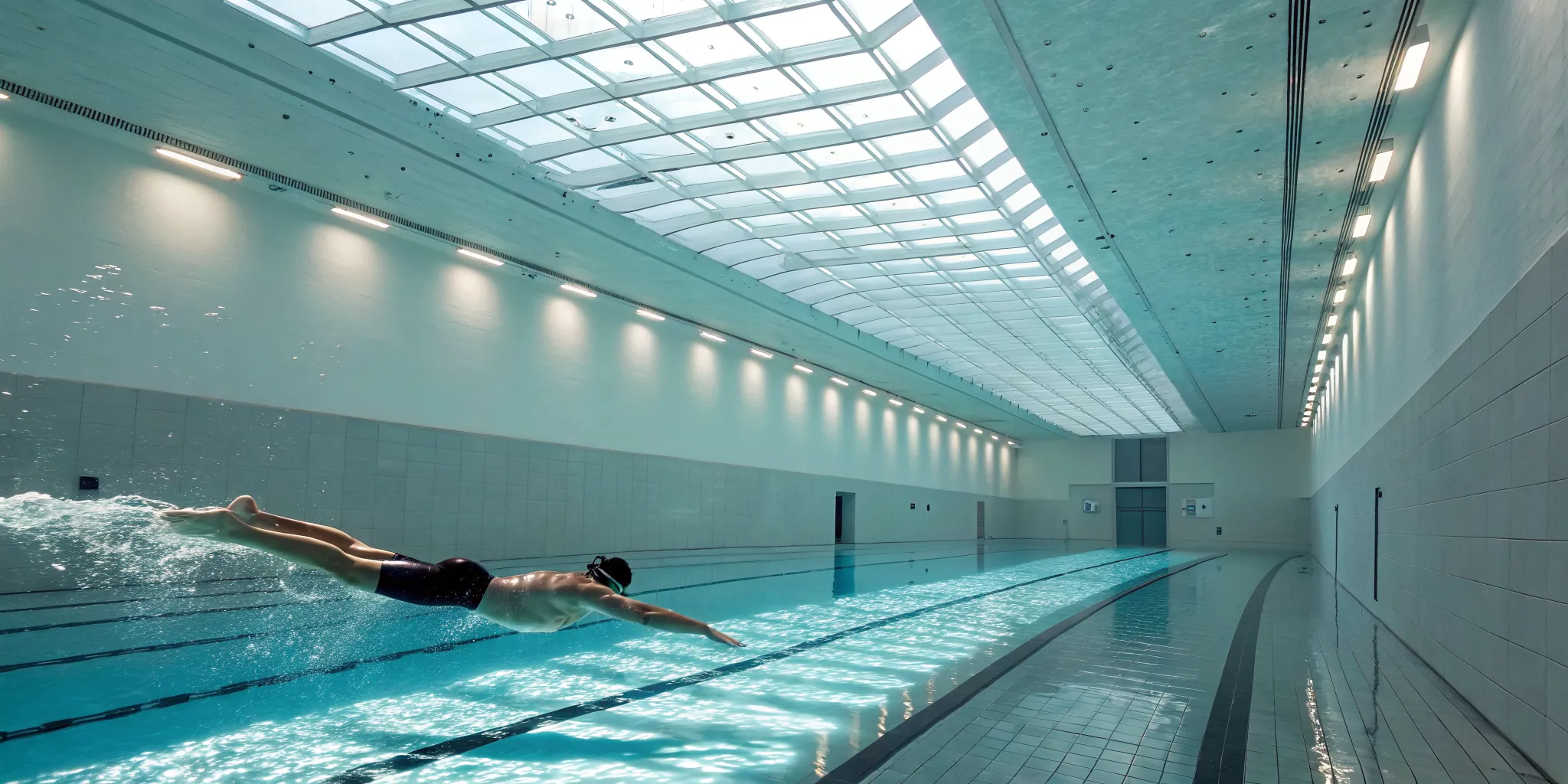
We trust technology to keep us safe everywhere else. Smoke detectors guard our homes and backup cameras help prevent accidents. So why has aquatic safety been left behind? For decades, a lifeguard's core tools have stayed the same. Now, swimmer monitoring technology is changing the entire equation. These intelligent systems bring real-time data, behavioral analysis, and automated alerts directly to the poolside. This isn't just a new gadget; it's a fundamental shift toward a more proactive and data-driven approach to protecting every person who enters your water.
Key Takeaways
- Technology Supports Your Team: The goal of swimmer monitoring is to act as a partner for your lifeguards, providing a constant layer of surveillance that helps your team respond faster and more effectively, not replace them.
- Distinguish Between Safety and Stats: Understand the difference between professional drowning detection systems built for facility-wide safety and personal wearables designed for tracking athletic performance; your primary goal determines the right technology.
- Focus on Practical Integration: When choosing a system, prioritize core functions like real-time alerts, accuracy, and user comfort, ensuring the technology fits seamlessly with your existing emergency action plans to create a cohesive safety net.
What is Swimmer Monitoring Technology?
When you manage a busy aquatic facility, the safety of every swimmer is your top priority. Swimmer monitoring technology is a category of advanced systems designed to support your lifeguards and add a powerful layer of protection. Think of it as a high-tech partner for your safety team. These systems use tools like sensors, wearables, and real-time data analytics to keep a constant watch on swimmers' activity and detect signs of distress. The goal is to provide immediate information so your team can respond faster when seconds matter most.
This technology comes in a few different forms. Some systems use strategically placed cameras that monitor the entire swimming area, while others rely on personal devices that swimmers wear. For example, a swimmer might wear a lightweight tracker on their head or goggles. These wearable safety devices track movement and depth, and if a swimmer is submerged for too long, the system instantly sends an alert. This technology doesn't replace the keen eyes of a lifeguard; it enhances their abilities by providing data they can't see on their own.
Ultimately, swimmer monitoring technology is about creating a smarter, more responsive safety net. Systems like the WAVE Drowning Detection System are built to monitor every swimmer in real time, whether you're operating an indoor pool, a water park, or even an open-water environment. By tracking each individual and providing instant alerts directly to your lifeguard team, this technology helps you move from a reactive to a proactive safety model. It gives your staff the information they need to intervene quickly and confidently, ensuring a safer experience for everyone who visits your facility.
From Performance Tool to Safety System
The idea of tracking swimmers isn't entirely new; it has its roots in the world of competitive athletics. For years, elite athletes and their coaches have used technology to gain a competitive edge. Wearable sensors provided detailed feedback on everything from stroke efficiency and lap splits to heart rate and kick tempo. This data was invaluable for optimizing training and shaving precious seconds off race times. The technology acted like a personal coach, analyzing every movement to help swimmers perform at their peak. It was designed for the individual athlete, with the goal of enhancing their performance through data-driven insights and helping them swim smarter.
However, innovators soon realized this same technology could serve a far more critical purpose. If a system could track a swimmer's precise movements to analyze their butterfly stroke, it could also be trained to recognize the signs of distress. This marked a crucial shift from performance enhancement to drowning prevention. Instead of just collecting data for post-swim analysis, the focus turned to real-time monitoring for immediate safety alerts. The system’s job was no longer just to make swimmers faster, but to keep them safe by spotting trouble and sending an instant alert to lifeguards when a swimmer is submerged or motionless for too long.
This distinction is vital when choosing a system for your facility. A performance tracker is built for the swimmer; a drowning detection system is built for your entire safety team. While both might use wearables, their core functions are fundamentally different. One provides athletic stats, while the other provides life-saving alerts. A true safety system, like the WAVE GUARDian, is engineered with one primary goal: to support your lifeguards by providing an extra layer of constant surveillance. It ensures that when a swimmer needs help, your team is notified instantly, allowing them to respond with speed and certainty.
How the WAVE Drowning Detection System Works
When we talk about swimmer monitoring, it's helpful to see how different pieces of technology work together to form a complete safety net. The WAVE Drowning Detection System is a great example of a comprehensive solution. It isn't just one device; it's a suite of tools designed to create multiple layers of protection for swimmers and provide critical support for your lifeguards. This integrated approach is key, because water safety isn't about a single magic bullet. It's about building a resilient system where technology and trained professionals work in sync.
The WAVE system is built on this principle of collaboration. It enhances the awareness and capabilities of your staff, giving them the information they need to act decisively. By combining a central monitoring hub, dedicated lifeguard equipment, and individual swimmer wearables, the system creates a powerful ecosystem for surveillance and response. This design ensures there are no weak links in your safety chain. Let's break down the three core components to understand how they create a safer aquatic environment, whether you're managing a community pool, a busy water park, or an open-water swimming area.
The GUARDian Hub (w3000): A Central Hub for Safety
Think of the GUARDian Hub as the brain of the entire operation. This central command center is what makes the WAVE system so effective, as it constantly processes information from all the wearables in the water. This provides your team with real-time monitoring of every swimmer. What’s truly remarkable is its versatility; the system is designed to work in all types of water, from clear indoor pools to murky lakes and rivers. This hub receives data, and if it detects a potential issue, it instantly sends out alerts. It’s the core piece of technology that connects every other component, ensuring your safety protocols are backed by constant, reliable surveillance.
Lifeguard Alerts: Instant Support for Your Team
Technology is at its best when it empowers people, and that’s exactly what the Lifeguard Alert equipment does. This system is designed to work hand-in-hand with your lifeguards, giving them an extra layer of support. The wireless, user-friendly technology includes devices that your team can wear. If a lifeguard makes a rescue and enters the water, the system automatically alerts the entire facility. This immediate notification ensures other staff members are aware of the situation and can initiate your facility’s emergency action plan without delay. It’s a simple but powerful way to improve team coordination and response times when every second counts. The lifeguard equipment truly enhances your team's capabilities.
Wearable Alerts: A Personal Safety Device for Swimmers
The final piece of the puzzle is what the swimmers themselves wear. The WAVE system uses lightweight, comfortable headsets that don't get in the way of having fun in the water. These Swimmer Alert wearables are more than just accessories; they are a direct line of communication to the GUARDian Hub. According to Clearfield City, which uses the technology, the headsets communicate with the system twice every second. This constant check-in ensures that every swimmer is actively monitored. If a swimmer is submerged for a dangerous amount of time, the wearable sends an immediate signal to the hub, which then triggers an alert for your lifeguard team. It’s a personal safety net for every single person in the water.
What Are the Main Types of Swimmer Monitoring Tech?
When you start looking into swimmer monitoring, you'll find the technology falls into a few key categories. Some are comprehensive safety systems designed for entire facilities, while others are personal gadgets focused on athletic performance. Understanding the differences is the first step to finding the right fit for your needs. Each type offers a unique approach to keeping an eye on swimmers, whether it's through advanced facility-wide networks or individual wearable devices. Let's walk through the main options available.
Facility-Wide Drowning Detection
These are the most comprehensive safety solutions available for aquatic facilities. Think of them as a high-tech partner for your lifeguard team. A professional drowning detection system uses a network of sensors and wearables to monitor every swimmer in real time, providing an extra layer of protection that works in all types of water, from clear pools to murky lakes. When the system detects a swimmer in distress, it sends an immediate alert to lifeguards, pinpointing their exact location. This technology is built to support and empower your safety staff, giving them the critical information they need to respond quickly and effectively when seconds matter most.
Wearables That Track Your Performance
On the personal side of things, you have performance tracking wearables. These are devices like smartwatches and fitness bands designed specifically for swimming. As one experienced swimmer notes, the best waterproof fitness trackers help you monitor your workouts, track progress, and stay motivated. They log metrics like lap count, distance, stroke rate, and heart rate, syncing the data to an app on your phone. While they are fantastic tools for individual training and improving your fitness, their primary function is performance analysis, not emergency detection. They are best suited for athletes who want to get more out of their time in the water.
Examples of Performance Trackers
The market for these trackers is huge, with options for every budget and goal. For swimmers who want all the data, devices from brands like Garmin are a go-to. In online forums, swimmers often recommend models like the Garmin FR265 because they offer complete functionality for tracking everything from stroke count to heart rate. On the other end of the spectrum, you have simpler, more affordable choices like the Timex Iron Man watch. It’s a durable, no-fuss option that can handle basic lap counting without needing constant charging. While these devices are excellent for personal goal-setting, they are built for the individual athlete. They don't connect to a central safety system or alert lifeguards, which is the key function of a professional drowning detection system.
In-Water Tech: Smart Goggles and Devices
Taking personal tech a step further, smart goggles bring data directly into your line of sight. Imagine seeing your split time, pace, and heart rate projected on the inside of your goggle lens as you swim. Brands like FORM have made this a reality, offering a heads-up display that eliminates the need to stop and check a watch. These devices are incredibly accurate and provide real-time feedback that can transform your training sessions. Like other wearables, their main purpose is to help you become a better, more efficient swimmer by giving you instant access to your performance data while you’re on the move.
AI Video Surveillance for Enhanced Safety
Another approach used in some facilities is AI-powered video surveillance. These systems use cameras installed overhead or underwater to watch the pool. According to the Royal Life Saving Society UK, this technology in swimming pools uses intelligent software to analyze the video feed for movements that indicate a swimmer might be in trouble. When the AI detects a potential incident, it can trigger an alarm and display the swimmer's location on a monitor for the lifeguard staff. This method provides constant visual oversight and uses algorithms to spot signs of distress that the human eye might miss in a crowded or active pool environment.
How Camera-Based Systems Work
These systems use strategically placed cameras that monitor the entire swimming area, often from both overhead and underwater positions. The software is trained to recognize the difference between normal swimming behaviors and movements that suggest distress. If a swimmer is submerged for too long or displays erratic, non-propulsive motions, the system instantly sends an alert to a central monitor for the lifeguard team. This technology doesn't replace the keen eyes of a lifeguard; it enhances their abilities by providing data they can't see on their own, especially in crowded or visually obstructed conditions. It acts as a constant, vigilant spotter that never gets tired or distracted.
Examples of Camera-Based Systems
A common approach used in some facilities is AI-powered video surveillance. These systems use cameras installed around the pool to feed live video to an intelligent software program. The AI analyzes the footage in real time, looking for patterns that could signal a drowning event. When the software detects a potential incident, it can trigger an alarm and display the swimmer's specific location on a monitor for the lifeguard staff. This allows your team to get a visual confirmation and respond immediately. It’s a method that provides broad oversight of the entire aquatic environment through a purely visual medium.
What Features Should You Look For?
When you start exploring swimmer monitoring technology, you'll find a wide range of options with different capabilities. The key is to identify which features will make the biggest impact on safety and operations at your specific facility. Whether you manage a bustling water park or a community pool, focusing on a few core functionalities will help you choose a system that truly supports your lifeguards and protects your swimmers. Let's walk through the most important features to consider.
Instant Detection and Alerts
The most critical feature is the ability to identify a swimmer in distress and immediately notify your staff. Look for systems with advanced sensors for constant monitoring and automated alerts. The best technology goes beyond a single alarm; it creates a facility-wide communication network. For example, WAVE’s Lifeguard Alert equipment ensures that if one guard initiates a rescue, the entire team is instantly aware. This real-time capability closes the gap between detection and response, giving your team precious seconds to act.
Using AI to Reduce False Alarms
A constant stream of false alarms can lead to "alarm fatigue," where your team starts to tune out the very system meant to help them. This is where the intelligence behind the technology becomes crucial. Modern systems use advanced AI to learn the difference between normal, playful splashing and the subtle, often quiet, signs of a swimmer in distress. By analyzing movement patterns and other data points, the technology can significantly reduce false alarms. This ensures that when an alert does sound, your lifeguards can trust it and respond with the urgency a real emergency requires, making the system a reliable partner rather than a noisy distraction.
Monitoring Vitals in Real Time
Some of the most advanced systems take safety a step further with biometric monitoring. Wearable devices can track a swimmer's vital signs, like heart rate, in addition to their movement in the water. This data provides another layer of insight, helping the system identify signs of distress that might not be visible to the naked eye. These Swimmer Alert wearables act as a personal safety net, offering proactive protection by monitoring a swimmer’s physical state throughout their time in the water.
GPS for Precise Location Tracking
Knowing exactly where every swimmer is located is fundamental to modern aquatic safety. Advanced systems use GPS and location tracking not only to pinpoint a swimmer's position but also to analyze their behavior. The technology can learn typical swimming patterns and identify anomalies, like a swimmer who has been motionless for too long. The GUARDian System continually assesses risk for every individual, providing lifeguards with a clear view of the entire environment and helping them focus their attention where it's needed most.
Look for Durability and Waterproofing
It might seem obvious, but the durability of the hardware is a make-or-break feature. Any device used in an aquatic environment must be completely waterproof and built to withstand constant exposure to chlorine, salt, and sun. A system that isn't reliable in your specific water conditions is a non-starter. The WAVE Drowning Detection System is designed to function in all types of water, including pools, waterparks, and open water. When evaluating options, make sure the technology is proven to be tough and effective in a setting just like yours.
Device Weight and Depth Ratings
Beyond just being waterproof, the physical design of the wearables plays a huge role in their effectiveness. When you're choosing a system, consider the weight of the devices. They need to be lightweight enough that swimmers can move freely and comfortably without feeling burdened. This isn't just about a pleasant experience; it ensures their natural swimming behavior isn't altered, which is key for accurate monitoring. Equally important are the depth ratings. The technology must be designed to operate reliably at various depths, especially in dynamic environments like water parks or open-water settings. The WAVE system, for example, uses lightweight headsets that are comfortable for swimmers while also being rated for different depths, ensuring they work effectively in both shallow and deep water.
Using Data to Improve Performance
While safety is the top priority, some monitoring systems also offer performance tracking features that can be a huge asset for athletic programs. These systems can measure metrics like lap times, stroke count, speed, and distance, providing valuable data for swimmers and coaches looking to refine their technique. This functionality turns a safety device into a comprehensive swimming tool. If your facility hosts a swim team or offers training programs, choosing a system with performance insights can add significant value for your members.
Advanced Performance Metrics
Beyond the critical safety functions, some systems offer a suite of advanced performance metrics that can be a game-changer for facilities with competitive swim teams or training programs. These systems can automatically track and record data points like lap times, stroke count, speed, and even the distance covered during a swim session. For coaches and athletes, this information is incredibly valuable for refining technique and tracking progress over time. It transforms a safety device into a dual-purpose tool that supports both safety and athletic development, adding significant value for your members and making your facility a more attractive destination for serious swimmers.
AI-Powered Coaching
Some personal performance trackers are taking data analysis to the next level with AI-powered coaching. Think of it as having a virtual coach offering feedback in real time. The AI analyzes the performance metrics gathered by the wearable and provides personalized tips to help a swimmer become more efficient. As noted by swim gear experts at AqtivAqua, this technology can even suggest specific drills tailored to an individual's needs. While this feature is more common in consumer-focused gadgets for individual athletes, it highlights how data can be used not just for monitoring, but for active improvement, creating a more engaging and effective training experience.
How Do Different Technologies Compare?
When you're looking at different swimmer monitoring technologies, it’s easy to get lost in the features. To make a clear choice, it helps to compare systems on a few core principles. The best technology for your facility will not only be effective but also practical for your team and your swimmers to use every day. Think about how each system stacks up in terms of its accuracy, user experience, daily maintenance needs, and how well it fits with your current safety procedures. Let's look at these four areas more closely.
Which System is Fastest and Most Accurate?
The most important job of a drowning detection system is to be accurate and fast. While lifeguards are the foundation of water safety, technology offers the advantage of monitoring every swimmer at the same time, in real time, without distraction. A system that provides continuous surveillance can catch critical moments that the human eye might miss.
Professional systems are designed to work directly with your lifeguard team. For example, the WAVE system tracks swimmers and sends immediate alerts to staff when someone might be in distress, enhancing the overall safety of your facility. This is different from performance trackers, which may accurately count laps but aren't built to identify and respond to an emergency in seconds. When evaluating options, ask about detection speed and false alarm rates.
Considering Comfort and Ease of Use
Even the most advanced technology won't be effective if people don't want to use it. For wearable-based systems, comfort is key. If a device is bulky, heavy, or difficult to put on, swimmers may be reluctant to wear it, which defeats the purpose. The same goes for your staff. A system with a complicated interface will require more training and can lead to errors.
An evaluation of the WAVE system noted that while staff found it easy to learn, the fit of the headbands was an important factor for user comfort. This highlights how crucial the user experience is for any safety technology. Look for systems with intuitive controls and comfortable, easy-to-use swimmer wearables to ensure everyone adopts the technology successfully.
Comparing Battery Life and Maintenance Needs
A safety system is only reliable if it's powered on and functioning correctly. When looking at different technologies, consider the practical side of day-to-day operations. How long do the wearable batteries last? Can they make it through a full day of use? What is the charging process like? You need a system that doesn’t create a logistical headache for your team.
Beyond battery life, think about ongoing maintenance. Some systems learn swimmer patterns and constantly assess risk, which means their software and hardware must be kept in good working order for sustained operation. Find out what the maintenance schedule involves, how software updates are handled, and what kind of customer support is available if you run into issues.
Membership and Data Access Fees
When you're planning your budget for a new safety system, it’s crucial to look at the complete financial picture, not just the upfront equipment cost. Many professional drowning detection systems include ongoing membership or data access fees. Instead of viewing this as an extra expense, consider it an investment in the system's continued reliability and intelligence. These fees are what fund critical services like real-time data analytics, software updates that sharpen detection capabilities, and access to expert support. This ensures your technology evolves and stays effective for years. Taking the time to review the pricing in full helps you select a system that aligns with both your safety objectives and your long-term budget.
Will It Work with Your Current Setup?
New technology should feel like a natural extension of your existing safety plan, not a completely separate process. The goal is to create a stronger, more cohesive safety net. A system’s alerts should integrate smoothly into your team’s emergency action plan, helping lifeguards and managers respond quickly and effectively. The data and alerts should empower your team, not overwhelm them.
Many modern water safety devices use advanced sensors and real-time data to complement traditional supervision methods. The key is that the technology must work in harmony with your lifeguards. Before committing to a system, map out how it will fit into your daily workflow and how your team will use its information to keep swimmers safe.
Signal Integrity and Environmental Factors
A drowning detection system is only as good as its ability to perform reliably in your specific environment. The layout of your facility, whether it's indoors or outdoors, the clarity of the water, and even the amount of splashing can impact how well a system works. For technologies that rely on wearables and a central hub, maintaining a strong, consistent signal is everything. If the connection is weak or easily disrupted, you risk missing a critical alert. This is why it’s so important to ask providers how their system handles these real-world conditions.
Before you commit, find out how the technology has been tested in environments similar to yours. Does it work as well in a busy, wave-filled water park as it does in a calm lap pool? The WAVE system, for example, was specifically designed to provide real-time swimmer monitoring in all types of water, including murky open-water settings where visibility is zero. Make sure any system you consider can prove its effectiveness and reliability where you need it most.
Data Security and Privacy
Any time you introduce technology that collects information, you also have to consider data privacy. Swimmer monitoring systems gather data to keep people safe, but it's essential to understand what information is being collected and how it's protected. Since these systems may track individuals' locations and movements within your facility, you have a responsibility to ensure that data is handled securely. This should be a key part of your evaluation process when speaking with any provider.
Ask direct questions about their security measures. How do they keep swimmer information safe and private? Find out about their data encryption standards, where the data is stored, and who has access to it. Reputable companies will have clear and confident answers to these questions. Protecting your patrons goes beyond the poolside; it includes safeguarding their digital information, too. Choosing a partner who prioritizes data security is just as important as choosing one with accurate technology. You can learn more about a company's values and commitment to safety by exploring their mission and story.
What's the Price Range for These Systems?
When you start looking at swimmer monitoring technology, one of the first questions you'll have is about cost. The price can vary quite a bit, and it really depends on what the technology is designed to do. You’ll find everything from comprehensive, facility-wide systems that act as a digital partner for your lifeguard team to individual wearables that track a swimmer's performance.
Understanding the different price tiers can help you figure out what makes sense for your needs and budget. A large water park has very different safety requirements than an individual training for a triathlon, and the technology reflects that. We can group these systems into three main categories: facility-wide systems, personal tracking devices, and more budget-friendly fitness trackers. Each serves a distinct purpose and comes with a corresponding price tag. Let's break down what you can expect from each category so you can make an informed decision for your facility or personal use.
Pricing for Facility-Wide Systems
Facility-wide systems are the most comprehensive and advanced option, designed for aquatic venues like community pools, water parks, and open-water environments. These systems, such as our WAVE Drowning Detection System, represent a significant investment in safety. The higher price point reflects the sophisticated technology involved, which includes a central hub, equipment for lifeguards, and individual wearables for swimmers. You're not just buying a product; you're implementing a complete safety net that provides coverage for every person in the water. This level of protection offers peace of mind and an essential layer of support for your aquatic safety team.
Custom Pricing for Camera and Wearable Systems
For professional systems, whether they use cameras or wearables, you won't find a simple price list. The cost is tailored to your facility's unique layout and needs. Some systems use cameras to monitor the water, while others, like the WAVE system, rely on wearable safety devices for each swimmer. The final price depends on factors like the size of your swimming area and the number of people you need to protect. This investment covers more than just the hardware; it includes the central hub, lifeguard alerts, and the wearables themselves. You're implementing a complete safety solution designed to support your team. Because each setup is unique, you'll need to request a custom quote to get an accurate idea of the cost for your facility.
Pricing for Personal Wearables
A step down in price and scope, you'll find personal tracking devices. These are wearables created for individual swimmers who want to monitor their performance. Systems like the Phlex Swim Tracker use AI to give detailed feedback on strokes, lap times, and other metrics. While they are fantastic tools for athletes in training, they aren't designed to be a primary safety solution for a public facility. Their pricing can vary based on the complexity of the data they provide, but they are generally more accessible than a full facility system. Think of these as a digital coach for a single swimmer.
Examples of Wearable Pricing
To give you a clearer picture, let's look at some real numbers for these personal devices. A high-end performance tracker like the eo SwimBETTER starts at US$799, and you also need a membership to download and analyze the data it collects. This pricing reflects the sophisticated technology aimed at enhancing an individual swimmer's technique and performance. It’s a valuable investment for a competitive athlete who wants detailed feedback. This example helps illustrate the distinction in the market: personal wearables are priced for the data they provide to a single user, which is a very different model from the comprehensive, facility-wide systems designed for professional aquatic safety.
Finding Options That Fit Your Budget
For those looking for a more affordable entry point, a budget-friendly waterproof fitness tracker might be the answer. Devices like the Fitbit Inspire 3 can track laps, duration, and heart rate during a swim. They are great for personal fitness and general activity monitoring. However, it's important to understand their limitations. These trackers do not have the specialized drowning detection algorithms or the real-time alert capabilities of professional systems. They are a great tool for personal accountability in your fitness journey but are not a substitute for dedicated safety equipment in a guarded aquatic environment.
What Do the Reviews Say?
When you’re considering a new safety system, hearing from people who have already used it is invaluable. It’s one thing to read about features, but it’s another to understand how a system performs in the real world. From formal studies to feedback from lifeguards on the pool deck, the reviews for swimmer monitoring technology paint a clear picture of its impact. Let's look at what experts and users are saying, particularly about systems like WAVE, to help you get a complete view.
Insights from Expert Reviews and Studies
Professionals in aquatics and safety have taken a close look at modern drowning detection systems. An evaluation of the WAVE system published by the National Institutes of Health found it to be a "low-risk, easy-to-use technology that may supplement lifeguard monitoring." This is a key point: the best technology works with your team, not in place of it. Experts also note that by providing a comfortable and effective system, WAVE has the potential to save lives. The consensus is that these systems offer a practical, effective layer of protection for swimmers in guarded pools.
Real User Feedback on Performance
So, what’s the feedback from the people using this technology every day? Facility staff who have used the WAVE system found it easy to learn and operate, believing it could genuinely help save lives. While early feedback included suggestions for improving headband fit, this kind of user insight is exactly what helps great technology become even better. Users online have also commented on the system's straightforward function, noting how the swimmer wearables send constant signals and trigger an alert on the lifeguard’s wristband if a swimmer is submerged for too long. This simple but effective process is what makes the system so powerful in a busy aquatic environment.
A Look at Reliability and Safety Ratings
Beyond individual reviews, industry awards and safety organizations have also weighed in. The WAVE Drowning Detection System was recognized by the FIT Sport Design Awards, which called it a "truly reliable, portable, and user-friendly technology." This highlights its dependability and ease of implementation. Furthermore, organizations like the Royal Life Saving Society UK have acknowledged that technologies designed to support lifeguards are becoming a vital part of improving water safety. This recognition from established safety leaders confirms that systems like WAVE are setting a new standard for protecting swimmers.
What's Next in Swimmer Safety Technology?
The conversation around water safety is shifting. While vigilant lifeguards will always be the cornerstone of a safe aquatic environment, technology is introducing powerful new ways to support them. The future of drowning prevention isn't about replacing the human element; it's about enhancing it with systems that act as a constant, reliable partner. By combining automated detection, intelligent analysis, and advanced support tools, we can create multiple layers of protection that cover more swimmers more effectively. This evolution in safety technology helps ensure that every person in the water gets the attention they need, giving your team the confidence to manage any situation.
The Rise of Automated Detection and Response
The most significant advantage of modern drowning detection systems is their ability to watch everyone at once, all the time. A system provides continuous surveillance that never gets tired or distracted, monitoring every swimmer in real time. Unlike the human eye, which can naturally have its attention divided, an automated system ensures no one is overlooked. When a swimmer shows signs of distress, the technology instantly sends an alert to your team. This immediate notification cuts down on critical response time, allowing lifeguards to intervene faster and more effectively. It’s like having a dedicated spotter for every single person in the water.
Predicting Risk with Behavioral Analysis
What makes new safety technology truly remarkable is its ability to learn. These systems don't just watch; they analyze. By observing swimmer movements, the technology establishes a baseline for normal, healthy swimming patterns. It then continuously assesses each swimmer against this baseline to identify when someone's behavior changes in a way that might indicate distress. This intelligent analysis allows the system to spot trouble as it begins, sometimes even before it becomes a full-blown emergency. It’s a proactive approach that helps your team identify at-risk swimmers and intervene earlier, preventing a dangerous situation from escalating.
How Tech Will Further Support Lifeguards
Ultimately, technology is at its best when it empowers people. The goal of swimmer monitoring is to give your lifeguards better tools to do their jobs. Advanced tools like lightweight, wireless alert systems create a seamless communication network. For example, some systems can automatically notify the entire facility the moment a lifeguard enters the water for a rescue, ensuring backup is on the way without a single word needing to be spoken. By handling the constant, wide-angle monitoring, the technology frees up lifeguards to focus on active scanning, guest interaction, and preventive lifeguarding, all with the assurance that an extra layer of safety is in place.
Broader Innovations in Swimming
While safety is the most critical area for technological advancement, it’s not the only part of the swimming world being transformed. Innovation is touching every corner of aquatics, from how facilities are managed to how athletes train and connect with one another. These broader developments are creating a more efficient, engaging, and sustainable future for the entire industry. Just as drowning detection systems are setting a new standard for safety, other technologies are redefining what’s possible in performance, facility operations, and community building. This wave of innovation is creating exciting opportunities for aquatic facilities to enhance their offerings and better serve their communities.
For facility managers, staying aware of these trends is about more than just keeping up with the latest gadgets; it’s a strategic advantage. Integrating new technologies can lead to significant improvements in operational efficiency, a better overall guest experience, and even new revenue streams. Whether it’s through automated pool maintenance that frees up staff time or by offering advanced training tools that attract competitive swimmers, innovation helps your facility stand out. Understanding these advancements allows you to make informed decisions about future investments, ensuring your venue remains a modern, safe, and appealing destination for years to come.
Smart Pools and Eco-Friendly Gear
The pool itself is getting a major upgrade. "Smart pools" are emerging with technology that automatically monitors and adjusts water quality and temperature, reducing the manual workload for facility managers and ensuring a consistently pleasant environment for swimmers. According to AqtivAqua, some of these advanced pools can even track swimmer performance and use augmented reality to create virtual lanes. Alongside this, there's a growing movement toward sustainability. This includes everything from making swim gear with recycled materials to designing more energy-efficient pool filtration and heating systems, helping facilities reduce their environmental footprint, lower operational costs, and appeal to an increasingly eco-conscious clientele.
Virtual and Augmented Reality in Training
The way athletes train is also undergoing a revolution, thanks to virtual and augmented reality (VR and AR). VR technology allows swimmers to practice and refine their technique even when they're not in the water, using simulations to visualize races and perfect their form. Meanwhile, AR is making its way into the pool with smart goggles that project real-time data, like pace and stroke rate, directly into a swimmer's line of sight. This gives athletes instant feedback without interrupting their flow, turning every lap into a data-driven training session. For facilities that host swim teams, offering access to this kind of cutting-edge equipment can be a major draw for serious athletes looking for a competitive edge.
Customization and Online Communities
Technology is also making swimming more social and connected. Digital platforms and apps are creating vibrant online communities where swimmers can share training tips, celebrate progress, and even compete in virtual races against others from around the world. Platforms like Strava have built massive communities around athletic activities, and swimming is no exception. This digital connection helps build a stronger, more inclusive swimming culture, making the sport more accessible and engaging for everyone. For aquatic facilities, fostering this sense of community can lead to more active and loyal members who are more invested in their swimming journey and your facility as their home base.
How to Choose the Right Technology for You
With so many options on the market, picking the right swimmer monitoring technology can feel like a big decision. The best choice depends on your specific needs, whether you're managing a large aquatic center or tracking personal swim performance. To find the perfect fit, think about your primary goals for safety, performance, and how the technology will integrate into your daily operations. By focusing on your facility's requirements, individual training goals, and the practical steps of implementation, you can confidently choose a system that provides real value and peace of mind.
Start with Your Facility's Safety Needs
The first step is to assess your environment. A bustling water park has different safety needs than a community lap pool. The right technology supports your lifeguards, giving them an extra layer of awareness to monitor every swimmer in real time. Systems like the WAVE GUARDian System act as a partner to your staff, providing instant alerts if a swimmer is in potential distress. Look for technology that complements your existing safety protocols and empowers your team. The goal is to create a comprehensive safety net that makes your facility safer for everyone.
Align Tech with Your Training Goals
If your main objective is improving swim performance, your focus will shift toward personal wearables. Unlike facility-wide safety systems, these devices are all about the data. Waterproof fitness trackers measure metrics like your speed, distance, stroke efficiency, and heart rate. This information is valuable for competitive swimmers and anyone looking to get more out of their workouts. While these trackers add personal awareness, remember their primary function is performance enhancement, not professional-grade drowning detection. They are excellent tools to help you track your performance and stay motivated.
Create a Plan for Rollout and Training
Choosing a system is only half the battle; you also need a solid plan for putting it to use. Before you commit, think about how the technology will be introduced to your staff and swimmers. A smooth rollout requires clear communication and thorough training. While many modern systems are user-friendly, your team needs to feel confident using the equipment from day one. A good technology partner provides resources to make this transition seamless. Planning for implementation and training ensures you get the maximum safety benefit from your investment and that your staff is prepared to use the new tools effectively.
Related Articles
- How to Buy Swimmer Safety Wearables: A 2026 Guide
- Guide to Automated Drowning Detection & Pool Security
- Drowning Detection Systems: The Ultimate 2026 Guide
- Drowning Prevention Technology for Commercial Pools 101
- How to Choose Drowning Detection Systems for Pools
Frequently Asked Questions
Does this technology replace my lifeguards? Not at all. Think of it as a powerful tool that supports your lifeguards, not a replacement for them. The technology handles the impossible task of monitoring every single swimmer at the same time, which frees up your staff to focus on active scanning, preventative lifeguarding, and guest interaction. It gives your team an extra set of eyes that never get tired or distracted, ensuring a more complete safety net.
What's the real difference between a professional system like WAVE and a personal fitness tracker? The core purpose is the main difference. A personal fitness tracker is designed to collect data for an individual, like lap times and heart rate, to help them improve their athletic performance. A professional drowning detection system is built for one reason: to save lives. It creates a facility-wide safety network that monitors every swimmer for signs of distress and sends immediate, location-specific alerts to your lifeguard team so they can respond instantly.
Will this system work in my specific environment, like a crowded water park or a murky lake? Yes, the best professional systems are designed for versatility. Unlike camera-based systems that need clear water to function, technology like the WAVE system uses wearables that communicate directly with a central hub. This means it works just as effectively in a crowded, active wave pool or in low-visibility open water as it does in a clear lap pool. The technology is built to perform in the most challenging aquatic environments.
How much training does my staff need to use this system effectively? These systems are designed with user-friendliness in mind, so the learning curve is not steep. The training focuses less on complicated technical skills and more on integrating the system into your team's daily operations and emergency action plans. Your staff will learn how to manage the equipment, understand the alerts, and respond as a coordinated team. The goal is to make the technology feel like a natural extension of your existing safety protocols.
What happens if a swimmer takes off the wearable in the water? This is a great practical question. The system is designed to monitor active wearables in the water. If a device is removed, the system would no longer track it as an active swimmer. This is why facility policies are so important. A successful implementation involves clear rules and communication with your guests, ensuring they understand that wearing the device is a mandatory part of enjoying the water safely at your facility.
