
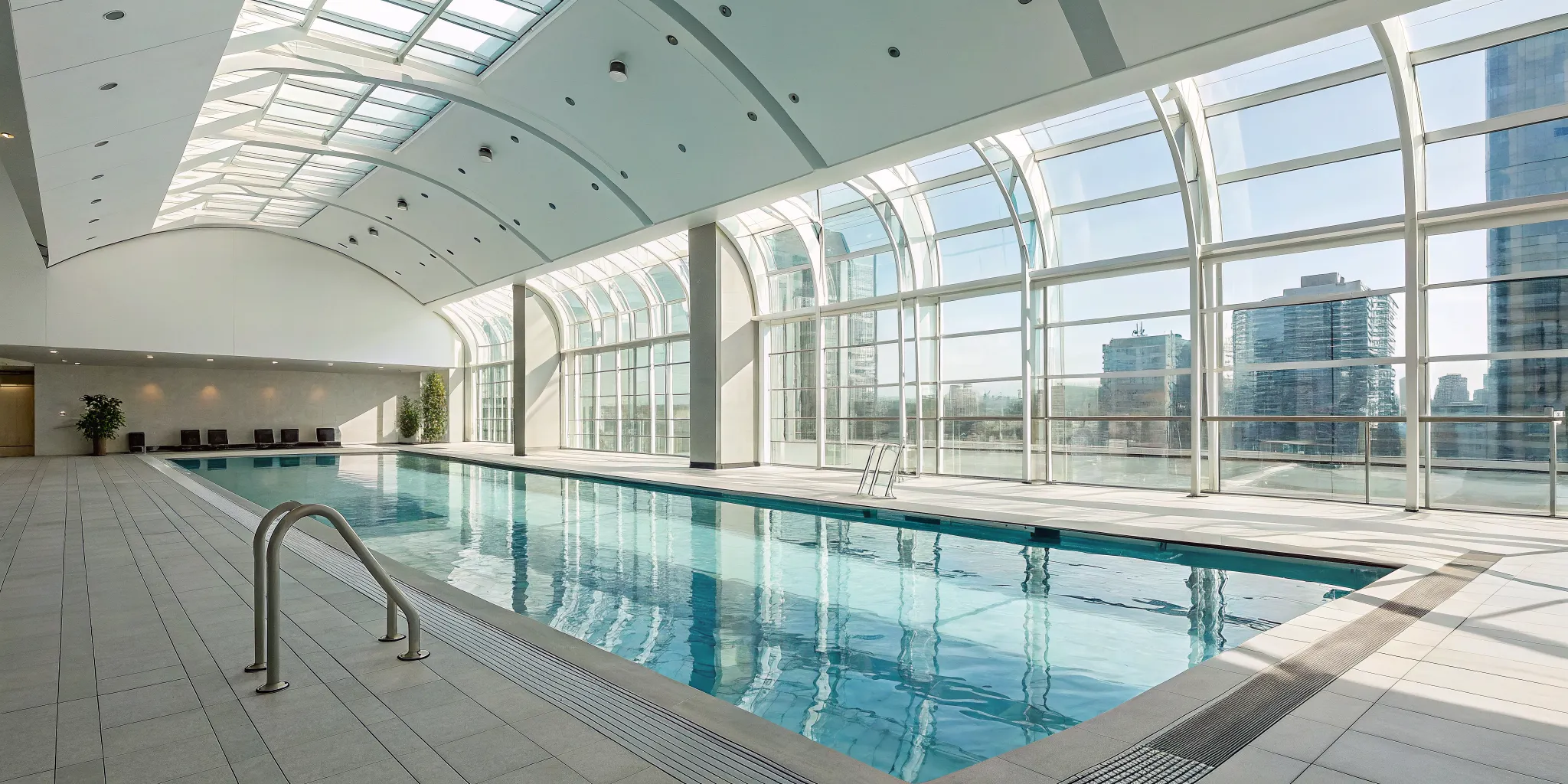
There’s a common misconception that automation is about replacing people, but the reality is quite the opposite. The best technology is designed to empower your team, making their jobs easier and more effective. An automated monitoring system acts as a tireless partner for your staff. It’s an extra set of eyes that watches the water 24/7, tracks every swimmer simultaneously, and provides instant alerts about water quality or potential distress events. This frees up your lifeguards from repetitive manual tasks, allowing them to focus on what they do best: active supervision and guest engagement. We’ll explore the benefits of automated pool monitoring systems as a force multiplier for your staff.
Key Takeaways
- Streamline Operations and Reduce Costs: Automation saves money on chemicals, energy, and labor by making precise, data-driven adjustments, which also protects your expensive equipment from long-term damage.
- Empower Your Lifeguards with Better Tools: An automated system acts as an extra set of eyes, monitoring water quality and swimmer activity 24/7 so your team can respond to potential hazards faster and more effectively.
- Make Proactive Decisions from Anywhere: Stop reacting to problems and start preventing them. With real-time data, instant alerts, and remote access, you can confidently manage your facility and ensure it runs smoothly.
What Is an Automated Pool Monitoring System?
Think of an automated pool monitoring system as the central command center for your aquatic facility. Instead of manually checking and adjusting every piece of equipment, an automated system lets you manage everything from one place, like a dedicated control panel or even an app on your phone. It streamlines the management of essential functions, including filtration schedules, heating, lighting, and even water chemistry. This technology brings consistency and efficiency to your daily operations, giving you more control over your facility's environment and freeing up your team to focus on swimmer experience and safety.
How It Works
At its core, an automated system connects all your essential pool equipment to a main control panel. This hub acts as the brain of the operation, telling your equipment what to do and when to do it. You can program it to run filtration cycles at specific times, turn on heaters when the water temperature drops, or adjust chemical dosing based on real-time sensor readings. Many modern systems, like the GUARDian Hub, also offer remote access through a smartphone app. This means you can monitor conditions and make adjustments from anywhere, ensuring your pool is always ready for swimmers without you needing to be physically on-site.
Key System Components
Several key parts work together to make an automated system run smoothly. The control panel is the central processor that manages all the connected equipment. Automated pumps, especially variable-speed models, are crucial for circulating water efficiently and can significantly reduce energy costs. Heaters maintain a comfortable and consistent water temperature based on your programmed schedules. Finally, automated chemical feeders or salt chlorine generators maintain water balance by dispensing the right amount of chemicals precisely when needed. Together, these products create a cohesive system that keeps your pool in optimal condition with minimal manual effort.
Automation vs. Manual Checks: What's the Real Difference?
If you manage an aquatic facility, you know that keeping swimmers safe is the top priority. For years, manual water testing and visual checks have been the standard. But what if there was a more reliable way to support your team? Automated systems aren't just a fancy upgrade; they represent a fundamental shift in how we approach water safety and facility management. Let's break down the real differences between relying on automation versus sticking with traditional manual checks. Understanding these distinctions can help you see how technology can support your lifeguards and protect every person in your pool.
The Advantage of Accuracy and Consistency
Automated systems offer a level of precision that manual testing simply can't replicate. Think of it as having a dedicated expert monitoring your water quality 24/7 without ever taking a break. These systems are designed to be incredibly precise, constantly checking for any imbalances. If something is off, you get an alert right away, allowing your team to fix the issue before it becomes a bigger problem. This continuous oversight helps you maintain a safe swimming environment and prevents expensive damage to critical pool equipment like pumps and filters. The WAVE system provides this constant watch, giving you peace of mind that your facility is always protected.
Save Time and Effort at Your Facility
One of the most immediate benefits of automation is how much time it gives back to your staff. Manually testing water chemistry takes time and effort that could be better spent elsewhere. An automated system handles the constant monitoring, freeing up your team to focus on swimmer safety and guest experience. For larger facilities, these systems also keep detailed, accurate records of water quality. This makes it much easier to demonstrate compliance with health regulations and avoid the stress of potential fines or legal issues. By streamlining your operations with the right products, you can run a more efficient and safer facility.
The Limits of Manual Testing
While your team is likely diligent, manual testing always comes with the risk of human error. An accidental misreading or a slight miscalculation can lead to unsafe water conditions or issues like algae growth. There's also a common misconception that adding more chemicals is always better, which can cause skin and eye irritation for swimmers and even corrode your pool equipment over time. These limitations aren't a reflection of your staff's effort; they're just the reality of manual processes. Our mission is to provide a solution that closes these gaps, creating a safer environment by adding a layer of technological certainty to your existing safety protocols.
What Are the Benefits of Automated Monitoring?
Switching from manual pool checks to an automated system is about more than just convenience. It’s a strategic move that transforms how you manage your aquatic facility, making it safer, more efficient, and more reliable. While your team is focused on the swimmers, an automated system works silently in the background, acting as a constant guardian of your water quality. This technology helps you shift from a reactive to a proactive approach, catching small issues before they become costly problems that could lead to downtime.
Think of it as adding a highly skilled, endlessly vigilant member to your team. An automated system provides precise, around-the-clock data, giving you a clear and complete picture of your pool’s health at any given moment. This consistency is something manual testing simply can’t match. The benefits extend beyond just water chemistry; they touch everything from your budget and your staff’s workload to the overall safety and experience of your guests. From saving on energy and chemicals to making smarter, data-backed decisions, automation offers a powerful set of tools to help you run a top-tier facility.
24/7 Water Quality Monitoring
Manual water testing gives you a single snapshot of your pool's condition. An automated system gives you the whole movie. It works 24/7, constantly checking key parameters like pH and chlorine levels. This means you’re not just reacting to problems after they’ve already happened; you’re preventing them from occurring in the first place. Consistent water quality is key to swimmer safety and comfort. With automated diagnostic tools, you can maintain that perfect balance around the clock, reducing the chance of issues that could disappoint guests or force a closure. This turns water management into a smooth, preventative process.
Instant Alerts for Immediate Action
What happens if your pool’s pH level suddenly drops on a busy Saturday afternoon? With manual testing, you might not know for hours. An automated system, however, can send an instant alert to your phone or computer the moment a parameter goes out of range. These systems are incredibly precise and check the water constantly, so you’re always in the know. This allows your team to take immediate action and fix the problem fast. Just like our Lifeguard Alert equipment notifies staff instantly of a swimmer in distress, water quality alerts ensure you can respond to chemical imbalances before they affect swimmer safety or comfort.
Improve Energy Efficiency with Smart Scheduling
Running a pool pump and heater at full tilt 24/7 is a quick way to inflate your utility bills. Automated systems bring smart scheduling to your facility’s equipment. You can program pumps to run at lower speeds during off-peak hours or schedule heaters to power down when the facility is closed. According to AstralPool, this simple act of scheduling can prevent wasted energy and significantly lower your operational costs. It’s an easy, effective way to make your facility more sustainable and budget-friendly without sacrificing performance when it matters most.
Use Fewer Chemicals, Help the Environment
Big swings in water chemistry often require large doses of chemicals to correct, a process known as "shocking." This can be costly and create a harsh swimming environment. Automated systems help you avoid this cycle by maintaining steady water chemistry. They make small, precise adjustments throughout the day, which is far more effective than making large, infrequent ones. This consistency reduces the need for corrective chemicals, saving you money and minimizing the chemical load in your water. It’s a healthier approach for your swimmers, your budget, and the environment.
Make Smarter Decisions with Data
The best decisions are based on data, not guesswork. Automated monitoring systems are powerful data collection tools. They track and store historical information about your water quality, equipment performance, and chemical usage. Over time, this data reveals trends and patterns that are invisible to the naked eye. You can see how bather load affects your chlorine demand or how weather impacts your pH levels. This information allows you to anticipate future needs and make smarter, more proactive management decisions. Understanding how it works helps you optimize every aspect of your facility’s operations for the long term.
How Automation Improves Water Safety
Automated systems do more than just manage chemicals and schedules; they represent a fundamental improvement in how we protect swimmers. By providing constant monitoring and instant data, automation shifts your facility’s safety posture from reactive to proactive. Instead of just responding to problems as they happen, you can anticipate and prevent them. This creates a more reliable and secure environment for both your guests and your staff, giving everyone peace of mind. An automated system acts as a silent partner, working around the clock to support your safety goals.
This technology integrates seamlessly into your daily operations, offering a consistent and vigilant presence that complements your team's expertise. For example, drowning detection systems can monitor every swimmer in the pool simultaneously, something that is humanly impossible. This continuous oversight helps catch subtle signs of distress that might otherwise be missed during a crowded swim session. Similarly, automated water quality monitors ensure the pool environment itself is safe, preventing issues like cloudy water that can obscure a lifeguard's vision. It's about adding a layer of intelligent support that enhances human oversight, ensuring that your facility operates at the highest standard of safety every single day. This approach doesn't just make your facility safer; it also builds trust with your community.
Maintain Safe Water for Every Swimmer
Clean, balanced water is the first line of defense in swimmer safety. When water is cloudy or improperly treated, it can obscure a lifeguard’s view and cause skin or eye irritation for swimmers. Automated diagnostic tools help you maintain consistent water quality, turning a reactive chore into a preventative process. By constantly analyzing water chemistry and making micro-adjustments, these systems reduce the likelihood of problems before they can even start. This ensures the water is always safe and comfortable for every person who dives in, from the first swimmer of the day to the last.
Respond Faster to Potential Hazards
In an emergency, every second counts. Automation provides the speed and precision your team needs to act decisively. Drowning detection systems, for example, can identify a swimmer in distress and send an immediate alert to your staff. Instead of relying solely on human observation, which can be limited by glare, blind spots, or distractions, you get a specific, actionable notification. The WAVE GUARDian System pinpoints the exact location of a potential incident, allowing lifeguards to bypass the scanning phase and go straight to the response. This technology helps your team react faster and more effectively when it matters most.
Empower Your Staff, Don't Replace Them
A common misconception is that automation is meant to replace lifeguards. The truth is, these systems are designed to work hand-in-hand with your team, acting as a powerful force multiplier. Think of an automated monitoring system as an extra set of eyes that never blinks, gets tired, or looks away. It can track every swimmer simultaneously and monitor areas that are difficult to see, freeing up your lifeguards to focus on active supervision and guest interaction. This swimmer safety technology empowers your staff, making their jobs easier and their efforts more effective, ultimately creating a safer environment for everyone.
Are Automated Pool Monitoring Systems Worth the Investment?
When you manage an aquatic facility, every dollar counts. You’re constantly looking for ways to improve operations without straining your budget. Investing in new technology can feel like a big leap, but automated monitoring systems offer a clear return by cutting significant operational costs. While the initial price tag is a factor, the long-term savings on chemicals, labor, and equipment repairs often make it one of the smartest financial decisions a facility can make. It’s about shifting from a reactive, costly maintenance cycle to a proactive, efficient, and ultimately more affordable approach to pool management.
Instead of just reacting to problems like cloudy water or equipment failure, you can prevent them from happening in the first place. This proactive stance not only saves money but also provides peace of mind, knowing your facility is consistently safe and well-maintained. Think of it less as an expense and more as a strategic tool that works for you 24/7, protecting your assets and optimizing your resources. The following sections break down exactly how this investment pays off, from your chemical storage room to your bottom line.
Lower Your Chemical and Water Costs
Automated systems are incredibly precise. Instead of relying on periodic manual tests, they continuously monitor your water chemistry and dose chemicals only when necessary. This prevents the common problem of over-treating water, which wastes expensive chemicals and can lead to imbalances that require even more chemicals to fix. Consistently balanced water is also healthier for your pool’s infrastructure, reducing the need for costly drain-and-refill cycles. Over a season, these small, consistent savings on chemicals and water add up to a significant reduction in your operating budget, proving the benefits of automation for your bottom line.
Reduce Labor and Maintenance Expenses
Think about how many hours your team spends on routine water testing and chemical adjustments. An automated system handles that work for you, freeing up your staff to focus on more important tasks like guest services, preventative maintenance, and enhancing swimmer safety. This doesn’t mean replacing your valuable team members; it means making their work more efficient and impactful. By automating repetitive tasks, you can optimize your staffing schedule, reduce the need for overtime, and allow your team to improve operational efficiency across the entire facility. The long-term savings on labor can be one of the biggest financial advantages of making the switch.
Protect Your Equipment for the Long Haul
Imbalanced water is one of the biggest threats to your facility’s most expensive assets. Water that is too acidic or alkaline can corrode pumps, damage heaters, clog filters, and stain your pool’s surfaces. An automated monitoring system acts as a safeguard for your equipment by keeping water chemistry in the ideal range around the clock. This consistent balance extends the lifespan of your entire circulation system, preventing premature breakdowns and expensive emergency repairs. By maintaining a healthy aquatic environment, you’re not just ensuring clean water; you’re protecting your long-term capital investments from costly, preventable damage.
Manage Your Facility from Anywhere
One of the most significant advantages of modern technology is the ability to stay connected and in control, even when you're not physically on-site. An automated monitoring system extends this convenience to your aquatic facility, giving you the power to manage operations with a level of flexibility and efficiency that was once impossible. This isn't about being tied to your work 24/7; it's about having the freedom to manage your facility on your terms, ensuring everything runs smoothly whether you're in the office, at home, or on the go.
Control Everything from Your Phone
Imagine being able to check your water chemistry, adjust a pump schedule, or review safety alerts from the palm of your hand. That’s the reality with today’s automated systems. You can control your pool from anywhere using a smartphone, tablet, or computer. This remote access allows for real-time adjustments and constant oversight, ensuring your water is always in optimal condition for your guests. If an issue arises, you can address it instantly instead of waiting until you’re back on-site. This immediate response capability is crucial for maintaining both water quality and swimmer safety.
Oversee Multiple Pools from One Place
For facilities with more than one body of water, juggling the needs of each can be a major operational challenge. An automated system centralizes control, allowing you to monitor and manage all your pools from a single dashboard. This centralized oversight streamlines everything, from chemical balancing to equipment scheduling. It improves operational efficiency and allows your staff to focus their attention where it's needed most. Instead of running back and forth between pump rooms, your team can manage the entire facility from one screen, making smarter, more coordinated decisions.
Integrate with Your Existing Systems
Adopting new technology doesn't have to mean a complete and costly overhaul of your current infrastructure. Many modern automated monitoring systems are designed to integrate with your existing equipment. This flexibility means you can enhance your current setup without starting from scratch, making the transition smoother and more affordable. Systems like the WAVE GUARDian Hub are built to work alongside your current safety protocols and facility management tools. By layering advanced technology onto your established operations, you can get started with a system that complements and strengthens what you already have in place.
What to Look for in an Automated Pool Monitoring System
Choosing an automated monitoring system is a big decision, and it’s important to find one that fits your facility’s unique needs. With so many options out there, it helps to know what features truly make a difference. You’re not just buying a piece of technology; you’re investing in the safety of your swimmers and the efficiency of your operations. The right system will feel like a natural extension of your team, providing support without adding complexity.
Think about your day-to-day challenges. Are you struggling to keep up with manual water testing? Are you worried about responding quickly enough to an emergency? A good automated system addresses these pain points directly. It should offer more than just basic alerts. Look for a solution that provides actionable insights, integrates smoothly with your existing safety protocols, and is easy for your entire staff to use. By focusing on a few key areas, you can find a system that not only meets your current demands but can also adapt as your facility grows. Let’s walk through the most important things to consider.
Prioritize Accurate and Reliable Sensors
The heart of any monitoring system is its sensors. If the sensors aren't accurate, the data they provide is useless, and you could be making decisions based on faulty information. Look for systems that use high-quality, durable sensors to track everything from water chemistry to swimmer activity. Reliable technology turns a reactive process into a preventative one, helping you maintain consistent water quality and address potential issues before they become problems. WAVE’s system, for example, uses advanced technology to provide real-time data you can trust. The goal is to have a system that acts as a constant, vigilant observer, giving you a true picture of what’s happening in your water at all times.
Ensure It Can Scale with Your Facility
Your facility isn't static, and your monitoring system shouldn't be either. Whether you're planning an expansion, adding new features, or simply seeing more visitors, you need a system that can grow with you. Consider whether a system can monitor multiple bodies of water or different zones within a larger pool. A scalable solution also improves operational efficiency, potentially reducing the staff hours needed for routine maintenance tasks. When you explore different products, think about your five-year plan. A flexible, modular system will allow you to add components as needed, ensuring your investment continues to pay off for years to come.
Check for Seamless Safety Integration
An automated system should enhance your safety protocols, not complicate them. The best technology is designed to work hand-in-hand with your lifeguards, serving as an extra set of eyes to support their expertise. When evaluating a system, ask how it integrates with your current emergency action plan. Does it send alerts directly to your staff through user-friendly equipment? For instance, WAVE’s Lifeguard Alert tools ensure that your team gets critical information instantly, allowing them to respond faster and more effectively. The system should empower your staff, giving them the tools they need to act decisively when every second counts.
Look for an Easy-to-Use Dashboard
Even the most advanced technology is ineffective if your team finds it difficult to use. A system’s dashboard is its command center, and it should be intuitive and easy to understand. Look for a clean interface that displays the most important information at a glance, using clear visuals like color-coded alerts. Your staff shouldn't need extensive training to check water quality or review an alert. A central hub, like the GUARDian System, consolidates all data points into one accessible location. This makes it simple for anyone on your team, from the facility manager to a part-time lifeguard, to stay informed and confident.
Common Myths About Automated Monitoring
New technology often comes with a lot of questions and a few misconceptions. When it comes to the safety and efficiency of your aquatic facility, you need clear, straightforward answers. Let's walk through some of the most common myths about automated pool monitoring systems. Clearing up this confusion can help you see how this technology fits into your operations and supports your team in creating the safest possible environment for swimmers.
Myth: "Automation replaces lifeguards."
This is probably the biggest misconception out there, and it’s one worth clearing up right away. Automated monitoring systems are designed to work hand-in-hand with your lifeguards, not replace them. Think of this technology as a powerful tool that gives your team an extra set of eyes on the water. Systems like WAVE’s provide continuous monitoring and can detect signs of distress that might be difficult for the human eye to catch in a crowded or active pool. This allows your lifeguard staff to respond faster and more effectively. The goal isn't to reduce staff, but to empower them, reducing the chance of human error and adding a critical layer of safety.
Myth: "It's too expensive to automate."
It’s true that there's an initial investment when you adopt an automated system, but it’s important to look at the bigger financial picture. These systems often lead to significant long-term savings that can provide a strong return on your investment. By constantly monitoring water chemistry and quality, automation helps you use chemicals more efficiently and avoid over-treatment, which cuts down on supply costs. Smart scheduling for pumps and heaters can also lower your energy bills. When you factor in the reduced labor hours spent on manual testing and the prevention of costly closures, the system starts to pay for itself. You can explore different pricing options to find a solution that fits your facility's budget.
Myth: "You can skip maintenance with automation."
Wouldn't that be nice? While automation makes maintenance much smarter, it doesn't eliminate it completely. Instead of reacting to problems like cloudy water or algae blooms, an automated system helps you get ahead of them. The system’s diagnostic tools turn your maintenance routine into a proactive process. You’ll get alerts that let you know when a chemical level is drifting or when equipment needs attention, allowing you to fix small issues before they become big, expensive headaches. This ensures more consistent water quality and a better experience for your swimmers. The system does the watching, but your team still handles the doing, just with better information and timing.
Ready to Upgrade Your Pool Monitoring?
Making the switch to an automated monitoring system is a big step, but it’s one that can completely transform how you manage your aquatic facility. Instead of only reacting to issues as they happen, you can start preventing them altogether. This shift ensures more consistent water quality and, most importantly, creates a safer environment for every swimmer who visits your pool. It’s about gaining peace of mind, knowing your facility is protected by technology that works around the clock.
While maintaining perfect water chemistry is a key part of pool management, the ultimate priority is swimmer safety. This is where next-generation technology offers the most significant impact. An advanced solution like the GUARDian Drowning Detection System acts as a vital support for your lifeguard team, providing an extra layer of observation that helps catch potential incidents in seconds. It empowers your staff to respond faster and more effectively when every moment counts.
Upgrading your monitoring capabilities isn't just about installing new hardware. It’s an investment in your team, your reputation, and the community you serve. If you're ready to improve your facility's safety and operational efficiency, exploring how to get started with an automated system is a smart move. It’s an investment that pays dividends in safety, efficiency, and confidence for everyone.
Related Articles
- Guide to Automated Drowning Detection & Pool Security
- Drowning Detection Systems: The Ultimate 2026 Guide
- Commercial Pool Alarm Systems: A Complete Guide
- The Ultimate Guide to Aquatic Facility Safety Solutions
Frequently Asked Questions
Will an automated system work with my existing pool equipment? That’s a great question, and for many facilities, the answer is yes. Most modern automated systems are designed with flexibility in mind. They can often integrate with the pumps, heaters, and chemical feeders you already have, which makes the upgrade process much smoother and more affordable. The goal is to enhance your current setup, not force you to start over from scratch.
My staff isn't very tech-savvy. Is this kind of system difficult to learn? This is a really common concern, but you can rest easy. The best automated systems are designed for people, not just for engineers. They typically feature a central dashboard that is very intuitive, using clear graphics and simple language. Think of it like a user-friendly app on your phone. The point of this technology is to make your team's job easier, so a good system will be straightforward and require minimal training to use effectively.
How does an automated system improve swimmer safety beyond just water quality? This is an important distinction to make. While some automated systems focus only on water chemistry, a comprehensive safety solution goes further. For example, a system like the WAVE GUARDian adds a layer of drowning detection. It uses advanced technology to actively monitor every swimmer, providing an extra set of eyes that supports your lifeguard team. So, while balanced water is the foundation of a safe pool, this next level of automation helps your staff respond instantly to a swimmer in distress.
You mention cost savings, but what's the real-world financial impact? The financial benefits are one of the most compelling reasons to make the switch. The savings come from a few key areas. First, the system uses chemicals much more efficiently, so you buy less. Second, smart scheduling for your pumps and heaters reduces your energy bills. Finally, by keeping your water perfectly balanced, the system protects your expensive equipment from corrosion and damage, helping you avoid costly repairs and replacements down the road.
Does this technology replace my lifeguards? Absolutely not. This is the most important point to understand. Automated monitoring and drowning detection systems are designed to be a powerful tool for your lifeguards, not a replacement. Think of the system as a force multiplier that handles the constant, repetitive task of scanning the entire pool at once. This frees up your lifeguards to focus on active supervision and guest interaction, making them more effective and better equipped to respond when it matters most.
