
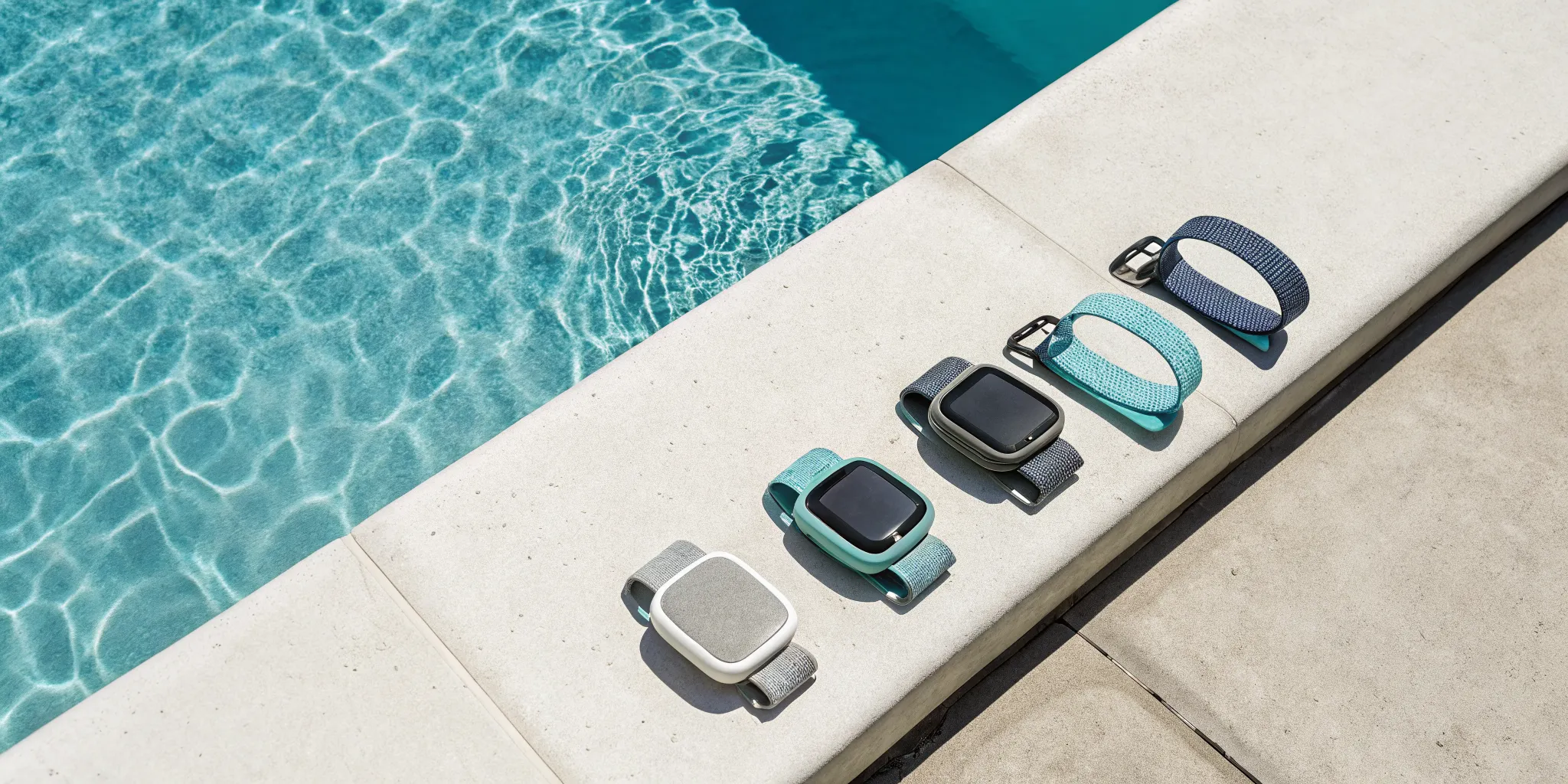
The concept of layered safety is the gold standard in aquatics, acknowledging that no single measure is foolproof. You have your lifeguards, your rules, and your facility design, but each layer has potential gaps. A new technological layer is emerging to fill those gaps and create a more resilient safety net. Advanced wearable swimming pool safety devices provide constant, individualized monitoring that supports your human staff. They don't replace lifeguards; they empower them. By integrating automated alerts with skilled human response, you create a powerful partnership that makes your entire safety system stronger. Let's explore how this technology fits into a modern, layered safety plan.
Key Takeaways
- Prioritize proactive systems for better protection: Unlike reactive alarms that require a swimmer to act, proactive devices automatically monitor for signs of distress. This provides a more reliable safety net and gives your team critical information when a swimmer is unable to call for help.
- Use wearables as part of a layered safety strategy: Technology is a powerful partner for your lifeguards, not a replacement. Integrating automated alerts with vigilant human supervision creates a comprehensive safety plan that covers potential blind spots and protects swimmers more effectively.
- Focus on durability and practical features: A safety device is only effective if it works reliably every day. When choosing a system, prioritize essential features like a high waterproof rating, long battery life, a secure tamper-proof fit, and seamless integration with your existing alert equipment.
What is a Wearable Water Safety Device?
Think of a wearable water safety device as a small, lightweight tracker that a swimmer wears, much like a fitness watch. Its job is to monitor that swimmer’s safety in the water and provide real-time feedback and alerts to help prevent drowning incidents. These devices are a core component of a modern, comprehensive safety plan, giving your team an extra set of eyes on every person in the pool.
However, not all wearables are created equal. They function in different ways and offer different levels of protection. Understanding the distinction between reactive and proactive systems is the first step in choosing the right technology for your facility. This choice directly impacts how effectively your team can be supported and how well your swimmers are protected.
Reactive vs. Proactive Systems
Wearable safety devices fall into two main categories: reactive and proactive. A reactive device is manual, meaning it requires the swimmer to activate it to call for help, often by pulling a cord or pressing a button. While this can be useful in some situations, it relies on the swimmer being conscious and calm enough to act, which is often not the case during a real water emergency.
In contrast, a proactive system works automatically. These advanced systems use sensors to actively monitor for signs of distress. The WAVE GUARDian Drowning Detection System, for example, tracks if a swimmer has been submerged for too long and automatically sends an alert to lifeguards. This proactive approach doesn't depend on the swimmer to take action, providing a far more reliable safety net when seconds matter most.
How They Add a Critical Layer of Protection
Even the most attentive and well-trained lifeguards face challenges with blind spots, glare, and crowded pools. Wearable technology adds a critical layer of protection by providing constant, individual monitoring for every swimmer. It acts as a vigilant partner for your staff, offering automated drowning detection that never gets distracted or tired.
These systems track each swimmer individually and can tell if someone has been underwater for a dangerous amount of time. When the system detects a potential issue, it automatically sends an alert to your staff’s Lifeguard Alert equipment, pointing them to the exact person who needs help. This allows your team to respond faster and with more certainty, turning a potential crisis into a successful intervention. It’s about supporting your staff with smart technology to create the safest possible environment.
How Do Wearable Safety Devices Work?
Wearable safety devices are more than just simple alarms; they are sophisticated pieces of technology designed to provide an extra layer of protection in the water. Think of them as a dedicated spotter for every single swimmer. These systems operate on a simple but powerful principle: detect a potential problem, analyze the situation, and send an immediate alert. By adding this technological layer, you give your lifeguard team critical information that helps them respond faster and more effectively, especially in crowded or murky water where visibility is a challenge. Let's break down exactly how they turn a potential crisis into a managed response.
Detecting Immersion
The first and most fundamental job of a wearable safety device is to know when a swimmer enters the water. The simplest versions of these devices work as immersion alarms. They are often worn as a bracelet or a clip-on tag that contains a sensor. The moment this sensor gets wet, it triggers an alarm. This feature is incredibly useful for immediately flagging an unexpected entry into the water, providing an instant alert that someone has fallen in. It’s the first step in a chain of events designed to keep every person in your facility safe.
Tracking Motion and Distress Signals
Advanced systems go far beyond just detecting water. They offer proactive monitoring by using sensors to track each swimmer individually. Drowning is often silent and can happen in under a minute, so passive observation isn't always enough. These wearables continuously monitor a swimmer's movement and depth. If a swimmer remains submerged for a preset amount of time, the device recognizes this as a sign of potential distress. This constant tracking provides a crucial safety net, identifying dangerous situations that might otherwise go unnoticed by the human eye alone.
Sending the Alert
Once a device detects immersion or a distress signal, it instantly sends an alert. This is where the system truly supports your safety team. The signal is transmitted wirelessly to a central hub and to specialized Lifeguard Alert equipment worn by your staff. Instead of a general alarm, the alert provides specific information, often identifying which swimmer is in trouble and their location. This allows lifeguards to bypass the scanning phase and move directly to intervention. This combination of smart technology and skilled human response creates a powerful, layered safety plan for your facility.
Key Features in a Wearable Safety Device
When you're evaluating wearable safety devices, it’s easy to get lost in the technical specifications. But what really matters is how a device performs in a real-world aquatic environment. The right features can make the difference between a simple gadget and a life-saving tool that supports your entire safety protocol. Think of it as building a team; you want each player to have the right skills to contribute to the overall goal of keeping swimmers safe.
A truly effective wearable is more than just an alarm. It’s a reliable piece of equipment that integrates smoothly into your daily operations and provides clear, immediate information when it matters most. As you compare options, focus on the core functions that directly impact safety and usability. From the loudness of the alarm to the durability of the band, every detail contributes to the system's effectiveness. A comprehensive solution, like the GUARDian System, combines these features to create a safety net that empowers your lifeguards and protects your patrons. Let’s look at the essential features you should have on your checklist.
Alarm Volume and Signal Range
An alert is useless if no one hears it. The best wearable devices are paired with a base station or hub that emits a loud, unmistakable alarm, often 85 decibels (dB) or higher, to cut through the noise of a busy facility. Just as important is the signal range. The wearable needs to maintain a constant connection with the hub from every corner of your property, whether a swimmer is in the deep end or walking back from the locker room. A weak signal creates dangerous blind spots, so look for systems that guarantee strong, reliable coverage across your entire aquatic environment.
Durability and Waterproofing (Understanding IP Ratings)
Wearable safety devices operate in a tough environment filled with water, chlorine, and constant activity. That’s why durability is non-negotiable. You’ll often see an IP rating, which stands for Ingress Protection, on product specifications. This rating tells you how well the device is sealed against dust and water. For example, a device with an IP68 rating is designed for continuous immersion in water, making it ideal for pool use. A well-built, waterproof device will withstand daily wear and tear, ensuring it’s ready to perform without fail day after day.
Comfort, Fit, and Tamper-Proof Design
For a wearable to be effective, swimmers have to actually wear it. A bulky, uncomfortable device is more likely to be taken off and left on a pool chair. Look for lightweight, ergonomic designs that won't interfere with swimming. The fit is also critical. The device should be secure without being restrictive. For facilities that serve children, a tamper-proof or locking strap is an essential feature. This simple addition prevents young swimmers from removing the device on their own, ensuring they stay protected throughout their visit.
Battery Life and Reliability
A safety device with a dead battery is a liability. When choosing a system, prioritize long battery life to minimize maintenance and eliminate the risk of a device failing mid-shift. Some high-quality wearables offer batteries that last for years, providing peace of mind and reducing the workload for your staff. It’s also important for the system to have a low-battery indicator. This feature gives your team an advance warning when a Swimmer Alert wearable needs a replacement, ensuring your safety network is always operating at full strength.
Smart Features and App Connectivity
Modern safety devices are increasingly equipped with smart features that offer greater control and insight. Some systems connect to a mobile app, allowing your team to monitor swimmer status, receive alerts, and manage the system from a tablet or phone. This connectivity can provide valuable data on device usage and incident response times. While not every facility needs advanced app integration, these features can streamline operations and add a powerful layer of oversight for managers who want a detailed view of their safety protocols in action.
Integration with Your Current Safety System
A wearable device should not be an isolated piece of technology. It should function as part of a cohesive, layered safety plan. The most effective systems are designed to integrate seamlessly with other safety tools, such as a central hub and dedicated lifeguard alert equipment. This integration creates a powerful network where a swimmer-initiated alert is instantly relayed to lifeguards on duty, providing them with the real-time information needed to respond quickly and confidently. This approach supports your human lifeguards, giving them the technological backup to do their jobs even more effectively.
A Look at Top Wearable Water Safety Devices
With so many options available, finding the right wearable safety device comes down to your specific needs. Some systems are designed for large, busy aquatic centers and offer proactive monitoring, while others are simple immersion alarms perfect for personal use. Understanding the key differences will help you select a device that provides the right kind of protection for your swimmers and your facility. We’ve gathered a list of some of the top devices to help you compare their features and functions.
1. WAVE GUARDian Swimmer Alert
The WAVE system is a proactive tool designed for the complex environment of lifeguarded pools and open water areas. Each swimmer wears a lightweight, comfortable tracker on their head. The system continuously tracks each swimmer, and if someone is submerged for too long, it sends a specific alert to the lifeguard team. This technology acts as a crucial second set of eyes, helping lifeguards monitor every individual, even in crowded water. The Swimmer Alert wearables are a key part of a comprehensive safety system that gives your team the information they need to respond quickly and effectively.
2. Safety Turtle 2.0
Safety Turtle is a popular immersion alarm system often used to protect children and pets. A child wears a wristband shaped like a turtle, and a base station alarm is placed in a central location. If the wristband gets wet, the base station sounds a loud, piercing alarm, immediately letting a guardian know that someone has fallen into the water. Because it relies on a base station, its range is limited, making it best suited for smaller pools or backyard settings where a caregiver is always nearby.
3. LunaSafe Wearable Transmitter
The LunaSafe Wearable Transmitter is another immersion alarm that works well for families with pools or boats. Children or pets can wear the small transmitter, which is designed to be unobtrusive. When the transmitter is submerged in water, it sends a wireless signal to a receiver that sounds an alarm. The system is portable, allowing you to take it with you on trips to the lake or on a boat. It provides an immediate alert, giving you critical seconds to react if a loved one is in danger near the water.
4. Kingii Wearable Flotation Device
Unlike proactive monitoring systems, the Kingii is a reactive device that a swimmer must activate themselves. Worn on the wrist, it contains a small CO2 cartridge. If a swimmer feels they are in trouble, they pull a lever, which inflates a bright orange bag that can help them stay afloat. Because it requires manual activation, it’s best for confident swimmers who want an extra safety measure for personal use during activities like snorkeling or paddleboarding. It is not a substitute for a life jacket or active supervision.
5. iSwimband
The iSwimband is a proactive wearable that monitors swimmers for potential drowning risks. Similar to other proactive systems, it tracks how long a swimmer is underwater. If a swimmer is submerged beyond a preset time limit, the device sends an alert to a paired smartphone or tablet via Bluetooth. This system is designed to give parents and guardians an extra layer of awareness. However, its reliance on a Bluetooth connection means its range is limited, making it more suitable for smaller, less crowded swimming areas.
Understanding the Cost of Wearable Devices
The price of a wearable water safety device can vary quite a bit, and it really comes down to the technology inside. When you're looking at different options, you'll see that the cost is directly tied to the device's features, accuracy, and how it communicates alerts. For an aquatic facility, choosing the right system means finding a balance between your budget and the level of protection your swimmers need. Think of it as an investment in your overall safety plan. A lower-cost device might offer a basic layer of security, while a more advanced system provides a comprehensive solution that integrates with your existing protocols and supports your lifeguard team.
Entry-Level Devices (Under $100)
Devices in the entry-level category are typically the most affordable, making them an accessible starting point. These wearables often function as simple immersion alarms, using a sensor that triggers an alert when it gets wet. These devices provide essential safety features by notifying staff when a swimmer enters the water. While they add a helpful layer of awareness, they usually don't monitor for signs of distress once someone is already in the pool. They are a straightforward solution for adding a basic alert system to your safety toolkit, but they may lack the range and advanced detection needed for larger or busier facilities.
Mid-Range Options ($100–$300)
Moving into the mid-range price point, you’ll find devices that offer a more robust set of features. These wearables often provide a great balance between cost and capability, making them a popular choice for many facilities. Instead of just detecting immersion, they may include real-time monitoring to track a swimmer's status in the water. As we've covered in our look at the best swimmer safety technology, these systems tend to have more accurate alerts and better durability for daily use in a demanding aquatic environment. This means fewer false alarms and a product that can stand up to the rigors of a busy season, giving your team more reliable support.
Advanced Systems ($300+)
Advanced systems represent the top tier of wearable water safety technology, designed for facilities that require the most comprehensive protection. These devices are equipped with cutting-edge features, such as precise underwater detection that can identify signs of distress. Many of the best pool alarms in this category offer Wi-Fi connectivity and integrate into a larger safety ecosystem, like our own Swimmer Alert wearables. This allows for immediate alerts to be sent directly to lifeguards and a central hub. These systems are built for performance, providing the highest level of accuracy and reliability to support your team in preventing incidents before they happen.
What Users and Experts Are Saying
When you're investing in safety technology, you want to know it performs in the real world. Across the board, facility managers and aquatic safety experts point to three non-negotiable qualities in a wearable device: accuracy, durability, and ease of use. Let's look at what they have to say about each.
Accuracy and Real-Time Alerts
The single most important factor for any safety device is reliability. Users consistently report that a system is only as good as its ability to send a clear, immediate alert when it matters most. Experts agree, noting that you should look for critical features like real-time monitoring and fast, accurate alerts. Modern systems offer a vigilant layer of protection by providing automated drowning detection, which gives your team critical seconds to respond. The goal of this technology is to provide an extra set of eyes on every swimmer, ensuring that distress is detected the moment it happens. A system’s ability to deliver on this promise is what truly defines its value.
Durability in Aquatic Environments
A swimming pool is a demanding environment for any piece of technology. Between constant water exposure, pool chemicals, and daily use by active swimmers, a wearable device has to be tough. Facility managers emphasize the need for durable hardware that can withstand the rigors of a busy aquatic center. Flimsy devices that need frequent replacement are not only costly but also create gaps in your safety coverage. The best technology integrates smoothly with your existing safety plan because it’s built to last. When choosing a device, look for high waterproof ratings and sturdy construction that can handle the daily wear and tear of your facility.
Ease of Use for Your Team
The most advanced technology in the world won't help if your staff finds it complicated or distracting. Experts and users alike stress that you should choose tech that is reliable and easy to use. A wearable safety system should feel like a natural extension of your team’s skills, not another complex tool to manage. As one safety expert puts it, "Tech is a tool, not a replacement." The right system uses real-time alerts and constant monitoring to give your lifeguards the backup they need to respond with speed and confidence. An intuitive interface and straightforward operation mean your team can focus on the swimmers, not on troubleshooting the equipment.
Are Wearables Enough for Total Water Safety?
Wearable devices are a game-changer for water safety, but it's important to see them for what they are: a powerful component of a comprehensive safety plan, not a standalone solution. Relying on any single safety measure leaves gaps. The most effective approach combines vigilant human supervision with smart technology to create multiple layers of protection for every swimmer in your facility. Let's look at how these pieces fit together to create a safer aquatic environment for everyone.
Beyond Human Supervision: Where Technology Helps
Even the most dedicated lifeguards face challenges. As we've covered in our guide to wearable swimmer safety devices, "Even the best lifeguards can't see everything. Sun glare, cloudy water, and large crowds create 'blind spots' where a swimmer in distress can be missed." This is where technology provides a crucial advantage. Unlike what you see in movies, drowning is often quiet and can happen in as little as 20 to 60 seconds, leaving no time for a person to call for help. Wearables offer proactive monitoring by tracking each swimmer individually. Instead of just watching, these devices can tell if someone has been underwater too long and automatically alert your staff, turning a potential blind spot into a point of immediate action.
Integrating Wearables into a Layered Safety Plan
The goal isn't to replace your lifeguards, but to empower them. Think of technology as their most reliable partner. You can use modern safety systems to support your team with real-time alerts and constant monitoring, giving them the backup they need to respond with speed and confidence. This creates a layered safety plan where human eyes are supported by tireless technology. When you integrate a system, look for critical features like real-time monitoring, fast and accurate alerts, and durable hardware. A wearable is only effective if it works seamlessly within your existing safety protocols, providing clear and immediate information when every second counts. This integration is what truly builds a safer environment.
How to Maintain Your Wearable Devices
Investing in wearable safety devices is a fantastic step, but like any critical piece of equipment, they need regular care to perform reliably. A little routine maintenance goes a long way in ensuring your devices are ready to act when needed. Creating a simple maintenance checklist for your team can make these practices a seamless part of your daily operations, giving you, your staff, and your guests peace of mind. Think of it as a small time investment that protects your much larger investment in safety.
Check and Replace Batteries Regularly
The battery is the heart of any wearable device, so keeping it in good shape is non-negotiable. While some devices feature batteries that last for years, it's a mistake to just set it and forget it. Make it a standard practice to check battery levels regularly. Your device manufacturer will provide guidelines on battery life and replacement. I recommend adding battery checks to your team’s opening or closing duties. This proactive approach ensures a device never fails due to a dead battery during an emergency. Consistent power is essential for the Swimmer Alert wearables to communicate effectively with the main system.
Protect from Chemicals to Maintain Water Resistance
Your wearable safety devices are built to be in the water, but that doesn't mean they're invincible. Most high-quality wearables have a strong waterproof rating, often IP68, meaning they can handle submersion. However, the constant exposure to pool chemicals can wear down the seals and housing over time, compromising their water resistance. To extend the life of your devices, get your team into the habit of rinsing them with fresh water after each use. It’s also smart to store them away from areas where you keep concentrated pool chemicals. This simple step helps maintain the integrity of all your products and ensures they last for seasons to come.
Test Your Device Before Each Use
Before you open the gates each day, you need to be certain your safety system is fully operational. The only way to do that is to test it. A quick daily test confirms that your wearables are connecting to the hub and that alerts are coming through loud and clear. Create a simple procedure for your team: submerge a test unit and verify that the alert is triggered on your lifeguard equipment. This confirms that critical features like real-time monitoring and fast alerts are working as expected. Knowing how it works is one thing, but confirming it works every single day is what truly builds a reliable safety net.
Choose the Right Device for Your Facility
With different technologies on the market, picking the right wearable safety device for your facility can feel like a big decision. The best approach is to match the device's capabilities to your specific needs. Think about your pool's size, the number of swimmers you typically host, and how a new system will fit with your current safety protocols. The goal is to find a solution that seamlessly integrates into your operations and provides reliable support for your team.
When you start comparing options, focus on the critical features that matter most in an emergency. Look for a system that offers real-time monitoring and sends fast, accurate alerts. Durable, waterproof hardware is also non-negotiable. Remember, the right technology should support your lifeguards, not create more distractions. An intuitive system gives your staff the backup they need to respond with confidence and speed when every second counts.
It's also helpful to think of safety in layers. No single device can prevent every incident. Wearable alerts are a powerful tool, but they are most effective as part of a comprehensive safety plan. This layered approach might include physical barriers, clear rules for swimmers, and vigilant supervision from your staff. By combining human oversight with smart technology, you create a much stronger safety net for everyone in the water.
Related Articles
- How to Buy Swimmer Safety Wearables: A 2026 Guide
- Anti-Drowning Wearable: A 2026 Buyer's Guide
- The Best Swimmer Safety Technology for 2026
Frequently Asked Questions
Can a wearable safety device replace my lifeguards? Absolutely not. Think of a wearable system as a powerful tool that supports your highly trained staff. These devices act as a vigilant partner for your lifeguards, covering blind spots and monitoring every swimmer simultaneously. They provide your team with immediate, specific alerts, which allows them to respond faster and more effectively. The goal is to combine skilled human supervision with smart technology to create the most secure environment possible.
What’s the real difference between a simple immersion alarm and a proactive system? An immersion alarm is a reactive device that sounds an alert when its sensor gets wet, which is useful for knowing if someone has unexpectedly entered the water. A proactive system goes much further. It actively monitors a swimmer for signs of distress once they are already in the pool, for example, by tracking how long they have been submerged. This provides a far more advanced layer of safety because it can identify a silent drowning event that an immersion alarm would miss.
How much daily effort is required to manage a system of wearable devices? Integrating a high-quality system into your daily operations is surprisingly straightforward. The main tasks involve simple, routine checks that can become part of your team's opening and closing procedures. This typically includes a quick daily test to confirm the alerts are working and a regular check of battery life indicators. A well-designed system is built for reliability, so these small habits ensure your safety net is always active without adding a significant burden to your staff.
Will swimmers actually keep the wearables on? This is a valid concern, and it’s why device design is so important. Modern wearables are created to be lightweight, comfortable, and unobtrusive, so they don't interfere with swimming. For facilities that serve younger swimmers, many systems offer tamper-proof or locking straps. This feature is essential for ensuring the device stays securely in place, giving you confidence that every swimmer remains protected throughout their time in the water.
How do I know if a proactive system is the right choice for my facility? Consider the specific challenges your team faces. If you manage a busy facility with large crowds, water glare, or areas with less-than-perfect visibility, a proactive system can provide a critical layer of support. It offers constant, individual monitoring that is impossible to achieve with human eyes alone. If your goal is to give your lifeguards the best possible tools to prevent incidents before they become critical, then investing in a proactive system is a logical and powerful step forward.
