
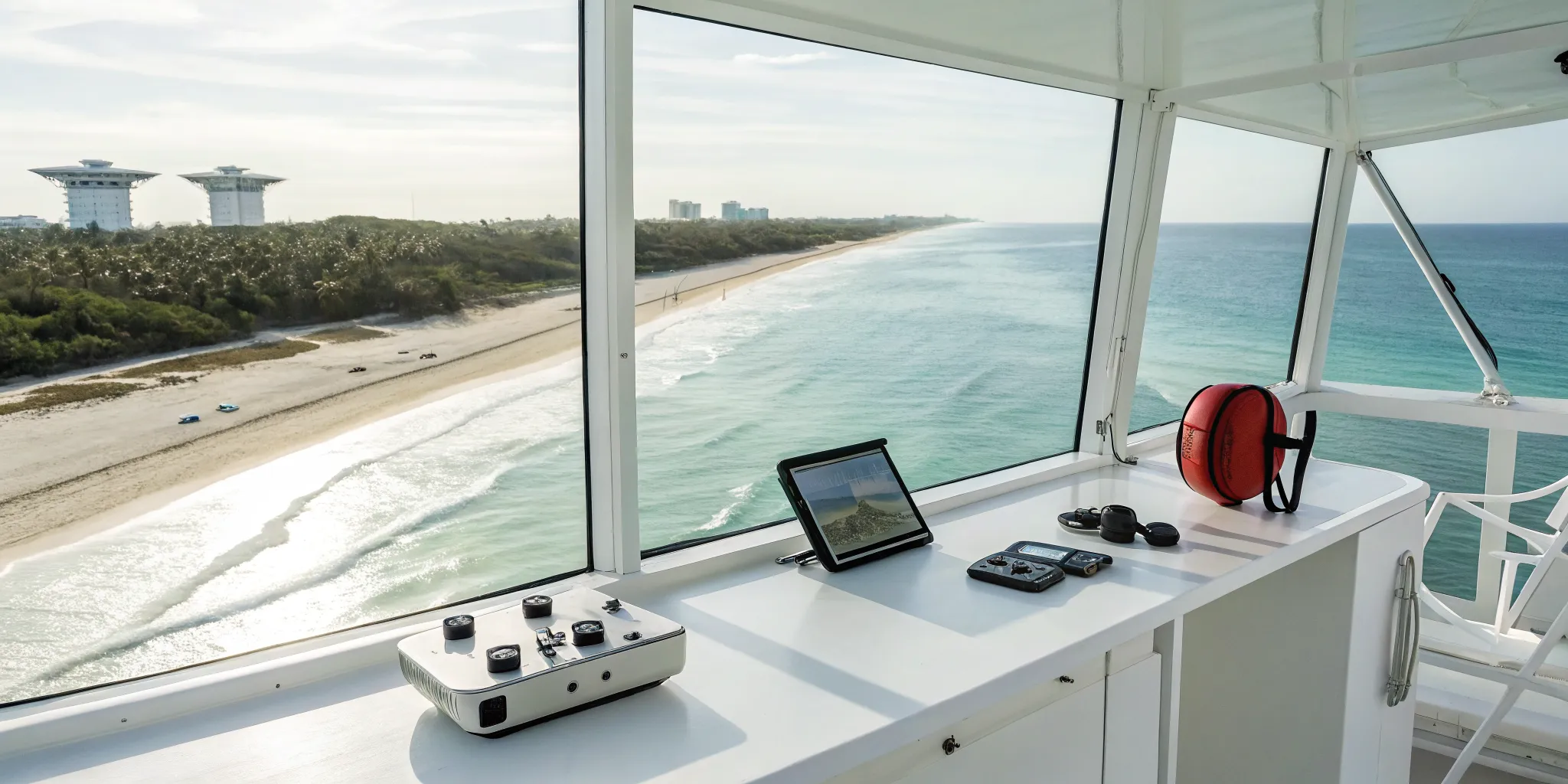
For years, aquatic safety has depended on the sharp eyes of your lifeguards. But what if you could move beyond a purely reactive safety model and identify risks before they become emergencies? A Digital Lifeguard System allows you to do just that. This isn't just another alarm. It's smart technology that analyzes swimmer activity, spots the earliest signs of distress, and gives your team the crucial heads-up needed to act proactively. By adding this layer of intelligent monitoring, you empower your staff to prevent incidents, not just respond to them.
Key Takeaways
- Technology is a partner, not a replacement: Digital drowning detection systems are designed to support your lifeguards by providing constant, reliable surveillance. This allows your team to focus on prevention and respond more effectively with the help of instant, accurate alerts.
- A complete system creates layers of safety: The most effective solutions integrate multiple components, such as a central hub, lifeguard equipment, and swimmer wearables. This connected approach ensures clear communication and a coordinated response when every second is critical.
- Choose a system that fits your facility's reality: Look beyond the price and evaluate how a system will work with your specific pool layout, staff, and safety protocols. Prioritize comprehensive training, vendor support, and proven reliability to make a smart long-term investment in safety.
What Is a Digital Lifeguard System?
Digital lifeguard equipment is a set of advanced tools designed to support lifeguards and add another layer of protection at your facility. Think of it as a high-tech partner for your safety team. Instead of replacing human expertise, these systems use technology like wearable devices, underwater cameras, and smart analytics to monitor swimmers and provide real-time alerts. This helps your lifeguards respond faster and more effectively, especially in crowded or challenging conditions. It’s all about giving your team the best possible tools to prevent incidents before they happen.
What Technology Powers These Systems?
The core idea behind this technology is to supplement traditional lifeguarding with autonomous monitoring. A complete drowning detection system uses a network of sensors and cameras to keep a constant watch on every swimmer in the water. This provides your team with real-time information, helping them spot potential issues much faster than the human eye alone can. By adding this layer of technology, you can help your team prevent incidents from becoming critical emergencies. It allows your staff to manage large or multiple swimming areas with greater confidence, knowing they have reliable support working alongside them.
How Digital Lifeguards Detect and Alert
These systems are designed to identify signs of distress and immediately notify your staff. Using a combination of underwater cameras and intelligent software, the system analyzes swimmer movements. If it detects behavior that indicates a swimmer is in trouble, it sends an instant alert directly to your lifeguards. For example, WAVE’s system can even automate rescue alerts. When a lifeguard enters the water to perform a rescue, the Lifeguard Alert equipment automatically sends notifications throughout the facility. This ensures your entire team is aware of the situation instantly, so they can provide backup and manage the scene effectively.
The Role of AI and Underwater Cameras in Safety
Artificial intelligence (AI) and underwater cameras are the powerhouse behind modern digital lifeguard equipment. The AI acts as an extra set of eyes, constantly scanning footage from cameras placed throughout the pool. It’s trained to recognize the subtle, underwater activity patterns associated with drowning, which can be difficult to spot from the surface. By analyzing this visual data, the AI can identify risks early and send a notification to the GUARDian Hub. This proactive approach gives lifeguards critical information, allowing them to intervene before a situation escalates. It’s a smart, efficient way to enhance the observational power of your safety team.
The Growing Adoption of Drowning Detection Tech
It's no surprise that aquatic facilities are increasingly turning to technology to enhance safety. Studies have shown that traditional scanning strategies, like the 10:20 Protection Rule, have limitations and don't always guarantee detection of a swimmer in distress. This reality has fueled a global movement toward integrating smart systems. Public pools across the world are now implementing AI-powered technology that uses cameras to constantly monitor swimmers. These systems are designed to help lifeguards spot swimmers who show signs of trouble, sending an immediate alert to their equipment. This adoption isn't about replacing skilled professionals; it's about equipping them with better tools to create a safer environment.
Why Invest in a Digital Lifeguard System?
Digital lifeguard systems are designed to support, not replace, your highly trained staff. Think of this technology as a force multiplier for your team, giving them an extra set of eyes that never blinks, gets tired, or becomes distracted. By integrating advanced tools, you can create a safer environment for everyone at your facility and give your lifeguards the backup they need to perform at their best. These systems offer a proactive approach to water safety, helping you spot and address potential issues before they become emergencies.
They work in tandem with your team's skills, filling in perceptual gaps caused by sun glare, water turbidity, or crowded pools. This partnership between human expertise and technological precision creates a comprehensive safety net, ensuring that every swimmer is accounted for. The result is a more secure aquatic environment, increased peace of mind for patrons, and a more empowered and effective lifeguard team. Instead of just reacting to incidents, your facility can begin to anticipate and prevent them, backed by a system that provides constant, unbiased surveillance and immediate alerts. This allows your staff to focus their attention where it's needed most, confident that they have reliable support watching over the entire swimming area.
Understanding the Reality of Drowning Risks
The Hidden Statistics of Drowning Incidents
The statistics surrounding drowning are sobering and highlight the urgent need for comprehensive safety measures. Drowning isn't just a distant threat; it's the leading cause of death for children aged 1-4 and the second leading cause for kids aged 5-14. For every fatal drowning, an estimated seven to eight other individuals require emergency medical care, with many facing long-term health consequences. These numbers are a stark reminder that even a few seconds of distress in the water can have devastating outcomes. The prevalence of these incidents underscores the critical importance of having multiple layers of protection in place at any aquatic facility.
Why Drownings Occur Even in Supervised Areas
It’s a common misconception that drownings don't happen when lifeguards are on duty. The reality is that even the most vigilant professionals face significant challenges. Crowded pools, sun glare on the water's surface, and general chaos can make it incredibly difficult to monitor every swimmer effectively. As research highlights, the limitations of human observation mean that subtle signs of distress can be missed. Drowning is often silent and quick, lacking the splashing and shouting people expect. This is where technology can make a life-saving difference, by providing an uninterrupted view beneath the surface and catching what the human eye might overlook, ensuring a faster response when it matters most.
The Limitations of Traditional Lifeguard Scanning
The 10:20 Protection Rule Explained
Many aquatic safety organizations train lifeguards using the "10:20 Protection Rule." This industry standard dictates that a lifeguard should be able to scan their entire assigned zone of protection within 10 seconds and reach any incident within that zone in the next 20 seconds. The rule is designed to ensure rapid detection and intervention, which is critical in a potential drowning scenario where every moment counts. It sets a high bar for vigilance and physical readiness, placing immense responsibility on the individual lifeguard to maintain constant, sweeping visual coverage of the water and be prepared to act instantly at the first sign of trouble.
Research on Lifeguard Scanning Effectiveness
While the 10:20 rule provides a clear guideline, studies show that consistently meeting this standard is extremely difficult, if not impossible, in a real-world setting. Research investigating lifeguard scanning patterns found that even when instructed to follow the rule, lifeguards were often unable to scan their entire zone within the 10-second timeframe. This isn't a reflection of poor performance but rather a confirmation of the cognitive and physical limits of the task. It highlights a critical gap in traditional safety protocols and makes a strong case for implementing support systems that can provide the constant, comprehensive surveillance needed to truly protect every swimmer.
Reduce Lifeguard Stress and Improve Well-Being
The constant pressure to see everything at once takes a significant toll on a lifeguard's mental and physical well-being. This hyper-vigilance can lead to stress, anxiety, and burnout, making a demanding job even harder. A digital drowning detection system acts as a reliable partner, helping to ease this burden. By providing a constant second set of eyes, technology like the WAVE system gives lifeguards the confidence that they have backup. As one report on AI assistance notes, this support helps reduce stress and allows lifeguards to focus more on proactive supervision and guest interaction. It transforms their role from one of pure reaction to one of empowered prevention, creating a safer and more positive environment for staff and swimmers alike.
Automate Drowning Detection
Even the most experienced lifeguards can face challenges like sun glare, water turbidity, or a crowded pool. A drowning detection system uses sophisticated technology to constantly scan for signs of distress that a person might miss. Modern aquatic safety equipment uses real-time monitoring and instant alerts to help your team prevent incidents before they become critical. This automated layer of protection works around the clock, identifying subtle drowning indicators that are often invisible to the naked eye. It gives your staff the crucial early warning they need to intervene effectively and confidently, turning a potential crisis into a controlled response.
Monitor Swimmers in Real Time
A digital system gives your lifeguards a complete, uninterrupted view of everything happening beneath the surface. Using a network of underwater cameras, the system feeds a continuous stream of information to a central monitoring station, like the GUARDian Hub. This allows a single lifeguard to see clearly throughout the entire pool, eliminating blind spots and overcoming difficult water conditions. This real-time visibility means your team has a comprehensive picture of swimmer activity, helping them supervise more effectively and maintain constant vigilance over every corner of your facility.
Improve Lifeguard Response Times
When a swimmer is in distress, every second counts. Digital systems are built to reduce lifeguard reaction times by providing immediate and precise alerts. Instead of relying solely on spotting an incident from the chair, your team receives an instant notification through their Lifeguard Alert equipment, pinpointing the exact location of the swimmer in trouble. This eliminates guesswork and allows for a faster, more direct rescue. By adding this technology to traditional lifeguarding techniques, you equip your team to respond with greater speed and accuracy when it matters most.
Gain Actionable Safety Insights
Beyond immediate alerts, a digital lifeguard system serves as a powerful data-gathering tool that can help you make your facility safer over the long term. The system acts as a digital assistant, collecting information on swimmer behavior, high-traffic zones, and near-miss incidents. You can analyze this data to identify patterns, recognize potential risks, and make informed decisions about staffing, pool rules, or facility layout. These actionable insights allow you to move from a reactive safety posture to a proactive one, continuously improving your operational procedures and creating a safer environment for everyone.
Using Incident Recordings for Training and Review
After a critical incident is resolved, the work of improving safety continues. Digital drowning detection systems provide an invaluable tool for this process: incident recordings. This footage offers a clear, objective record of what happened, allowing your team to review the entire event from start to finish. You can use these recordings in debrief sessions to analyze response times, communication effectiveness, and rescue techniques. It’s a powerful way to turn real-world scenarios into concrete training moments. By examining the data and visual evidence, you can identify exactly what went well and pinpoint areas for improvement, helping your team refine their skills and strengthen your facility’s overall safety protocols.
The Core Components of a Digital Lifeguard System
A complete digital lifeguard system isn't just one piece of tech; it's a network of smart devices working together to create layers of protection. Think of it like a well-coordinated team where each member has a specific job, all communicating seamlessly to keep swimmers safe. You have a central hub that acts as the brain of the operation, specialized equipment for lifeguards, and wearable trackers for swimmers. Each component plays a critical role in automating detection and speeding up response times, which are precious seconds in an emergency. When these elements are combined, they form a powerful safety net that covers your entire aquatic environment, from the busiest sections of the pool to the harder-to-see corners.
When you understand how these pieces function individually and as a whole, you can see how they provide an extra set of eyes on every person in the water. This integrated approach helps your lifeguard team stay focused, informed, and ready to act the moment they're needed. It’s not about replacing your staff but empowering them with tools that handle the constant monitoring, so they can focus on prevention and rapid intervention. Let's look at the key WAVE products that make up a comprehensive safety system and see how they support your facility's goals. By breaking down the system into its core parts, you can better appreciate how each one contributes to a safer swimming experience for everyone.
The GUARDian Hub: Your Central Command
The GUARDian Hub is the heart of the entire safety system. It acts as a central command center, connecting lifeguards, staff, and swimmers through one integrated platform. Think of it as the brain of the operation, processing information from all the connected devices and ensuring everyone stays informed. This hub is what makes automated rescue alerts possible, streamlining communication when every second counts. By centralizing all the data and alerts, it gives your team a clear, real-time overview of the entire facility. This allows you to manage any situation with confidence and precision, knowing that the system is constantly working in the background to support your safety protocols.
Lifeguard Alert: Instant Notifications
The Lifeguard Alert system is designed to support your team during a rescue. When a lifeguard enters the water, their wearable tag automatically triggers an alert that is sent throughout the facility. This instant notification saves critical time by immediately informing other staff members that a rescue is in progress. Your team can then provide backup, manage other swimmers, and clear the area without any delay. The Lifeguard Alert equipment is also built for reliability, with a tag battery that lasts for 12 months, so you can trust it will be ready when you need it most. It’s a simple but powerful tool for improving coordination and response efficiency.
Swimmer Alert: Wearable Protection
For an added layer of individual protection, the Swimmer Alert system uses wearable trackers. These lightweight devices are worn by swimmers and monitor their time underwater. If a swimmer's head is submerged for too long, the system automatically sends an alert directly to the lifeguards. This is especially helpful in crowded pools or during times when staffing is limited, as it provides a constant watch over every participant. The complete Swimmer Alert system includes everything from the lifeguard alert equipment, plus the individual trackers and goggle clips, offering a comprehensive safety solution for everyone in the water.
What Makes a Complete Digital Lifeguard System?
When you’re looking at digital lifeguard systems, it's more than just a single piece of tech. A truly effective system is a combination of several key components working together. Think of it as a complete safety ecosystem for your facility. From the wearables swimmers use to the alerts your staff receives, every part plays a critical role. Let's break down the four essential elements that make up a comprehensive and reliable digital lifeguard system.
Why Reliable Sensors and Hardware Matter
The foundation of any digital lifeguard system is its hardware. These are the physical tools that do the initial work of monitoring swimmers. This includes small, waterproof tags or other wearables that can detect when a swimmer is submerged for too long. For these components to be effective, they must be both accurate and durable enough to handle a busy aquatic environment. This hardware acts as the first line of defense, providing the constant vigilance that supports your lifeguard team. The data they collect is what powers the entire system, making their reliability absolutely essential for a successful safety plan.
What Makes an Alert System Effective?
Once a potential issue is detected, the system must communicate it instantly and clearly. A great alert system eliminates ambiguity and saves precious seconds. When a sensor is triggered, notifications should be sent immediately throughout the facility using both audible and visual cues. This ensures that lifeguards on duty are aware of the situation and its exact location without delay. The best systems provide specific information, guiding your team to the swimmer in distress. This rapid communication is what turns detection into a life-saving response, making your lifeguard equipment a critical part of your emergency action plan.
Beyond Wearables: Facility-Wide Alerts
While individual wearables are a key component, a truly effective system extends protection across your entire facility. It’s not just about one swimmer’s alert; it’s about creating a connected safety network. When a potential incident is detected or a lifeguard initiates a rescue, the system should instantly communicate this information to all staff members. This ensures a coordinated response where other lifeguards can manage the crowd, clear the area, and provide backup without a moment's delay. This integrated approach transforms individual alerts into a facility-wide response, creating multiple layers of protection that support your team and keep every swimmer safer.
Why an Intuitive Platform Is a Must-Have
All the data gathered by the sensors and hardware needs to be organized and displayed in a central, easy-to-use platform. This is your command center. An intuitive monitoring platform gives your staff a real-time overview of the entire swimming area, enhancing their situational awareness. Instead of a confusing screen of numbers, it should offer a clear visual representation of swimmer activity and highlight any potential risks. The interface must be straightforward, allowing lifeguards to get the information they need at a glance without adding complexity to a high-stakes environment. The GUARDian Hub is a perfect example of this central command approach.
How It Integrates with Your Facility
Finally, a complete digital lifeguard system must fit smoothly into your facility’s existing operations. The technology should feel like a natural extension of your team, not a disruption. It needs to support your lifeguards by providing an extra set of eyes, helping to manage crowded pools or understaffed shifts. The system should be adaptable to your unique layout and protocols, integrating with your current safety plan to create a stronger, more resilient safety net. The goal is to add a powerful layer of technological support that enhances, rather than replaces, the skills of your professional staff.
Leveraging Existing Camera Infrastructure
Many aquatic facilities already have security cameras in place. Instead of starting from scratch, a modern drowning detection system can often integrate with this existing infrastructure. By adding specialized artificial intelligence (AI) software, your current cameras can be transformed into smart safety tools. The AI analyzes the video feeds in real time, looking for patterns that might indicate a swimmer is in distress. This approach provides an additional layer of surveillance, complementing other tools like wearable trackers and lifeguard alerts. It’s a cost-effective way to expand your monitoring capabilities and build a system that uses every resource at your disposal to protect swimmers.
Common Implementation Challenges (and How to Solve Them)
Adopting any new technology can feel like a big step, and it’s natural to have questions about how it will work for your facility. From budget constraints to staff training, there are a few common hurdles that aquatic managers think about when considering a digital lifeguard system. The good news is that these challenges are entirely manageable with a bit of planning. Thinking through these points ahead of time will help you make a smooth transition and ensure you get the most out of your investment in safety. It's about finding the right fit and preparing your team and facility for a new layer of protection that supports everyone.
This process doesn't have to be complicated. By breaking it down, you can see a clear path forward to enhancing your aquatic safety program. The goal is to integrate a system that feels like a natural extension of your existing operations, one that empowers your lifeguards and gives you greater peace of mind. It’s not about overhauling everything you do, but rather adding a powerful tool that works in harmony with your team. Let’s walk through some of the most common concerns and how you can address them head-on, so you can feel confident in your decision.
What If It's Not in the Budget?
The cost of advanced safety equipment is often a primary consideration. While the initial investment might seem significant, it’s helpful to frame it as a long-term commitment to safety and operational excellence. A drowning detection system is more than just equipment; it’s a critical layer of protection that reduces risk for your swimmers and your facility. When you explore pricing, think about the value it provides in preventing incidents and supporting your staff. Many providers offer different tiers and options, allowing you to find a solution that fits your budget while still meeting your safety goals.
How to Get Your Staff On Board
Your team’s confidence in new technology is key to its success. Even the most experienced lifeguards need practical training to integrate a digital system into their workflow. While lifeguards often feel confident in their skills, studies show there can be gaps in practical proficiency with new tools. A quality system should come with comprehensive training and ongoing support to ensure your staff feels comfortable and empowered. The goal is for the technology to become a trusted partner on the pool deck, helping your team perform their duties more effectively and with greater peace of mind.
Does Your Pool's Environment Matter?
Every aquatic environment is unique. You might wonder if a digital system can perform reliably with variables like inconsistent lighting, surface glare, or water turbulence. These are valid concerns, as some conditions can pose challenges for digital detection. Modern systems are engineered to account for this variability, using advanced sensors and AI to filter out distractions and focus on what matters. When evaluating a system, discuss your specific facility conditions with the provider. A transparent partner will explain how their technology works in different environments to ensure it’s the right fit for you.
How It Fits into Your Current Safety Plan
A digital drowning detection system is designed to enhance your existing safety protocols, not replace them. The most effective approach integrates technology seamlessly with your team’s expertise. Think of it as adding a powerful tool to your safety toolkit. The system’s real-time alerts should be incorporated into your emergency action plan, giving your lifeguards critical information to respond faster and more effectively. By integrating technology into your drowning prevention strategy, you create a stronger, more resilient safety net that safeguards swimmers more comprehensively than human surveillance alone.
What Does a Digital Lifeguard System Cost?
Adopting a digital drowning detection system is a significant step toward enhancing safety at your facility. Thinking about this technology as an investment in your team and your community helps frame the decision-making process. It’s not just about buying equipment; it’s about integrating a powerful safety layer that supports your lifeguards and protects every swimmer. Understanding the costs, features, and long-term value will help you make a confident and informed choice for your aquatic environment.
This investment goes beyond a simple price tag. It represents a commitment to a higher standard of care, providing peace of mind for your staff and patrons. By equipping your team with advanced tools, you empower them to act faster and more effectively, turning critical moments into successful outcomes. Let's break down what to consider when planning for this important addition to your safety protocol.
What to Expect from Different Tiers
Digital safety systems are not one-size-fits-all, and different tiers of service allow you to find the right fit for your facility’s specific needs. For instance, WAVE offers distinct packages to match your operational requirements. The GUARDian Lifeguard Alert Bundle is designed to directly support your staff by focusing on instant alerts for your lifeguard team. This tier includes essential equipment like lifeguard tags.
For more comprehensive coverage, the GUARDian Swimmer Alert System provides a complete safety net. This package includes all the features of the lifeguard alert system and adds individual trackers for swimmers, offering an extra layer of protection by monitoring each person in the water. Choosing the right tier depends on your facility's size, swimmer volume, and existing safety protocols.
What Features Come with a Pro-Grade System?
A professional-grade system is built to make your lifeguards better at their jobs, not to replace them. The core of WAVE’s technology is providing real-time, automatic alerts that cut through the noise during a potential emergency. A truly effective system connects your lifeguards, their equipment, and the entire facility through a network of smart tags, bracelets, and a central hub.
This seamless integration is managed through an intuitive app, giving your team immediate access to critical information. The goal is to create a connected environment where every second counts. When you explore how the system works, you’ll see that these features are designed to be reliable, responsive, and incredibly supportive for the people responsible for keeping swimmers safe.
Are There Ongoing Costs to Consider?
When budgeting for a new safety system, it’s helpful to think in terms of a predictable, ongoing operational expense rather than a massive one-time capital purchase. This approach makes advanced technology more accessible. For example, the GUARDian Lifeguard Alert Bundle, also known as the 'PROFESSIONAL' plan, starts at $149 per month. This is a great option if your primary goal is to enhance lifeguard alerts.
For facilities seeking the highest level of protection, the GUARDian Swimmer Alert System, or 'ULTIMATE' plan, starts at $299 per month. These subscription-based models often include software updates, support, and hardware maintenance, ensuring your system remains effective over time. You can find more details by looking at the complete pricing structure.
How to Calculate Your Return on Investment
The return on investment for a digital safety system extends far beyond dollars and cents. While the primary return is, of course, an invaluable increase in safety and the prevention of incidents, there are other tangible benefits. These systems are designed to enhance the skills of your team, providing crucial alerts and data that empower your staff to respond faster and more effectively.
A well-supported, confident lifeguard team leads to a safer environment, which in turn builds community trust and can positively impact attendance and membership. By reducing the likelihood of human error and providing a documented record of events, you also add a layer of liability protection. The true value lies in creating a facility where staff feel empowered and patrons feel secure.
How to Choose the Right Digital Lifeguard Equipment
Selecting a digital drowning detection system is a major step toward enhancing safety at your facility. It’s more than just buying equipment; it’s about integrating a new layer of protection into your existing operations. To make the best choice, you need to look at your specific needs, budget, team, and the reliability of the system itself. Let's walk through the key factors to consider so you can feel confident in your decision.
What Does Your Facility Actually Need?
Start by mapping out your aquatic environment. Consider the size, shape, and depth of your pool, as well as any unique features like slides, lazy rivers, or dark water that could create blind spots. The right system needs to provide optimum coverage for your entire area. Quality and durability are also essential to ensure the equipment can handle a busy aquatic environment day in and day out. A system with versatile components, like wearable Swimmer Alerts, can be tailored to fit the specific challenges of your facility, ensuring no corner is left unmonitored.
Take a Realistic Look at Your Budget
While advanced safety technology is a significant investment, it's important to balance quality with affordability. Think of it less as a cost and more as a long-term investment in swimmer safety and your facility's reputation. When you explore pricing, look beyond the initial setup fee. Consider the total cost of ownership, including potential maintenance, software updates, and support. A cheaper system might seem appealing upfront, but if it lacks reliability or robust features, it won't provide the peace of mind you need. Investing wisely means choosing a system that delivers consistent, life-saving performance.
What Training Will Your Staff Need?
The most advanced technology is only effective if your team knows how to use it properly. Before committing to a system, ask about the training process. Is it comprehensive? Is it hands-on? Your lifeguards need to feel confident using the equipment in high-pressure situations. Limited real-world practice can create gaps in proficiency, so ongoing training and support are crucial. A system with an intuitive interface, like the GUARDian Hub, simplifies adoption and makes it easier for your staff to integrate the technology into their daily routines without a steep learning curve.
Why System Reliability and Support Matter Most
A drowning detection system must be dependable. Look for technology with a proven track record and positive testimonials from other aquatic facilities. The system should be designed to minimize false alarms while ensuring every real event is captured. Just as important is the support you receive from the vendor after installation. What does their customer service look like? Do they offer technical assistance when you need it? Strong vendor support is essential for maintaining your safety standards and ensuring your system operates at peak performance for years to come. You can often get a feel for this when you first book a meeting.
Look for Compliance with Industry Standards
When you're evaluating different systems, make sure to ask about their compliance with established industry standards. This isn't just about checking a box; it's about ensuring the technology has been rigorously tested and proven to be effective in real-world aquatic environments. Guidelines like the Model Aquatic Health Code provide benchmarks for safety and performance. A system that meets these standards offers a critical layer of assurance. It confirms you're investing in technology that is reliable and built to support your team when every second is critical, giving you confidence in your facility's safety net.
Debunking Myths About Digital Lifeguard Tech
New technology always brings up new questions. When it comes to something as important as water safety, it’s natural to have concerns about how digital drowning detection systems work and what they can realistically do. Let's clear the air and look at some of the most common myths surrounding this life-saving technology. By separating fact from fiction, you can make a more informed decision about enhancing safety at your facility. Misinformation can create unnecessary barriers, preventing aquatic centers from adopting tools that could significantly improve their safety protocols. The conversation around digital lifeguard equipment often gets clouded by assumptions about its role alongside human staff, its reliability in different environments, and its complexity. Many facility managers worry about a steep learning curve for their team or whether the technology can truly handle the dynamic environment of a busy pool. These are valid points to consider, but they are often based on outdated ideas or comparisons to consumer-grade technology. A professional-grade system is an entirely different class of equipment, engineered specifically for the high-stakes world of aquatic safety. Understanding what these systems are, and what they are not, is the first step toward building a truly comprehensive safety plan. In this section, we’ll address four key myths head-on to give you the clarity you need.
Myth: It Replaces Human Lifeguards
This is probably the biggest misconception out there. Digital drowning detection systems are not designed to replace your skilled lifeguards; they’re built to support them. Think of this technology as a digital partner for your team, providing an extra layer of surveillance that never gets tired or distracted. Systems like the WAVE GUARDian System act as a second set of eyes, constantly monitoring every swimmer and alerting staff to potential risks. This allows your lifeguards to focus their attention where it’s needed most, making them more effective and better equipped to respond to emergencies. The goal is collaboration, not replacement, creating a safer environment through a powerful combination of human expertise and technological precision.
The Importance of Blended Training to Prevent Over-Reliance
It’s a valid concern that lifeguards might become too dependent on technology and let their own scanning skills slip. This is precisely why blended training is so important. The goal isn’t to hand over responsibility to a machine but to teach your team how to use the system as a powerful tool that enhances their professional judgment. Effective training combines traditional lifeguard drills with hands-on practice using the digital system in realistic scenarios. This helps your staff understand exactly how the system works to support them, turning the technology into a trusted partner on the pool deck. By integrating the equipment into their workflow, lifeguards learn to use it as a force multiplier, giving them the backup they need to perform their duties with greater confidence and precision.
Myth: It Only Works in Ideal Water Conditions
You might think that advanced monitoring technology only works in crystal-clear, indoor pools. The reality is that modern systems are engineered to perform in a variety of aquatic environments. Whether you manage an outdoor facility with changing light or a pool with darker surfaces, the right technology is built to adapt. Our system, for example, is designed to provide reliable detection in both clear and dark bodies of water. The key is a professional-grade setup, where the drowning detection technology is configured for your specific environment. This ensures you get accurate monitoring, no matter the conditions, giving your team consistent support day in and day out.
Myth: It’s Only for Simple, Rectangular Pools
It’s easy to picture this technology working in a standard, rectangular pool, but many assume it stops there. The reality is that a system’s effectiveness isn’t limited by the shape or clarity of the water. Because a complete system relies on a network of connected devices—like individual Swimmer Alert wearables and staff equipment—it can be adapted to fit more complex aquatic environments, including those with dark bottoms or irregular layouts. The core principle of monitoring for distress and sending instant alerts remains the same. This flexibility allows you to extend an advanced layer of protection beyond the typical pool, giving your team the support it needs to confidently supervise every corner of your facility.
Myth: Wearables Are Unreliable
We’ve all heard stories about consumer fitness trackers giving inaccurate readings, so it’s fair to be skeptical about wearables. However, professional-grade safety equipment is in a completely different league. Unlike everyday gadgets, Swimmer Alert wearables are purpose-built for one critical task: detecting submersion. They use specialized sensors and technology validated for aquatic safety to provide precise data. These devices are engineered to withstand the rigors of a busy pool environment and deliver dependable alerts you can trust. Reliability isn’t an afterthought; it’s the foundation of the entire system, designed to give you and your patrons peace of mind when it matters most.
Myth: The Systems Are Too Complicated
The thought of installing and learning a new, high-tech system can feel daunting. But today’s digital lifeguard equipment is designed with facility managers and staff in mind. The best systems feature an intuitive interface, like our GUARDian Hub, which provides clear, at-a-glance information that is easy to understand. The goal is to simplify safety protocols, not complicate them. With proper training and ongoing support, your team can quickly become confident in using the system. It integrates smoothly into your existing safety plan, making your operations more streamlined and effective without adding unnecessary complexity to your team's daily responsibilities.
Related Articles
- Drowning Prevention Technology: A Facility Guide
- How to Buy Swimmer Safety Wearables: A 2026 Guide
- How Automated Drowning Detection Improves Safety
- Guide to Automated Drowning Detection & Pool Security
Frequently Asked Questions
Does this technology replace my lifeguards? Not at all. Think of a digital drowning detection system as a powerful tool designed to support your highly trained staff, not replace them. It acts as a force multiplier, providing an extra set of eyes that constantly monitors every swimmer without getting tired or distracted. This allows your lifeguards to be more effective by helping them see things they might otherwise miss due to glare, crowded water, or other challenging conditions.
How does the system alert my team during an actual emergency? When the system detects a potential issue, like a swimmer being submerged for too long or a lifeguard entering the water for a rescue, it sends an immediate notification. This alert is sent directly to your staff through their Lifeguard Alert equipment and the central GUARDian Hub. The system is designed to eliminate ambiguity and save precious seconds by providing clear, facility-wide alerts that pinpoint the location, allowing your team to coordinate a faster and more effective response.
Will this system work in my specific pool environment, like an outdoor or dark-bottom pool? Yes, professional-grade systems are engineered to perform reliably in a variety of aquatic settings. Unlike consumer gadgets, this technology is built to handle real-world variables like changing sunlight, surface glare, and even darker bodies of water. The key is that the system is configured for your specific facility, ensuring you get accurate monitoring and consistent support for your team no matter the conditions.
Is this technology difficult for my staff to learn and use? Modern digital lifeguard systems are designed with the user in mind. The goal is to integrate smoothly into your existing safety plan, not to add complexity. An intuitive platform, like the GUARDian Hub, provides clear, at-a-glance information that is easy for your team to understand and act on. With proper training and ongoing support, your staff can quickly become confident in using the technology as a trusted partner on the pool deck.
What's the main difference between the Lifeguard Alert and Swimmer Alert systems? The primary difference is the focus of the monitoring. The Lifeguard Alert system is designed to support your staff by automatically sending a facility-wide alert when a lifeguard enters the water to perform a rescue. The Swimmer Alert system includes all of those features and adds another layer of protection by providing individual wearable trackers for each swimmer. These trackers monitor submersion time and send an alert if a swimmer might be in distress, offering a more comprehensive safety net for everyone in the water.
