
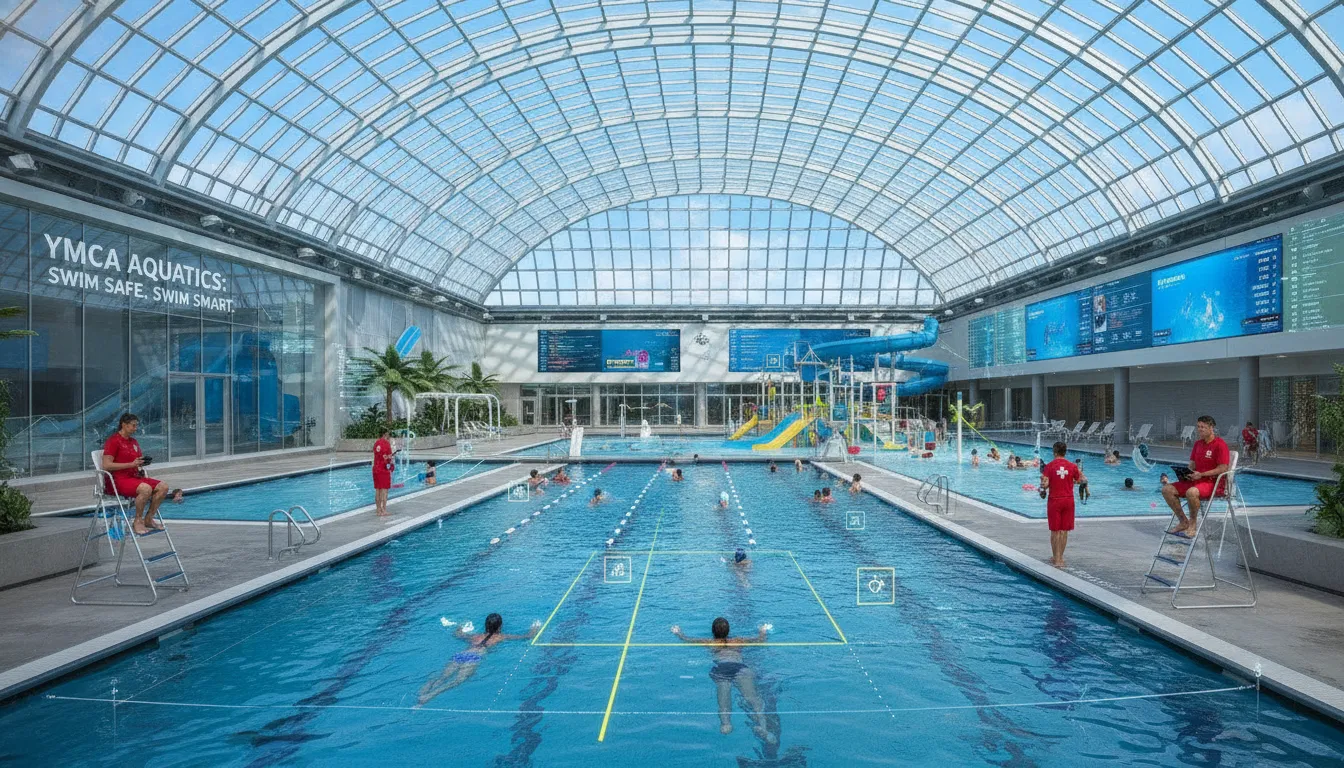
Drowning prevention technology helps lifeguards by using wearable sensors or AI cameras to find submersions in real time. For YMCA aquatic directors, this tool addresses the current lifeguard shortage. It adds a reliable, automated layer of safety that works even in murky water or crowded pools. These systems do not replace staff. Instead, they send fast alerts to vibrating bracelets or facility alarms if a swimmer stays under too long. By using a modern drowning detection system, pools can lower the risk of a fatal event. This helps manage liability and keeps the community safe. According to the CDC, the U.S. sees about 4,000 fatal drownings every year. These extra layers of safety are vital for every pool.
The Reality of Drowning at Guarded Facilities
Every year in the United States, about 4,000 people die from drowning. This means roughly 11 deaths happen every single day. For young children between ages 1 and 4, drowning is the top cause of death. Even more alarming, drowning deaths in this age group rose by 28 percent from 2019 to 2022. These numbers show that water safety needs a new approach today.
Directors of YMCA pools and community parks work hard to keep people safe. But even with deep care and planning, risks remain high. The data suggests that current safety layers may not be enough to stop every tragedy. As water use grows, the need for better tools becomes clear for every facility manager.
Rising risks for young swimmers
Drowning remains a major threat as children get older. For those between ages 5 and 14, it is the second leading cause of death from injury. Many people think these events only happen in places without supervision. However, the data tells a different story about the safety of our pools and parks.
More than half of child drownings for those ages 5 to 14 occur at guarded facilities. Even with trained staff on duty, a person can slip under the water without a sound. This risk shows why many sites now look for advanced drowning prevention technology to add a new layer of safety. These tools help find swimmers in trouble before it is too late.
The impact of lifeguard shortages
Aquatic centers face a hard task today because of a lack of staff. Recent reports show that 41.8 percent of facilities deal with lifeguard shortages. When there are fewer guards on the deck, the stress on each person grows. This gap makes it harder to keep a close watch on every swimmer at all times. It also leads to burnout for the staff you do have.
Directors must find ways to help their teams without relying only on more hires. Using tools like drowning prevention technology helps guards do their jobs better. These systems act as an extra set of eyes that never gets tired or loses focus. They give your team the support they need to manage a crowded pool with more confidence.
A strategic path for safety
Modern safety tools give facilities a smart way to manage risks. Instead of replacing guards, these systems act as a force multiplier for the staff. They can find a problem in the water and alert the team in seconds. This speed is vital for saving lives and keeping your community safe. It allows guards to act fast when every second counts.
For YMCAs and other public pools, these tools are a vital part of a full safety plan. They help fill the gaps caused by staff shortages and human limits. By using the right tech, you can make sure every swimmer has the best protection possible. Investing in these systems shows a strong focus on the well-being of every person who visits your site.
What Is Drowning Prevention Technology?
Drowning prevention technology is a set of tools that help lifeguards find swimmers in distress. These systems act as a force multiplier, giving staff a digital set of eyes to see below the water surface. By using advanced drowning prevention technology, facilities can reduce the risk of fatal events. Most systems fall into two groups: camera-based AI or wearable IoT sensors.
Camera based AI tools
Camera-based tools use computer vision to track movement in a pool. These systems, like Lynxight, rely on overhead cameras to spot signs of distress. While strong, they often need clear water and good light to work. Setting them up can be a big project that needs new cables around the pool. These tools are common in clear pools where privacy rules allow for video use.
Wearable IoT sensors
Wearable IoT tech offers a new way to protect swimmers. Instead of cameras, systems like WAVE use drowning detection systems based on small sensors. Swimmers wear light tags that track how long they stay under water. If a tag stays down too long, it sends a vibrating alert to lifeguard bracelets. This way works in all water types, including murky lakes, because it does not need to see through the water.
| Feature | Camera AI | Wearable IoT |
|---|---|---|
| Setup Time | Days or weeks | Hours |
| Water Types | Clear water only | Clear or murky water |
| Construction | High (cables/masts) | None (portable) |
| Privacy | Video recording | No cameras |
| Natural Water | No | Yes |
| Cost Model | Large upfront fee | Low monthly rate |
The best choice depends on your site needs and local rules. The Centers for Disease Control and Prevention (CDC) says drowning is a top cause of death for young kids. These extra safety layers are a must. While no tool replaces a guard, this tech gives the fast alerts needed to save lives before a loss occurs.
How Wearable IoT Drowning Detection Works
The goal of modern safety tools is to help lifeguards do their jobs better. This method uses web-linked tech to add a new layer of care. Unlike cameras that watch from the ceiling, this system puts a sensor right on the swimmer. These small tools are called AquaSense sensors. They are light and fit on headbands or clips. This way, the tech stays with the person no matter where they swim. It works well in clear water. It also works in dark or murky spots where a camera might lose sight of a swimmer.
Smart Sensors for Every Swimmer
Every swimmer gets a small tag when they enter the pool area. These wearables are given to people to allow for real-time tracking. Lifeguards also wear Smart Tags. These tags let the system know when a guard has entered the water to help. This advanced drowning prevention technology acts as a force multiplier for your staff. It gives them an extra set of eyes that never gets tired. Even when the pool is crowded, the system knows where every sensor is at all times.
The Step-by-Step Alert Flow
A smart system needs a clear plan to handle risks. The WAVE system follows a set of steps to make sure every event gets a fast response. Here is how the alert flow works from start to finish:
- Swimmers wear AquaSense sensors on headbands or clips, and guards wear Smart Tags.
- The sensors detect when a person is under the water and start a timer right away.
- If the timer hits a set point (often 20 or 30 seconds), the tag sends a wireless signal.
- The GUARDian Hub (w3000) gets the signal and sends a pulse to Staff PRO bracelets.
- A spoken alert plays through the pool speakers to tell the team clearly what is happening.
- The Hub Management Software (HMS) logs all the data from the event for the director to see.
Easy Setup and Long Life
Range and power are vital for any tech used at a pool. The system uses a strong wireless signal with a range of more than 700 feet. This means it can cover large indoor centers and outdoor water parks. You do not have to worry about the tags dying in the middle of a shift. The batteries are built to last for 18 to 36 months. This long life reduces the work for your team and gives top-tier care for your guests.
Many safety systems require you to close the pool for weeks to run wires. This is not the case here. This tech can be set up in hours without any fixed building work. The service uses a Hardware-as-a-Service model to make the tech easy to buy. This way, any site can add a new layer of safety without a huge cost upfront.
Data from the CDC shows that drowning remains a major risk. Because of this, getting a system up fast saves lives. You do not need to get permits or drill into the pool deck. This easy setup makes it simple for a YMCA to start using the system right away.
Why YMCAs Need Drowning Prevention Technology
YMCAs are key for local health and water safety. But many centers now face a tough staff crisis. About 41.8% of aquatic centers report lifeguard shortages today. This lack of staff makes it hard to keep a full watch at all times. Drowning prevention technology helps fill this gap. It acts as a force multiplier for the team on deck. It gives your staff a new way to find swimmers who need help fast.
Protecting young swimmers
Safety is the main goal for the YMCA, mostly for the families they serve. For kids ages 5 to 14, drowning is the second leading cause of death from injury after car crashes. Even more, over half of these deaths happen at pools with active guards. Adding a new layer of safety is key to keeping kids safe. Using drowning prevention technology shows members that you take their safety to heart.
These tools work by giving each swimmer a small wearable tag. These tags track how long a person stays under the water in real time. If a swimmer stays down too long, the tool alerts the staff via vibrating bands. This allows for a much faster response than a guard might do alone in a busy pool. By using this tech, YMCAs can cut risks and meet their high goals for community care.
Solving budget and liability hurdles
Many YMCAs worry that new tools will cost too much or be too hard to set up. WAVE solves this by using a low monthly fee instead of one big cost. This plan makes advanced safety tech easy to get for non-profit groups. It also helps lower liability risks by showing a high level of care. You can buy the tech out of your normal budget each month.
Setup is also fast and easy for busy centers. The tool uses a wireless plan that does not need any big building work or permits. You can set it up in just a few hours without closing your pool. This means your daily programs can keep running as usual. With proven success in many YMCAs, this tech is a smart fit for any local branch.
How to Implement Drowning Prevention Technology at Your YMCA
Bringing new safety tools to your YMCA does not have to be a big project. Most pool directors need tools that fit their busy times without closing the pool. You can set up a modern advanced drowning prevention technology system through a simple plan. This path ensures your staff and members feel supported at each step.
Assess your pool needs
The first step is to set a free talk with a safety expert. During this talk, you will look at your pool size and swimmer counts. This helps ensure you choose the best tools for your space. You can pick between the Lifeguard Alert Bundle for $149 a month or the Swimmer Protection Bundle for $299 a month. These plans use a monthly fee to help you manage your pool budget with ease.
Set up and train in hours
One big plus of wearable tech is that it needs no construction. You can set up the system in just a few hours with no pool closures or city permits. Once the gear is ready, WAVE helps you train your lifeguards. This training shows guards how to use the vibrating Staff PRO bracelets and AquaSense tags. Setup is vital because over 4,500 people drowned each year in the United States from 2020 to 2022.
- Set a free talk: Meet with a safety team to review your goals and pool layout.
- Pick your bundle: Choose a plan like the Lifeguard Alert or Swimmer Protection bundle based on your needs.
- Set up the gear: Place the wireless hubs around your pool area in one day with no construction work.
- Train your staff: Show your lifeguards how to use the tags and respond to vibrating alerts.
- Go live: Start your daily monitoring with a 30-day money back promise to ensure the system works for you.
Keep long-term safety high
After you go live, the system acts as a force multiplier for your team. You can use the Hub Management Software to track system health and swimmer tags. This tech helps your guards stay sharp while adding a vital layer of safety. When you are ready to start, you can schedule a free consultation to see how the system fits your YMCA.
Key Benefits of Drowning Prevention Technology for Aquatic Directors
Pool managers face many hurdles today. From staff shortages to rising costs, keeping a pool safe is a big job. Using drowning detection systems helps you meet these goals. This tech acts as a force multiplier for your staff. It does not replace guards. Instead, it makes them better by giving them a second set of eyes that never blink. This allows your team to focus on their work with more confidence.
Support for Lifeguard Teams
The CDC reports that about 4,000 people die from drowning in the U.S. each year. Most of these deaths happen by chance. For pool managers, this stat shows why more layers of safety are vital. Drowning prevention technology helps your team by watching for submerged swimmers in real time. It serves as an added layer of safety that supports your guard's work. It never takes the place of a trained guard, but it helps them do their job better.
Many pools now deal with a lack of staff. This tool helps you manage your team with less stress. If a swimmer stays under for too long, the system sends a quick alert. Your guards get a buzz on their wrist. This alert shows them right where to look. This quick notice can save lives by cutting down on response times. It helps guards stay alert during long shifts at the pool.
The system is also helpful during busy times. When the pool is full, it is hard to see every swimmer. The tech monitors each person wearing a tag. This gives you a full view of the water at all times. It is like having an extra guard at every corner of the pool. Your team will feel more supported during the busiest hours of the day.
Reliable Detection in Any Water
One big plus of this tech is how it works in all water types. Some systems use cameras that struggle in dark or murky water. But wearable sensors do not have this issue. They work just as well in a clear pool as they do in a dark lake. You get peace of mind knowing the system is always on guard. It does not matter if the water is cloudy or the light is low. The sensors track the swimmer, not the light.
Setting up the system is fast and simple. You do not need permits or big construction projects. Most pools can have the tech up and running in just a few hours. There is no need to close your pool for days. This "deployed, not installed" approach saves you time and keeps your pool open for the public. You can start using it the same day it arrives.
Smart Budgeting and Software Integration
Cost is always a concern for YMCA directors. The WAVE system uses a subscription model that fits into your yearly budget. This means you do not need to find a large sum of cash upfront. Plans range from $149 to $399 per month. This makes advanced drowning prevention technology easy to get for pools of all sizes. It turns a big capital cost into a small monthly fee.
The system also works with your current tools. It links with Hub Management Software (HMS) to track safety data. You can see trends and improve your safety plans over time. More than 150 facilities already use this tech. This includes:
- Over 74 YMCAs across the country.
- A national bond with the Boys & Girls Clubs of America.
- 24/7 watching for all pools.
- A 30-day money-back promise.
- A warranty with a zero-dollar deductible.
These benefits show why so many directors choose this tech. It offers a clear path to a safer pool for everyone. By adding this layer of safety, you protect your swimmers and support your staff.
Frequently Asked Questions
Does drowning prevention technology replace lifeguards?
No. Drowning prevention technology acts as an extra layer of safety to help staff. It does not replace the need for trained lifeguards. Based on data from the CDC, drowning is the top cause of death for kids ages one to four. Using tech helps guards find swimmers in trouble faster. This extra help is vital even at pools with a full staff on duty.
Does this technology work in murky or dark water?
Yes. Wearable drowning detection tools work in all types of water. Some systems use cameras that can fail if the water is dark or cloudy. Wearables use radio signals to track swimmers. This means the system can find a person under water even when it is not clear. It is a good choice for lake swim areas or pools that often get cloudy from high use.
How long does it take to set up drowning prevention technology?
Most wearable systems can be set up in just a few hours. These tools do not need building, pipes, or wiring in the pool walls. You can start using them right away without a permit. The hub and swimmer tags work through a wireless network. This fast setup lets pool leaders add a new layer of safety to their site without closing the pool or losing time for repairs.
Is drowning prevention technology costly for non-profits?
No. New pricing plans make this tech easy for non-profits like YMCAs to use. Instead of a large cost up front, you can pay a monthly fee. This is often called a monthly plan. The fee covers the gear, software, and support you need. This helps leaders fit the cost into their yearly budget. It is a smart way to get high-tech safety tools without a big one-time cost.
Ready to set up your drowning detection system?
Each day you wait to add a layer of safety is a day your staff and swimmers remain without extra protection. Aquatic directors often face tight budgets and hiring gaps that put more stress on the pool deck. You can get your facility ready in hours without any construction or messy permits. Starting now means you can build a safer pool for your community by the end of the week. Our team will help you pick the right bundle to fit your YMCA mission and your budget. This simple step gives your lifeguards a force multiplier that works in all water conditions.
Ready to schedule a free consultation? Schedule a free consultation to talk to an expert.
