
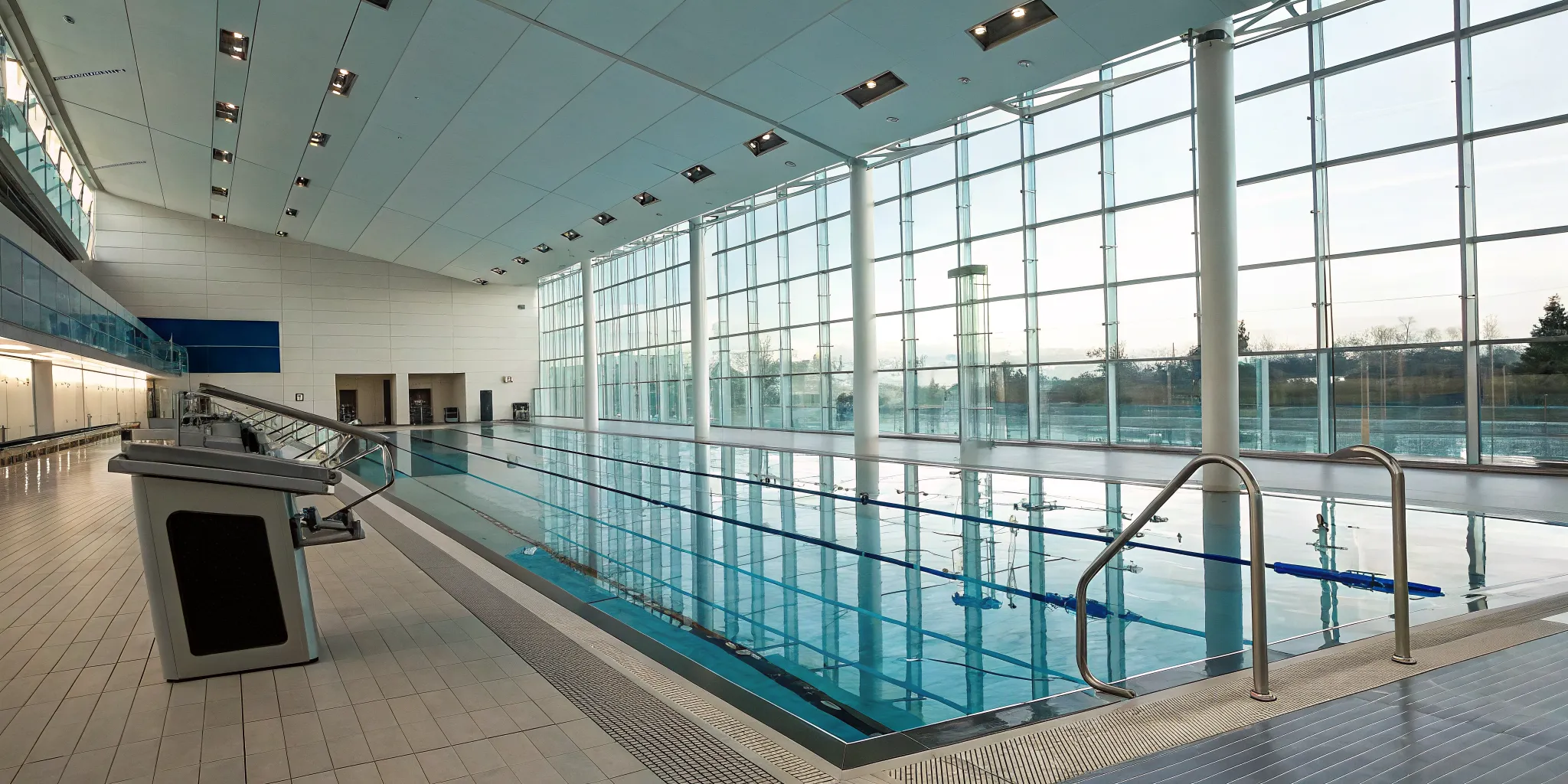
Even with the best lifeguards on duty, every aquatic facility has blind spots. It's an unavoidable reality when you're managing water, sun glare, and constant motion. A swimmer in distress can slip under the surface in seconds, often without a sound. This is the exact challenge a swimmer alert system is built to solve. It acts as a technological safety net, monitoring activity below the surface where human eyes can struggle. So, how do these systems work? They use a network of sensors and smart software to send immediate alerts to your staff, pointing them to the precise location of a potential incident.
Key Takeaways
- Support Your Lifeguards, Don't Replace Them: Think of a swimmer alert system as a vital piece of equipment for your team. It handles the difficult job of monitoring swimmers underwater, which frees up your guards to focus on surface scanning and preventing incidents before they start.
- Prioritize Accuracy to Prevent Alarm Fatigue: A system is only effective if your team trusts it. Choose technology that uses AI and multiple sensors to accurately distinguish between play and real distress, ensuring that when an alert sounds, your staff responds with urgency every time.
- Create a Complete Safety Net: Technology is just one piece of the puzzle. The safest aquatic facilities combine advanced drowning detection with foundational layers of safety, including physical barriers, clear rules, and consistent lifeguard training and drills.
The Unseen Risks in Every Body of Water
It’s a common misconception that a swimmer in trouble will be easy to spot—thrashing, yelling, and making a scene. The reality is often the opposite. Drowning is deceptively quiet and can happen in seconds. For lifeguards, the challenge is immense. They are tasked with watching over dozens, sometimes hundreds, of people at once, all while contending with sun glare, water ripples, and the general commotion of a busy aquatic facility. Even the most dedicated guard has blind spots and moments of distraction. These hidden dangers lie in the brief moments when a swimmer slips under the surface unnoticed. Recognizing these inherent limitations isn't about questioning the skill of your staff; it's about acknowledging the physical and environmental challenges they face every single shift.
Providing your team with the right tools is crucial for creating a comprehensive safety strategy that covers every angle. Think of it as giving your guards a set of bionic eyes that can see clearly underwater, 24/7. Advanced drowning detection systems act as this essential layer of support, constantly scanning beneath the surface where human vision is limited. This technology doesn't get tired or distracted. It’s designed to identify the subtle signs of a swimmer in distress and immediately alert your staff. By adding this capability, you empower your lifeguards to focus more effectively on proactive surface scanning and guest interaction, confident that they have a reliable backup monitoring the unseen depths of your facility.
Understanding the Drowning Statistics
The numbers surrounding drowning are sobering and underscore the need for vigilant safety measures. Globally, drowning claims an estimated 372,000 lives each year. In the United States, it's the leading cause of accidental death for children between the ages of one and four. What makes these statistics particularly tragic is how quickly and silently these events can unfold. Contrary to what many believe, a person who is drowning is often physically unable to call for help or wave their arms. Their struggle is internal as they fight for air just beneath the surface. This is why technology that can detect underwater distress is so critical. It serves as an essential backup, helping your lifeguards respond faster to the incidents that are nearly impossible to see with the naked eye.
What Is a Swimmer Alert System?
Think of a swimmer alert system as a smart assistant for your lifeguards. Its primary job is to identify swimmers who go underwater and stay submerged for too long, which can signal a potential drowning event. While lifeguards are expertly trained to scan the surface, even the most vigilant person can face challenges like sun glare, splashing water, or large crowds that create blind spots. Drowning is often silent and happens in seconds, making it incredibly difficult to spot in a busy aquatic environment. This is where technology steps in to provide an extra layer of protection.
A swimmer alert system uses advanced technology, like sonar and individual wearables, to monitor activity beneath the surface. By tracking each person in the water, it can automatically detect when a swimmer’s movement patterns or submersion time indicate distress. The system then sends an immediate notification to your staff, pointing them to the exact location of the incident. This allows your team to respond faster and more effectively, turning a potential tragedy into a successful rescue. It’s not about replacing your guards; it’s about giving them a powerful tool to help them perform their critical duties. Understanding how it works is the first step toward creating a safer environment for everyone at your facility.
How These Systems Make Your Facility Safer
A swimmer alert system provides an essential set of "extra eyes" that see what human eyes can't. Even on a calm day, the water’s surface can be difficult to monitor completely. These systems work below the surface, providing constant surveillance without being affected by glare or obstructed views. This continuous monitoring helps your lifeguard team do their job with greater confidence and precision.
The most effective safety plans are built in layers, and technology is a crucial one. Just as you have physical barriers and clear facility rules, a drowning detection system adds a technological safeguard. It integrates with your existing safety protocols and trained staff to create a more comprehensive safety net. By using specialized swimmer alert wearables, you can ensure every person is accounted for, turning a reactive environment into a proactive one.
What People Get Wrong About Swimmer Alerts
One common myth is that an alarm alone prevents drowning. The truth is that an alert system notifies you after a problem has already begun. It’s a critical response tool, not a preventative measure. Drowning is silent and fast, so while an alert is vital for a quick response, it must be part of a larger safety strategy that includes vigilant lifeguards and clear rules.
Another misconception is that a single device can cover all your safety needs. The reality is that comprehensive water safety requires different tools working together. A complete system includes swimmer trackers, lifeguard locators, and a central hub that coordinates everything. Relying on just one piece of technology can leave dangerous gaps in your coverage. The best approach is to get started with a multi-faceted system that protects your entire facility.
Myth: Strong Swimmers Don't Need Protection
It’s easy to assume that the experienced swimmers at your facility are the least of your worries, but this is a dangerous oversight. Skill in the water doesn't make someone immune to sudden health problems. Anyone, no matter how strong a swimmer, can experience an unexpected medical issue like a seizure, a heart condition, or even a severe muscle cramp that can lead to incapacitation. These events are silent and can happen without any warning. A swimmer who is suddenly in distress may not be able to signal for help, slipping underwater quietly. This is why a safety system that monitors every individual is so important. It provides a safety net for all swimmers, ensuring that if an emergency occurs, your team is alerted immediately, regardless of the person's swimming prowess.
Myth: Flotation Devices Are a Complete Solution
Personal flotation devices (PFDs) are an excellent tool for water safety, but they shouldn't be mistaken for a complete solution. A PFD is a passive safety measure; it helps a person float but does nothing to alert your staff if that person is in trouble. For instance, if a swimmer has a medical emergency and loses consciousness, a PFD won't prevent them from being face-down in the water, nor will it signal for help. True aquatic safety is built in layers. PFDs are one important layer, but they must be combined with active supervision and technology. A swimmer alert system complements PFDs by actively monitoring for signs of distress and sending an immediate alert, ensuring that even when a passive device is in use, there's an active system ready to call for a response.
What Are the Main Types of Swimmer Alert Systems?
Choosing a swimmer alert system can feel overwhelming with all the different technologies out there. Each type works differently, offering various levels of protection and reliability. Understanding the core function of each system is the first step to finding the right fit for your facility’s safety plan. From simple motion detectors to sophisticated AI, let's break down the main categories so you can make an informed decision.
Wearable Devices: Tracking Individual Swimmers
These systems use a small, lightweight wearable device that each person wears, often as a headband or a clip attached to their goggles. The device tracks how long a swimmer is submerged. If it detects that someone has been underwater beyond a preset, safe time limit, it sends an immediate alert. The biggest advantage here is precision. Because the alarm is tied to a specific individual, lifeguards know exactly who is in distress and can respond instantly, saving critical seconds. This targeted approach helps eliminate guesswork during a potential emergency.
Surface Wave Alarms: Monitoring the Water's Surface
Surface wave alarms are among the simpler options available. These devices typically float on the water's surface and are designed to detect disturbances like splashes or waves. While they can be effective at sensing when someone unexpectedly falls into the water, they have significant limitations. These alarms can easily miss a person who slips quietly under the surface. They are also known for a high rate of false alarms, as they can be triggered by wind, heavy rain, or even routine pool play, which can lead to alarm fatigue for your staff.
Subsurface Alarms: Detecting Underwater Movement
A step up from surface alarms, subsurface pressure systems are installed below the waterline. They work by sensing changes in water pressure, such as the displacement caused when a person enters the pool. This method reduces the number of false alarms from surface activities like wind. However, they share a key weakness with surface alarms: they may fail to detect a very slow or quiet entry. For a busy aquatic facility where swimmers are constantly in and out of the water, these systems may not provide the comprehensive coverage needed to ensure everyone’s safety.
AI Cameras: A Digital Eye on the Water
The most advanced option, AI-powered drowning detection, combines multiple technologies for the highest level of safety. These systems use wearables, underwater sonar, and artificial intelligence to monitor every swimmer in real time. By tracking each person's depth and time underwater simultaneously, the system can identify the subtle signs of drowning as they happen. When a swimmer is in danger, it sends an immediate, specific alert to lifeguards, pointing them to the exact location. This provides a crucial layer of protection that watches over the entire swimming area without fail.
Limitations of AI Camera Systems
While AI cameras sound like a cutting-edge solution, their effectiveness is entirely dependent on one thing: a clear line of sight. These systems need perfect visual conditions to work properly, but aquatic environments are rarely perfect. As we've discussed in our breakdown of digital lifeguard equipment, AI-powered systems can be fooled by common issues like sun glare, murky water, or even a large crowd blocking the camera's view. If the system can't see a swimmer, it can't protect them. This is a significant limitation, especially in busy or outdoor facilities where environmental factors are constantly changing. True comprehensive safety requires a system that can see beyond the surface, which is why the most reliable solutions incorporate multiple technologies to overcome these visual challenges.
How Do These Systems Detect Drowning?
Drowning detection systems are not just simple alarms; they are sophisticated networks of sensors and software working in harmony. They act as a constant, vigilant observer, monitoring every swimmer to spot the subtle signs of distress that can be easily missed in a busy aquatic environment. By combining different technologies, these systems create a comprehensive safety net that covers the entire facility, from the surface to the pool floor. This is far more than a single piece of equipment; it's an integrated solution designed to provide another critical layer of protection.
The real strength of these systems lies in their ability to process vast amounts of information simultaneously. While a lifeguard's attention might be split across dozens of swimmers, a detection system tracks key metrics for each individual in real time. This continuous monitoring allows it to identify dangerous situations as they unfold, providing critical data that helps staff respond faster and more effectively. It’s this blend of advanced hardware and intelligent software that makes modern drowning detection a vital component of any facility's safety plan. The system works to support your team by providing information they can't get on their own.
Using Depth and Time to Identify Risk
These systems often use lightweight, comfortable wearables that swimmers might not even notice they have on. These devices are the first point of data collection, continuously monitoring a swimmer's depth and how long they have been underwater. These two pieces of information are crucial because a non-moving swimmer submerged for a specific length of time is a primary indicator of a potential drowning event. The system is programmed with safety thresholds, and when a swimmer’s activity crosses one of those lines, it triggers the next step in the alert process. This constant tracking provides precise, individual data from Swimmer Alert wearables that is impossible to gather with human eyes alone.
How AI Analyzes Swimmer Behavior in Real Time
All the data gathered from wearables and sensors flows into a central hub where artificial intelligence gets to work. The AI is the brain of the operation, analyzing streams of information in real time to distinguish between normal swimming and signs of distress. It learns the patterns of safe aquatic activity and instantly flags anomalies, like a swimmer who has stopped moving at the bottom of the pool. This is how the system provides those essential "extra eyes" underwater. The GUARDian System uses this intelligent analysis to give lifeguards a clear, immediate signal when a specific swimmer needs help, cutting through the noise of a busy facility and pointing directly to the person in need.
Using Sonar to See What's Happening Below
What happens when the water is murky or crowded? This is where underwater sonar technology becomes a game-changer. Unlike cameras, which rely on clear water and good lighting, sonar can "see" through cloudy conditions, glare, and even in dark water environments. It works by sending out sound waves that bounce off objects, creating a detailed map of everything happening beneath the surface. This capability allows the system to accurately track swimmers and detect a submerged person regardless of visibility. By using advanced sonar, the system significantly reduces false alarms that might be triggered by shadows or reflections, ensuring that when an alert is sent, it’s for a genuine concern.
What Happens When a System Detects a Problem?
Once a system identifies a swimmer in potential distress, its job is only half done. The critical next step is communicating that information clearly and instantly to the people who can take action. This is where a well-designed system truly shines, bridging the gap between data and rescue. It’s not just about spotting a problem; it’s about delivering a precise, actionable alert to your team without a moment's delay. The entire process, from detection to notification, is designed to be nearly instantaneous, because in the water, every second is crucial.
Instantly Notifying Your Safety Team
Once the system detects a swimmer who has been submerged for too long, it acts like a smart assistant for your team. It doesn't just sound a general alarm; it sends an immediate, specific alert directly to your lifeguards. This technology pinpoints the exact location of the swimmer in distress, removing any guesswork. The Lifeguard Alert equipment, often a wearable device, vibrates and visually signals that a swimmer needs help. This allows your staff to respond with speed and precision, going straight to the source of the incident instead of scanning a crowded pool to find the person in trouble. It gives your team the exact information they need, right when they need it most.
Why Every Second Counts in a Water Emergency
In any water-related incident, every second counts. Drowning can happen quickly and silently, and even the most experienced lifeguards face challenges like sun glare, splashing, and large crowds that can obscure their view. A drowning detection system provides constant, vigilant "extra eyes" underwater, monitoring every swimmer simultaneously. This technology is a critical part of a layered safety plan, working alongside your trained staff to cover blind spots. The GUARDian System helps ensure that no event goes unnoticed, closing the gap between when an incident begins and when your team can intervene. This rapid alert capability can make all the difference in an emergency.
Do Swimmer Alert Systems Replace Lifeguards?
This is one of the most important questions we hear, and the answer is a clear and simple no. Drowning detection systems are powerful tools designed to support lifeguards, not replace them. Think of a swimmer alert system as a crucial piece of lifeguard equipment, providing an extra set of eyes that can see what the human eye can’t, especially below the surface or in crowded conditions. While lifeguards are trained to scan the pool and identify swimmers in distress, their view can be obstructed by glare, water turbidity, and the sheer number of people in the water.
A drowning detection system works tirelessly in the background, monitoring every swimmer equipped with a wearable and alerting staff the moment preset thresholds for depth and time are exceeded. This allows your lifeguard team to act with greater speed and certainty. The technology handles the constant underwater surveillance, freeing up your guards to focus on proactive surface scanning, enforcing rules, and engaging with patrons to prevent incidents before they happen. The goal is to create a partnership between human expertise and technological precision, building a stronger, more comprehensive safety net for everyone at your facility.
Why Tech Is a Partner, Not a Replacement, for Lifeguards
A swimmer alert system is an incredible asset, but it can’t perform a physical rescue, administer CPR, or clear a pool during an emergency. That’s where the irreplaceable skills of a trained lifeguard come in. A lifeguard’s value extends far beyond just watching the water; they are first responders, rule enforcers, and a reassuring presence for swimmers. Technology provides critical data, but a human provides judgment, physical intervention, and care.
The WAVE GUARDian System is designed to augment a lifeguard’s abilities by detecting submersion events that might otherwise go unnoticed. It closes the gap between when a swimmer goes under and when they are seen, giving your team the best possible chance to intervene successfully. It’s this combination of vigilant technology and skilled personnel that creates the safest possible environment.
How to Integrate Alerts into Your Lifeguard Training
A tool is only effective if you know how to use it. Integrating a swimmer alert system into your facility’s emergency action plan is a critical step. Your team needs to know exactly what to do when an alarm sounds, and the only way to ensure a swift and seamless response is through practice. Regular drills that simulate a real alert are essential for building muscle memory and coordinating your team’s efforts.
When you first get started with a system, work with your staff to define clear protocols for responding to an alert. Who confirms the emergency? Who initiates the rescue? Who manages the other swimmers? By running these drills frequently, your lifeguards will treat an alert from the system with the same urgency and efficiency as a visual confirmation of a swimmer in distress, ensuring technology becomes a seamless part of their life-saving workflow.
Creating Your Layered Water Safety Plan
A truly effective water safety strategy isn’t about finding one perfect solution. Instead, it’s about creating multiple layers of protection that work together. Think of it like a safety net, where each layer catches potential risks the others might miss. When you combine physical barriers, vigilant human supervision, and smart technology, you create a comprehensive system that makes your facility as safe as possible for every swimmer. No single device can prevent all accidents, so building a plan with many layers is the best approach.
The First Layer: Barriers, Fencing, and Rules
Your safety plan starts with the physical environment. This foundational layer includes barriers like fences and self-latching gates that control access to the water. It also involves posting clear, simple, and visible rules for swimmers to follow. These guidelines set expectations for safe behavior in and around the pool. This first layer is all about prevention and control. By establishing a secure perimeter and communicating clear rules, you create an environment where safety is the default, reducing the chances for accidents before anyone even touches the water.
Door, Gate, and Light Beam Alarms
Beyond physical fences, you can add another layer of security with alarms that monitor entry points. These systems are designed to stop accidents before they can happen by preventing unauthorized access to the water. Door and gate alarms are straightforward: they attach to any entry point leading to your aquatic area and sound an alert if someone opens it without permission. This simple but effective tool helps ensure no one wanders into a restricted area unnoticed, giving your team control over who enters the pool area.
Light beam alarms offer a more high-tech approach. They use infrared beams to create an invisible perimeter around the water. If anyone crosses this invisible line and breaks the beam, an alarm immediately sounds. This technology is especially useful for monitoring the pool deck after hours or during unstaffed periods. By incorporating these types of alarms, you strengthen your facility's first line of defense, making it much harder for anyone to enter the water without your team's knowledge and creating a more secure environment for everyone.
The Second Layer: Your Vigilant Lifeguard Team
Technology provides incredible support, but the human element of safety is irreplaceable. Your lifeguards are the active, thinking, and responsive core of your safety plan. These systems are designed to provide "extra eyes" underwater, helping your team perform their duties more effectively. However, they are a key part of a modern safety plan, not a replacement for properly trained staff. Consistent training, certification, and regular in-service drills ensure your lifeguards are prepared to spot trouble and respond immediately, making their vigilance a critical layer of protection.
The Third Layer: A Swimmer Alert System
The final layer integrates advanced technology to support your lifeguards. Think of a drowning detection system as a smart assistant for your team. Its primary job is to find swimmers who go underwater and stay there too long, which could signal a drowning event. AI-powered systems use wearable trackers and other tools to monitor every swimmer in real time, tracking their depth and time underwater. When the system detects signs of distress, it instantly sends an alert, allowing your staff to respond with life-saving speed and precision.
Considering Other Safety Equipment
Personal Flotation Devices (PFDs)
While barriers, lifeguards, and technology form the core of your safety plan, other equipment adds important reinforcement. Personal Flotation Devices (PFDs) are a great example. These essential tools are designed to keep individuals afloat, and they're not just for inexperienced swimmers. While some water activities legally require PFDs, offering them at your facility is a proactive safety measure for everyone. Beyond their primary safety function, PFDs can also help swimmers feel more secure. This added sense of security can encourage safer participation from patrons who might otherwise be hesitant, making your facility more inclusive and enjoyable for all.
Are Swimmer Alert Systems Worth It? The Pros and Cons
Deciding to add a swimmer alert system to your facility is a big step. Like any technology, these systems come with a set of powerful advantages and a few key limitations you need to understand. Thinking through both sides helps you see exactly how this technology fits into your overall safety plan and where it can make the biggest impact. It’s not about simply buying a product; it's about making a strategic investment in the safety and well-being of every person who enters your water. Let's look at the main pros and cons to give you a clear picture of what to expect when you integrate this kind of support for your team.
Benefit: Faster Emergency Response
When a swimmer is in distress, every single second matters. The biggest advantage of a swimmer alert system is its ability to trigger an immediate alert when it detects a potential drowning. Instead of relying solely on a lifeguard spotting the incident, the system automatically flags a swimmer who has been submerged for too long. This signal allows your team to respond with speed and precision, going directly to the person in need. This rapid notification is a critical factor in improving outcomes and is a core function of how a drowning detection system works. It cuts down the detection time so your trained staff can do what they do best: rescue and respond.
Benefit: Monitoring in Low-Visibility Water
Let's be honest, water isn't always crystal clear. Glare from the sun, surface ripples, and murky or dark water can create challenging visual conditions for even the most attentive lifeguards. This is where technology truly shines. AI-powered systems use a combination of wearables and underwater sonar to track each swimmer's depth and submersion time, regardless of water clarity. This provides a constant, reliable view beneath the surface that the human eye simply can't match. It ensures that every part of your pool is monitored, giving your team the confidence that no swimmer is out of sight, even when they are literally out of sight.
Benefit: Gaining Full Coverage of Your Water Area
Even with a full team of lifeguards, it's impossible to watch every swimmer every second. A crowded pool presents a complex environment with constant movement. A swimmer alert system acts as a dedicated set of eyes on every person using the system, providing an extra layer of protection. Think of it as a tireless partner for your lifeguard staff. While your guards scan the surface and manage the overall environment, the system focuses on what's happening underwater. This comprehensive coverage helps fill any potential gaps in supervision, ensuring that your facility's safety net is as strong and complete as possible. The system's Lifeguard Alert equipment ensures these underwater eyes can instantly communicate with your team.
Drawback: Understanding the System's Limitations
It's crucial to have realistic expectations. A common misconception is that an alert system can prevent a drowning from happening. The truth is, these systems are designed to alert you after a problem has already begun. They are a powerful reactive tool, not a preventative measure. An alarm signals that a swimmer has met the criteria for a potential drowning, such as being submerged for a dangerous length of time. It does not stop the initial incident. This is why technology should always be one part of a layered safety plan that includes physical barriers, clear rules, and vigilant, well-trained lifeguards. You can find more information on building a comprehensive safety strategy on our blog.
Potential for False Alarms and Maintenance Needs
No one wants a system that cries wolf. A major concern with any alarm is the potential for false alerts, which can lead to alarm fatigue among your staff. This is a common problem with simpler technologies, like surface wave alarms that can be triggered by wind, rain, or even energetic splashing. When your team is constantly responding to non-emergencies, there's a risk they might not react with the necessary urgency when a real incident occurs. This is why it's so important to choose a system that uses multiple data points to confirm a problem. Technology that tracks individual swimmers and analyzes their behavior is far more reliable, ensuring that when an alert sounds, it warrants immediate attention. You can learn more about the different types of swimmer alert systems and their reliability.
Just like any piece of critical safety equipment, a swimmer alert system requires regular maintenance to function reliably. It’s not a "set it and forget it" solution. To ensure your system is always ready, you'll need to perform routine checks, like verifying battery life on wearables and running system diagnostics. This isn't a chore; it's a fundamental part of maintaining your facility's safety net. Relying on a single piece of technology can leave dangerous gaps in your coverage, and relying on an unmaintained one is even riskier. A well-maintained system is a trustworthy partner for your lifeguards, providing the support they need to keep swimmers safe. Understanding how it works from top to bottom helps integrate these checks into your regular safety protocols.
What to Look For in a Swimmer Alert System
Choosing a swimmer alert system is a big decision, and it’s about more than just technology. It’s about finding a partner in safety that fits your facility’s unique needs. Not all systems are created equal, so it’s important to know what features truly make a difference. When you’re evaluating your options, think about how the system will perform in a real-world emergency and how it will integrate with your team and your existing safety protocols. A great system should feel like a natural extension of your lifeguard team, giving them the support they need to keep every swimmer safe.
Look for: Proven Reliability and Fast Alerts
When it comes to water safety, every single second matters. The most important feature of any alert system is its ability to reliably and quickly detect a problem. A system that is slow to respond or misses an event isn't providing the protection your swimmers deserve. You need technology that you can count on to send an immediate alert the moment a swimmer is in distress. The goal is to shorten the time between the start of an incident and the start of a rescue. A dependable system provides peace of mind, knowing that you have an extra set of eyes that never blinks and is always ready to detect a problem.
Look for: A Low Rate of False Alarms
Imagine a fire alarm that goes off every time someone makes toast. Eventually, you’d start to ignore it. The same is true for a swimmer alert system. If a system "cries wolf" too often with false alarms, it can lead to alarm fatigue, and your staff might become complacent. Look for a system with advanced tech, like artificial intelligence, that can tell the difference between normal horseplay and a genuine emergency. A smart system learns your facility's patterns, helping to ensure that when an alert does sound, your team knows to respond with urgency because the threat is real. This builds trust between your lifeguards and the technology they rely on.
Look for: A System That Scales to Your Facility
Your aquatic facility is unique, and your safety system should be able to adapt to it. Whether you manage a single community pool or a sprawling water park with multiple attractions, you need a system that can handle your pool's size and complexity. Consider whether the system can be expanded as your facility grows or changes. A scalable solution allows you to start with what you need now and add coverage later without having to replace the entire system. This ensures your investment in safety continues to pay off for years to come, protecting every corner of your aquatic environment.
Reviewing Technical Specifications and Operating Limits
Before you commit to a system, it's important to get into the details of its technical specs and operating limits. Ask questions like: What is the maximum number of swimmers it can track at once? Does it work effectively in both clear and murky water? Understanding exactly how the technology works—from the sensors in the wearables to the AI analyzing the data—helps you set realistic expectations for your team. Knowing a system's limitations, such as the fact that it alerts you after a problem has started, is just as important as knowing its strengths. This ensures you can integrate it properly into your safety plan and train your staff on what the system can and cannot do.
Look for: Durability and Simple Maintenance
Aquatic environments are tough on equipment. Between the constant exposure to water, chemicals, and sunlight, any technology you install needs to be incredibly durable. Look for systems with components that are waterproof, corrosion-resistant, and built to last. You should also consider the maintenance requirements. How long do the batteries last? Are they easy to charge or replace? Your team has enough to manage without adding complicated equipment upkeep to their list. A well-designed system features durable equipment that works reliably with minimal fuss, so you can focus on your swimmers, not on troubleshooting hardware.
Look for: Easy Integration with Your Current Setup
A swimmer alert system is not a standalone solution; it's one critical layer in your overall safety plan. The best technology supports your lifeguards, it doesn't replace them. Your chosen system should integrate seamlessly with your team’s existing emergency action plans. How are alerts delivered? The system should have clear and intuitive methods for alerting lifeguards and staff, whether it's through a central hub, personal pagers, or audible alarms. The technology should make your team faster and more effective, empowering them to act decisively when an emergency occurs. It should fit naturally into your drills and daily operations, strengthening your safety posture.
Look for: Options to Customize Alerts and Zones
No two days at the pool are exactly alike. You might host a high-energy swim meet in the morning and a calm, recreational swim in the afternoon. A truly effective alert system allows you to adjust its settings to match the activity in the water. The ability to change how sensitive it is or modify alert parameters for different situations is invaluable. This customization helps reduce false alarms during periods of high activity and ensures maximum protection during quieter times. A flexible system gives you the control to fine-tune your safety net, providing the right level of monitoring for any event on your schedule.
Meet the WAVE GUARDian System
When you're responsible for the safety of every swimmer, you want a system that acts as a second set of eyes. That's exactly what the WAVE GUARDian System is designed to do. It's an intelligent, AI-powered tool that enhances water safety by monitoring activity below the surface in real time. The system works by combining wearable technology for swimmers, underwater sonar, and sophisticated AI algorithms. This trio tracks each swimmer's movement, depth, and how long they've been underwater, creating a complete picture of what's happening in your facility.
One of the most powerful features is its ability to send immediate, specific alerts directly to your lifeguards. If the system detects a swimmer in potential distress, it doesn't just sound a general alarm. Instead, it pinpoints the exact location of the incident, allowing your team to respond with speed and precision. This capability is crucial for reducing response times, which we all know can make all the difference in an emergency.
We also understand that for a system to be effective, your team has to trust it. Constant false alarms can lead to alarm fatigue, where staff may become less responsive over time. The WAVE GUARDian System is built to address this head-on. By using advanced AI, it learns to differentiate between normal swimming, like practicing breath-holds, and signs of a genuine emergency. This intelligence significantly reduces false alarms, ensuring that when an alert does sound, your team knows to take it seriously.
It's important to remember that technology is one part of a comprehensive safety strategy. The WAVE GUARDian System is designed to be a powerful tool within a layered safety approach. It supports your highly trained lifeguards, providing them with critical information to help them do their jobs even more effectively. It doesn't replace them. By integrating this technology with physical barriers, clear rules, and skilled staff, you create a robust safety net that protects everyone in the water.
Related Articles
- Drowning Prevention Technology for Commercial Pools 101
- How Automated Drowning Detection Improves Safety
- Guide to Automated Drowning Detection & Pool Security
- Drowning Detection Systems: The Ultimate 2026 Guide
- Drowning Prevention Technology: A Facility Guide
Frequently Asked Questions
Will this system work in my facility's dark or murky water? Yes, absolutely. This is a common concern, especially for facilities with lakefronts or pools where visibility can be a challenge. Systems that rely only on cameras can struggle with glare, shadows, or cloudy water. An advanced system like the WAVE GUARDian uses underwater sonar technology, which works by sending out sound waves. This allows it to "see" and track swimmers accurately, regardless of water clarity, ensuring continuous monitoring even in conditions where human eyes can't see the bottom.
How do you prevent false alarms from swimmers who are just playing or practicing? This is a great question, as alarm fatigue is a real issue. The key is artificial intelligence. A smart system does not just react to a swimmer going underwater; it analyzes multiple data points in real time. It learns the difference between a swimmer practicing breath-holds (who will eventually move or surface) and a swimmer who is motionless at a dangerous depth for too long. By recognizing these patterns, the AI can filter out normal activity and significantly reduce false alarms, making sure your team responds with urgency only when there is a genuine concern.
Do all my swimmers need to wear a device for the system to work? For a system that provides individual monitoring, yes, each swimmer wears a small, lightweight tracker. While it might seem like an extra step, this is what makes the system so precise. The wearable device is what allows the system to track each person's specific depth and submersion time. This individual tracking is what enables the system to send an alert that points your lifeguards to the exact person in distress, saving critical seconds that would be lost trying to find someone in a crowded pool.
Is a swimmer alert system a replacement for my lifeguard staff? Not at all. This technology is designed to be a powerful tool for your lifeguards, not a substitute for them. Think of it as essential lifeguard equipment, similar to a rescue tube or a first aid kit. The system provides your team with "eyes" below the surface, alerting them to situations they might not be able to see. This allows your guards to focus on surface scanning, preventative actions, and providing the immediate, physical response that only a trained human can.
How complicated is it to get a system like this installed and running? The process is designed to be as straightforward as possible. A good provider will work with you to assess your facility's specific layout and needs to create a custom installation plan. The goal is to integrate the technology seamlessly into your existing operations. This includes installing the hardware and training your staff on how to use the system and incorporate it into their emergency action plans. The focus is on making the technology a natural and supportive part of your team's daily workflow.
Check for Official Safety Certifications
When you're investing in life-saving equipment, you need assurance that it performs as promised. That’s where official safety certifications come in. These aren't just fancy badges; they are proof that a system has undergone rigorous, independent testing to meet high standards for reliability and effectiveness. When you're evaluating your options, ask about certifications like ISO 20380, ASTM F2208, or UL 2017. These designations mean the system has been put through its paces to ensure it works correctly in real-world conditions. Choosing a certified product gives you confidence that you're adding a proven layer of protection to your facility, backed by more than just marketing claims. It's a critical step in verifying the quality of your investment in safety.
Consider the Costs and Your Budget
Let's talk about the budget. The cost of swimmer alert systems can vary significantly, and it's important to understand what drives those differences. As a general rule, prices vary a lot based on the technology. Simpler systems like surface alarms will be less expensive, but more advanced systems with AI and sonar technology cost more because they offer greater accuracy and reliability. When you're exploring options, think of this as an investment in safety and risk management, not just an operational expense. Ask potential providers about their pricing and what's included. A transparent company will be happy to walk you through the costs associated with hardware, software, and ongoing support, helping you find a solution that fits your budget without compromising on safety.
Evaluate Purchasing and Support Options
This isn't the kind of purchase you make from a general online retailer. For critical safety equipment, it's best to work with companies that specialize in aquatic safety. These experts understand the unique challenges of your environment and can offer tailored advice that a big-box store simply can't provide. Beyond the initial purchase, consider the long-term support. Will the company help train your staff? Is there a dedicated team you can call for troubleshooting? You're not just buying a product; you're choosing a safety partner. Look for a company that is committed to your success long after the installation is complete. The best way to start is to book a meeting with a specialist to discuss your facility's specific needs.
