
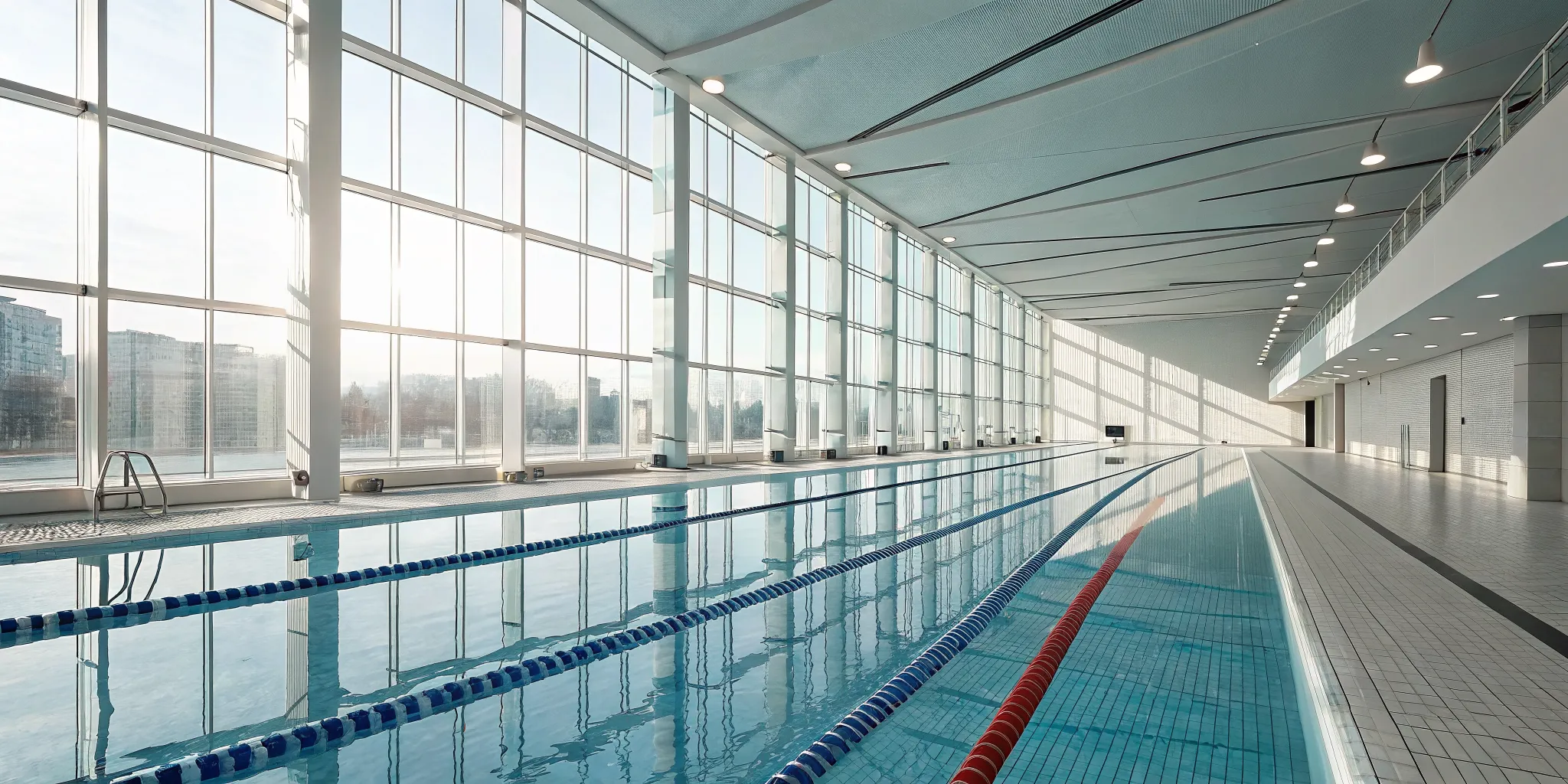
A perfect day at the public pool is a summer staple. It’s a place for low-impact workouts, connecting with neighbors, and teaching kids vital water safety skills. But this shared space relies on a simple agreement to keep everyone safe and happy. That’s where community pool rules come in. These guidelines are more than just suggestions posted on a sign; they are the backbone of a well-run facility. They ensure the energetic splash pads and serene lap lanes can be enjoyed by all, creating a secure environment for fitness, fun, and friendship.
Key Takeaways
- Public pools operate under strict safety rules: To keep everyone safe, these facilities must follow legal standards for water quality, lifeguard staffing, and pool design, which are confirmed by regular health inspections.
- Swimmers play a key role in pool safety: You can help create a healthier environment for everyone by following posted rules, showering before you swim, and staying out of the water when you're sick.
- Pools are more than just water: They serve as vital community hubs that support physical fitness, improve mental well-being, and provide essential water safety education for all ages.
What Does 'Public Pool' Actually Mean?
When you think of a public pool, you might picture a big, bustling swimming spot full of families and friends on a hot day. And you’re right, but there’s a bit more to it than that. A public pool isn’t just any pool you can access; it’s a facility specifically designed and maintained for community use. This means it operates under a different set of rules and serves a much broader purpose than the pool in your neighbor’s backyard.
From city-run aquatic centers to the pool at your local gym, these spaces are defined by three key things: who owns and runs them, the role they play in the community, and the strict standards they have to meet. Unlike a private pool, a public one is legally defined as an artificial basin built for swimming, diving, and other water activities, intended for use by many people. This shared nature is what makes them so special, and also what makes safety and regulation so incredibly important. Understanding these distinctions helps you appreciate the work that goes into keeping these community gems safe and fun for everyone. It's the reason you see lifeguards on duty, specific rules posted on the walls, and regular maintenance schedules in place.
Who's in Charge of the Pool?
So, who’s in charge of the local public pool? Most of the time, these facilities are owned and operated by a government body, like your city’s parks and recreation department. You’ll also find public pools at schools, community centers, hotels, and fitness clubs. The key factor is that they are intended for broad use, not just for a single family. Because they serve so many people from different households, these pools are subject to specific health and safety regulations that don't apply to private residential pools. This oversight ensures that the facility is managed responsibly, from the water chemistry to the staff on duty, providing a safe environment for everyone who comes to swim.
More Than Just a Pool: A Community Space
Public pools are so much more than just a place to cool off. They are vibrant community hubs that bring people together. Think about it: they’re the backdrop for summer camps, swim lessons, birthday parties, and even neighborhood block parties. These shared spaces encourage socialization and create lasting memories for kids, teens, and adults alike. Beyond the fun, public pools play a crucial role in providing access to water for recreation and exercise. They are also instrumental in promoting vital water safety education, especially in communities where access to safe swimming areas might be limited. They offer a place where everyone can learn to swim confidently and safely.
How Big Are Public Pools?
One of the most obvious differences between a public and private pool is scale. Public pools are built to accommodate large groups of people, so they are typically much bigger and often feature multiple sections, like lap lanes, diving boards, and shallow areas for kids. With that larger size and capacity comes a greater responsibility. To protect public health, these facilities must follow strict health and safety codes. These regulations cover everything from water quality and chemical balance to the presence of safety equipment and the structural integrity of the pool itself. Regular inspections ensure these standards are met, so you can feel confident that the water is clean and the environment is safe for your family.
Why Pool Safety Rules Are Non-Negotiable
When you’re excited for a day of fun in the sun, the long list of pool rules posted on the fence can feel like a bit of a drag. “No running,” “no diving,” “shower before entering”—we’ve all seen them. But these guidelines aren’t there to spoil the fun; they’re the foundation of a safe and healthy swimming environment for everyone. At a public facility, safety is a shared responsibility between the staff who manage the pool and the swimmers who enjoy it. Every rule is a piece of a larger safety puzzle, designed to prevent accidents and ensure the water stays clean and inviting. Understanding the “why” behind these rules can transform them from a list of restrictions into a collective agreement to look out for one another.
These regulations are carefully crafted based on decades of experience and data about what keeps swimmers safe. For example, rules about water quality, like maintaining at least 1 part per million (ppm) of chlorine, are in place to prevent the spread of waterborne illnesses that can affect hundreds of people. Similarly, requirements for lifeguard certification and specific staff-to-swimmer ratios ensure that trained eyes are always watching the water, ready to respond in an emergency. Following these pool rules helps the entire system work effectively. When swimmers shower before entering, they help maintain the chemical balance of the water. When they walk instead of run, they prevent dangerous slips and falls. It’s a team effort that makes every visit to the pool a positive and secure experience for the whole community.
Understanding the Risks with Sobering Statistics
It’s easy to get lost in the fun of splashing and swimming, but the statistics surrounding water safety are a sobering reminder of why rules are so important. Each year, around 358 people die from drowning in pools, and a staggering 77% of pool-related injuries treated in emergency rooms involve children under five. These aren't just numbers; they represent preventable tragedies. This is why rules like requiring adult supervision for young children and prohibiting running on slippery decks are strictly enforced. They are direct responses to the most common causes of accidents. By creating a predictable and controlled environment, these rules, alongside vigilant lifeguards and modern drowning detection systems, form essential layers of protection that allow everyone to enjoy the water with peace of mind.
Which Public Pool Is Right for You?
Public pools come in all shapes and sizes, each offering a unique experience. Whether you're looking for a place to do some serious laps, a fun spot for the kids to splash around, or a social hub to meet up with friends, there's a pool out there for you. Understanding the different types can help you choose the right one for your next sunny day adventure.
Your Neighborhood Rec Center Pool
Think of your local community or recreation center pool as the neighborhood’s backyard. These pools are fantastic for fostering community engagement and bringing people together. They are often the go-to spot for swim lessons, family swim nights, and casual get-togethers. Because they serve a wide range of ages and swimming abilities, they are typically well-supervised and offer a relaxed, friendly atmosphere. It’s the perfect place to cool off on a hot day, let the kids burn off some energy, and catch up with neighbors.
Go Big at Aquatic Centers and Water Parks
If you're looking for a full day of excitement, an aquatic center or water park is your best bet. These larger facilities often feature multiple pools, water slides, lazy rivers, and wave machines. They are designed for entertainment and can be a huge draw for families and thrill-seekers. With so much activity, safety is a top priority. Many modern facilities use advanced technology, like the WAVE drowning detection system, which uses wearables to monitor swimmers and provides an extra layer of protection for everyone in the water.
Fun for Little Ones: Wading Pools and Splash Pads
For the littlest swimmers, wading pools and splash pads are the perfect introduction to water play. These areas feature very shallow water or no standing water at all, with fun fountains and sprinklers for kids to enjoy. This design minimizes risk and allows toddlers and young children to cool off and have fun in a safer environment. Even with shallow water, hygiene is key. Public facilities follow specific guidelines for splash pad operation to keep the water clean and prevent the spread of germs, so you can feel confident letting your little ones play.
For the Serious Swimmer: Lap and Competition Pools
If your goal is fitness, a lap or competition pool is where you want to be. These pools are specifically designed for swimming workouts, with clear lane lines and a standard length, usually 25 or 50 meters. You’ll find a more focused environment here, ideal for training, improving your technique, or just getting in a great low-impact workout. These facilities are regulated by strict swimming pool codes that govern everything from water quality to safety equipment, ensuring a clean and secure setting for every swimmer to focus on their goals.
Community Pool Rules: Your Guide to Health and Safety
Ever wonder what goes on behind the scenes to keep a public pool safe and sparkling? It’s not magic, but a strict set of health and safety standards that every facility must follow. These rules are designed to protect swimmers from everything from waterborne illnesses to accidents. Think of them as the foundation for a fun and worry-free day at the pool.
Understanding these standards helps you know what to look for in a well-managed facility. A truly safe pool environment is a combination of crystal-clear water, attentive staff, proper equipment, and smart design. When a pool operator takes these regulations seriously, it shows a deep commitment to the well-being of their community. From regular water testing to mandatory safety gear, these requirements ensure that the only thing you need to focus on is perfecting your cannonball. Let’s look at the key areas that are covered by these essential pool rules.
General Conduct and Pool Etiquette
Beyond the official regulations, a great pool experience depends on everyone following some basic etiquette. These guidelines aren’t just about following rules; they’re about creating a shared space that is safe, respectful, and enjoyable for every person who wants to take a dip. When swimmers are mindful of their actions and how they affect others, it helps lifeguards and facility staff focus on maintaining a secure environment. Simple courtesies, like being aware of your surroundings and sharing lane space, contribute to a positive atmosphere where everyone, from serious lap swimmers to families splashing around, can have a great time.
Behavior and Activities
To prevent accidents, most public pools enforce a few key rules for behavior. Running on the pool deck is a major one, as wet surfaces can be extremely slippery and lead to falls. You’ll also see rules against diving in areas that aren’t designated for it, which is critical for preventing head and neck injuries in shallow water. Rough play like pushing, dunking, or excessive splashing is also typically off-limits because it can be dangerous and disruptive to others. Most importantly, adults must always provide close and constant supervision for young children. These rules are simple, effective, and essential for keeping the pool area safe for all visitors.
Guest Policies and Access Control
Managing who comes and goes is another important part of pool safety. To prevent overcrowding, many facilities limit the number of guests a member can bring at one time. This ensures there’s enough space for everyone to swim comfortably and that lifeguards aren’t overwhelmed. As a rule, guests should always be accompanied by their host, and you should never share your pool key or access code. These policies help maintain a secure environment by ensuring that only authorized individuals are using the facility, which protects the community and keeps the pool from becoming unmanageably crowded, especially on busy days.
Health, Hygiene, and Proper Attire
Keeping the pool water clean and healthy is a team effort that starts before you even get in. The things we wear and bring into the water on our bodies can have a big impact on water quality and chemistry. Chlorine is great at killing germs, but it works best when it’s not fighting to break down things like dirt, lotion, and sweat. Following basic hygiene practices and wearing appropriate swimwear helps keep the water clear and reduces the risk of waterborne illnesses. This ensures a healthier swimming environment for you and everyone else sharing the pool.
Swimwear and Diaper Policies
What you wear in the water matters. Proper swimsuits are made from synthetic materials like nylon or polyester that don’t break down and clog pool filters the way cotton and other fibers can. That’s why street clothes are generally not allowed in the water. For the little ones who aren't potty-trained, swim diapers are a must. Regular diapers are not effective in water and can fall apart, creating a mess and a health hazard. A well-fitting swim diaper helps contain any potential accidents, which is crucial for preventing the spread of bacteria and keeping the pool water sanitary for every swimmer.
Personal Hygiene Best Practices
A few simple hygiene habits can make a huge difference in water quality. Taking a quick rinse in the shower before you enter the pool is one of the most effective things you can do. This washes away sweat, oils, and personal care products from your skin, allowing the pool’s disinfectants to focus on killing germs instead of breaking down chemicals. It’s also vital to stay out of the water if you’re feeling sick, especially with diarrhea, or if you have any open cuts or wounds. This simple act of consideration helps prevent the spread of germs and protects the health of everyone at the pool.
What Keeps the Water Clean and Safe?
The first rule of a safe pool is clean water. Proper maintenance is the best defense against germs that can cause swimming-related illnesses. Pool operators are guided by resources like the CDC's Model Aquatic Health Code, which outlines best practices for water quality. This includes testing the free chlorine or bromine levels and the pH balance every few hours while the pool is open to the public. Maintaining the right chemical balance is a constant process that ensures disinfectants are working effectively to keep the water safe for everyone.
Water Quality and Chemical Standards
Crystal-clear water isn't just nice to look at; it's a sign of a healthy pool. To keep swimmers safe from germs that can cause recreational water illnesses, facility operators follow strict guidelines for water chemistry. This involves carefully managing disinfectant levels, like chlorine or bromine, and maintaining the right pH balance. These elements work together to neutralize harmful bacteria and viruses. According to resources like the CDC's Model Aquatic Health Code, staff should test the water multiple times a day. This constant monitoring ensures the water remains a safe and welcoming environment for everyone.
Comprehensive Maintenance Schedules
Beyond water chemistry, a comprehensive maintenance schedule is crucial for overall pool safety. This includes the daily tasks you might see, like skimming leaves from the surface and vacuuming the pool floor, as well as behind-the-scenes work like cleaning filters and checking pump systems. It also involves regularly inspecting all safety equipment to ensure it's in perfect working order, from rescue tubes and backboards to advanced drowning detection systems. A well-documented and consistently followed maintenance plan is a hallmark of a professionally managed facility. It demonstrates a deep commitment to providing a secure environment where swimmers can relax and have fun without worry.
The Role of Lifeguards and Safety Equipment
While clean water is vital, so is having the right people and equipment on hand for emergencies. Most public pools are required to have specific safety and first-aid equipment that is easy to see and access at all times. This includes essentials like life rings, reaching poles, and a fully stocked first-aid kit. In addition to these traditional tools, modern systems like WAVE's Lifeguard Alert equipment can provide an extra layer of protection, helping staff respond even faster when every second counts. An attentive lifeguard staff supported by the right gear is a critical part of a safe swimming environment.
Essential On-Site Safety Gear
Beyond the lifeguards themselves, every public pool is required to have a specific set of safety tools ready to go at a moment's notice. You’ll typically see this equipment in highly visible, easily accessible locations around the pool deck. This includes classic rescue devices like life rings and reaching poles, which allow staff to assist a struggling swimmer from a distance. A fully stocked first-aid kit is also mandatory for handling everything from small scrapes to more serious injuries. These traditional tools are the backbone of poolside safety, but modern facilities are increasingly adding advanced technology to their arsenal. Systems like WAVE's drowning detection products work alongside lifeguards, providing an extra layer of surveillance to help ensure that nothing gets missed in a busy aquatic environment.
The Importance of CPR and First-Aid Training
Having the right safety equipment is crucial, but it’s only effective in the hands of a well-trained team. Lifeguards are much more than just observers; they are certified first responders with extensive training in emergency care. Before they ever sit in the chair, lifeguards must earn certifications in CPR, First-Aid, and AED use from organizations like the American Red Cross. This rigorous training prepares them to respond calmly and effectively to any situation, from a minor cut to a life-threatening emergency. An attentive and highly skilled lifeguard staff is the most critical component of a safe swimming environment, ensuring that if an incident does occur, someone is ready to provide immediate and competent care.
How Pool Design Keeps You Safe
A pool’s layout and construction play a huge role in preventing accidents. Public swimming pools must follow specific design rules to ensure they are safe, hygienic, and accessible. This includes clear depth markings, non-slip surfaces on the pool deck and stairs, and proper fencing or barriers to control access. Good design also considers water circulation and filtration systems, which are essential for keeping the water clean. These features are not just for convenience; they are legal requirements that help protect public health and create a secure environment for swimmers of all ages and abilities.
What Happens During a Health Inspection?
To ensure pools are following all the rules, they undergo regular health inspections. A qualified inspector from a local health department will visit the facility to check for compliance with all health and safety standards. These inspections cover everything from water chemistry logs and safety equipment to the cleanliness of the locker rooms. This process holds pool operators accountable and provides peace of mind for the public. You can often find a pool’s latest inspection report online or by contacting your local health authority, giving you a clear picture of their commitment to safety.
Effective Pool Management and Communication
A well-run pool is about more than just clean water and safety equipment; it’s about creating a culture of safety through clear communication and consistent management. When everyone, from the staff to the swimmers, understands the rules and expectations, the entire environment becomes safer and more enjoyable. This involves not only posting signs but also enforcing rules fairly and keeping meticulous records behind the scenes. Effective management is the backbone of a successful community pool, ensuring that it remains a trusted and welcoming space for everyone. It’s this commitment to operational excellence that turns a good facility into a great one.
Communicating and Enforcing Rules Fairly
The foundation of a safe pool environment is making sure everyone knows the rules, which starts with clear, visible signage. To be effective, rules should be posted prominently at the pool entrance and in key areas around the deck. This sets clear expectations for behavior and empowers swimmers to take an active role in their own safety. Of course, having rules is only half the battle; enforcing them fairly and firmly is what truly makes a difference. When problems arise, addressing them quickly and consistently is crucial for maintaining order. This approach builds trust within the community, as swimmers see that safety is the top priority for everyone, creating a predictable and secure atmosphere for all.
Legal Considerations and Record Keeping
When creating pool rules, it’s important to consider the legal implications beyond just safety. Policies concerning age limits or guest numbers can sometimes conflict with fair housing or anti-discrimination laws, so consulting a lawyer is a smart, proactive step. Just as important is what happens behind the scenes. Meticulous record keeping—logging everything from chemical treatments to incident reports—is non-negotiable. This detailed documentation serves as a crucial defense in case of a liability claim and makes it easier to work with insurance providers and regulators. It’s a testament to a facility's commitment to professionalism and due diligence.
Staying Safe: Common Pool Risks and How to Avoid Them
A day at the pool should be all about fun and relaxation, not worrying about potential hazards. The good news is that most common pool risks are easy to manage with a little knowledge and preparation. Keeping a public pool safe is a partnership between the facility operators, who are responsible for maintenance and supervision, and the swimmers, who play a big role in maintaining a clean and safe environment for everyone.
Understanding the main types of risks can help you and your family stay safe. These generally fall into a few categories: waterborne illnesses from germs in the water, issues from improperly balanced chemicals, and physical injuries like slips, falls, or drowning. By being aware of these potential problems, you can take simple steps to avoid them. A well-managed pool will have clear rules and visible safety measures in place, but your personal habits make a huge difference, too. Let’s look at the most common risks and the practical ways you can help ensure every pool day is a safe one.
How to Avoid Getting Sick from Pool Water
No one wants their fun swim to result in getting sick. Waterborne illnesses are caused by germs that can spread through contaminated water. Preventing these swimming-related illnesses is a team effort. Pool operators are the first line of defense, using proper disinfection and maintaining water quality to kill germs. But swimmers have a part to play, too. You can protect yourself and others by not swallowing pool water and staying out of the pool if you’re feeling sick, especially with diarrhea. These simple actions help keep the water cleaner and safer for every person who takes a dip.
Why Balanced Pool Chemicals Matter
You’ve probably noticed that distinct "pool smell," which comes from the chemicals used to keep the water clean. Proper chemical balance is essential for a healthy swimming environment. The main players are a disinfectant, like chlorine or bromine, and the pH level, which affects how well the disinfectant works. According to the CDC, well-managed pools test these levels every few hours to ensure they remain in the safe zone. If the chemical levels are too low, germs can thrive. If they’re too high, it can lead to skin and eye irritation. A properly maintained pool finds that perfect balance, creating water that is both clean and comfortable for swimmers.
Easy Ways to Prevent Slips and Falls
Beyond the water itself, it’s important to be aware of your physical surroundings at a pool. Wet surfaces can be slippery, so always walk, don’t run, on the pool deck. Pay attention to posted signs indicating water depth, and never dive into shallow water. The most serious risk at any pool is drowning, which can happen quickly and quietly. That’s why public pools are required to have safety equipment and follow strict operational rules. While lifeguards are a critical safety layer, many facilities now supplement human supervision with advanced drowning detection technology that can monitor every swimmer and provide instant alerts, adding another powerful layer of protection.
Pool Hygiene 101: Simple Habits for a Clean Swim
Good personal hygiene is one of the most effective ways swimmers can contribute to a clean pool. Before you even get in the water, take a quick rinse in the shower. This washes off sweat, lotion, and other things on your body that can mix with pool chemicals and reduce their effectiveness. It’s also crucial to take young children on frequent bathroom breaks to prevent accidents in the water. As public health investigations have shown, poor hygiene can contribute to outbreaks of illness. By following these simple hygiene practices, you’re not just protecting yourself; you’re helping to create a healthier swimming experience for the entire community.
The Surprising Benefits of Your Local Public Pool
Public pools are so much more than just a place to cool off on a hot day. They are vibrant community hubs that offer a surprising number of benefits for your physical and mental health. Think of your local pool as a wellness center, a social club, and a classroom all rolled into one. It’s a place where you can get a fantastic workout without putting stress on your joints, meet your neighbors, and give your mind a much-needed break from the daily grind.
From toddlers splashing in the shallow end to seniors enjoying a water aerobics class, pools bring people of all ages and backgrounds together. They host community events, provide a safe space for kids to play, and offer a quiet escape for adults. More importantly, they are often the first place where people learn the essential life skill of swimming. By supporting your local pool, you’re not just investing in a fun summer activity; you’re investing in the health, safety, and connection of your entire community. It’s a resource that strengthens social bonds and promotes a healthier, more active lifestyle for everyone.
Get a Full-Body Workout in the Water
If you’re looking for a workout that’s both effective and easy on your body, look no further than the pool. Swimming is a fantastic full-body workout that engages all your major muscle groups as you move against the water's natural resistance. It’s a low-impact activity, which means it’s gentle on your joints, making it a great option for people of all fitness levels and ages. Public pools make it easy for families to stay active together, offering everything from lap lanes for serious swimmers to open areas for water games. It’s a fun and refreshing way to meet your fitness goals without feeling like you’re doing a chore.
Meet Your Neighbors and Make New Friends
Your local public pool is one of the best places to connect with your neighbors and build a stronger sense of community. It’s a natural gathering spot where people can relax and socialize in a casual setting. Many pools become the heart of the neighborhood, hosting community events like summer barbecues, movie nights, and holiday parties. For kids and teens, it’s a safe place to hang out with friends. For adults, it’s an opportunity to chat with other parents or simply enjoy a peaceful afternoon. In a world where we spend so much time online, the pool offers a refreshing, real-world space to build lasting connections.
How Swimming Improves Your Mental Well-Being
Taking a dip in the pool can do wonders for your mental well-being. The simple act of floating in the water can be incredibly calming, helping to wash away the stress of a long day. Beyond simple relaxation, pools provide a space for social interaction that can combat feelings of loneliness. One study found that people who visited pools for social contact reported less isolation and improved mental health. Whether you’re swimming laps to clear your head or laughing with friends by the water, the pool offers a valuable escape that can leave you feeling refreshed and more positive.
A Safe Place to Learn an Essential Life Skill
One of the most critical roles a public pool plays is in water safety education. For many people, the local pool is where they first learn how to swim. These facilities offer structured lessons for children and adults, teaching essential skills that can prevent drowning and make people safer in and around water. By providing affordable and accessible swim instruction, public pools ensure that everyone in the community has the opportunity to learn this life-saving skill. This is especially important in areas where access to natural bodies of water is limited, making the pool a vital resource for promoting safety.
How to Find a Public Pool Near You
Ready to dive in? Finding a great local pool is the first step to a summer of fun. But before you grab your towel, it helps to know where to look and what to check for. A little planning ensures your pool day is relaxing and safe from the moment you arrive. From locating the closest spot to understanding its rules and discovering fun events, here’s how you can find the perfect public pool for you and your family.
Simple Ways to Search for Pools Online
Your search for the perfect pool can start right from your couch. The easiest way to begin is with a simple search for “public pools near me.” Most cities and counties have a parks and recreation department with a website that lists all local aquatic facilities. These sites often provide details on locations, hours, and amenities. Many municipalities even offer helpful visuals; for example, some cities provide an interactive map that lets you see exactly where each pool is located. These resources save you time and help you compare different options to find one that fits your needs, whether you’re looking for a lap pool or a family-friendly splash pad.
Before You Go: Check Schedules, Fees, and Rules
Once you’ve picked a pool, the next step is to check the specifics before you go. Pool hours can change based on the season, weather, or special events, so it’s always a good idea to confirm the schedule. You’ll also want to look up the entry fees. Most importantly, take a moment to review the pool’s rules. These aren’t just suggestions; they are essential guidelines designed to protect public health and keep every swimmer safe. Look for rules about child supervision, appropriate swimwear, and what you can bring with you. A quick visit to the pool’s website or a phone call can clear up any questions and ensure a smooth visit.
Look for Swim Lessons, Classes, and Events
Public pools are often more than just a place to swim; they are vibrant community hubs. Many facilities offer a wide range of programs for all ages, including swim lessons, water aerobics, and dedicated lap swimming times. They can also be a great place to connect with your neighbors. Pools often host fun events like family swim nights, barbecues, or holiday celebrations that bring people together. To find out what’s happening, check the pool’s website for an event calendar or follow their social media pages. Participating in these activities is a fantastic way to get more out of your local pool and make great memories.
How to Have the Best Possible Pool Day
A little planning goes a long way in turning a good pool day into a great one. Once you’ve found the perfect spot, a few simple steps can help ensure your visit is safe, fun, and totally stress-free. From the moment you walk through the gate to the time you pack up, being prepared and aware of your surroundings is key. Here’s how to set yourself up for a successful swim, covering everything from check-in safety tips to the kind of modern technology that top-tier facilities use to protect swimmers.
Your Pool Day Checklist for Safety and Fun
Your safety routine should start the second you arrive. Before you even claim a lounge chair, take a moment to get your bearings. Locate the lifeguard stands, first-aid station, and any posted emergency equipment like ring buoys. It’s also a good idea to check the water itself. Is it clear enough to see the drain at the bottom of the deep end? Clear water is a sign of a well-maintained pool. Remember, preventing swimming-related illnesses and injuries is a team effort. Pool staff do their part, but swimmers play a huge role by being observant and following safety guidelines from the start.
A Quick Guide to Pool Etiquette
Those big signs full of rules aren’t just there for decoration. They are a critical part of the pool’s safety plan. Rules like "no running on the deck" or "shower before entering the water" are in place to prevent accidents and keep the water clean for everyone. Take a minute to read them over with your family. Many state regulations for water safety actually require pools to post these signs to inform swimmers of risks and restrictions. Following them shows respect for the staff and your fellow swimmers, creating a better experience for the whole community. Simple etiquette, like being mindful of splashing and sharing lane space, also contributes to a positive and safe environment.
What to Pack in Your Pool Bag
A well-packed bag is your best friend for a day at the pool. Of course, you’ll need your swimsuit, towel, and flip-flops, but a truly great pool bag has a few extra items for safety and comfort. Sunscreen is non-negotiable, and so is a reusable water bottle to stay hydrated. Goggles are great for protecting eyes from chlorine. For little ones or inexperienced swimmers, a U.S. Coast Guard-approved life jacket provides crucial support. It’s also smart to have a small first-aid kit with waterproof bandages and antiseptic wipes. Being prepared with these essentials means you can handle minor issues without cutting your fun short and focus on the benefits of water recreation.
What Modern Pool Safety Features Look Like
While lifeguards are the frontline of pool safety, many modern facilities add another layer of protection with advanced technology. Drowning detection systems are becoming a new standard for water safety, offering real-time monitoring that supports human supervision. These systems often use lightweight, wearable trackers for swimmers that can detect signs of distress beneath the surface. If a swimmer is in trouble, the system instantly sends an alert to lifeguards and staff. When you’re choosing a pool, ask if they use a system like the WAVE Drowning Detection System. It’s a sign that the facility is truly committed to providing the safest possible environment for you and your family.
Frequently Asked Questions
What really makes a pool "public" versus "private"? The main difference comes down to who it serves and the rules it must follow. A public pool is intended for community use, whether it's run by a city, a gym, or a hotel. Because it serves many different people, it has to meet strict government health and safety codes. A private, residential pool is used by a single family and their guests, so it doesn't fall under those same public health regulations.
How can I tell if a public pool is safe and well-maintained? You can learn a lot just by observing. Look for clear water where you can easily see the bottom of the deep end. Check for visible safety equipment, like life rings, and notice if the lifeguards are attentive and actively scanning the water. A well-managed facility will also have its rules clearly posted. For extra peace of mind, you can often look up a pool's latest health inspection report through your local health department.
Why do I have to shower before getting in the pool? It might seem like a small step, but it makes a big difference in water quality. A quick rinse washes off sweat, lotions, and natural body oils. When these substances mix with chlorine, they reduce the disinfectant's power and create chloramines, which are responsible for that strong "pool smell" and can irritate your eyes. Showering first helps the pool's chemicals work more effectively to kill germs.
What can my family and I do to help prevent accidents at the pool? Safety is a team effort. The most important things you can do are to walk, not run, on the pool deck and to always supervise children closely, even when a lifeguard is on duty. It's also helpful to read and follow all the posted rules, as they are designed to keep everyone safe. Simple habits like these contribute to a safer and more enjoyable environment for the entire community.
Are there new technologies that make pools safer than they used to be? Yes, many modern aquatic centers are adding advanced technology to support their lifeguards. Drowning detection systems are a great example. These systems often use special wearables to monitor every swimmer in the water. If a swimmer shows signs of distress, the system can instantly alert the lifeguard staff, helping them respond faster than human eyes alone might allow.
Related Articles
