
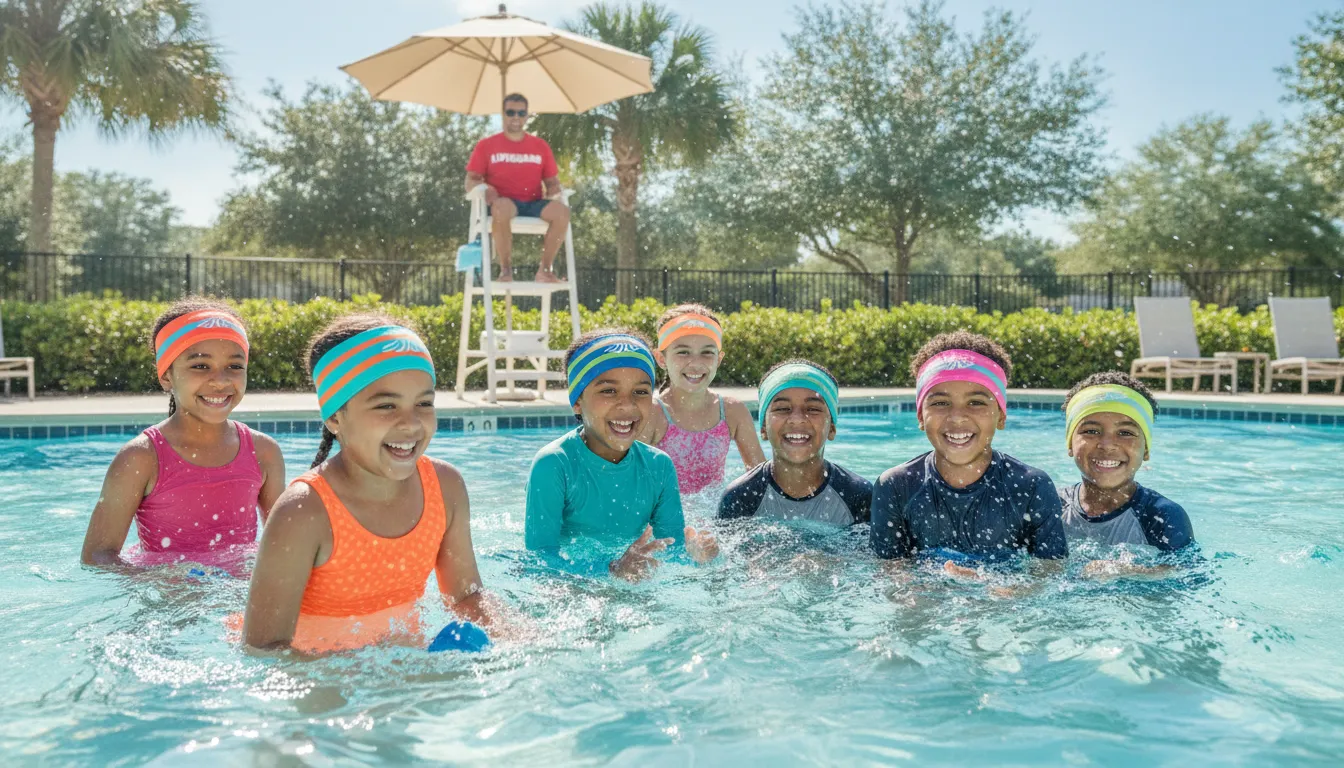
More than 50% of child drownings occur at guarded sites where staff are spread too thin to see everything. Lifeguard shortages and high staff turnover can create gaps in supervision that put campers at risk. Modernizing summer camp water safety policies with advanced safety technology can close these coverage gaps and support lifeguards in critical moments.
Ready to protect your campers? Call WAVE Drowning Detection Systems today at (888) 384-9283 ext. 502 or schedule a free consultation to modernize your summer camp water safety policies.
Strong summer camp water safety policies are the first line of defense against avoidable accidents in pools and lakes. These plans must go beyond basic swim tests and lifeguard ratios to meet the needs of modern aquatic settings. Since the majority of child drownings occur at guarded sites, human sight alone is not enough to ensure full safety (CDC). A modern policy should add layers of safety by using staff training, clear zone rules, and wearable tech that finds a child underwater. This smart approach gives lifeguards a boost and helps staff find swimmers who need help fast, even in dark or crowded water. These policies use wireless sensors and smart alerts to reduce risk and help directors keep campers safe all summer long.
Why Traditional Summer Camp Water Safety Policies Fall Short
Most camps rely on a set of rules to keep kids safe. These rules often focus on swim tests, colored bands, and the eyes of lifeguards. While these steps are key, data shows they may not be enough. For kids aged 5 to 14, drowning is the second leading cause of accidental death according to the CDC. Traditional summer camp water safety policies must change to face new risks.
Limits of sight
Even the best guards face limits. A pool full of kids creates glare, splashes, and noise that can hide a swimmer in need. Data demonstrates that more than half of child drownings in this age group happen at guarded sites. This shows why camps need to strengthen your water safety plan with more than just eyes. A momentary distraction of only a few seconds can lead to a fatal drowning incident.
Staff gaps and guard stress
Many swim sites now struggle with a lack of staff. Data shows that nearly half of these sites face guard shortages. At a busy camp, this often means guards work long hours with few breaks. Being tired makes it hard for a guard to spot the quiet signs of a swimmer in trouble. When you modernize your summer camp waterfront safety, you give your team the help they need.
Need for more safety layers
A strong plan should not stop at human sight. New tools can help by watching what a guard might miss. These tools find when a swimmer stays under water for too long and tell the staff right away. By adding these layers, camps can better protect kids and give parents peace of mind. Adding tools that work in pools and lake water is a big part of aquatic facility safety solutions.
What are the unique challenges of monitoring children in camp water?
The unique challenges of monitoring children in camp water include managing large, active groups that create splashes and glare. Silent drowning behaviors that human eyes can easily miss, and poor visibility in natural water bodies like lakes or ponds. Attentive lifeguards can also suffer from fatigue and distraction, which makes secondary drowning detection technology a critical safety layer for seasonal camps.
Summer camps let kids play and swim in many types of water. Watching these active groups is a big task for any camp staff. Camp swim times are often loud and full of movement. These things create hurdles for those in charge of safety. Staff must keep a close eye on many kids while managing the high energy of the day.
Managing large groups and active play
Camps often have dozens of kids in the water at once. This high count makes it hard for even the best guards to track every child. Kids play games, splash, and move fast. This motion can hide a swimmer who is in trouble. Based on data from the CDC, drowning is a top cause of death for children. This shows why steady watch is vital.
Active play also makes noise that can hide a struggle. Many think a child in trouble will yell, but drowning is often silent. Splashes and yells can drown out signs that a child needs help. Clear zones and set swim times help, but risks stay high when many kids are in the water. Camps should use every tool they have to stay alert during these times.
Sight issues in natural water
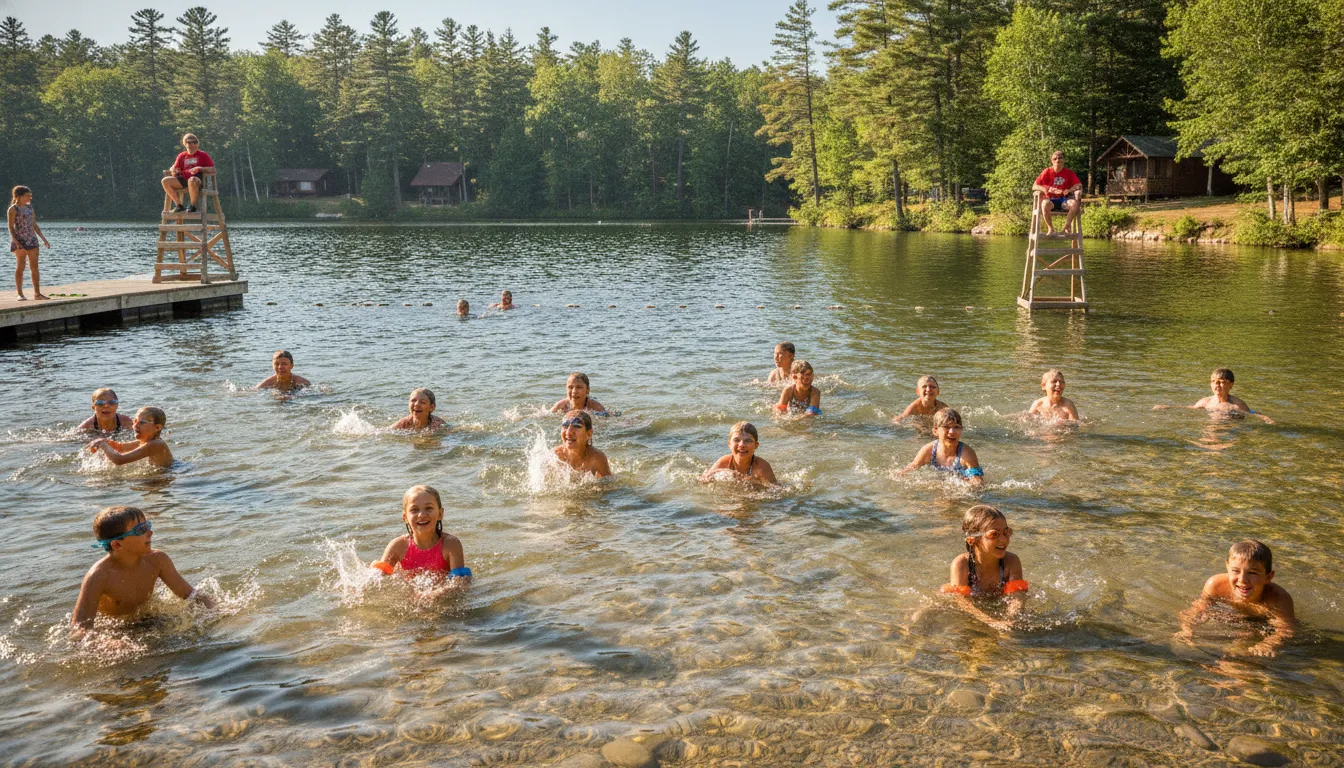
Many camps use lakes or ponds for swimming. These natural spots have more risks than a clear pool. Murky water makes it hard to see a child who goes under. Dark or muddy water can hide a swimmer on the bottom. This lack of clear sight lines is a major worry for camp leaders.
Weather and light also change how well staff can see. Sun glare on the water can blind a guard for a few seconds. Wind can create waves that hide a head or a hand. To stay safe, camps can modernize your summer camp waterfront safety with tools. Systems that work in dark water give guards a needed extra layer of safety.
Closing the safety gap
Staffing is another big hurdle for camps today. More than four in ten aquatics facilities face a guard shortage. This means many camps must work with fewer staff or those with less skill. Even with a full team, watching kids for hours is hard. Human eyes get tired, and a small lapse in focus can lead to a loss. A significant portion of drownings for ages 5 to 14 happen at guarded places.
Camps need ways to help their staff. New tools can act as a force multiplier to fill the gaps in human sight. Wearable sensors alert staff if a child stays under too long. These aquatic facility safety solutions help guards find a child fast. This support is key for camps that want to keep kids safe in any water.
Core Pillars of an Effective Camp Water Safety Plan
Creating a safe space for swimming at camp takes careful work. It starts with clear rules and the right tools. Strong summer camp water safety policies help protect kids while they learn and play in the water. These plans give staff a clear path to follow during busy summer days. A good plan covers everything from how guards watch the water to how kids enter the pool. It also helps you meet local rules and keep your camp running well.
Full Staff Prep and Risk Planning
Camps must train their teams well before the first camper arrives. Staff should learn about child growth and how to manage risks at the water. This helps them handle the fast pace of a summer camp pool or lake. According to the University of Florida, training on behavior and risk is a key part of camp readiness. When the team is ready, they can focus on the safety of every child. This prep is vital during years when many pools face a shortage of trained guards.
Safety also means having enough people on deck. Busy swim times need more eyes on the water to keep everyone safe. New York state rules for regulated camps require extra staff for high-risk tasks like swimming. This ensures that every child has someone watching them at all times. You can strengthen your water safety plan by setting high goals for staff counts. More guards mean less stress for your team and better care for your campers.
Five Steps for Better Water Safety
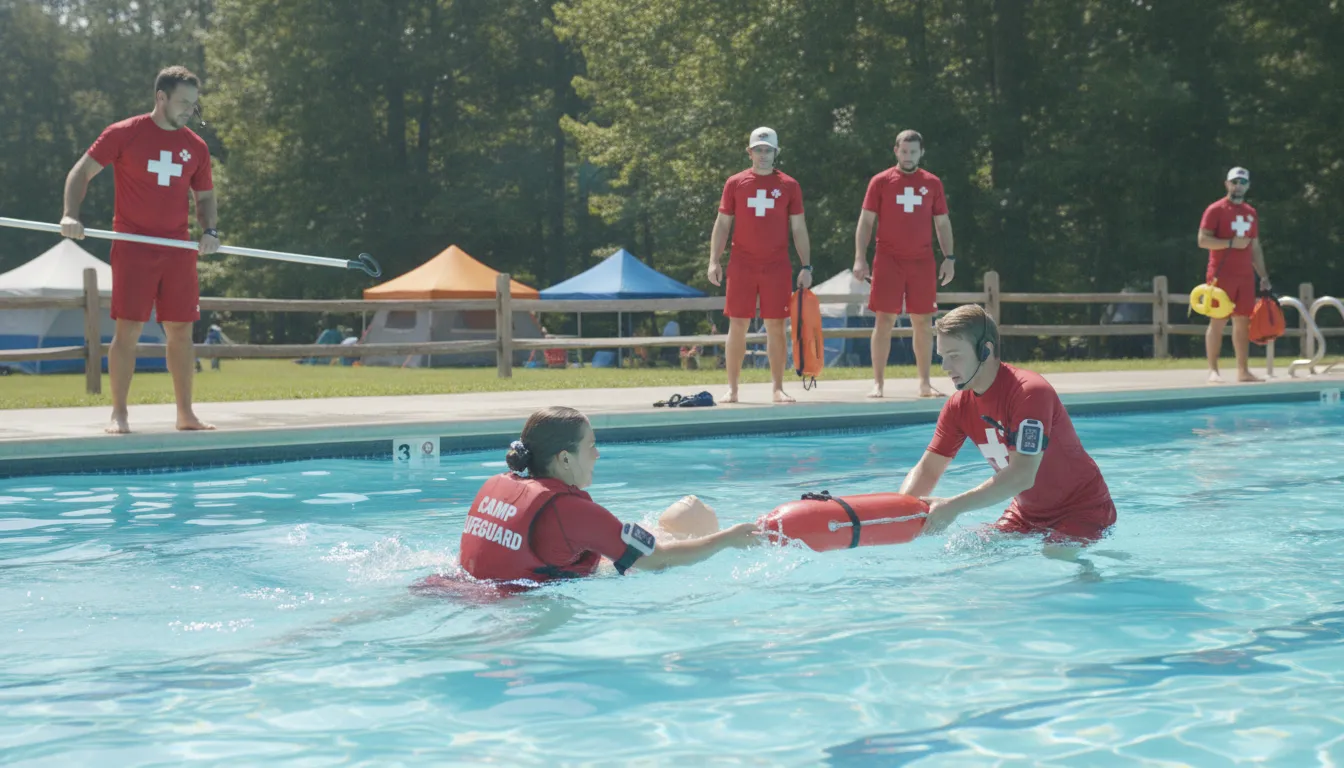
A good safety plan is the heart of a fun camp summer. Here are five core steps to build a plan that works for your team and your campers.
- Set up staff training. Train your team on water safety and how to watch different age groups. Make sure they know the local rules for camp pools and lakes.
- Test every camper. Use swim tests to see what each child can do before they go in the water. This helps you group kids by their skill level so they stay in safe areas.
- Add extra staff. Bring in more guards during peak hours or when the water is crowded. More eyes on the water make it easier to spot a child in need of help.
- Add new tech. Use tools that help guards see and hear what is happening under the surface. These tools act as a force multiplier for your staff on busy days.
- Check your plan. Review your safety rules each week during the summer. Talk with your team about ways to stay sharp and improve your results throughout the season.
Adding Safety Tools and Tech
Adding tech can help you modernize your summer camp waterfront safety. New tools like the GUARDian Hub (w3000) and AquaSense swimmer wearables provide a second set of eyes. These systems do not replace guards but help them do their jobs better. They work well in both clear pools and murky lake water. By using these tools, you can add a layer of safety that protects kids all day long. This is why many groups choose these drowning detection systems for camps to support their teams.
These tools are easy to set up and do not need big changes to your pool area. Most camps can have a system running in just a few hours without closing the pool. This makes tech a great choice for seasonal camps that need quick and reliable safety. With the right mix of staff and tech, you can build a safety plan that parents and staff can trust. Having the right tools shows that you care about the safety of every camper.
Have questions about summer camp waterfront safety technology? Call WAVE Drowning Detection Systems today at (888) 384-9283 ext. 502 for expert guidance.
Why is a written water safety plan essential for modern camps?
A written water safety plan is the core of risk management for any camp. In states like New York, regulated camps must meet strict health department safety standards to stay open. These rules often need a formal medical plan that local health officials approve. By putting summer camp water safety policies on paper, directors make sure that every staff member knows their exact role during a crisis.
Meeting state safety standards
Official policies are often a legal need for camps. For example, New York requires extra staff for high-risk tasks like swimming to ensure good oversight. Regulated camps must also have staff on-site who are certified in First Aid and CPR to help the health director. A written plan lists these skills and ensures the camp follows all local and state safety laws.
Lowering risk with clear rules
Beyond law, a formal plan helps lower the chance of accidents. It should show clear steps for swim tests to check the skill of each camper. Since drowning is a leading cause of death for children, having set rules for water entry and care is key. This clarity helps lifeguards focus on the water instead of guessing what the camp rules are.
Support for seasonal staff
Many camps use seasonal workers who may have less training. A written policy acts as a guide for these teams. It ensures they follow the same safety steps every day. Modern camps also add tech like the GUARDian Hub to help their staff. This tool adds an extra layer of safety, but it works best as part of a well-taught, written safety plan.
Traditional Lifeguarding vs. Wearable Detection Systems
Most summer camp water safety rules rely on the watchful eyes of lifeguards. While trained staff are the first line of defense, watching by eye has limits. Human eyes can struggle with sun glare, surface ripples, and deep water. These factors make it hard to see a swimmer who is in trouble below the surface. Modern camps now use tech to fill these gaps and keep kids safe.
The Limits of Watching by Eye
Lifeguards do an amazing job, but they face many hurdles. Glare from the sun can hide a child at the bottom of a pool or lake. Murky water makes it even harder to spot someone who has slipped under. Also, many pools face staffing issues. Approximately 42% of swim centers deal with guard shortages. This makes it tough to maintain the best safety levels at all times.
Drowning is a major risk for kids. For children aged 5 to 14, it is the second leading cause of death from injury in the U.S. per the CDC. Over half of these deaths happen at pools with guards. This fact shows that even with staff on duty, things can go wrong quickly. Visual checks alone are not always enough to prevent every tragedy.
How Wearable Systems Support Staff
Wearable detection systems act as a force multiplier for your team. Swimmers wear small AquaSense sensors on headbands or clips. These sensors track how long a child is under the water. If a swimmer stays down too long, the system sends an alert. This alert goes to a GUARDian Hub and vibrates on the lifeguard's wrist. It tells the guard exactly where to look so they can act fast.
These drowning detection systems for camps do not replace the staff. Instead, they give them an extra set of digital eyes that never blink. The tech works in both clear pools and murky lake water. It helps guards find a child even when they cannot see them through the water. This layer of protection is vital for many summer camp water safety policies.
| Feature. | Watching by Eye. | Wearable Detection. |
|---|---|---|
| Visibility. | Affected by glare and ripples. | Works in murky or dark water. |
| Setup Needs. | Basic chairs and gear. | No fixed building work. |
| Alert Speed. | Depends on staff sighting. | Immediate alert on submersion. |
| Staff Support. | Full focus required 24/7. | Acts as a force multiplier. |
| Reliability. | Limited by human fatigue. | Constant digital checks. |
Closing the Safety Gap in Summer Camps
Camps need to think about how they handle risk. Adding tech to your plan helps lower the chance of a mishap. Unlike camera systems, wearable tech is easy to set up. It does not require big building projects or closing the pool. You can have a system running in just a few hours. This makes it a great fit for seasonal camp sites.
Using these tools helps you meet high safety goals. It also gives parents peace of mind. When parents know you use the latest tools, they feel better about their child's safety. This choice shows you take risk management seriously. It is a smart move for any site that wants to lead the way in water safety.
Implementing WAVE AquaSense in Seasonal Camp Settings
Setting up a new safety tool for a summer camp can feel like a big task. Most camps only run for a few months, so they need tools that work fast. The WAVE system fits these summer camp water safety policies because it is easy to start. You do not need to build anything permanent or close your pool to set it up.
Fast setup and easy use
You can set up the WAVE system in just a few hours. This is helpful for seasonal camps that have a short time before campers arrive. The GUARDian Hub (w3000) is the main part of the system and sits right by the water. It talks to the AquaSense swimmer wearables and lifeguard tags without using any wires. This simple design means you can modernize your summer camp waterfront safety without a large construction project.
Camp staff can learn to use the system quickly. Since many camp workers are young or new each year, easy tools are best. The Hub Management Software (HMS) lets you manage all your gear in one place. You can see which wearables are in use and check battery levels with just a few clicks. This helps your team stay focused on the kids while the tech runs in the back.
Support for camp staff
The system acts as an extra set of eyes for your lifeguards. It does not replace them but helps them do their job better. This is key because many places now face a lifeguard shortage that can stress your safety plan. When a swimmer stays under for too long, the system sends an alert right away. This gives your staff the best chance to help a camper in need.
State rules often require camps to have strict safety plans. For example, some states ask for a written plan that meets local health department standards for camp safety. Using advanced tech like WAVE shows parents and regulators that you take safety seriously. It adds a strong layer of protection that works in clear pools or murky lake water.
Contact WAVE Drowning Detection Systems at (888) 384-9283 ext. 502 to learn more about summer camp water safety policies, or fill out our online form for a free consultation.
Frequently Asked Questions
What role does ACA accreditation play in camp water safety?
ACA accreditation means a camp follows high safety standards. The American Camp Association sets rules for staff counts and lifeguard training. These rules help camps build a strong safety plan for pools and lakes. As the New York State Health Department says, camps must meet strict health and safety rules. ACA rules often go beyond local laws to protect every child. This mark shows parents that a camp is safe and well run.
How should camps manage swim testing for different age groups?
Camps should test every child before they enter the water. This helps staff find out how well each camper can swim. Then, give kids color bands based on their skill. This helps guards see who can go in deep water and who must stay in the shallow end. According to the University of Florida, swim tests help a camp get ready. Testing keeps kids safe and helps staff manage the pool.
How can camps keep swimmers safe in lake water?
Lakes and rivers can be hard to watch because the water is often murky. Camps should set up clear lines with ropes or buoys. It is also wise to use tools that work well in dark water. The WAVE system can find a child in need even in lake water. Camps should also have extra staff on deck for these high-risk areas. These steps help prevent accidents and keep every camper safe while they explore the outdoors.
What are the top questions parents should ask about camp water safety?
Parents should ask about the staff-to-child ratio and how guards are trained. They should also check if the camp has a written safety plan. Ask if the camp uses tech to help guards watch the water. According to the WAVE blog, clear safety info helps parents feel at ease. It is vital to know if the camp has First Aid and CPR staff on-site. These questions help you find a safe place for your child.
Ready to set up a free consultation for your summer camp safety?
Leaving your safety plan as it is can leave big gaps that put your camp staff and your young kids in danger this summer season. You can see how to update your camp safety tools to stop a small mistake from making a tragic loss at your camp site this year. Our WAVE Drowning Detection Systems tools set up in just a few hours so you can add this layer of care to your camp today.
Ready to schedule a free consultation? Call (888) 384-9283 ext. 502 now to schedule a free consultation and keep your site safe all summer long, or contact WAVE Drowning Detection Systems today.
