
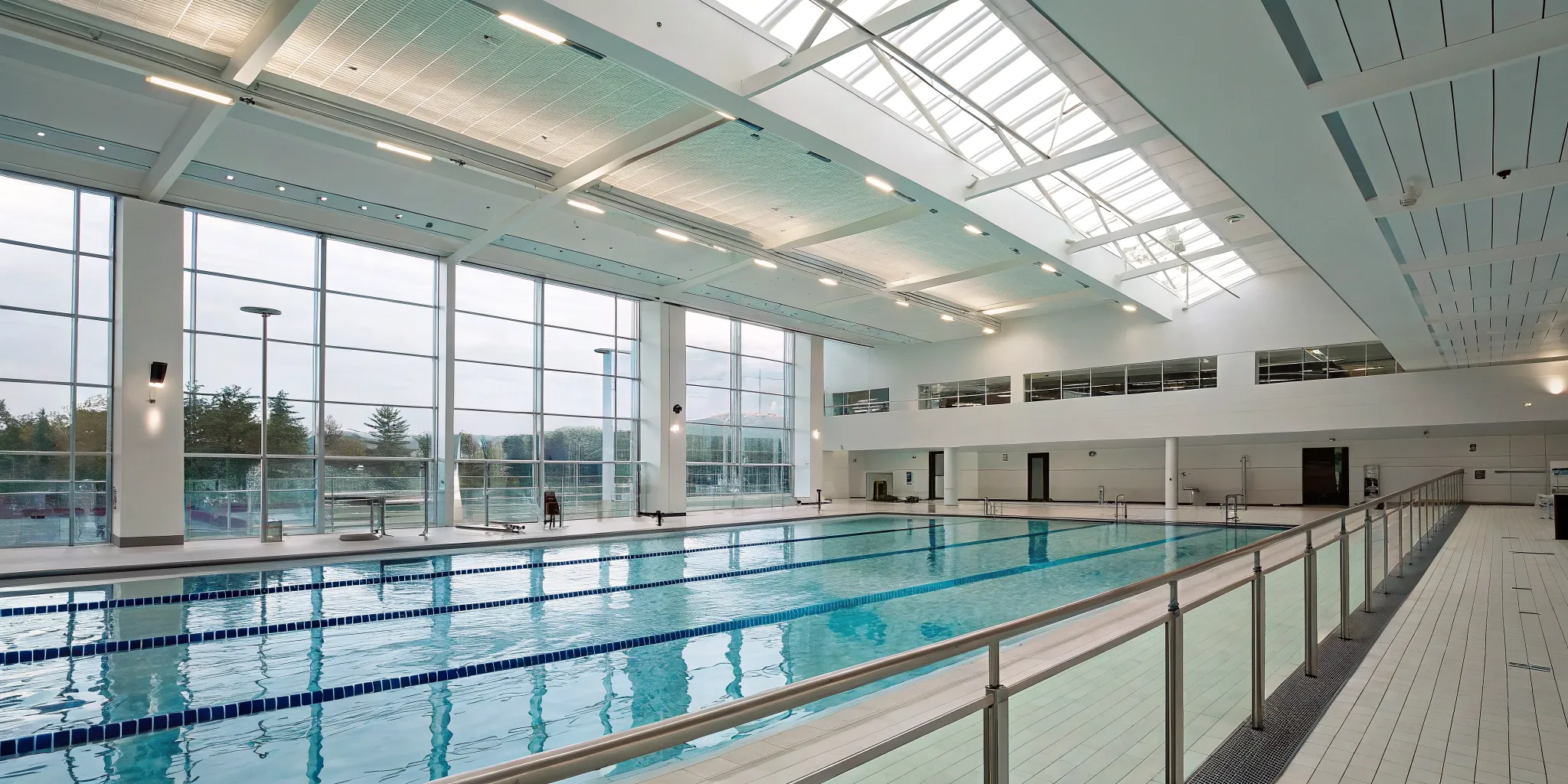
Your lifeguard team is incredible, but they're still human. In a busy pool, keeping a constant watch on every single swimmer is a huge challenge. This is where a swimmer monitoring system comes in. Think of it as your lifeguard's most reliable partner—an extra set of eyes that never blinks and watches everyone in the water. This technology provides critical backup, helping to reduce the chance of human error. But how does a swimmer monitoring system work? It’s a smart combination of hardware and software that tracks movement and alerts your team with precision when someone needs help.
Key Takeaways
- Support your team with technology: These systems act as an extra set of eyes for your lifeguards, providing constant surveillance to help them spot and respond to incidents faster. The technology is designed to enhance, not replace, human supervision.
- Focus on data-driven alerts: By using wearable sensors and smart algorithms to track key indicators like submersion time and movement, these systems can automatically detect signs of distress and send precise, immediate alerts to your staff.
- Evaluate systems based on your unique needs: The best system is one that fits your facility's size, integrates with your existing safety protocols, and aligns with your budget. A good fit will support your team's workflow with clear, actionable alerts.
What Is a Swimmer Monitoring System?
A swimmer monitoring system is a technology designed to add an extra layer of protection in aquatic environments. Think of it as a high-tech partner for your lifeguard team, providing real-time information about what’s happening in the water. These systems use advanced tools to track swimmers and can alert staff the moment a potential issue arises. By continuously monitoring activity, they help ensure a faster response during an emergency, supporting the crucial work lifeguards do every day to keep people safe.
What Do These Systems Actually Do?
Most modern systems rely on swimmers wearing a small, personal device. These Swimmer Alert wearables are packed with sensors that track critical information like a swimmer's depth and time underwater. Each sensor works independently to build a complete picture of the swimmer's status. If the system detects signs of distress, such as a swimmer remaining submerged for too long, it automatically sends a precise alert. This signal goes directly to the Lifeguard Alert equipment, allowing your team to respond immediately to the exact location of the incident. It’s all about providing clear, actionable information when every second counts.
What Are the Main Types of Monitoring Systems?
While wearable devices are a popular and effective option, they aren't the only type of monitoring technology out there. Some facilities use computer vision systems, which rely on cameras installed above or below the water to analyze swimmer movements and detect signs of drowning. Other innovations include smart swimming goggles that track performance metrics and can include safety features. Each approach has its own strengths, but the goal is always the same: to provide reliable oversight. The best systems, like the GUARDian System, integrate seamlessly into a facility's existing safety protocols to create a comprehensive safety solution.
Facility-Wide Systems vs. Personal Tracking Devices
It's easy to see a wearable device on a swimmer and group it into the same category as a fitness watch, but their functions are worlds apart. A personal swim tracker is all about individual performance, helping a swimmer track their laps, speed, and heart rate for training purposes. While great for personal goals, these devices aren't designed to send an emergency alert to your lifeguard team. A facility-wide system, on the other hand, is a comprehensive safety solution managed by your staff. Systems like our GUARDian System are built for one primary purpose: drowning detection. They create a connected safety net that monitors every swimmer and sends immediate, precise alerts to your team, integrating seamlessly with your existing emergency action plan.
Popular Personal Swim Trackers
For swimmers focused on improving their performance, the market is full of excellent personal tracking devices. Products like Phlex Swim Tracking are designed to help athletes refine their skills by giving detailed feedback on technique, speed, and endurance. You’ll also find popular waterproof trackers from brands like Garmin and Fitbit that offer similar performance-based features. These gadgets are fantastic tools for personal goal setting and analyzing a workout. The key thing to remember is that they operate independently and are focused on delivering fitness data to the user, which is a completely different function from a dedicated drowning detection system built to protect everyone in the water.
How Does Swimmer Monitoring Tech Work?
When we talk about swimmer monitoring systems, we're really talking about a powerful combination of different technologies working together. It’s not just one single gadget; it’s a layered approach to safety that gives lifeguards and facility managers a clearer picture of what’s happening in the water. These systems use a mix of hardware, like sensors worn by swimmers, and intelligent software that can spot potential trouble in real time.
The goal is to provide an extra layer of protection that complements, rather than replaces, the vigilant eyes of a lifeguard. Think of it as giving your safety team superpowers. They can’t be everywhere at once, but the technology can. From tiny wearables that track a swimmer’s every move to complex algorithms that learn what normal swimming looks like, modern monitoring is a huge leap forward. Understanding how it works can help you appreciate the incredible safety net it provides for everyone at your facility. Let's look at the key pieces of technology that make these systems possible.
How Wearable Sensors Work
At the heart of many modern systems are wearable sensors. These aren't your average fitness trackers; they are sophisticated devices designed specifically for the aquatic environment. Each swimmer wears a small, lightweight device, often on their head or back, that continuously monitors their status in the water. These Swimmer Alert wearables are packed with sensors that track movement, depth, and time submerged. If a swimmer remains motionless or submerged for too long, the device sends an immediate alert. This real-time data is the foundation of the system, providing constant updates on every single person in the pool and ensuring no one goes unnoticed.
Sensor Placement and Data Accuracy
The effectiveness of any swimmer monitoring system comes down to one key detail: where the sensor is placed. For the technology to deliver accurate data, each swimmer needs to wear their device correctly. These small, lightweight Swimmer Alert wearables are usually worn on the head or upper back for a reason. This specific placement gives the system the clearest possible information about a swimmer's position and how long they've been submerged. When a sensor is properly fitted, it can reliably track movement and time underwater. This level of precision is what allows the system to tell the difference between someone playing and someone who might be in trouble, ensuring your team only receives alerts that matter.
How Do AI and Computer Vision Help?
Artificial intelligence (AI) and computer vision are also becoming key players in water safety. Some systems use overhead or underwater cameras paired with smart software to watch the pool. The AI is trained to recognize the signs of a swimmer in distress, like erratic movements or a prolonged period of inactivity. It can distinguish between normal swimming and potential danger, providing real-time analysis and sending alerts to lifeguards when it detects a problem. This technology acts as a constant, unblinking observer, helping to cover any potential blind spots and adding another critical layer of surveillance to your safety protocols.
Monitoring Swimmers Below the Surface
Monitoring what happens beneath the surface is one of the biggest challenges in aquatic safety. While some systems use underwater cameras or sonar, many of the most effective methods rely on data from personal detection devices. These systems create a complete underwater picture by tracking the location and status of each swimmer’s wearable sensor. The central GUARDian Hub collects this information, allowing lifeguards to see if a swimmer is submerged and for how long. This approach is incredibly effective because it focuses on the individual, ensuring that even in a crowded or cloudy pool, a swimmer in distress can be quickly identified.
Using sEMG Sensors to Track Muscle Activity
A more advanced technology making its way into swimmer monitoring is the sEMG sensor. Standing for Surface Electromyography, these sensors measure the electrical activity produced by muscles. By monitoring a swimmer's muscle activation patterns, the system can get a sense of their coordination and muscular engagement. While this is great for performance tracking, it also has significant safety applications. A sudden change in muscle activity or signs of extreme fatigue could indicate that a swimmer is struggling. This provides an even earlier warning sign, allowing for intervention before a swimmer is in immediate danger.
How Systems Track Swimmer Movement
So, how does a system actually know if a swimmer is in trouble? It’s not just about watching; it’s about understanding movement. This happens through a combination of sophisticated sensors and smart software that work together to interpret every motion, turning raw data into actionable safety information. This technology provides a crucial layer of support for your lifeguard team, helping them see what might otherwise be missed in a busy pool.
How Accelerometers and Gyroscopes Track Motion
At the heart of many wearable monitoring systems are tiny sensors called accelerometers and gyroscopes. The accelerometer is especially important for pool swimming, as it measures how quickly a swimmer’s body changes speed and direction. A gyroscope adds another layer of data by tracking orientation, helping the system understand if a swimmer is upright, horizontal, or has suddenly rolled face-down in the water. Together, these sensors in devices like Swimmer Alert wearables paint a detailed picture of a swimmer's physical state, providing the raw data needed to spot the earliest signs of distress.
What Do Motion Detection Algorithms Look For?
All that data from the sensors would just be noise without smart software to interpret it. This is where motion detection algorithms come in. The device records a swimmer's motion, and then specialized algorithms clean up the data and match it to specific swimming actions. These programs are trained to recognize the difference between a strong freestyle stroke, a flip turn, or someone simply resting at the wall. More importantly, they learn to identify the subtle, often erratic movements that signal a swimmer is in distress, or the lack of movement that indicates a potential drowning event. You can see how it works as part of a complete system.
How Is Movement Analyzed in Real Time?
The real advantage of modern swimmer safety technology is its ability to do all this analysis instantly. It monitors every swimmer in real time, using advanced sensors and automated alerts to help lifeguards keep everyone safe. This isn't about reviewing data after an incident. The system processes movement as it happens, so an alert can be sent the moment a dangerous situation is detected. This immediate feedback loop is crucial for a fast response. Features like WAVE’s Lifeguard Alert equipment ensure that when the system spots a problem, your entire team knows about it right away, creating a more connected and responsive safety net.
How These Systems Collect and Process Data
A swimmer monitoring system is more than just a collection of sensors; it’s a smart, responsive network that turns raw data into actionable information. The magic happens in how these systems gather, interpret, and act on information in a continuous cycle. This process is what allows the technology to serve as a reliable backup for your lifeguard team, providing an extra layer of protection for every person in the water. It all breaks down into three key steps: capturing data live, processing it for warning signs, and securely managing that information.
How Systems Capture Data in Real Time
The first job of any monitoring system is to watch what’s happening, as it’s happening. These systems don’t just record events for later review; they provide constant, real-time monitoring to identify potential risks the moment they appear. This live feed of information is crucial for immediate intervention. For example, the WAVE system tracks every swimmer continuously and integrates directly with your team’s workflow. If a lifeguard enters the water for a rescue, the system can automatically send an alert to the entire facility, ensuring a coordinated and rapid response when every second counts.
How Signals Are Processed to Recognize Patterns
Once the data is collected, the system gets to work making sense of it all. This is where sophisticated algorithms come into play. Systems that use Swimmer Alert wearables analyze multiple data points at once, including a swimmer's depth, time underwater, and movement patterns. The technology is designed to recognize the subtle signals that differentiate active swimming from signs of distress. By establishing a baseline for normal activity, the system can quickly flag anomalies that might indicate a swimmer is in trouble, giving your lifeguards a critical heads-up.
How Is Your Data Stored and Sent Securely?
Finally, the system needs to manage all this information reliably. After identifying a potential emergency, it must send a clear, unmissable alert to a central hub and your lifeguard team. This communication needs to be secure and instantaneous. The data collected is often stored securely, allowing facility managers to review incidents and analyze operational patterns. A central component like the GUARDian Hub acts as the brain of the operation, ensuring that critical alerts are delivered without fail and that the system’s integrity is always maintained, providing peace of mind for staff and swimmers alike.
Tracking Performance: What Can You Measure?
Modern swimmer monitoring systems are primarily about enhancing safety, but their capabilities extend far beyond just emergency alerts. These systems collect a wealth of data that offers deep insights into a swimmer's performance. For aquatic facilities that host swim teams, training sessions, or fitness swimmers, this information is incredibly valuable. It allows coaches and athletes to move beyond guesswork and use concrete data to refine their skills.
Think of it as giving your lifeguards and coaches an extra set of eyes, ones that can see details invisible to the human eye. By tracking key metrics, you can build a comprehensive profile of each swimmer's abilities and patterns. This data not only helps in honing competitive performance but also establishes a baseline for what normal, healthy swimming looks like for an individual. When a swimmer deviates significantly from their baseline, it can be an early indicator of fatigue or distress, adding another layer to your safety protocols. The WAVE system is designed to provide this dual benefit, pairing powerful safety features with detailed performance analytics to create a smarter, more informed aquatic environment.
Improving Stroke and Technique with Data
For any swimmer looking to improve, technique is everything. A swimmer monitoring system can break down every movement in the water, providing specific data on stroke count, stroke rate, and overall efficiency. This information helps coaches pinpoint exactly where a swimmer can make adjustments, whether it's extending their reach, quickening their turnover, or maintaining a more consistent pace.
Instead of relying solely on visual feedback from the pool deck, you get objective numbers to guide training. For example, the system can track the power of each pull and the smoothness of each turn. This level of detail transforms coaching, making it possible to create highly personalized training plans. Over time, tracking these metrics helps swimmers build better habits, reduce their risk of injury, and become more powerful in the water.
Advanced Metrics: Stroke Efficiency and Rate
Beyond basic lap times, this is where the data gets really interesting. Advanced metrics like stroke efficiency and rate give you a granular view of a swimmer's performance. A swimmer monitoring system can break down every movement in the water, providing specific data on stroke count, stroke rate, and overall efficiency. This information helps coaches pinpoint exactly where a swimmer can make adjustments, whether it's extending their reach, quickening their turnover, or maintaining a more consistent pace. Instead of relying solely on visual feedback from the pool deck, you get objective numbers to guide training. This level of detail transforms coaching, making it possible to use the system's data to create highly personalized training plans.
Tracking Speed, Distance, and Laps
At its core, swimming is often about speed and endurance. Swimmer monitoring systems excel at capturing the fundamental data points that measure progress. Using advanced sensors like accelerometers, these systems accurately track how fast a swimmer is moving, the total distance they've covered, and their lap counts. This automates what used to be a manual and sometimes inaccurate process.
This data is perfect for setting goals and tracking improvement over a season. Swimmers can see their split times for each lap, identify when they start to slow down, and work on building stamina. For facility managers, this information can also provide insights into how the pool is being used. The Swimmer Alert wearables provide real-time feedback, giving athletes and coaches the immediate data they need to make adjustments on the fly and push for better results.
What Health Metrics Can You Monitor?
Beyond motion and speed, some of the most critical data points a monitoring system can track are a swimmer's vital signs. By monitoring key health metrics like heart rate, you get a real-time window into a swimmer's physical exertion and overall condition. This is where performance tracking and safety truly overlap. A sudden spike or dangerous drop in heart rate can be the first sign of a medical issue, allowing for intervention before the situation becomes critical.
This proactive approach adds a significant layer of protection. While traditional drowning detection focuses on a lack of movement, monitoring vitals can help identify swimmers who are in distress but still moving. This is especially important for athletes pushing their physical limits during training. Having access to this health data helps ensure that swimmers are training not just harder, but smarter and more safely.
Understanding Training Readiness and Heart Rate Zones
Heart rate data is a powerful tool for understanding a swimmer's training readiness. By tracking heart rate, swimmers and coaches can better understand their physical state and optimize workouts accordingly. This data allows for tailored training plans that align with individual fitness levels and goals, helping athletes train within specific heart rate zones to maximize performance while avoiding overexertion. For example, you can focus on staying in an aerobic zone for endurance or push into an anaerobic zone for sprints, all guided by real-time feedback. This approach ensures swimmers are training not just harder, but smarter. You can see how it works as part of a complete system that prioritizes both performance and safety.
What Safety Features Should You Look For?
When you're evaluating different swimmer monitoring systems, it’s easy to get lost in the technical details. To simplify your search, focus on the core safety features that will make a real difference at your facility. The right system should act as a reliable partner for your safety team, offering clear, immediate information when it matters most. It’s not just about having technology; it’s about having the right technology that fits into your existing safety protocols and gives your lifeguards the support they need to prevent incidents before they happen. Let's look at the three most important features to consider.
How Drowning Detection Systems Work
The most critical feature of any modern safety system is its ability to monitor swimmers in real time. Look for a system that can accurately identify the signs of a swimmer in distress. This goes beyond simple motion tracking. Advanced systems use a combination of sensors and intelligent software to recognize specific patterns associated with drowning. For example, the WAVE system uses lightweight, comfortable wearables to track swimmers' submersion times. If a swimmer is underwater for too long, the system automatically flags it. This proactive drowning detection is what gives your team a crucial head start in responding to a potential emergency.
How Emergency Alerts Work
A great detection system is only effective if it can alert your team instantly. Find out exactly how a system sends emergency alerts. Does it notify a central hub, or does it send signals directly to lifeguards? The best systems use multiple alert methods. For instance, when a swimmer is in trouble, an ideal system will trigger an alarm at the GUARDian Hub and simultaneously send a vibration and light signal to the specific Lifeguard Alert device worn by the guard responsible for that zone. This removes any guesswork and directs your staff to the exact location of the incident, saving precious seconds.
How to Integrate Monitoring with Your Lifeguard Team
Technology should always support, not replace, your trained lifeguards. A good swimmer monitoring system is designed to be a lifeguard's extra set of eyes, especially in crowded or low-visibility water. It should integrate smoothly into your team's workflow. Consider how the system presents information. Is the interface intuitive? Can your team quickly understand the alerts and data? The goal is to equip your lifeguards with tools that help them supervise swimmers more effectively. By handling constant monitoring, the system frees up your lifeguards to focus on active supervision and preventative actions, creating a stronger, more comprehensive safety net for everyone in the water.
What Are the Limitations of Swimmer Monitoring?
Even the most advanced technology has its limits, and swimmer monitoring systems are no exception. Understanding these challenges is key to integrating a system effectively into your facility’s safety plan. It’s not about finding a flawless system, but about understanding how it works within real-world conditions. The best systems are designed with these limitations in mind, using multiple data points to provide the most accurate information possible. By being aware of potential issues like water clarity, technical glitches, and object detection, you can work with your system, not against it, to create a safer swimming environment.
How Water Conditions Affect System Accuracy
The environment of a pool itself can present the biggest challenge for monitoring systems, especially those that rely on cameras. Poor lighting, shadows from nearby structures, and reflections on the water's surface can all affect a system's accuracy. Cloudy or choppy water can also make it difficult for cameras to get a clear view of what’s happening beneath the surface. The depth of the water plays a role, too. Deep water naturally has less light, while shallow areas can have swimmers standing or playing, which can obstruct the camera’s line of sight. A robust drowning detection system is built to account for these variables, but it's important to know how your pool's specific conditions might impact performance.
Why Do False Alerts Happen?
One of the main goals of a monitoring system is to reduce false alerts, which can lead to alarm fatigue for your lifeguard team. A common technical hurdle is telling the difference between a swimmer and their shadow or reflection. Some systems solve this by using multiple technologies, like sonar or infrared, to confirm an object is a person. Another factor is that people sink at different rates depending on body composition and other variables. This means a system needs sophisticated algorithms to recognize distress, not just a simple lack of movement. The goal is to find a system that provides reliable alerts without crying wolf, ensuring your staff responds quickly when it truly matters.
The Challenge of Distinguishing Swimmers from Objects
Camera-based systems work by analyzing pixels to identify shapes and movements that match a human body. The software looks for groups of pixels that reflect light and move in a way that suggests a person is in the water. While incredibly smart, this method can sometimes be confused by other objects in the pool, like large toys or debris. To overcome this, some of the most effective solutions use a multi-layered approach. For instance, combining overhead monitoring with individual Swimmer Alert wearables ensures that the system is tracking a specific person, not just an unidentified object. This provides a much higher degree of accuracy and peace of mind.
The User Experience: What to Expect
Adopting a new swimmer monitoring system might seem like a big step, but modern systems are designed to integrate smoothly with your existing operations. The goal is to support your team, not complicate their jobs. From the moment you decide to install a system, the process is typically straightforward, focusing on getting your facility and staff up to speed quickly and efficiently. The user experience centers on clear communication, intuitive interfaces, and practical support. You can expect a partnership that enhances your safety protocols. The system works in the background, providing an extra layer of protection while allowing your team to focus on what they do best: keeping swimmers safe. It’s about adding a powerful tool to your safety toolkit, one that becomes a natural part of your daily routine.
What to Expect During Setup and Training
Bringing a swimmer monitoring system into your facility begins with a professional setup and thorough training for your team. Think of it as a partnership. For example, the WAVE system monitors every swimmer in real time, but it also includes features specifically for your team, like the Lifeguard Alert equipment that notifies the entire facility if a guard enters the water for a rescue. The initial installation is handled by experts to ensure everything is calibrated correctly for your specific pool environment. Afterward, your staff will receive comprehensive training on how to use the system, interpret alerts, and integrate it into their daily responsibilities. The aim is to make everyone feel confident and capable from day one.
How to Read the Data and Use the Interface
Once the system is running, your team will interact with it through a central hub or interface. This dashboard is your window into what’s happening in the water, translating complex data into clear, actionable information. You’ll see real-time updates on swimmer activity, and the system will flag any unusual patterns that could indicate distress. These interfaces are designed to be intuitive, using visual cues and simple alerts to draw attention where it’s needed most. The GUARDian Hub, for instance, acts as the brain of the operation, processing information from wearables and alerting staff instantly. This allows your lifeguards to monitor the entire pool effectively without being overwhelmed by data.
Device Compatibility and App Integration
A swimmer monitoring system becomes even more powerful when it can communicate with the other tools you and your swimmers use every day. Device compatibility isn't just a tech-savvy bonus; it's about creating a fully connected safety and performance ecosystem at your facility. When your monitoring system can integrate with other applications, it streamlines everything from tracking athletic progress to managing facility-wide alerts. This connectivity enriches the data available to your team, providing a more complete picture of swimmer activity. A well-integrated system ensures that critical safety information from the GUARDian System can work alongside performance analytics, creating a seamless experience for both staff and swimmers.
Connecting with Third-Party Fitness Apps
Many dedicated swimmers and athletes already track their workouts using popular fitness apps on their smartphones or watches. A monitoring system that can share data with these platforms offers a huge advantage. It allows swimmers to consolidate all their performance metrics—like distance, speed, and lap times—in one place, making it easier to track progress and stay motivated. For swim teams, this integration means coaches can access detailed analytics without needing a separate system. While the primary goal is always safety, the data gathered by Swimmer Alert wearables provides the building blocks for robust performance analysis, enhancing the value your facility offers to every type of swimmer.
Do These Systems Comply with Competition Rules?
It’s also important to understand the practical applications and limitations of these systems, especially for facilities that host competitions. Most competitive swimming rules state that automated devices cannot be used to transmit data or signals to a swimmer during a race to aid their speed. While this limits the real-time use of some wearable features during official events, the post-swim analytics can be invaluable for training. Every system has its operational boundaries, and understanding them is key to using the technology effectively. It’s a tool to support vigilant lifeguards, not replace them, and works best when your team knows exactly what it can and can’t do.
Choosing the Right System for Your Facility
Selecting a swimmer monitoring system is a significant step toward enhancing safety at your aquatic facility. It’s not just about buying new tech; it’s about finding a solution that fits your specific environment, supports your team, and aligns with your budget. The right system should feel like a natural extension of your existing safety protocols, providing an extra layer of protection without disrupting your workflow. To make the best choice, you’ll want to consider a few key factors that will impact how effective the system is for your unique needs.
Does Your Pool Size Affect System Choice?
The physical layout of your pool is the first thing to consider. A system designed for a small, rectangular pool won’t be sufficient for a large, multi-zone aquatic center. You need to ensure the technology can effectively monitor the entire area, from the shallow end to the bottom of the deepest point. Ask potential providers about their system's range and whether it can be scaled to cover unique features like slides, lazy rivers, or irregular shapes. A truly comprehensive drowning detection system will offer flexible configurations to provide complete coverage, leaving no blind spots where a swimmer in distress could go unnoticed.
How to Fit a New System into Your Safety Plan
A monitoring system should act as a partner to your lifeguard team, not a replacement. Think about how the technology will integrate with your current safety and emergency action plans. How are alerts delivered to your staff? Are they clear, immediate, and easy to act on? The goal is to give your lifeguards better information so they can respond faster and more effectively. Look for systems with dedicated lifeguard alert equipment that seamlessly fits into their daily operations. This empowers them to focus their attention where it’s needed most and act with confidence when an alert is triggered.
What's the Real Cost? Budgeting for Purchase and Maintenance
When evaluating your options, it’s important to look beyond the initial purchase price. Consider the total cost of ownership over the system's lifespan. This includes installation, staff training, software updates, and any ongoing maintenance or subscription fees. Ask for a transparent breakdown of all potential expenses to get a clear picture of the long-term investment. Understanding the full pricing structure will help you budget accurately and ensure your chosen system remains a sustainable and effective part of your safety strategy for years to come, building trust with your community.
Pricing Models for Personal Tracking Devices
When you're looking at personal tracking devices, the price tag is rarely a simple, one-time cost. Most comprehensive safety systems operate on a model that includes both an initial hardware investment and an ongoing service fee. The upfront cost typically covers the physical components your facility needs, like the Swimmer Alert wearables for each person, the central GUARDian Hub, and your team's alert equipment. The recurring fee is what keeps the system smart and responsive, covering essential software updates, data processing, and customer support. When budgeting, it’s crucial to look at this total cost of ownership to understand the long-term value. A transparent pricing structure ensures you can plan for these expenses and maintain a reliable safety net without any surprises.
Is a Swimmer Monitoring System Right for You?
Swimmer monitoring systems offer a significant step forward for water safety, but like any technology, it's smart to look at the full picture. Understanding both the advantages and the potential challenges helps you make an informed decision and integrate a system effectively into your facility's operations. It’s all about finding the right fit for your team and your swimmers, creating a safer environment for everyone who visits your pool.
The Benefits: Improved Safety and Performance Data
The biggest advantage is, without a doubt, enhanced safety. A system like the GUARDian Drowning Detection System acts as a second set of eyes for your lifeguards, providing continuous, real-time monitoring for every swimmer. This approach is supported by organizations like the Royal Life Saving Society UK, which encourages using technology to assist lifeguards in preventing incidents. Beyond safety, many systems offer performance tracking. They can monitor metrics like heart rate, stroke patterns, and depth, giving coaches and swimmers valuable data to improve their technique and training. This dual benefit makes them a powerful tool for any aquatic facility.
Beyond the Data: Motivation and Overtraining Prevention
Swimmer monitoring systems do more than just enhance safety; they also serve as a powerful tool for motivation and preventing overtraining. When athletes can see their performance metrics in black and white—like faster lap times or a more efficient stroke—it provides tangible proof of their hard work and gives them clear goals to strive for. This data-driven feedback is incredibly motivating. At the same time, this information is a coach's best defense against overtraining. By tracking health metrics like heart rate alongside performance, coaches can spot signs of fatigue before they lead to burnout or injury. It allows for smart adjustments to training plans, ensuring athletes stay healthy and can perform at their peak when it counts.
The Drawbacks: Technology Limits and Human Error
While the technology is impressive, it’s not foolproof. Achieving perfect accuracy for every swimmer is a challenge developers are actively working on, so false alarms are a possibility. The system's effectiveness can also depend on user factors, like a swimmer wearing a device incorrectly or unusual swimming styles. It's important to remember that these systems are designed to support, not replace, skilled lifeguards. Proper staff training on how to interpret alerts and manage the system's nuances is key to success and can help address many common questions about implementation.
Related Articles
- Drowning Prevention Technology: A Facility Guide
- Guide to Automated Drowning Detection & Pool Security
- How Automated Drowning Detection Improves Safety
- How to Buy Swimmer Safety Sensors for Community Pools
Frequently Asked Questions
Does a swimmer monitoring system replace the need for lifeguards? Absolutely not. Think of this technology as a powerful tool that supports your lifeguards, not a substitute for them. The system acts as an extra set of eyes, constantly monitoring every swimmer, which frees up your team to focus on proactive supervision and preventative lifeguarding. It enhances their abilities, especially in crowded or low-visibility conditions, creating a more comprehensive safety net.
How does the system differentiate between a swimmer holding their breath and a real emergency? This is where the smart technology comes in. The systems use sophisticated algorithms that analyze multiple data points at once, not just a single factor. It looks at a swimmer's depth, their total time submerged, and their movement patterns. By establishing a baseline for normal activity, the system can recognize when these factors combine in a way that signals genuine distress, rather than just a swimmer practicing their underwater skills.
Can these systems be used for more than just safety, like for swim team training? Yes, many systems offer a dual benefit. While the primary function is safety, the same sensors that detect distress can also track detailed performance metrics. Coaches can get data on a swimmer's stroke rate, lap times, and even key health indicators. This information is incredibly valuable for creating personalized training plans and helping athletes refine their technique based on objective data.
What is the setup and training process like for our staff? Getting started is designed to be a smooth process. Typically, the installation is handled by professionals to ensure the system is perfectly calibrated for your specific facility. Following that, your entire staff receives hands-on training. The goal is to make sure everyone, from lifeguards to managers, feels confident using the interface, understanding the alerts, and integrating the technology into their daily safety protocols.
How do these systems handle different pool environments, like cloudy water or unusual shapes? This is a great question because every facility is unique. Systems that rely on wearable devices are particularly effective in challenging conditions. Since they track each swimmer individually through their personal sensor, factors like water clarity, glare, or blind spots from a pool's irregular shape don't interfere with their accuracy. This ensures you have consistent, reliable monitoring regardless of your pool's specific environmental conditions.
