
Aquatic facility leaders need lifeguard shortage solutions that protect swimmers without asking a smaller team to do the impossible. A practical plan combines recruiting, retention, workable schedules, staff readiness, thoughtful operations, and tools that support—not replace—lifeguards. The right mix depends on the facility, season, swim programs, and available staff.
Start by matching the safety plan to the people and coverage you can reliably provide. Stabilize the team, build schedules around real demand, and make response roles clear. Then evaluate operational changes and technology as additional support, not a substitute for qualified lifeguards.
What should leaders do first when staffing is tight?
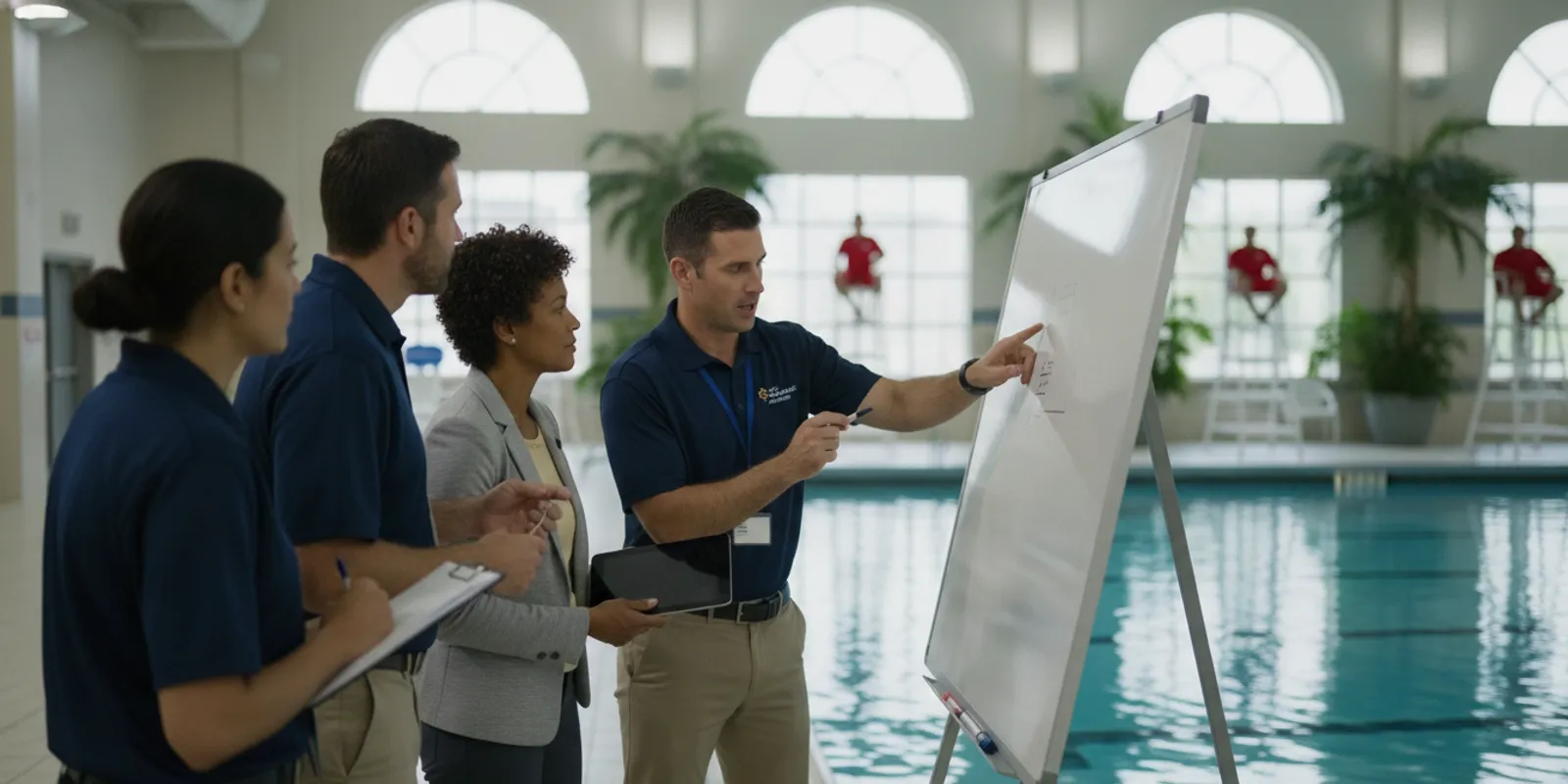
Before changing hours or hiring targets, map the actual work and identify where coverage is fragile. Compare operating plans with staff availability, skill requirements, and the facility’s emergency procedures. A clear picture helps leaders choose targeted actions instead of spreading limited resources too thin.
Short staffing is not solved by posting more shifts alone. Leaders need a short-term operating plan for the next few days and a longer plan for recruitment and retention. Begin with documented information rather than assumptions about where staff time goes.
- List each water area and activity. Record opening hours, swim lessons, lap swim, camps, special events, and any periods when activities overlap. Note which areas need active surveillance and which positions have specific qualifications.
- Map required coverage to each time block. Use the facility’s safety policies, applicable rules, and emergency action plan to determine necessary positions. Do not treat a general headcount as proof that every zone is adequately covered.
- Compare the plan with confirmed availability. Distinguish filled shifts from tentative availability, training shifts, and last-minute substitutions. Look for recurring gaps by day, time, program, or role.
- Identify risk-sensitive pinch points. A crowded lesson transition, multiple simultaneous programs, or a single point of failure in a response role may need attention before a lower-demand period does.
- Set a decision threshold. Decide in advance who can reduce capacity, pause an activity, combine compatible programs, or close an area when coverage falls below the facility’s requirements. Communicate that authority to supervisors and front-line staff.
Write down the temporary plan and its review date. A short-term adjustment should not quietly become a permanent operating model. Discuss the plan with supervisors and lifeguards, who can often identify practical conflicts that a spreadsheet misses.
For a broader review of how equipment and roles fit together, see this commercial pool safety system guide. It can help leaders frame staffing as one part of a facility-wide safety system rather than an isolated scheduling issue.
How can facilities recruit more qualified lifeguards?
Recruitment works best when the opportunity is visible, understandable, and compatible with the people you hope to reach. Make requirements and next steps easy to find, build connections with local training and youth organizations, and reduce avoidable friction between an interested applicant and a first shift.
Recruitment is a pipeline, not a single advertisement. Facilities can make the role easier to discover and pursue while keeping qualification standards clear. Plan outreach around the local labor market and the facility’s actual training capacity.
Make the role and application process clear
Explain the work, expected availability, required qualifications, training pathway, and how candidates can ask questions. Avoid vague postings that leave applicants unsure about shift patterns or responsibilities. Give a realistic timeline for screening, required certifications, onboarding, and the first independent assignment. If the role includes supporting lessons, camps, or special events, say so.
Review each step from interest to hire. Can someone find the application on a phone? Does the posting identify a real contact? Are interviews scheduled promptly? Do applicants receive an update when a decision takes longer? Small process delays can cause interested candidates to disengage, especially when they are considering several seasonal jobs.
Build local pathways into the job
Connect with schools, colleges, recreation programs, swim teams, community organizations, and workforce programs where appropriate. Offer an information session that explains what lifeguarding involves and what training is required. A clear pathway can help candidates understand the commitment before they apply.
Where possible, coordinate hiring and training calendars so potential candidates do not face an avoidable gap between expressing interest and completing prerequisites. Invite experienced staff to describe the day-to-day role honestly. Do not promise guaranteed hours, advancement, or credentials unless the facility can provide them.
The American Lifeguard Association discussion of the lifeguard shortage describes partnerships with local governments, aquatic facilities, and community organizations to expand access to affordable and flexible lifeguard training. Use local partners to identify what opportunities are available in your area, and verify course details directly with the training provider.
Reduce barriers without lowering standards
Ask candidates where the process is difficult. Training schedules, transportation, application paperwork, and unclear prerequisites can all create friction. Facilities may be able to coordinate information, provide predictable interview windows, or align onboarding with existing programs. Any assistance should be consistent with the organization’s policies and the relevant qualification requirements.
Keep a simple recruitment funnel: inquiries, applications, interviews, offers, accepted offers, training completion, and first shifts. Reviewing each transition can show whether the challenge is reaching candidates, completing interviews, or helping new hires finish the required preparation. The point is not to chase a quota; it is to find the step that needs attention.
Which retention steps help lifeguards stay?
Keeping trained staff depends on the quality of the work experience as well as pay and availability. Respectful supervision, predictable communication, fair scheduling, useful feedback, and a credible path to develop skills all make a difference to daily work. Ask staff what is causing friction, then follow through on changes you can control.
Replacing staff repeatedly consumes time that could go toward training and stable operations. Retention begins with listening to current lifeguards, including seasonal employees who may not speak up in a group meeting. Make it safe and straightforward to raise concerns about schedules, equipment, workload, or unclear expectations.
- Set expectations early. Explain attendance procedures, shift swaps, break arrangements, uniform or equipment requirements, supervision structure, and how staff should escalate a safety concern.
- Publish schedules with useful notice. Give staff a dependable process for seeing shifts and requesting time away. When changes are necessary, communicate them directly and record who confirmed the update.
- Use fair and transparent shift allocation. Clarify how weekend, evening, holiday, and high-demand shifts are assigned. Review whether the same people are repeatedly carrying the least desirable hours.
- Make supervisors accessible. Staff should know who is on duty, who can resolve an immediate operational problem, and where to take a confidential or longer-term concern.
- Recognize reliable work specifically. Timely, concrete feedback is more useful than generic praise. Reinforce good communication, preparedness, and consistent teamwork without implying that routine vigilance alone can prevent every emergency.
- Offer development where feasible. Mentoring, cross-training, and additional responsibilities can help interested employees grow. Confirm that any assignment matches their training and authorization.
Exit conversations and brief stay interviews can uncover patterns. Ask what makes a shift manageable, what causes people to consider leaving, and which one change would improve the work. Record themes without turning personal feedback into a promise the facility cannot keep. Report back on what will change, what cannot change, and why.
Retention is also a safety concern. Staff who feel pressured to work when they are unprepared, fatigued, or unable to cover assigned responsibilities should have a clear path to notify a supervisor. Leaders must not let staffing targets override established safety requirements.
How should scheduling change when availability varies?
A resilient schedule reflects actual demand and preserves the coverage required for each activity. Build it from demand patterns, confirmed qualifications, and planned absences, then create a process for handling callouts. Flexibility is useful only when it does not obscure who is responsible for each area.
Start with the facility calendar. Compare attendance patterns and program bookings across weekdays, weekends, and seasonal peaks. Include lessons, rentals, school or camp visits, maintenance windows, and special events. The goal is to understand when staffing needs change—not to assume that every hour has the same workload.
Then build the schedule around coverage requirements and qualified roles. A person who is available is not automatically qualified for every position. Make qualifications visible to the scheduler and keep records current, following the organization’s training and compliance process.
Use a centralized schedule that supervisors and staff can access. Establish one method for requesting a swap, confirming that a replacement meets role requirements, and recording approval. A shift is not covered just because two employees have discussed switching; the designated supervisor should verify the change.
Prepare a callout protocol before a callout occurs. Identify who receives the notice, who checks available substitutes, and who has authority to adjust programs. Set clear rules for when capacity is reduced or an activity is paused. Avoid informal practices where staff are expected to solve a coverage gap on their own while already on duty.
Review overtime, consecutive shifts, missed breaks, and last-minute changes as operational signals. These measures do not diagnose the cause by themselves, but repeated strain may point to an unsustainable schedule. Invite staff to report when a schedule leaves too little time for rest or creates conflicts with training and school commitments.
For small teams, cross-training can add scheduling flexibility, but only within a person’s credentials and demonstrated readiness. It should not become a reason to assign people to unfamiliar work without preparation. A practical resource for role and alert workflows is WAVE’s guide to lifeguard support systems.
How can training and procedures strengthen a smaller team?
Consistent training helps staff understand what to do, how to communicate, and when to request support. Keep qualifications current, orient each person to the specific facility, and practice the emergency action plan in realistic conditions. Training reinforces the team; it does not justify operating without adequate coverage.
New hires need more than a credential and a quick tour. Provide a facility-specific orientation that covers zones, equipment locations, communication methods, supervisory roles, opening and closing checks, and the process for escalating a concern. Ask staff to explain key steps back to a supervisor rather than relying only on a signed checklist.
Schedule refreshers for procedures that staff may not use often. Practice how the team responds to an emergency, who contacts emergency services, how bystanders are managed, and how the scene is handed over. Coordinate the practice with the facility’s approved plan and relevant training providers. Document the date, participants, observations, and follow-up actions.
Make procedures easy to find at the point of use. Keep the current emergency action plan accessible to staff, identify who maintains it, and ensure posted contacts and equipment locations remain accurate. After a drill, near miss, or operational change, review whether the written plan still reflects the facility.
Build a straightforward method for new or returning seasonal staff to confirm that they know the current procedures. A change in pool layout, programming, communication devices, or supervisory assignments can make past experience insufficient. Supervisors should be able to observe readiness and provide coaching before assigning independent duties.
WAVE’s aquatic emergency action plan guide can serve as a starting point for reviewing roles and response steps. For additional facility equipment considerations, consult the public pool safety equipment checklist and align any changes with your own procedures and applicable requirements.
Can operational design ease staffing pressure without weakening safety?
Operations can reduce unnecessary complexity while keeping safety requirements intact. Review how programs use space and time, simplify handoffs, and avoid overlapping activities that demand attention from the same people. If qualified coverage is not available, change the activity or operating plan rather than asking staff to stretch beyond safe limits.
Review the facility schedule with program leaders, not just aquatics staff. Some pressure comes from overlapping lessons, rentals, camps, and general swim periods. Where appropriate, separate activities by time or zone, reduce simultaneous programming, or use reservations and attendance limits that the facility can manage consistently.
Look for avoidable interruptions. Clarify who handles front-desk questions, participant check-in, equipment requests, and program changes so lifeguards are not pulled away from assigned duties. Keep communication concise and define when non-urgent questions should wait until a staff member is off surveillance responsibility.
Use the facility layout to make roles clear. Identify entrances, blind spots, transitions between water areas, and locations where staff handoffs happen. Leaders should review whether the layout and activity plan support effective surveillance and response, then make changes consistent with facility rules and professional guidance.
Cross-functional coordination matters. Give admissions and program teams a simple way to know when an area is at capacity or an activity is paused. Ensure they do not reopen or add participants until the responsible supervisor confirms that required coverage is in place. A written escalation process keeps pressure off the lifeguard who is already managing a critical task.
When demand regularly exceeds the team’s safe capacity, consider narrower operating hours, fewer simultaneous programs, or temporary closure of a specific area. Explain changes to members and guests in plain language. A transparent limit is better than an unspoken expectation that staff compensate for missing coverage.
Where can assistive technology fit in a staffing plan?
Technology can add another layer of awareness and help staff receive an alert, but it does not provide lifeguard judgment, active surveillance, rescue skills, or emergency leadership. Evaluate the tool as one component of a staffed response plan. Confirm that people know what an alert means and what actions follow.
Before evaluating a product, describe the operational need. Is the facility looking for a way to alert staff to a swimmer’s prolonged submersion, notify a team member when a lifeguard enters the water, or improve communication across zones? Define the need in plain terms and map each alert to an accountable person and response procedure.
WAVE’s approach uses wearable sensors to detect prolonged submersion or lifeguard water entry and can alert staff through vibrating bracelets and facility alerts. The wearable, wireless system is intended to support lifeguards as an additional layer of protection. It is not a replacement for qualified staffing, active surveillance, training, or an emergency action plan. Facilities can review the GUARDian Hub (w3000) and the lifeguard alert equipment details when considering how those functions may fit their operations.
Assess a system against conditions at your site. Consider which areas it can support, how staff receive and distinguish alerts, how equipment is assigned, what happens if a device is unavailable, and how the response is documented. Ask for a demonstration using realistic scenarios and involve the people who would wear or respond to the devices.
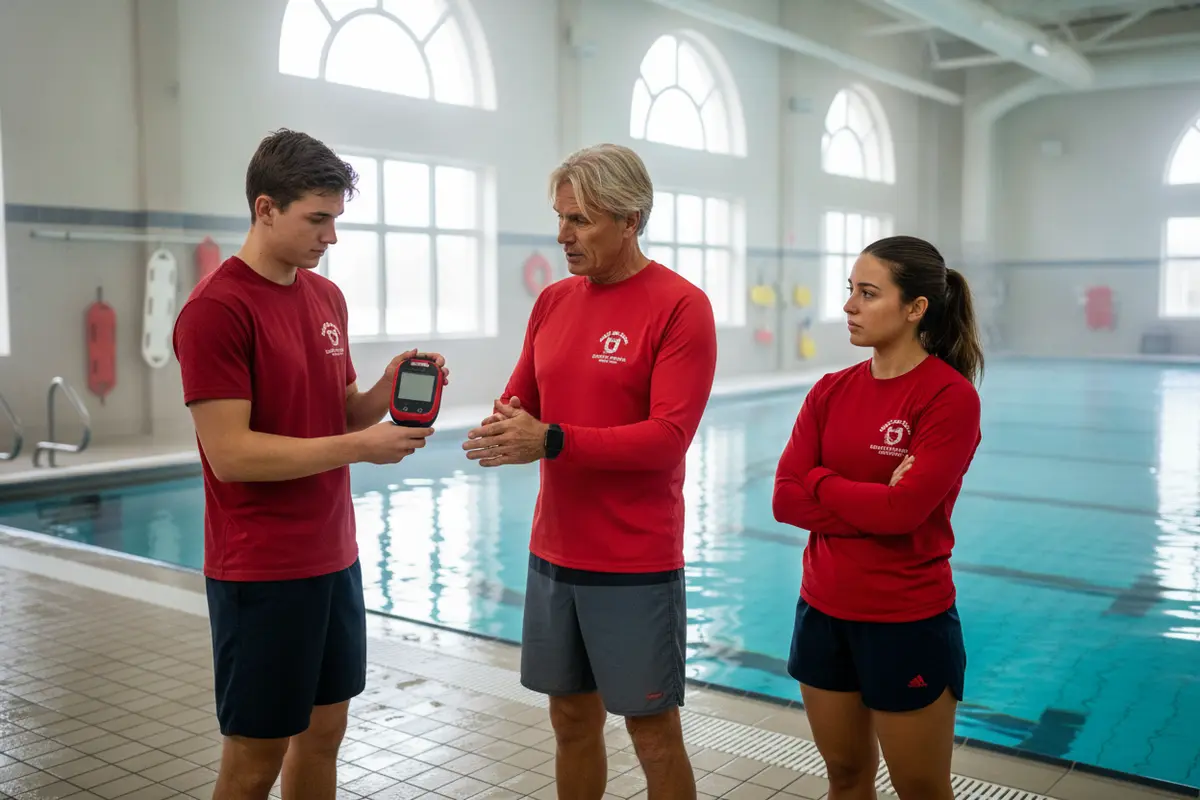
Plan for onboarding. Staff need to understand what an alert does and does not tell them, how to verify the situation, who takes the lead, and how to continue coverage while responding. Practice the workflow with the facility’s emergency procedures. Do not assume that installing equipment automatically creates a functioning response process.
Technology may be especially relevant when a facility wants to reinforce communication across a supervised aquatic environment. Compare options by their operating conditions, deployment needs, staff workflow, and support arrangements—not by a promise that any device can eliminate risk. WAVE describes a wearable approach designed to work in clear and dark or murky water and deploy without permanent construction. Confirm current product capabilities, setup details, and suitability directly with the provider before making a decision.
Leaders can review WAVE’s overview of lifeguard technology and its digital lifeguard overview for more context. When evaluating affordability, use the current WAVE pricing page rather than relying on an old quote or remembered figure. A consultation should clarify fit and requirements; it should not replace the facility’s own risk review.
How should facilities compare potential solutions?
Compare actions by the problem they address, their time to implement, and the safeguards they preserve. A hiring campaign will not fix an unclear callout process; a new device will not create qualified coverage. A balanced plan sequences immediate controls alongside longer-term workforce improvements.
The table below is a planning aid, not a ranking. A facility may need several actions at once, and local requirements and operating conditions determine what is appropriate. Use it to assign an owner, set a review date, and identify what evidence will show whether an action is working.
| Approach | Best suited to | What to put in place | What to watch |
|---|---|---|---|
| Recruitment pathway | Persistent vacancies or a limited candidate pipeline | Clear postings, local outreach, prompt communication, training pathway | Applicants who progress through each step; time from interest to readiness |
| Retention and supervision | Turnover, low morale, or recurring schedule dissatisfaction | Stay interviews, fair scheduling, accessible supervisors, specific feedback | Recurring staff concerns, attendance patterns, avoidable departures |
| Schedule and program review | Predictable peak periods or simultaneous activities | Demand-based schedules, verified qualifications, callout and capacity rules | Uncovered shifts, last-minute changes, repeated overtime, pinch points |
| Training and procedure refresh | New staff, seasonal returns, changed layouts, unclear response roles | Site orientation, drills, accessible procedures, documented follow-up | Staff readiness, drill observations, completion of corrective actions |
| Operational redesign | Conflicting programs, unnecessary interruptions, overloaded zones | Adjust timing or capacity, clarify handoffs, align teams on escalation | Whether required coverage is maintained and the change is practical |
| Assistive technology | A defined alerting or communication need in a supervised setting | Fit review, clear alert ownership, onboarding, response practice | Device readiness, staff understanding, alert workflow and contingency plan |
Do not treat one metric as the whole story. Faster hiring may still result in poor retention if shifts are unpredictable. A schedule with every position filled may still be fragile if every absence triggers a cascade. A technology trial may generate useful alerts but still need a clearer response role. Review both the measure and the operating experience behind it.
How can leaders roll out a practical staffing plan?
Use a staged rollout that moves from immediate coverage decisions to durable workforce improvements. Assign accountable owners, communicate the plan to staff, and review results at regular intervals. Preserve a clear stop rule whenever coverage does not meet the facility’s safety requirements.
A useful plan separates urgent actions from investments that take longer. In the first stage, address near-term gaps: confirm current qualifications, identify a supervisor for each operating period, establish the callout process, and define when activities must change. Keep the instructions short enough to use during a busy shift.
In the next stage, work on the staffing pipeline and experience. Refresh the job description, contact potential community partners, standardize applicant communication, and ask current staff about practical barriers. Consider training dates and onboarding capacity before setting a hiring target. A facility that recruits more people than it can orient well may not solve the underlying problem.
Then review programming and supporting systems. Bring together aquatics, operations, and program staff to examine peak demand and handoffs. If exploring a technology layer, define the use case, involve lifeguards in the evaluation, and document how alerts connect to existing procedures. For details on available WAVE offerings, the product overview and frequently asked questions are useful starting points.
Assign an owner to every action. The aquatics director may own coverage rules, a recruiter may track applicants, a supervisor may lead drills, and an operations manager may coordinate program changes. Keep roles realistic and agree on how progress will be reported. If an owner needs authority or resources they do not have, resolve that before expecting a result.
Set a recurring review cadence, such as a brief weekly check during a high-demand season and a more complete review after the season. Review shift coverage, applicant progress, staff feedback, training completion, and operational changes together. Record decisions and due dates. If a temporary measure is no longer needed, retire it; if it has become the default, assess whether it is safe and sustainable.
Facilities evaluating a new support layer can use a drowning detection system demonstration checklist to prepare questions. WAVE’s getting started resource can also help leaders identify information to gather. Confirm that any next step is appropriate to your facility and that the existing staffing plan remains in effect.
Frequently asked questions
There is no single fix for a staffing gap. The best response combines safe operating decisions with a longer-term plan for hiring, retention, training, and clear communication. These answers address common questions leaders ask while building that plan.
Can technology solve a lifeguard shortage?
No. Assistive technology can add another layer of awareness and alert staff, but it does not replace qualified lifeguards, active surveillance, rescue skills, or emergency procedures. Use technology to support a defined workflow, and maintain the staffing and operating requirements set for your facility.
What should a facility do if a scheduled lifeguard calls out?
Follow a written callout process. Notify the designated supervisor, check for an appropriately qualified replacement, and adjust the activity, capacity, or operating area if required coverage is not available. Staff should know who has authority to make that decision before a shift is affected.
Should facilities reduce hours when they cannot fill every shift?
Leaders should follow their safety policies and applicable requirements, not keep every activity open at any cost. If qualified coverage is unavailable, a facility may need to reduce capacity, change the schedule, pause an activity, or close an area. Explain the decision clearly and review how to prevent recurring gaps.
How can a facility improve lifeguard retention?
Start by asking current staff what makes shifts difficult and what would help them stay. Predictable schedules, fair shift allocation, accessible supervisors, clear procedures, and useful feedback are practical areas to review. Track themes, act on feasible changes, and communicate honestly about constraints.
How can smaller facilities recruit more candidates?
Make the role, qualifications, schedule expectations, and application steps easy to understand. Build relationships with relevant local schools, community organizations, recreation programs, and training providers. Review where candidates stop progressing and reduce avoidable delays without lowering qualification standards.
How often should a facility review its staffing plan?
Review it whenever operating hours, programs, layout, staffing availability, or procedures change. During busy seasons, brief recurring checks can identify gaps before they become routine. Also review after drills, near misses, and seasonal closeout so lessons lead to assigned follow-up actions.
Staffing pressure should trigger a deliberate review, not a race to fill shifts at any cost. By protecting required coverage, supporting current employees, building a realistic candidate pathway, and evaluating tools as an added layer, leaders can create a safer and more sustainable operating plan.
