
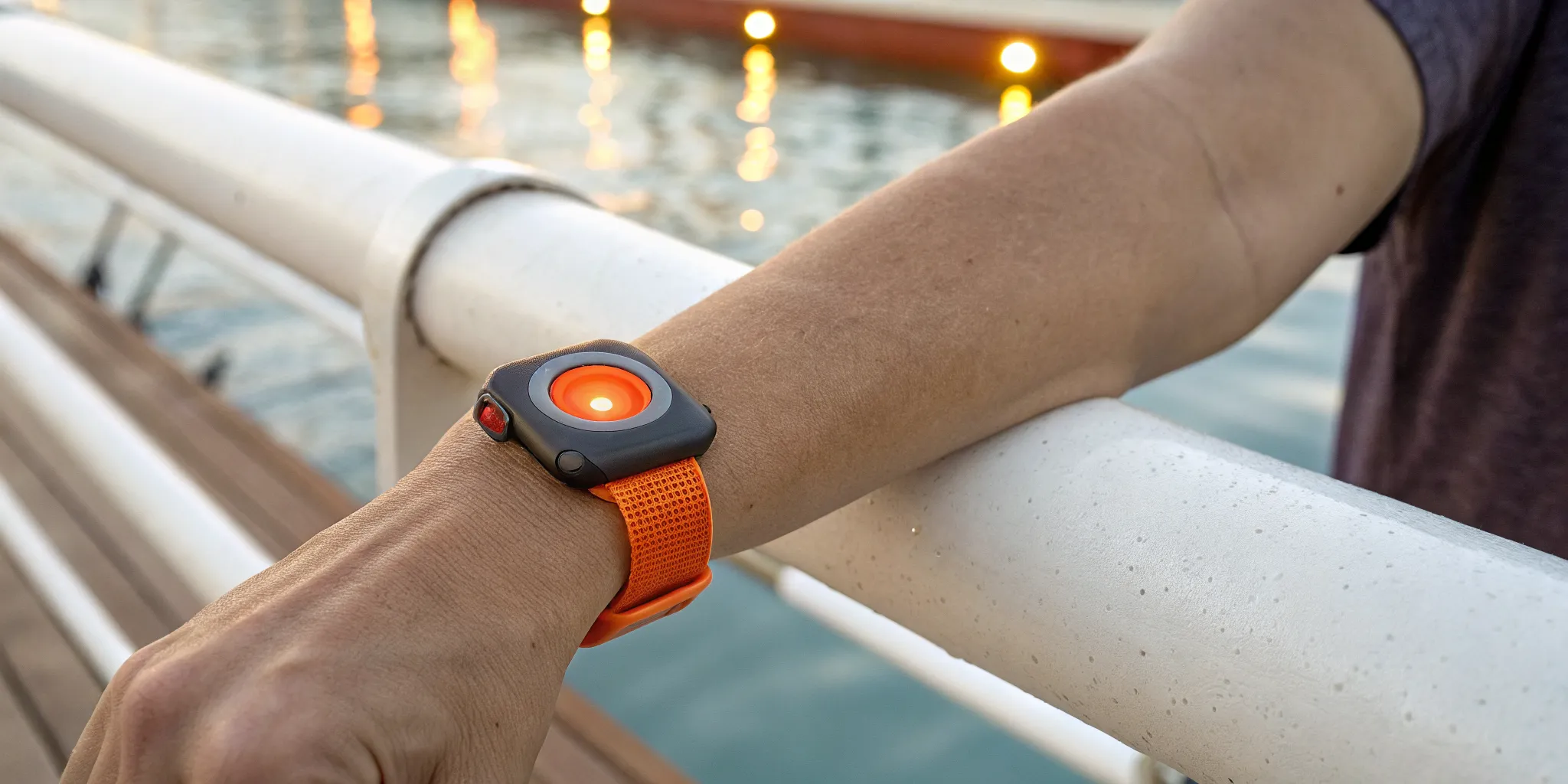
Your lifeguards are highly trained and ready to act in a split second. But even the best pros face challenges. Sun glare, murky water, and the sheer noise of a busy facility can get in the way during a critical moment. Technology doesn't replace their skill—it enhances it. A lifeguard wearable alert device acts as a silent partner, adding an extra layer of security to ensure no emergency goes unnoticed. It gives your expert team the tools for a faster, more coordinated response, creating a stronger safety net for every swimmer in your care.
Key Takeaways
- Choose reliability over complexity: Your team's safety equipment must be dependable. Prioritize essential features like a fully waterproof design, long-lasting battery life, and durable construction to ensure the device works flawlessly during a real emergency.
- Look for a fully integrated system: A wearable alert is most powerful when it connects your entire team. Select a system that links all on-duty staff to a central hub, ensuring everyone is notified instantly for a coordinated and effective response.
- Value automatic alerts for faster rescues: The best systems remove the burden of manual activation from the rescuer. An automatic alert, triggered when a lifeguard enters the water, allows them to focus completely on the swimmer while the system instantly mobilizes backup.
What Are Lifeguard Wearable Alert Devices?
Lifeguard wearable alert devices are safety tools that lifeguards wear while on duty. Think of them as a high-tech partner, designed to give lifeguards an extra layer of support and speed up communication when every second is critical. These devices are not meant to replace a lifeguard’s skill and vigilance; instead, they enhance their ability to respond to emergencies quickly and effectively. By providing instant alerts and seamless communication, wearables help bridge the crucial gap between spotting an incident and getting backup.
These tools are part of a larger, integrated safety system that connects lifeguards to each other and to a central hub. When an emergency happens, the wearable can automatically or manually trigger an alarm, notifying the entire team and management instantly. This immediate, facility-wide communication ensures a coordinated and rapid response. It removes the uncertainty of relying on whistles or shouting, creating a more reliable and efficient safety net for swimmers and staff alike. The goal is to equip highly trained lifeguards with technology that helps them perform their life-saving duties even better.
How Do These Lifeguard Devices Work?
At their core, these devices are all about instant communication. They use different triggers to send alerts when a situation requires attention. For example, some systems automatically send out a rescue alert the moment a lifeguard enters the water to perform a rescue. This automatic detection means help is on the way without the guard having to do anything extra.
Many wearables also include a manual panic button. This feature allows a guard to signal for help discreetly and immediately without having to shout or leave their post. Whether the alert is triggered automatically by an action or manually by the lifeguard, the signal is sent instantly to a central system and other staff members, ensuring the whole team is aware of the situation and can respond accordingly.
Common Types of Lifeguard Wearable Tech
Wearable alert technology comes in a few different forms, all designed to be non-intrusive and durable enough for the aquatic environment. You’ll typically find them as small tags that clip onto a uniform, comfortable silicone bracelets, or even integrated into a lanyard. These devices are always waterproof, lightweight, and built to withstand the daily demands of a lifeguard’s job, so they never interfere with their movement or ability to perform a rescue.
These individual pieces of hardware are key components of a comprehensive drowning detection system. They work in tandem with a central hub and other sensors to create a complete safety network for the entire facility. By connecting each lifeguard through a wearable device, you ensure that your team is always linked and ready to act as a unified force.
How Are These Different from Personal Medical Alerts?
It’s easy to confuse a lifeguard wearable with a personal medical alert, but they serve fundamentally different roles. A personal medical alert is designed for an individual, connecting them to a remote call center for various health emergencies. In contrast, a lifeguard wearable is a professional tool for an entire team, built for immediate, coordinated action within a specific aquatic facility. While both are life-saving technologies, their core purpose, communication systems, and response protocols are tailored for completely different environments, making one a tool for personal health and the other a critical component of professional aquatic safety.
On-Site vs. Remote Monitoring Centers
The biggest difference lies in where the alert signal goes. A personal medical alert sends a signal to an off-site monitoring center, which then contacts emergency services or a designated caregiver. This process has built-in delays. A lifeguard wearable, however, is part of a closed-loop, on-site system. When an alert is triggered, it instantly notifies a central hub and every other staff member connected to the system within the facility. This ensures the entire on-duty team is aware of the situation in real-time, allowing for an immediate, unified response without relying on outside communication. For aquatic emergencies where every second is critical, this direct, on-site communication is non-negotiable.
Must-Have Features for Your Lifeguard Alert Device
When you’re responsible for the safety of every person in the water, the equipment your team uses has to be absolutely reliable. Lifeguard wearables are a significant step forward in aquatic safety, but not all devices are built the same. The right technology can make the difference between a close call and a tragedy, so it’s important to look past the marketing and focus on the core features that truly support your lifeguards.
A good wearable alert device does more than just sound an alarm. It acts as a central piece of your entire safety ecosystem, connecting your team and speeding up your emergency action plan. From the physical design of the device to how it communicates with your central hub, every detail matters. As you evaluate your options, consider how each feature will perform under the pressure of a real emergency. Let’s walk through the essential features you should look for to ensure you’re choosing a system that offers complete protection.
Prioritizing a Durable, Waterproof Design
This might seem obvious, but a wearable’s ability to withstand water is its most fundamental feature. Look for a device that is not just water-resistant but fully waterproof and built to handle constant exposure to a pool environment, including treated water and sunlight. The device should be durable enough to handle the daily bumps and scrapes that come with active lifeguarding. A well-designed wearable panic button is specifically engineered to function flawlessly in wet conditions, so your team can act decisively without ever worrying about equipment failure.
Why Instant Alerts and Connectivity Matter
In an emergency, every second counts. A wearable’s most critical job is to send an immediate alert that reaches your entire response team, not just the lifeguard involved. Look for systems that provide instant, real-time notifications to a central hub and other staff members. For example, WAVE’s Lifeguard Alert equipment automatically sends a rescue alert the moment a guard enters the water for a rescue. This instant connectivity ensures everyone on duty is aware of the situation and can provide backup, clear the pool, or call for emergency services without delay.
The Critical Role of Response Time in Drowning Prevention
When someone is in distress in the water, the timeline for a successful rescue is incredibly short. The chaos of a busy aquatic facility can make traditional communication methods, like whistles or shouting, unreliable. This is where the speed of your response system becomes paramount. An effective alert device doesn't just notify one person; it mobilizes the entire team instantly. By sending a signal to a central hub and all connected staff, it ensures a swift and coordinated response. This immediate, facility-wide awareness allows your team to execute their emergency action plan without hesitation—one guard can focus on the rescue while others manage crowd control and contact emergency services, dramatically improving the chances of a positive outcome.
How Long Does the Battery Last?
A safety device is only effective if it’s powered on and ready to go. Constant charging and battery swaps can create gaps in coverage and add another task to your team’s plate. Prioritize wearables with a long battery life to ensure they are always operational during shifts. Some of the best systems on the market are designed for longevity. The GUARDian Lifeguard Tags, for instance, have a battery that can last up to 12 months, which means your team can trust their equipment is always ready when they need it most.
The Importance of Automatic Activation and Panic Buttons
The best systems offer multiple ways to signal for help. Automatic activation is a game-changing feature that triggers an alert without requiring any action from the lifeguard, such as when they jump in the water for a rescue. This is vital in high-stress situations where a guard’s focus is entirely on the person in distress. At the same time, a manual panic button is an essential feature for situations that don’t involve a water entry. The button should be easy to press but designed to prevent accidental activation, giving your team a reliable way to call for backup.
Automatic Drowning Detection vs. Manual Alerts
A comprehensive safety system should offer both automatic and manual alert options, as they serve different but equally important purposes. A manual panic button gives lifeguards the power to discreetly call for backup in situations that don't require them to enter the water, such as a medical event on the pool deck or a developing conflict. It’s a proactive tool for managing incidents before they escalate. On the other hand, automatic detection is crucial for in-water rescues. When a lifeguard jumps into the water, the system automatically triggers an alarm, instantly notifying the entire team. This removes the burden of manual activation from the rescuer, allowing them to focus completely on the swimmer while the system mobilizes a coordinated response.
Will It Integrate With Your Current System?
A lifeguard wearable shouldn’t be a standalone gadget. It should be part of a fully integrated safety network that connects your entire facility. The most effective systems create a web of protection that links lifeguards, facility staff, and even swimmers through a central hub. This level of integration is key to how it works to create a coordinated response. When all your safety components communicate with each other, you get a clearer picture of any incident and can manage your team’s response with greater speed and organization, improving safety for everyone.
Precise In-Water Location Tracking
Knowing an emergency is happening is only half the battle; knowing where it’s happening is just as critical. In a large or crowded aquatic facility, pinpointing the exact location of an incident saves precious time. The most advanced systems provide precise location tracking, guiding your response team directly to the spot. This feature is especially powerful when combined with Swimmer Alert wearables, which can identify a swimmer in distress and show their location on a facility map. This level of detail allows your team to bypass the search and go straight to the rescue, ensuring the fastest possible response when seconds are everything.
System Management for Facility Operators
An effective alert system should simplify your operational tasks, not complicate them. Look for a solution that offers a centralized management platform, giving you a complete overview of your entire safety network from a single dashboard. From this command center, you should be able to monitor the status of all devices, check battery levels, and review incident logs. The WAVE GUARDian Hub, for example, provides facility operators with real-time data and historical reports. This not only helps in managing emergencies but also offers valuable insights for training, staffing, and improving your overall safety protocols, making your facility safer and easier to manage.
Which Lifeguard Wearable Alert Device is Best?
When you’re ready to add a layer of technology to your safety protocols, you’ll find a few different types of wearable devices on the market. Understanding the key differences in how they operate will help you choose the right fit for your facility and your team.
Spotlight: The WAVE GUARDian Lifeguard Alert
The WAVE system is designed around a simple but powerful idea: if a lifeguard goes in the water, it’s an emergency. The GUARDian Lifeguard Alert uses a small, waterproof tag that attaches directly to a lifeguard’s suit or rescue tube. The moment that tag is submerged, it automatically triggers an alert.
This signal is instantly sent to the rest of the team through vibrating bracelets worn by other guards on duty. At the same time, the main GUARDian Hub sets off both audio and visual alarms throughout the facility. This automated, immediate response system cuts through the noise and chaos of a potential incident, ensuring the entire team is aware and can act in seconds. It’s a complete system built for faster, more coordinated rescues.
What to Look for in Other Systems
As you explore other options, you’ll likely come across wearable panic buttons. These devices are typically small, waterproof, and require a lifeguard to manually press a button to signal an emergency. Some may also include features like fall sensors or the ability to float. While a manual button is better than no alert at all, it relies on the lifeguard being able to physically activate it during a high-stress situation.
When evaluating any system, ask yourself if it relies on manual or automatic activation. Consider whether it alerts the entire team simultaneously or just a central desk. A system that automates the alert process, like the WAVE GUARDian System, removes a step for the rescuer, allowing them to focus completely on the person in distress.
A Side-by-Side Feature Comparison
Even the most vigilant lifeguards can face challenges with detection. Studies on traditional surveillance show that lifeguards typically spot a submerged manikin within about 30 seconds. While that’s fast, every second is critical in a drowning scenario. Technology offers a way to support and enhance those human skills.
The real value of a system like WAVE is the confidence and support it provides. In a recent study, an overwhelming 93% of lifeguards strongly agreed that using the WAVE Drowning Detection System could help save someone’s life. By providing an instant, facility-wide alert, the system acts as a safety net, confirming that a rescue is underway and mobilizing the entire team to respond effectively.
Breaking Down the Cost and Value of Wearable Alerts
When you're considering a wearable alert system, it's easy to focus on the price. But the real conversation is about value. Investing in this technology is an investment in your swimmers' safety and your staff's effectiveness. The right system can transform your emergency response protocols and provide an essential layer of protection. The cost structures for these systems can vary, so it helps to understand the different models and what you get at each level. This way, you can find a solution that fits your facility's budget and safety goals.
Entry-Level or Pro-Grade: Which is Right for You?
Not all wearable alert systems are created equal. You'll find a range of options, from basic personal alarms to fully integrated, professional-grade systems. While simpler devices might seem appealing for their lower cost, they often lack the robust features needed for a busy aquatic environment. Professional systems, on the other hand, are designed for reliability and comprehensive coverage. For example, WAVE’s GUARDian Lifeguard Alert bundle is a professional solution that starts at $149 per month. For facilities wanting to connect swimmers as well, the complete system starts at $299 per month. The best way to understand the difference is to see it for yourself, which is why we always recommend you book a meeting to see how a professional system operates.
Subscription vs. One-Time Fee: What's the Difference?
How you pay for a system is just as important as what you pay. Traditionally, you might expect a large, one-time purchase for the hardware. However, many modern systems now operate on a subscription model, sometimes called "Rescue-as-a-Service." This approach makes advanced technology more accessible by replacing a hefty upfront cost with a predictable monthly fee. These plans often include critical services like ongoing support, staff training, and initial setup, so you're not left on your own after installation. WAVE’s pricing structure follows this model, ensuring your team is always supported and your system is always up-to-date without unexpected expenses.
Is a Lifeguard Wearable Worth the Investment?
Ultimately, the decision comes down to whether the benefits justify the cost. A wearable alert system does more than just sound an alarm; it creates a connected safety network. The WAVE system is designed to give lifeguards real-time assistance by automating alerts, which helps organize and speed up rescues. It links lifeguards, facility staff, and even swimmers into one cohesive unit, minimizing the potential for human error. A recent study found that 93% of lifeguards strongly agree that using the WAVE system could help save a life. When you look at it that way, the value of an effective alert system becomes crystal clear. It’s a proactive tool for protecting lives.
How Wearable Alerts Improve on Traditional Lifeguarding
Even the most experienced lifeguards can benefit from an extra layer of support. Wearable alert devices are not about replacing skilled professionals; they are about equipping them with advanced tools to enhance their life-saving capabilities. By integrating technology into daily operations, aquatic facilities can create a safer environment for everyone. These systems work alongside your team to speed up response times, improve communication, and provide a reliable safety net when every second is critical.
Enable a Faster Emergency Response
In any water-related emergency, a fast response can make all the difference. Traditional methods rely on a lifeguard spotting a swimmer in distress and then signaling for help, which can take precious time. Wearable alert systems close this gap by instantly notifying the entire team. For example, the WAVE system offers digital safety tools that automatically send out rescue alerts the moment a lifeguard enters the water to perform a rescue. This immediate, facility-wide notification ensures that backup is on the way without a single moment lost, turning a solo response into a coordinated team effort from the very first second.
Strengthen Team Communication and Coordination
Clear communication is essential during a chaotic rescue situation. At a busy aquatic center, whistles and shouts can easily be lost in the noise. Wearable alerts solve this problem by creating a direct line of communication between every lifeguard on duty. When one guard is alerted to an issue, the main GUARDian Hub at the facility can trigger audio and visual alarms. Simultaneously, other lifeguards wearing alert bracelets receive a silent, vibrating notification. This ensures everyone is aware of the situation and their role in the response plan, allowing for seamless coordination without confusion or delay.
Reduce the Risk of Human Error
Lifeguarding is a high-stakes job that demands constant vigilance. Factors like sun glare, water conditions, and simple human fatigue can make it challenging to monitor every swimmer perfectly at all times. A drowning detection system acts as a reliable second set of eyes, constantly monitoring for signs of distress. This technological backup helps reduce the chances of an incident being missed. In fact, a recent study showed that 93% of lifeguards strongly agree that using the WAVE system could help save a life. This added layer of protection supports your team and gives them greater confidence in their ability to keep swimmers safe.
Streamline Facility Operations
Beyond immediate safety benefits, a wearable alert system can also improve the overall management of your aquatic facility. A wireless and user-friendly system like the GUARDian Lifeguard Alert can help reduce operational expenses by creating more efficient response protocols. The data collected by these systems can also be used for training purposes, helping you identify areas for improvement in your team’s emergency procedures. By investing in modern safety technology, you not only protect your patrons but also demonstrate a commitment to the highest standards of care, which can enhance your facility’s reputation and operational efficiency.
Getting Started with a Wearable Alert System
Bringing a wearable alert system into your facility is more than just a purchase; it’s an operational upgrade. A successful rollout involves preparing your team, setting up the technology correctly, and understanding the partnership with your provider. When you get these pieces right, the system becomes a seamless and effective part of your safety protocol, giving your lifeguards the support they need to act decisively.
Preparing Your Staff for Wearable Tech
Your lifeguards are your first line of defense, and technology is there to support them. Because major water emergencies are infrequent, consistent training is key to keeping your team sharp and ready. Your training program should cover how to use the new wearable alerts within your existing emergency action plan. Teach your staff how the automatic alerts work and how to use manual panic buttons. It’s important to frame the technology as a tool that enhances their skills, helping them spot swimmers in distress and respond faster, not as a replacement for their vigilance and training.
What to Expect for Setup and Maintenance
Getting your system up and running should be a straightforward process. WAVE’s Lifeguard Alert equipment, for example, is designed for easy integration. The system automatically sends out a rescue alert when a lifeguard’s wearable tag is submerged, instantly notifying the rest of your team. Routine maintenance is simple but critical. You’ll want to perform regular system checks to ensure everything is connected and functioning. It’s also helpful to know the battery life of your devices. For instance, the GUARDian Lifeguard Tags last for 12 months, making it easy to schedule replacements and avoid any gaps in coverage.
What to Look for in Contracts and Support Plans
Before you commit to a system, make sure you understand the costs and the support you’ll receive. Many providers offer subscription-based models, like WAVE’s Professional plan, which bundles the hardware, software, and ongoing support. I always recommend scheduling a demo to see the system in action and ask specific questions about how it will work in your unique environment. You should also ask about integrations. A great system will work with your existing communication tools to automatically notify key responders, helping your team coordinate a fast and effective emergency response.
Related Articles
- Lifeguard Equipment for Saving Lives
- Drowning Prevention Technology: A Facility Guide
- Drowning Prevention Systems by WAVE
- Anti-Drowning Wearable: A 2026 Buyer's Guide
- How to Buy Swimmer Safety Wearables: A 2026 Guide
Frequently Asked Questions
Do these wearable alerts replace the need for skilled lifeguards? Absolutely not. Think of these devices as a high-tech partner for your already skilled team. They are designed to support, not replace, a lifeguard's training, vigilance, and judgment. The technology enhances their ability to respond by automating communication and ensuring the entire team is instantly aware of an emergency, which allows for a faster, more coordinated rescue.
What's the real advantage of an automatic alert over a manual panic button? While a manual button is a helpful feature, an automatic alert removes a critical step for a lifeguard during a high-stress rescue. When a guard enters the water, their focus is entirely on the person in distress. An automatic system, like one that triggers when submerged, sends the alert for them, so they don't have to think about anything other than performing the rescue.
How complicated is it to train our staff on a new system like this? The best systems are designed to be intuitive and integrate smoothly into your existing emergency action plans. Training typically focuses on understanding how the alerts work and how to respond as a unified team. Since the technology is meant to simplify communication, most teams find it easy to adopt. It quickly becomes a natural part of their safety protocol rather than an extra burden.
What happens if a lifeguard accidentally sets off an alarm? This is a common concern, and system designers plan for it. Most systems have a straightforward protocol for canceling a false alarm directly from the central hub. It's a good practice to include this scenario in your staff training. This way, your team knows exactly how to reset the system quickly without causing unnecessary panic, ensuring it is immediately ready for a real event.
How does this system benefit the entire facility, not just the individual lifeguard? A wearable alert is just one piece of a larger, connected safety network. When an alert is triggered, it doesn't just notify one person. It sends a signal to a central hub that can activate facility-wide audio and visual alarms, and it can also send vibrating alerts to other staff members. This creates a unified response where everyone knows an incident is happening and can act immediately, from clearing the pool to calling for emergency services.
