
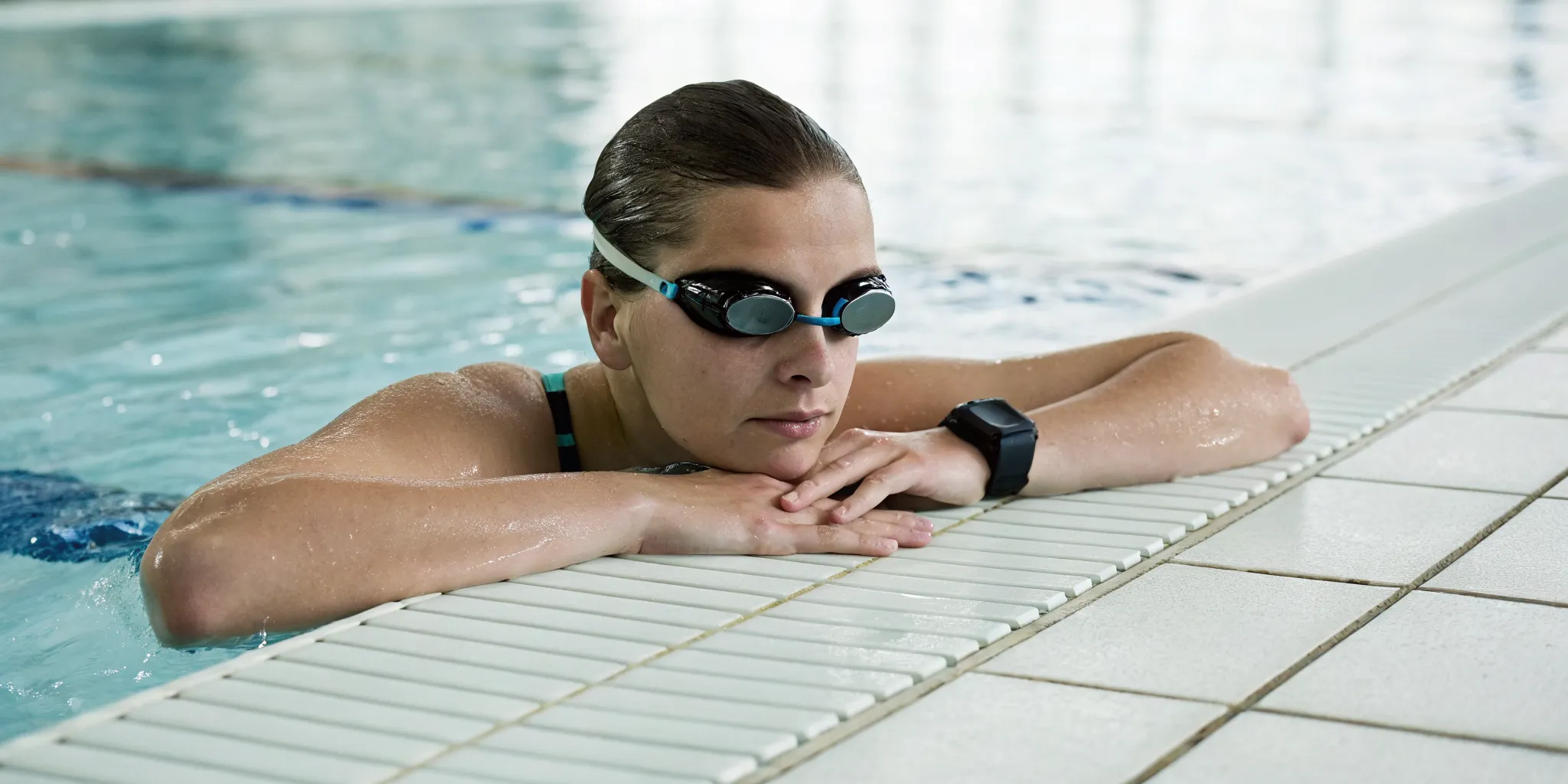
Your lifeguards are your first line of defense, but even the best can't see everything. Drowning is often silent and happens in seconds. This is where a drowning prevention wearable becomes an essential second set of eyes. This smart, multi-sensor device is designed to detect distress in swimmers, providing the critical data your team needs. It offers real-time swimmer monitoring, alerting your staff to potential danger before it's visible to the naked eye. It’s not about replacing your guards—it’s about empowering them with technology to create a stronger, more complete circle of safety for every person in your pool.
Key Takeaways
- Support Your Lifeguards, Don't Replace Them: Wearable sensors act as a reliable partner for your team, providing an extra set of eyes on every swimmer to help overcome visual challenges like sun glare, blind spots, and crowded water.
- Enable Faster, More Precise Rescues: By tracking each swimmer individually, the system sends immediate, location-specific alerts directly to your staff, which eliminates guesswork and allows your team to respond directly to the person in need.
- A Successful Rollout Requires a Plan: To effectively integrate this technology, you need to create clear emergency protocols, provide thorough staff training, and educate swimmers on the benefits to ensure high adoption and a stronger safety culture.
Understanding the Reality of Drowning
When you manage an aquatic facility, swimmer safety is your top priority. But many of the common ideas about drowning come from movies—lots of splashing, yelling, and waving for help. The truth is much quieter and happens far more quickly. Understanding the real nature of drowning is the first step in building a truly effective safety plan. It’s not about questioning your team's ability, but about equipping them with a deeper knowledge of the risks they work so hard to prevent. This understanding helps shift the focus from simply reacting to incidents to proactively creating an environment where every swimmer is accounted for, every second.
The Staggering Statistics
The numbers surrounding drowning are sobering. The World Health Organization lists drowning as one of the top ten causes of unintentional death worldwide. What’s most alarming for anyone overseeing a body of water is the speed at which it can occur. A person can become submerged and be in critical distress in as little as 20 to 60 seconds. That’s less time than it takes to scan a crowded pool from one end to the other. This small window of time highlights the immense pressure on lifeguards and the critical need for immediate detection. It’s a reality that underscores why even the most well-staffed facilities can benefit from an additional layer of protection.
Why Drowning Is Fast and Silent
Contrary to what many believe, a person who is drowning is often physically unable to call for help. Their body is engaged in a desperate, instinctive struggle to breathe. All of their energy is focused on trying to keep their mouth above water, and the respiratory system's primary function takes over, making speech or shouting impossible. This silent struggle means there’s no waving, no splashing, and no yelling to alert a lifeguard. It’s a quiet, urgent crisis that can be incredibly difficult to spot with the naked eye, especially in crowded or sun-glared water. This is precisely why drowning detection technology is so vital; it provides a way to identify distress even when a swimmer can't signal it themselves.
What Is a Drowning Prevention Wearable?
Wearable sensors are a game-changer for aquatic safety, acting as a dedicated spotter for every person in the water. Think of them as a smart, vigilant partner for your lifeguards. These small, lightweight devices are worn by swimmers, often as a headband or goggle attachment, to continuously monitor their status while they enjoy your facility. The core purpose of this technology is to provide an extra layer of protection that helps catch signs of distress that the human eye might miss. This is especially valuable in challenging conditions, like a busy pool on a summer day or in water with low visibility.
It's important to remember that these modern safety systems are not about replacing your skilled staff. They are a support tool. They give your team powerful resources to respond faster and with more confidence when every second counts. By tracking each swimmer individually, the system can identify potential emergencies as they happen, giving your lifeguards the critical information they need to act decisively and effectively. This technology bridges the gap between what a lifeguard can see and what might be happening just below the surface, creating a safer environment for everyone.
How Do They Monitor Swimmers in Real Time?
The magic of these systems is in their constant, real-time communication. Each wearable sensor tracks its swimmer and sends data to a central hub. The system is always looking for signs of trouble, particularly if someone is submerged for too long or stops moving in a way that suggests distress. If the system detects a potential issue, it sends immediate, loud, and visual alerts to your lifeguards. These alerts pinpoint exactly where the swimmer is, cutting down on search time. The GUARDian System, for example, can send an alert message directly to a lifeguard's connected device, ensuring no warning goes unnoticed.
What Metrics Do They Track to Detect Distress?
To determine if a swimmer is in danger, these devices track several key indicators. A Swimmer Alert wearable typically measures four important things: heart rate, blood oxygen level (SpO2), movement, and water depth. If any of these measurements fall outside of safe, pre-set limits for a specific duration, the device flags the swimmer as being at risk. For instance, a prolonged period of no movement while submerged would trigger an immediate alert. This multi-faceted approach provides a comprehensive picture of a swimmer's well-being, allowing the system to differentiate between active swimming and a genuine emergency with high accuracy.
Choosing the Right Drowning Detection System
When you're looking into wearable sensors, you'll find they aren't a one-size-fits-all solution. The best technology works together as a system, with different components designed for specific jobs. Understanding these types helps you build a safety net that's perfectly suited for your facility and your swimmers.
Individual Wearables for Personal Monitoring
Personal swimmer wearables are devices that swimmers wear directly, like a lightweight headband or a clip for their goggles. These trackers are designed to monitor a swimmer’s submersion time. If someone stays underwater longer than a preset, safe limit, the device automatically sends an alert. This creates a direct line of communication from the swimmer to your safety staff, ensuring that a potential distress situation gets immediate attention. These Swimmer Alert wearables are a key layer in a modern safety system, giving every individual in the water their own digital spotter and adding crucial backup for your lifeguards on duty.
Integrated Systems for Full Facility Coverage
While personal wearables focus on the individual, facility-wide systems create a comprehensive safety net across your entire aquatic area. Think of it as a network that connects every swimmer’s wearable to a central hub. This system constantly monitors the status of everyone in the water, providing your team with a complete overview of the pool. The GUARDian System is a great example of this, as it can pinpoint exactly which swimmer is in distress and where they are located. This approach turns individual alerts into coordinated, facility-wide intelligence that empowers your lifeguards to act decisively.
Camera-Based Surveillance Systems
Beyond wearables, another form of technology you might encounter is camera-based surveillance. These systems use strategically placed cameras, often underwater or overhead, to provide a constant visual feed of the swimming area. The goal is similar to other safety systems: to offer an additional layer of monitoring to support your lifeguards. Unlike wearables that track an individual's specific biometrics or submersion time, camera systems analyze video footage of the entire pool to identify patterns that might indicate a swimmer in distress. They represent a different approach to the same problem, focusing on observing the environment as a whole rather than monitoring each person individually. Understanding how they work can help you decide if they fit into your facility's overall safety plan.
How They Work and What They Cost
Camera-based systems use sophisticated software to analyze the video feed in real time. If the program detects a swimmer who has been motionless on the pool floor for a predetermined amount of time, it triggers an alarm for your lifeguard staff. This technology can be particularly useful in clear water where cameras have an unobstructed view. The cost of these systems can vary widely, as it depends on the size of your aquatic facility, the number of cameras needed for full coverage, and the complexity of the software. It's an investment that requires careful consideration of your budget and the specific layout of your pools. As with any safety tool, they are designed to enhance your team's capabilities, not replace their critical judgment.
Using Camera Data to Evaluate Staff Performance
One of the key advantages of a camera system is its ability to record events, which provides a valuable resource for staff training and performance reviews. After a rescue drill or an actual incident, you can review the footage with your team to analyze response times and procedural effectiveness. This objective data offers clear insights into what went well and where improvements can be made in your emergency action plan. Using video playback as a coaching tool helps your lifeguards see their performance from a different perspective, reinforcing best practices and building a more confident, prepared, and efficient team. It transforms every event into a learning opportunity to strengthen your facility's safety culture.
Other Pool Safety Alarms and Sensors
A truly robust safety plan relies on multiple layers of protection working in harmony. While wearables and cameras are powerful tools, other alarms and sensors also play a role in creating a comprehensive safety net. These can include gate alarms that signal when someone enters the pool area unexpectedly or pressure sensors on the pool floor. However, the most effective strategies include technology that monitors the swimmers themselves. This is where personal devices like the Swimmer Alert become so crucial. By tracking each person directly, they provide a layer of protection that follows the swimmer everywhere, overcoming challenges like blind spots or crowded water and ensuring your lifeguards get the specific, immediate alerts they need to prevent a tragedy.
How Smart Equipment Adds Another Layer of Safety
Smart aquatic equipment refers to the hardware that powers your entire safety network. This includes the central hubs that process data from wearables and the alert devices that get critical information to your staff. For instance, a dedicated Lifeguard Alert device can vibrate or flash, immediately notifying a guard of an incident without creating panic among other swimmers. This equipment is the backbone of the system, ensuring that the data collected by wearables is translated into fast, actionable alerts for your team, helping them respond with speed and precision when every second counts.
Wearable Sensors vs. Lifeguards: A Comparison
Lifeguards are the foundation of water safety, but even the most experienced guards have human limitations. Think of wearable sensors not as a replacement, but as a dedicated partner. This technology adds an essential layer of protection, helping your lifeguards perform their jobs more effectively, especially in challenging conditions. It’s about pairing the irreplaceable judgment of a human guard with the constant, data-driven watchfulness of technology to create the safest possible environment for every swimmer. This combination helps address the natural limits of visual scanning and bridges critical safety gaps, giving your team the tools to handle common environmental challenges.
By integrating wearable tech, you empower your lifeguards with information they can't get from sight alone, allowing for faster, more confident responses when every second is critical. It transforms the safety dynamic from purely reactive to proactively informed. Instead of relying solely on what can be seen from the guard stand, your team gets precise data directly from each swimmer. This continuous stream of information means that even a momentary distraction or a blind spot in the pool won't leave a swimmer unmonitored. It’s a powerful way to support your staff, reduce the potential for human error, and demonstrate a commitment to the highest standard of care at your facility.
Why the Human Eye Isn't Always Enough
A lifeguard’s vision is their most critical tool, but it isn’t foolproof. Glare from the sun, cloudy water, or a packed pool can easily create blind spots where a swimmer in distress might go unnoticed. Even a brief distraction is enough to miss a crucial moment. Camera systems often run into these same issues, as their views can be blocked by the very conditions that make monitoring most difficult. Wearable technology gets around these visual barriers by monitoring each swimmer directly. This provides a consistent safety net no matter how busy the surface gets, ensuring that you have reliable water safety devices working for you.
Using Tech to Fill Critical Safety Gaps
Modern safety systems serve as a dedicated spotter for every person in the water, offering the constant monitoring and real-time alerts that help lifeguards respond with greater speed and confidence. Advanced wearables can even tell the difference between playful underwater swimming and the movements associated with distress. When the system detects a potential problem, it sends an immediate notification to your team. This allows your staff to know exactly who needs help and where they are, turning a reactive situation into a proactive rescue. The GUARDian system is designed to be that extra set of eyes, supporting your team when every second counts.
Cutting Through Glare, Crowds, and Murky Water
One of the biggest advantages of wearable tech is how well it performs in conditions that challenge human vision. Because each swimmer wears a small device, the system directly tracks vital information like how long they are submerged. This works reliably in all kinds of water, from crystal-clear pools to darker, more murky bodies of water. A crowded swim session or the sun's bright glare won't interfere with the sensor's ability to collect data. Our Swimmer Alert wearables are built to provide accurate readings in tough water conditions, making sure your safety protocols remain effective no matter what the environment looks like on a given day.
Key Features of an Effective Drowning Prevention Wearable
When you’re responsible for every person in the water, choosing to add a layer of safety technology is a significant decision. With a growing number of products available, it’s important to look past the marketing and focus on the features that will genuinely support your team and protect your swimmers. The right system does more than just sound an alarm; it integrates seamlessly into your facility’s operations, empowers your lifeguards with critical information, and provides an invaluable second set of eyes on every individual. A truly effective system is one your team can trust and your patrons can wear comfortably.
Think of it as a partnership. Your lifeguards are your first line of defense, and their skill and vigilance are irreplaceable. The right technology works alongside them, covering blind spots and monitoring every swimmer simultaneously, something that is physically impossible for the human eye to do. It should filter out the noise, distinguishing between playful splashing and the subtle signs of distress, so that when an alert is triggered, your team knows it’s real. Before you invest, consider how a system works from end to end, from the moment a swimmer puts on a device to the way an alert is delivered to your staff. The goal is to find a solution that enhances your existing safety protocols without adding unnecessary complexity.
Demand Real-Time Data and Pinpoint Accuracy
The single most important feature of any swimmer safety wearable is its ability to monitor swimmers and deliver alerts in real time. A system that only provides data after an incident is a tracking tool, not a life-saving one. When a swimmer is in distress, every second counts. Your system must be able to detect a problem the moment it happens and immediately send a clear, unmistakable alert to your staff.
Just as crucial is accuracy. A system that constantly triggers false alarms from normal swimming or horseplay will quickly lead to alert fatigue, and your lifeguards may become desensitized to the warnings. Look for technology that can intelligently differentiate between various movements and identify the specific patterns associated with distress. This precision ensures that when the GUARDian Hub sends an alert, your team trusts it and responds with the urgency required.
Understanding Sensor Accuracy and Alert Times
Let's break down what sensor accuracy really means for your team. It’s a two-part equation: the system must be sensitive enough to catch genuine signs of distress, but also smart enough to ignore playful splashing and normal swimming. This is where the problem of "alert fatigue" comes in. If a system constantly sends false alarms, your lifeguards will naturally start to tune them out, which defeats the entire purpose of the technology. A truly effective system is designed to differentiate between normal activity and real danger by analyzing multiple data points at once, like submersion time and lack of movement. This intelligent filtering ensures that when an alert does sound, your team trusts it and can react instantly, knowing it’s a credible threat.
Ensure It's Built to Last in the Water
An aquatic facility is a demanding environment for any piece of technology. Your safety wearables will be exposed to pool chemicals, constant moisture, and daily handling by swimmers and staff. Because of this, durability and water resistance are non-negotiable. The equipment must be completely waterproof and built from materials strong enough to withstand the rigors of daily use. Ask potential providers about the materials used and the testing they undergo to ensure longevity.
Beyond toughness, consider the comfort and design of the Swimmer Alert wearables. A device is only effective if swimmers agree to wear it. Bulky, heavy, or uncomfortable trackers will face resistance from patrons, especially children. Look for lightweight designs made from flexible, skin-friendly materials like medical-grade silicone. The ideal wearable is one a swimmer can put on and forget is even there, allowing them to enjoy their time in the water while being continuously protected.
Set Up Alerts That Work for Your Staff
Every facility has unique zones, activities, and swimmer demographics, so a one-size-fits-all alert system simply won’t cut it. The ability to customize alerts is vital for effective emergency response. Your system should allow you to adjust safety thresholds based on a swimmer's health profile, age, or swimming ability. This ensures you can provide appropriate oversight for a swim lesson of toddlers in the shallow end and a competitive team practice in the lap lanes.
You should also consider how the alerts are delivered. A flashing light at a central station is a start, but the most effective systems send notifications directly to the lifeguards on duty. Technology like WAVE’s Lifeguard Alert equipment ensures that the staff members closest to a swimmer in distress receive an immediate, discreet notification on a personal device, telling them exactly who needs help and where. This direct line of communication shaves critical seconds off response times.
Prioritize a Simple, User-Friendly Design
New technology should make your lifeguards' jobs easier, not more complicated. The most advanced system in the world will fail if it isn't intuitive for your team to use during a busy shift. When evaluating options, look for a straightforward interface and simple operational procedures. Training your staff on the system should be a simple process, allowing them to feel confident and in control from day one. The technology should feel like a natural extension of their skills, not another screen to manage.
The experience for your swimmers is just as important. The process of checking out, fitting, and returning a wearable device should be quick and hassle-free. A complicated system creates a barrier to use and can discourage participation. By getting started with a system designed for simplicity, you ensure high adoption rates, which is the foundation of an effective, facility-wide safety program.
How This Tech Empowers Your Lifeguard Team
Think of wearable sensor technology as the ultimate assistant for your aquatic safety team. It doesn’t take breaks or get distracted. Instead, it provides an extra layer of protection that works alongside your lifeguards, helping them perform their duties with even greater confidence and precision. By automating the constant watch over every swimmer, this technology allows your staff to focus on what they do best: actively scanning the water, preventing incidents before they happen, and responding with speed when they do.
React Faster with Instant, Real-Time Alerts
When a swimmer is in distress, every second is critical. Wearable sensors provide your team with the advantage of speed. These systems use small trackers to monitor each swimmer, specifically looking for signs of trouble like prolonged submersion. If the system detects a potential issue, it sends an immediate alert to your staff. These loud, visual alerts pinpoint the exact location of the swimmer in the water, removing any guesswork. This allows your lifeguards to bypass the search and go straight to the rescue, saving precious time and improving the chances of a positive outcome.
Minimize Human Error During Peak Hours
Even the most experienced lifeguards face challenges. Glare on the water, large crowds, and murky conditions can make it difficult to see everything at once. This is where technology provides a crucial safety net. Because swimmers wear a small device that directly tracks their submersion time, the system’s effectiveness isn’t compromised by environmental factors. It offers a reliable, objective measure of a swimmer’s status, regardless of how busy or chaotic the pool gets. This consistency helps reduce the potential for human error and ensures that every single person in the water is being monitored.
A Lifeguard's Partner, Not a Replacement
It’s important to remember that this technology is a tool to support your lifeguards, not replace them. Your staff’s training, judgment, and ability to respond are irreplaceable. Wearable sensors act as a force multiplier, giving your team more information so they can act faster and more effectively. The system is designed to support your team by handling the tireless task of individual monitoring. This frees up your lifeguards to focus on broader zone scanning, identifying risky behaviors, and engaging with guests, creating a safer and more welcoming environment for everyone.
What Are the Hurdles of Adopting This Tech?
Adopting any new technology at your facility is a big decision, and it’s smart to ask tough questions before you commit. When it comes to wearable sensors for swimmer safety, facility managers often have three main concerns: reliability, usability, and cost. Will the system work consistently in the chaotic environment of a busy pool? Will swimmers find the devices comfortable, and will your staff be able to manage them without adding a ton of work to their plates? And finally, what is the true cost beyond the initial price tag?
These are all valid and important points to consider. The aquatic environment is uniquely challenging. Water itself can interfere with signals, and factors like bright sunlight, glare, and water turbidity can make some technologies less effective. Swimmer buy-in is also critical; a safety device is useless if no one wants to wear it. Likewise, a system that is complicated to operate can create more problems than it solves for your lifeguards and staff. Thinking through these potential hurdles is the first step toward choosing a system that not only enhances safety but also integrates smoothly into your daily operations. A thoughtful approach ensures you’re making a sustainable investment in the wellbeing of your guests and team.
Ensuring a Strong Signal Underwater
A primary concern with any safety technology is whether you can trust it to work every single time. Some systems, like those that use cameras and computer programs, can be less dependable in real-world aquatic settings. Sun glare, cloudy water, or a high number of swimmers can easily obstruct a camera’s view, creating blind spots in your safety coverage. In contrast, modern wearable technology offers a more direct and reliable solution. Because each swimmer wears a small device that tracks their individual submersion time, the system works effectively in all types of water, from clear pools to murkier open water. This direct monitoring approach cuts through the environmental noise to provide clear, consistent data you can count on.
Balancing Swimmer Comfort and Device Care
For a wearable system to be effective, swimmers have to be willing to wear it. Early versions of wearable tech may have been bulky or uncomfortable, but modern designs prioritize the user experience. Today’s Swimmer Alert wearables are typically made from lightweight, flexible materials like silicone that are comfortable to wear and don’t interfere with movement in the water. On the maintenance side, you need a system that’s built for the demands of a busy facility. Look for durable, waterproof devices with a simple charging process and long battery life. The goal is to find a system that fits seamlessly into your operational workflow, not one that creates extra work for your team.
Weighing the Cost vs. the Long-Term Value
The price of a new safety system is always a key factor, but it’s important to look at the full cost, not just the upfront price. When evaluating your options, be sure to ask about any additional expenses, such as installation, staff training, and ongoing software or maintenance fees. Understanding the total cost of ownership will help you make a more informed decision. Beyond the price, consider the system’s accessibility. Is it easy for your staff to learn and use? Can you customize alerts to fit your facility’s specific needs? The most valuable system is one that empowers your team to act quickly and confidently. Exploring a company’s pricing and implementation structure can give you a clearer picture of the long-term value.
Addressing Health and Safety Concerns
It’s completely understandable to have questions about the safety of any wearable device, especially one designed to protect swimmers. The good news is that these systems are built with safety as their primary function, using non-invasive sensors to monitor for signs of distress. The technology tracks clear, objective indicators, such as how long a swimmer has been submerged or a lack of movement. For instance, if a swimmer remains motionless underwater beyond a pre-set, safe time limit, the system automatically flags the event and sends an alert. This approach focuses on the most direct signs of a potential drowning incident, providing a reliable layer of protection without being intrusive for the swimmer.
Finding Independent, Third-Party Research
When you’re exploring new technology, you might find that large-scale, independent research studies are not yet widely available. This is common with innovative systems, as it takes time for third-party validation to be completed and published. In the meantime, you can gather the information you need by looking at real-world performance data. Ask potential providers for case studies and testimonials from facilities similar to yours. A transparent company will be open about how its system works and should be able to provide you with internal testing data and results from current deployments. The best way to vet the technology is to see it for yourself through a live demonstration.
Navigating Mandatory Use Policies
Deciding whether to make wearables optional or mandatory is a significant policy choice for any aquatic facility. Some facilities choose to implement mandatory use for specific groups, such as requiring all children under 12 to wear a device. The primary benefit of this approach is that it guarantees 100% coverage for your most vulnerable swimmers, creating a comprehensive safety net. However, this policy requires a strong communication plan to ensure parents and patrons understand the reasoning behind it. Clearly explaining how the technology supports your lifeguards and enhances safety for everyone can help build trust and encourage high compliance, making for a smoother and more effective rollout.
Your 4-Step Plan to Implement Wearable Sensors
Adding wearable sensors to your facility is a huge step forward for swimmer safety. But like any new tool, a successful rollout depends on a solid plan. It’s not just about buying the tech; it’s about integrating it thoughtfully into your daily operations. By focusing on clear protocols, thorough training, and open communication, you can make sure the transition is smooth for your staff and swimmers alike. Here’s how to get started.
Step 1: Establish Clear Response Protocols
Technology is a powerful partner for your lifeguards, but it needs a clear plan to be effective. Before you even hand out the first wearable, your team needs to know exactly what to do when an alert sounds. This means updating your emergency action plan to include the new system. Define who responds, what their specific roles are, and how they confirm the situation is resolved. Modern safety systems provide real-time alerts that support your lifeguards, helping them act faster and with more confidence. A well-defined protocol ensures that confidence is backed by a clear, practiced procedure, turning a potential emergency into a controlled response.
Step 2: Train Your Team to Use the System
Your lifeguards are your first line of defense, and they need to feel completely comfortable with any new safety equipment. Comprehensive training is non-negotiable. Your team should have hands-on experience with every part of the system, from fitting the swimmer wearables to understanding the alerts on the GUARDian Hub. The goal is for the technology to become second nature, an intuitive tool that helps them do their job better without adding complexity. When your staff is confident using the system, they can stay focused on the swimmers, not on figuring out the tech. A user-friendly system makes this training process much smoother and more effective for everyone involved.
Step 3: Educate Patrons to Ensure Adoption
For wearable sensors to work, people actually have to wear them. That’s why getting buy-in from your swimmers and their families is so important. Take the time to explain what the technology is and how it adds another layer of protection in the water. You can use simple signage, a quick verbal explanation at check-in, or a handout to communicate the benefits. Frame the Swimmer Alert wearables not as a requirement, but as a shared commitment to safety. When people understand that the system is there to help lifeguards keep them safe, they’re usually more than happy to participate. This small step fosters a strong culture of safety throughout your entire facility.
Step 4: Review and Refine Your Process
Implementing a drowning detection system isn't a "set it and forget it" task. Aquatic safety is an ongoing commitment, and your technology and protocols should evolve with your facility's needs. Schedule regular reviews of your system's performance and your team's response drills. Are there any recurring issues? Does your response plan need adjustments? This is also the time to check for any software or hardware updates from your provider. Staying current ensures your system remains effective. By making regular reviews part of your operational routine, you can be confident that your safety measures are always at their best. If you ever need assistance, our support team is here to help you maintain your system.
How to Safely Help Someone Who Is Drowning
Even with the best prevention strategies in place, your team must be prepared to respond to an emergency at a moment's notice. Knowing the correct steps to help someone in distress not only saves lives but also protects your staff from harm. A calm, practiced response is your greatest asset. Here’s a breakdown of the essential steps your team should follow when they identify a swimmer in trouble.
Step 1: Call for Help Immediately
Drowning is incredibly fast and silent, often happening in less than a minute. The first and most critical action is to alert everyone that there is an emergency. This could be a lifeguard blowing a whistle or activating a facility-wide alarm. This initial call for help accomplishes two things: it signals to other staff members to initiate their roles in your emergency action plan, and it clears the water of other swimmers who could obstruct a rescue. Technology can make this first step nearly instantaneous. A system like WAVE sends an immediate alert to your team the moment a swimmer shows signs of distress, removing any delay in awareness and kickstarting your response protocol.
Step 2: Reach or Throw, Don't Go
The golden rule of water rescue is to help without putting yourself in danger. A panicked swimmer can easily pull a would-be rescuer underwater. Whenever possible, your staff should try to assist from the deck by reaching with a rescue tube or pole, or by throwing a flotation device. This keeps your lifeguard safe while providing immediate support to the person in distress. This is where technology provides a massive advantage. Instead of a guard having to enter the water to search for a swimmer who has gone under, a wearable system can pinpoint the exact location of the individual, allowing your team to reach or throw with precision and speed, directly to where help is needed most.
Step 3: Know How to Approach in the Water
If a rescuer must enter the water, their approach is critical. A trained lifeguard knows to approach a victim from behind to avoid being grabbed. They will use a rescue tube as a barrier, providing the swimmer with something to hold onto that isn't the rescuer. This is another area where technology empowers your team. Advanced wearables can differentiate between playful swimming and genuine distress, so when an alert is triggered, your lifeguard knows the situation is real. The system sends an immediate notification to your team, giving them the confidence to approach decisively, knowing they are responding to a confirmed issue rather than a false alarm.
Step 4: Provide Care on Dry Land
Getting a person out of the water is just the beginning. Once they are on a stable surface, your team must be ready to provide immediate medical care. This includes assessing their breathing and consciousness, administering CPR or rescue breaths if needed, and keeping them warm to prevent shock while waiting for emergency medical services to arrive. The speed of the initial rescue has a direct impact on this stage. By helping your team identify and reach a swimmer faster, a drowning detection system can reduce the time a person is submerged, which can significantly improve their chances of a full recovery and make it easier for your team to act decisively and effectively on land.
The Future of Drowning Prevention Wearables
The world of swimmer safety is constantly evolving, and wearable sensors are at the forefront of this change. Technology that was once science fiction is now becoming a practical tool for aquatic facilities. These advancements aren't about replacing the essential human element of lifeguarding; they're about providing an extra layer of protection and giving your team the best tools to keep swimmers safe. From artificial intelligence to smarter facility integration, let's look at the exciting developments shaping the future of water safety.
How AI Is Making Drowning Detection Smarter
Artificial intelligence (AI) is making wearable sensors smarter and more reliable than ever. Instead of just tracking basic motion, new systems use advanced computer programs to analyze a swimmer's movements in real time. This technology can learn the difference between typical swimming, unusual patterns, and the subtle signs of a swimmer in distress. By understanding these nuances, the system can provide more accurate alerts. This intelligent monitoring is a core part of how our system works, helping to filter out false alarms and ensuring your lifeguards are notified of genuine emergencies with speed and precision.
Innovations Like Self-Powered Devices
One of the most practical challenges with any wearable device is keeping it charged. That’s why the development of self-powered sensors is such a game-changer. Scientists are creating new devices that can generate their own energy from a swimmer's movement in the water, which means no batteries to change or daily recharging routines to manage. While this technology is still emerging, it points to a future where safety wearables are even more seamless and low-maintenance. For now, today's best Swimmer Alert wearables are designed for durability and ease of use, ensuring they are always ready for your patrons.
From Prototype to Commercial Product
The journey from a simple prototype to a reliable commercial product is a long one, filled with rigorous testing and refinement. Early concepts for swimmer safety wearables focused on a single goal: creating a dedicated spotter for every person in the water. But turning that idea into a system that facilities can depend on required solving complex challenges. The technology had to be accurate enough to avoid false alarms, durable enough for daily use, and comfortable enough for swimmers to wear without a second thought. It also needed to seamlessly integrate into existing safety protocols, becoming a tool that truly supports your lifeguards rather than adding complexity. This evolution is why today’s systems are so much more than just a sensor; they are a complete, thoughtful solution designed for the real world of aquatic safety.
Seamless Integration with Smart Facilities
Modern safety systems are most effective when they work together as a single, cohesive unit. The latest wearable sensors are designed to integrate directly with other smart facility equipment, creating a comprehensive safety network. When a wearable device detects a potential issue, it doesn't just sound an alarm on its own; it communicates instantly with a central hub and alerts your team through dedicated Lifeguard Alert equipment. This combination of individual monitoring and facility-wide alerts helps your lifeguards respond faster and with more confidence. The safest facilities combine vigilant lifeguards with supportive water safety devices, ensuring every angle is covered.
Is This Technology Right for Your Facility?
Deciding to integrate new technology into your safety protocols is a big step. Wearable sensors aren't about replacing your skilled lifeguards; they're about giving them an extra set of eyes on every swimmer. Think of it as adding another layer of protection to your facility’s safety plan. If you're wondering whether this technology is the right move for your pool or water park, the key is to look closely at your current operations and understand exactly how these systems can fill in the gaps. Let's walk through how to determine if wearable sensors are a good fit for your team and your swimmers.
How to Assess Your Current Safety Needs
First, it’s important to see technology as a powerful partner for your lifeguards. Modern safety systems are designed to support human supervision by providing constant monitoring and real-time alerts, helping your team respond with greater speed and certainty. The safest aquatic environments are those that combine the expertise of trained lifeguards with the reliability of technology. Take a look at your facility. Are there high-traffic times when visual scanning becomes more difficult? Do you have features like slides or play structures that create blind spots? These are the areas where technology can bridge the gap. When you evaluate a system, prioritize features like accurate alerts and durable, long-lasting equipment that your team can depend on shift after shift.
Taking the Next Step Toward Enhanced Safety
So, how does this technology actually work? Swimmer Alert wearables track key indicators that can signal if a person is in distress. These compact devices monitor vital information, such as a swimmer's heart rate, blood oxygen level, and time spent underwater. If any of these measurements fall outside of a predetermined safe range for too long, the system automatically sends an alert to your lifeguard team. This allows your staff to respond to the specific location of a potential incident before it becomes a crisis. By providing precise, data-driven information, wearable sensors help your team act proactively, adding a critical layer of protection that goes beyond what the human eye can see alone.
Related Articles
- How to Buy Swimmer Safety Wearables: A 2026 Guide
- Anti-Drowning Wearable: A 2026 Buyer's Guide
- How to Buy a Swimmer Safety Alert System in 2026
- How to Buy Swimmer Safety Sensors for Community Pools
Frequently Asked Questions
Are these wearable sensors meant to replace my lifeguards? Not at all. Think of this technology as a dedicated partner for your highly skilled lifeguards. Your staff’s judgment and training are irreplaceable. Wearable sensors handle the impossible task of watching every single swimmer at the same time, which frees up your guards to focus on scanning their zones, preventing risky behavior, and responding with precision. The system provides an extra layer of security, giving your team better information to act faster and with more confidence.
How do you prevent false alarms from distracting my team? This is a great question, as alert fatigue is a real concern. Modern systems are designed with accuracy as a top priority. They use intelligent technology to learn the difference between someone playing underwater and the specific signs of distress. By analyzing movement patterns and submersion times, the system can filter out normal activity and only trigger an alert for a potential emergency. This ensures that when your team receives a notification, they trust it and can respond with the appropriate urgency.
Will swimmers actually agree to wear these? Are they comfortable? We find that when swimmers and parents understand that the wearables are there to help keep them safe, they are very willing to participate. The key is clear communication. As for comfort, today’s devices are a world away from bulky old technology. They are designed to be lightweight, flexible, and made from soft, skin-friendly materials. Most swimmers put them on and quickly forget they are even there, allowing them to enjoy the water without interference.
Does this technology work in challenging conditions like crowded pools or murky water? Yes, and this is one of its biggest advantages. Visual monitoring, whether by a lifeguard or a camera, can be compromised by sun glare, high traffic, or water that isn't perfectly clear. Because this system places a sensor directly on each swimmer, it bypasses those visual obstacles entirely. It tracks submersion time and other key data right from the source, providing a consistent and reliable safety net no matter what the environmental conditions look like.
How difficult is it to get my staff trained and integrate this into our daily routine? A good safety system should reduce complexity, not add to it. The best technology is intuitive and designed to fit smoothly into your existing operations. Training should be straightforward, focusing on hands-on practice so your team feels confident from day one. The process of checking devices in and out for swimmers is also designed to be quick and simple. With clear protocols in place, the system becomes a natural part of your safety procedures, not an extra burden for your staff.
