
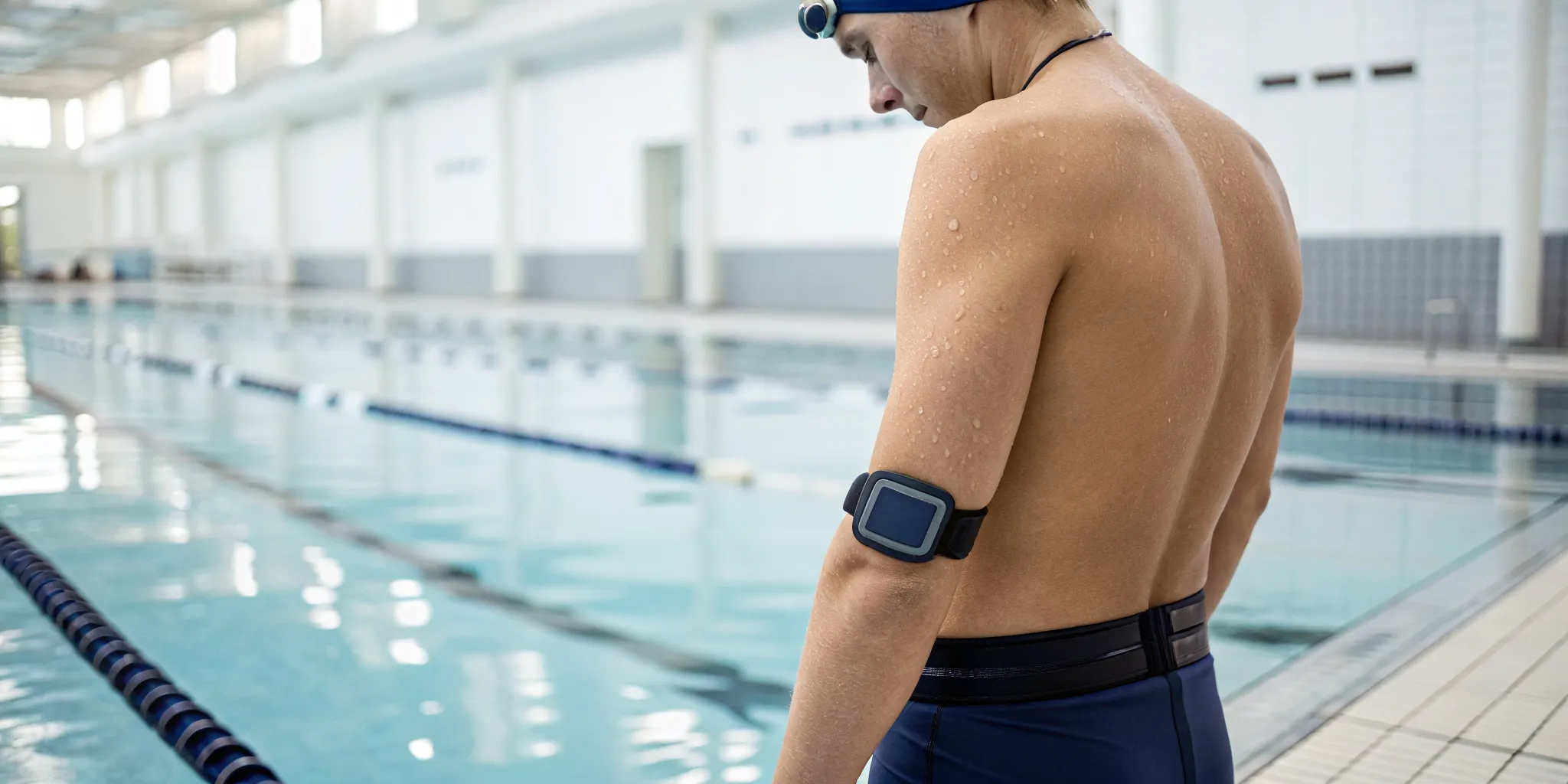
A true water emergency is often silent. It happens in seconds, without the splashing or calls for help we expect. Your lifeguards are experts, but even the best can't see everything at once in a crowded environment. This is where a drowning prevention wearable provides a crucial second set of eyes. A system built around a smart multi-sensor device to detect distress in swimmers sensors 2022 22 1059 uses advanced sensos to track each person individually, monitoring for critical signs like prolonged submersion. Let's break down how this technology works and why it’s becoming a new standard in aquatic safety.
Key Takeaways
- Support Your Lifeguards, Don't Replace Them: Wearable sensors act as a powerful tool for your team, providing constant monitoring of every swimmer's submersion time. This allows your lifeguards to focus on proactive scanning and guest interaction, knowing they have a reliable backup.
- Turn Seconds into Lifesavers: The technology's greatest advantage is speed. By sending immediate alerts with the precise location of a swimmer in distress, these systems eliminate dangerous search time and empower your staff to respond instantly and effectively.
- Choose Technology That Fits Your Facility: When selecting a system, prioritize accuracy, durability, and ease of use for both swimmers and staff. The right technology integrates seamlessly with your existing safety protocols and provides clear, actionable alerts that strengthen your overall safety plan.
Understanding the Risk: The Reality of Drowning
As someone responsible for an aquatic facility, you carry the significant weight of ensuring every guest has a safe and enjoyable experience. To truly build a comprehensive safety plan, it's essential to understand the specific nature of the risk you're working to prevent. Drowning is a unique emergency because it's often silent and incredibly fast, which presents distinct challenges for even the most vigilant lifeguard teams. By looking at the data and understanding the physical signs of distress, you can better appreciate how modern technology can fill critical gaps in traditional safety protocols, creating a more secure environment for everyone.
A Global Safety Concern
It’s easy to think of water safety as a local issue, but the statistics paint a much broader picture. Drowning is a major public health problem across the globe. According to the World Health Organization, it's one of the leading causes of unintentional injury death worldwide. While these numbers are staggering on a global scale, they represent individual incidents that are preventable. For aquatic directors and facility managers, this global context highlights the universal nature of the risk and reinforces the importance of implementing the most effective safety measures available. Your commitment to safety contributes to a larger, worldwide effort to reduce these tragic and preventable events, one swimmer at a time.
Recognizing the Signs of a Swimmer in Distress
One of the most dangerous misconceptions about drowning is that it looks like it does in the movies—with lots of splashing, yelling, and waving for help. In reality, the opposite is often true. A person in distress is typically unable to call out because their body's primary focus is on trying to breathe. This "Instinctive Drowning Response" is silent, and the individual may only be able to stay at the surface for 20 to 60 seconds before slipping under. For a lifeguard scanning a crowded or sun-glared pool, these subtle signs can be incredibly difficult to spot in that short, critical window. This is precisely why relying on human observation alone can leave a dangerous gap in your safety net.
This is where technology provides a crucial layer of support. Instead of relying on subjective visual cues, drowning detection systems monitor objective data, such as the amount of time a swimmer is submerged. For example, the WAVE system tracks each swimmer with a lightweight wearable and automatically alerts your staff if someone is underwater for too long. This approach transforms the process from a guessing game into a data-driven response. It doesn't replace your lifeguards; it equips them with a tool that allows them to react with speed and certainty, turning a moment of potential crisis into a controlled and immediate rescue.
What Are Drowning Prevention Wearables?
If you manage an aquatic facility, you know that even with the most attentive lifeguards, a silent and split-second emergency can happen. This is where technology can add a powerful layer of protection. Wearable sensors for swimmer safety are small, innovative devices designed to monitor swimmers and provide immediate alerts in case of distress. Think of them as a dedicated set of eyes for every single person in the water.
These devices, like WAVE’s own Swimmer Alert wearables, are typically worn as a comfortable headband or clipped onto goggles. Their job is simple but critical: to track how long a swimmer has been underwater. If someone remains submerged past a preset, safe amount of time, the system instantly notifies lifeguards. This technology doesn’t just react; it proactively watches for one of the key signs of a swimmer in trouble, giving your team the crucial seconds they need to respond effectively. It’s about creating a smarter, more secure swimming environment for everyone.
How Do They Detect Distress?
At its core, a wearable sensor system uses advanced technology to turn data into life-saving action. Each swimmer's wearable device communicates with a central hub. The device continuously tracks the swimmer's submersion time. If that time exceeds a safe, predetermined limit, it automatically triggers an alarm. This isn't just a simple timer; many systems employ sophisticated algorithms to ensure accuracy and reduce false alarms, distinguishing between playful underwater swimming and a potential emergency. The alert is sent directly to lifeguards through dedicated equipment, like pagers or a central monitor, pinpointing exactly who needs help and where. This seamless process transforms a quiet, invisible crisis into a clear, actionable alert.
Monitoring Key Metrics like Depth
Beyond just tracking time, the most advanced systems also monitor a swimmer's depth. This is a crucial piece of the puzzle, as being submerged at a significant depth for too long is a strong indicator of distress. Research confirms that modern sensors can accurately measure depth, giving the system another layer of critical data to analyze. By combining depth information with submersion time, the system’s algorithm can make a much smarter decision about whether a situation is a true emergency. This is exactly how a system like the WAVE GUARDian System works to reduce false alarms and ensure that when an alert is sent to your lifeguards, it’s reliable and actionable, thanks to powerful underwater communication technology.
Where Are These Devices Used?
You’ll find wearable safety sensors making a difference in a wide range of aquatic environments, from bustling community pools and swim clubs to large water parks. They are designed to function as a key part of a facility's overall safety plan. The goal isn't to replace lifeguards, but to support them with technology that can see what the human eye might miss in a crowded or active pool. By integrating these sensors, facilities create a comprehensive safety net that combines vigilant human supervision with constant, reliable technological monitoring. This partnership between people and technology provides a higher standard of care and gives staff, swimmers, and their families greater peace of mind.
Wearable Sensors vs. Camera-Based Systems
When you're looking to add a layer of technology to your safety plan, you'll find two main approaches: camera-based systems and wearable sensors. Cameras, whether placed above or below the water, are designed to watch the entire pool area. They use software to analyze video feeds and identify behavior that might signal a swimmer is in trouble. It’s an approach that tries to replicate what a lifeguard does, but with a computer's eye. On the other hand, wearable sensors take a completely different, more personal approach.
Instead of watching the pool, they monitor the swimmer. Each person wears a small device that tracks their individual status, specifically their submersion time. This creates a direct data link from the swimmer to your safety system. While both technologies share the goal of preventing drowning, their methods have significant implications for their effectiveness in a real-world aquatic environment. A system that provides direct, individual monitoring for every swimmer operates on a different principle than one that observes from a distance, and understanding that difference is key to choosing the right solution for your facility.
Challenges with Camera-Based Detection
While the idea of a camera system watching over your swimmers sounds great in theory, the practical application can be complicated. These systems rely on getting a clear, unobstructed view of every person in the water at all times, which is a tall order for any busy aquatic facility. Environmental factors and even the swimmers themselves can create significant challenges that may compromise the system's reliability. Before investing in this type of technology, it's important to understand its potential limitations and how they might impact your team's ability to respond to an emergency. The most common issues stem from two things that are unavoidable at most pools: poor visibility and crowds.
Issues with Water Clarity and Glare
One of the biggest hurdles for any camera-based system is the water itself. As one study on swimmer distress detection notes, camera systems can struggle with visibility when glare from the sun interferes with the image. On a bright day, the surface of your pool can act like a mirror, creating blind spots that hide what’s happening just below. Similarly, water clarity is rarely perfect. Throughout the day, sunscreen, lotions, and general use can make the water murky, obscuring a camera's view of the bottom. If the system can't see a swimmer clearly, it can't accurately monitor them, potentially leading to a missed detection when seconds are most critical.
Difficulties in Crowded Pools
Now, picture your facility on a hot Saturday in July. The water is packed with happy swimmers splashing, playing, and having fun. For a camera system, this scene is a data nightmare. According to researchers, in busy aquatic environments, camera systems may become overwhelmed by the number of swimmers, making it difficult to accurately track individual movements. When swimmers are clustered together, one person can easily block the camera's view of another. This visual chaos makes it incredibly challenging for software to distinguish playful roughhousing from a genuine emergency or to even keep a consistent track on a single person. In contrast, a wearable sensor tracks its wearer individually, no matter how crowded the water gets.
What Are the Different Types of Swimmer Sensors?
When you hear "swimmer sensor," you might picture a single type of device, but the technology is actually quite diverse. Different systems are designed to solve different challenges, from monitoring individual swimmers to covering an entire aquatic facility. Understanding the main categories can help you figure out what kind of safety net is the best fit for your environment and your patrons. Let's look at the three common types of swimmer sensors and how they contribute to a safer swimming experience.
Personal Devices for Every Swimmer
These are devices that swimmers wear directly, like a headband or a clip attached to their goggles. Think of them as a personal lookout for each person in the water. These sensors track an individual's movement and, most importantly, how long they've been underwater. If a swimmer is submerged for a dangerous amount of time, the device sends an immediate alert to lifeguards. This one-to-one monitoring is incredibly effective for providing an extra layer of protection. WAVE’s own Swimmer Alert wearables are a great example of this technology in action, giving lifeguards specific, actionable information when seconds count.
Facility-Wide Drowning Detection Systems
Instead of focusing on individual swimmers, these systems monitor the entire swimming area. They create a comprehensive safety network that can identify a swimmer in distress anywhere within the pool or a designated zone. This approach is ideal for larger facilities where it’s challenging to have eyes everywhere at once. These facility-wide detection systems act as a powerful partner for your lifeguard team, extending their reach and ensuring no area is left unmonitored. They work by creating a digital grid over the water, constantly scanning for patterns that indicate a potential emergency.
Smart Equipment for Safer Swimming
This category refers to the intelligent technology that powers modern safety systems. It’s not just about the hardware; it’s about the brain behind the operation. This equipment uses sophisticated software to analyze data from sensors and make sense of it. For example, some systems use deep learning to track a swimmer's body movements with high accuracy. The system learns to distinguish between normal swimming, unusual behavior, and a genuine emergency. This intelligence helps reduce false alarms and allows staff to respond to risky situations before they become critical incidents, making the entire safety protocol more proactive.
Faster Emergency Response with Wearable Sensors
When every second counts, having the right tools can make all the difference. Wearable sensors are a powerful addition to any aquatic safety plan because they directly address the most critical factor in an emergency: time. By providing immediate, accurate information, these devices help your team respond with speed and precision. They act as an extra set of eyes, constantly monitoring every swimmer and giving your lifeguards the support they need to act confidently. This technology doesn't just add a layer of safety; it fundamentally changes how quickly and effectively your staff can handle a potential crisis, turning a reactive situation into a proactive one. Let’s look at exactly how these sensors improve your facility's emergency response capabilities.
Get Instant Alerts with Real-Time Monitoring
The greatest strength of wearable sensor technology is its ability to watch swimmers in real time and flag problems the moment they happen. Unlike human observation, which can be limited by blind spots or distractions, a sensor system monitors swimmers continuously. If a swimmer remains submerged for too long or shows signs of distress, the system doesn't wait. It sends an immediate notification to your staff. This instant alert is the first and most critical step in a fast response, ensuring that no swimmer's struggle goes unnoticed. This constant vigilance allows your team to intervene before a situation becomes critical, providing a crucial head start when it matters most.
Transmitting Alerts in Seconds
Once a wearable sensor detects a potential issue, the system works in a fraction of a second to get that information to your team. The swimmer's wearable device sends a wireless signal to a central hub, which then instantly pushes the alert out to your lifeguards through dedicated equipment. This could be through specialized pagers or other devices designed to grab attention immediately, like WAVE’s own Lifeguard Alert equipment. The alert doesn't just signal a problem; it identifies the specific swimmer in distress, eliminating the dangerous guesswork and search time that can cost precious seconds. This seamless transmission transforms a silent, underwater struggle into a clear, actionable alarm for your staff, empowering them to respond with confidence and speed.
Pinpoint a Swimmer's Location Instantly
In a crowded pool or a large body of water, finding a swimmer in distress can be a challenge. Wearable sensors solve this problem with precise location tracking. When a swimmer needs help, the system doesn't just send a general alarm; it shows your lifeguards exactly where the individual is in the water. This feature is invaluable, as it eliminates the need for a search and allows rescuers to go directly to the person in need. The Swimmer Alert wearables provide this pinpoint accuracy, saving precious seconds that would otherwise be spent scanning the surface. This precision is a game-changer for effective and rapid rescue operations.
Clear Alerts for Immediate Action
When an alert is triggered, it needs to be impossible to miss. Modern safety systems use a multi-faceted approach to get your team's attention. The WAVE GUARDian system, for example, sends both sound and visual alerts to staff. This means your lifeguards will hear a distinct alarm and see a visual cue on their equipment, directing them to the emergency. This combination of alerts cuts through the noise and activity of a busy aquatic facility, ensuring the message is received loud and clear. This clear communication is essential for mobilizing a quick and coordinated response from your entire safety team.
Supporting Lifeguards, Not Replacing Them
It’s important to remember that wearable sensors are tools designed to support lifeguards, not replace them. Your lifeguards are and always will be the most important part of your safety plan. This technology acts as a partner, giving them an extra layer of information and awareness. By handling the constant monitoring of every swimmer, the system frees up your lifeguards to focus on proactive scanning and guest interaction. When an alert does occur, the system gives them the real-time data they need to respond faster and with more confidence. This collaborative approach makes your highly-trained staff even more effective at their jobs.
Choosing the Right Drowning Prevention Wearable
Choosing the right swimmer safety wearables for your facility is a big decision. With different technologies and features on the market, it’s important to know what separates a good system from a great one. The best technology should feel like a natural extension of your safety team, providing reliable support without adding complexity. When you're evaluating your options, focus on the key areas that will directly impact your swimmers' safety and your staff's effectiveness. Think about how the device will hold up day-to-day, how accurately it detects distress, and how easily it will fit into your current operations.
Check for Durability and Water Resistance
Any equipment used in an aquatic environment needs to be tough, and safety wearables are no exception. These devices will be in constant contact with water and pool chemicals, not to mention the bumps and drops that come with daily use at a busy facility. Look for wearables that are fully waterproof and constructed from robust materials designed to withstand the rigors of a commercial pool setting. Investing in durable, high-quality swimmer alert wearables from the start means you’ll spend less time and money on replacements and more time confident that your safety system is fully operational.
Prioritize Accurate Distress Detection
The core function of a safety wearable is to identify a swimmer in distress, and its accuracy is non-negotiable. The most effective systems use a multi-sensor approach to monitor a swimmer's condition. Instead of just tracking movement, they measure critical biometric data like heart rate, blood oxygen levels, and time spent submerged. This allows the system to distinguish between active swimming and the signs of a potential drowning event. A system that understands how to detect distress accurately reduces false alarms that can disrupt operations and lead to alert fatigue, ensuring your lifeguards can respond swiftly to genuine emergencies.
Consider Battery Life and Overall Reliability
A safety device is only useful if it’s powered on and working. When evaluating wearables, pay close attention to battery life. The devices should be able to last through long operational hours without needing constant recharging. Consider the charging process itself: is it simple and fast? Can your staff easily manage a rotation of devices to ensure a fully charged one is always available for a swimmer? Reliable battery performance is a practical feature that is fundamental to the integrity of your entire safety system, ensuring there are no gaps in protection during your facility's busiest times.
Look for a System That's Easy to Use
Technology should make your team’s job easier, not more complicated. For swimmers, the wearable should be lightweight, comfortable, and simple to put on, so they are happy to wear it without fuss. For your staff, the system should be intuitive from the start. The process of distributing devices, monitoring the main dashboard, and responding to alerts must be straightforward. A user-friendly system ensures higher adoption rates from both patrons and staff. When a system is easy to get started with, it integrates smoothly into your workflow and becomes a valued tool for your lifeguard team.
Ensure It Integrates with Your Safety Plan
A wearable sensor system is a powerful tool, but it’s just one part of your overall safety plan. The technology you choose must integrate seamlessly with your existing emergency action protocols. When a device flags a potential incident, how does it alert your team? The best systems provide clear, immediate, and actionable alerts that direct lifeguards to the precise location of the swimmer. Look for systems with distinct audible and visual lifeguard alert equipment that can’t be missed. This ensures the technology supports your lifeguards' training and enhances their ability to respond effectively, creating a stronger, more cohesive safety net.
Key Questions to Ask Before You Buy
Making a significant investment in safety technology goes beyond the initial price tag. To make a smart decision for your facility, you need to understand the total cost of ownership and the support you'll receive. Asking the right questions upfront will ensure you choose a system that not only fits your budget but also provides reliable protection for years to come. It’s about finding a true safety partner, not just a piece of equipment.
Understanding the Total Cost of Ownership
When you're evaluating different systems, it's easy to focus on the initial purchase price. However, it's crucial to consider the total cost of ownership to get a complete financial picture. This includes ongoing maintenance, potential replacement costs for wearables, and any software or service fees. Investing in durable, high-quality swimmer alert wearables from the start means you’ll spend less time and money on replacements and more time confident that your safety system is fully operational. Ask potential providers for a clear breakdown of all expected pricing over the system's lifespan so you can budget accurately and avoid surprises down the road.
Checking Warranties and Ongoing Support
A safety system is a long-term commitment, and you need a partner who will be there to support you. Before you buy, ask detailed questions about the warranty for all hardware components. What does it cover and for how long? Beyond the warranty, find out what kind of ongoing support is offered. A safety device is only useful if it’s powered on and working. When evaluating wearables, pay close attention to battery life, as reliable battery performance is a practical feature that is fundamental to the integrity of your entire safety system. Having access to a responsive support team ensures that any issues can be resolved quickly, keeping your system online and your swimmers protected.
Addressing Common Challenges with Swimmer Sensors
Adopting new technology comes with questions. While the benefits of swimmer safety wearables are clear, it's smart to think through potential hurdles to ensure a smooth rollout. Let's walk through the common challenges and how to approach them.
Managing Cost and Scalability
Budget is always a top consideration. When evaluating a system, look beyond the initial price tag to the total cost, including installation, training, and any ongoing fees. A transparent pricing structure helps you plan accurately. Also, consider scalability. A flexible solution that can expand with your needs offers better long-term value, allowing you to start with what you need now and add more coverage later.
Testing Performance in Different Water Conditions
Your safety system needs to work flawlessly in every environment. A major advantage of wearable technology is its reliability in various water conditions. Unlike camera-based systems hampered by sun glare or murky water, wearables provide direct-to-swimmer monitoring. Because each person wears a device that tracks submersion time, the GUARDian system works effectively in all kinds of water. This ensures a consistent layer of protection that isn’t compromised by environmental factors.
How to Get Everyone on Board
The best technology is only effective if people use it correctly. For wearables, this means getting swimmers to wear the devices consistently. The key is to make compliance simple. The Swimmer Alert wearables should be lightweight and comfortable. Integrating distribution into your standard check-in process is a great strategy. By making it a non-negotiable part of entry, you can protect every swimmer without adding friction for your guests or staff.
Training Your Staff on the New Tech
Your lifeguards are the backbone of your safety protocol, and any new tool should make their job easier. When introducing a system like WAVE, plan for training. The best systems are intuitive and integrate smoothly with existing safety procedures. The goal is for the technology to feel like a natural extension of their skills, providing clear alerts for a faster response. A system backed by solid training and support ensures your team feels confident from day one.
How Do Wearable Sensors Actually Prevent Drowning?
Wearable sensors are changing the game for water safety by offering a proactive way to protect swimmers. Instead of only reacting to a visible crisis, this technology helps identify the subtle signs of distress that can be missed by the human eye. By monitoring swimmers individually, these systems provide crucial information that allows your team to intervene faster and more effectively, turning a potential tragedy into a successful rescue. It’s about adding a layer of certainty to your safety protocols.
Detecting Swimmer Distress Before It's Too Late
One of the biggest advantages of wearable sensors is their ability to spot trouble before it's obvious. These devices monitor key indicators like a swimmer's movement and time spent underwater. If a sensor detects patterns that fall outside of safe, normal swimming activity for too long, it recognizes that the swimmer might be in danger. This capability for early detection is what allows for such quick intervention. It gives your lifeguards a heads-up the moment a swimmer’s status changes, allowing them to respond when every second is critical. This is a significant step beyond relying on visual monitoring alone.
Preventing Silent, Undetected Submersion
Drowning is often silent, and a swimmer can slip underwater without a splash or a call for help. Wearable sensors directly address this risk by tracking exactly how long each person has been submerged. Devices like Swimmer Alert wearables are designed to send an immediate alert to lifeguards if a swimmer stays underwater beyond a pre-set safety limit. This feature is essential for preventing incidents where a swimmer is unable to surface. Instead of a lifeguard needing to spot the submerged person, the system automatically flags the event and its location, ensuring help is dispatched right away.
Adding a Critical Layer of Protection
Think of a drowning detection system as an extra set of eyes for your team, one that never gets tired, distracted, or has its view blocked. This technology provides lifeguards with a powerful support tool that enhances their skills and focus. Using smart algorithms, the GUARDian drowning detection system can tell the difference between playful underwater swimming and a genuine emergency, minimizing false alarms. By providing real-time warnings, the system helps your staff provide faster, more targeted assistance. It’s not about replacing lifeguards; it’s about equipping them with the best technology to make your entire facility safer for everyone.
Debunking Myths About Swimmer Safety Sensors
New technology always brings up questions, and swimmer safety sensors are no exception. It's easy for misconceptions to spread, especially when it comes to something as important as water safety. Let's clear the air and look at some of the most common myths about these systems. Understanding the facts can help you see how this technology fits into a modern, effective safety plan for your aquatic facility.
Do They Replace Lifeguards?
This is probably the biggest myth out there, so let's address it head-on: no, these systems do not replace lifeguards. Think of them as a powerful partner for your team on the deck. A drowning detection system provides constant, vigilant monitoring for every swimmer, something that's humanly impossible. When a potential issue is detected, the system sends an immediate notification through dedicated Lifeguard Alert equipment. This allows your staff to respond with more speed and precision. The technology supports your lifeguards, giving them an extra layer of security and helping them perform their jobs with greater confidence. It's about enhancing human supervision, not eliminating it.
Are They Only for Children?
While protecting children is a top priority, drowning risk doesn't disappear with age. Adults, including proficient swimmers, can face sudden medical events or exhaustion in the water. A comprehensive safety strategy protects everyone who enters your facility. Drowning detection systems provide this universal coverage by monitoring every person wearing a sensor, regardless of their age or swimming ability. Using Swimmer Alert wearables for all patrons ensures you have a safety net in place for your entire community. The safest aquatic environments layer technology with professional supervision to protect every single swimmer.
Are They Too Complicated to Use?
The thought of adding new technology can feel overwhelming, but modern safety systems are designed to be intuitive. The goal is to make your team's job easier, not more complex. A well-designed system integrates smoothly into your existing safety protocols and requires minimal training. For example, the WAVE system is built for straightforward operation, from distributing wearables to monitoring alerts. The process for getting started is designed to be simple, ensuring your staff can quickly become comfortable with the technology. The right system should feel like a natural extension of your safety plan, not a complicated burden.
Myth: A Flotation Device Is All You Need
While flotation devices are an important part of any water safety plan, relying on them exclusively can create a dangerous false sense of security. They provide buoyancy, but they can't alert anyone if a swimmer slips underwater and is unable to surface. Drowning is often a silent event, and a flotation device offers no protection against a submerged swimmer going unnoticed. This is the critical gap that wearable technology fills. Systems that use Swimmer Alert wearables actively monitor every person in the water, tracking submersion time and sending an immediate alert to lifeguards if a swimmer is in distress. It’s about adding a crucial, active layer of protection that works alongside other safety measures.
The Future of Swimmer Safety Technology
Wearable sensor technology is evolving quickly, moving beyond simple motion detection to create a more intelligent and comprehensive safety net for swimmers. These advancements are making drowning detection systems more accurate, reliable, and user-friendly for both swimmers and aquatic facility staff. The latest innovations focus on integrating smarter software, more detailed biometric data, and better power solutions to provide an even stronger layer of protection. For facilities looking to adopt this technology, understanding these new features is key to choosing a system that offers the best support for your lifeguards and guests.
Smarter Detection with AI and Machine Learning
The biggest leap forward in wearable sensors is the integration of artificial intelligence (AI). Instead of just tracking basic movements, new systems use advanced algorithms to analyze swimmer movements with incredible detail. These smart systems learn what normal swimming looks like versus unusual or distressed actions. By using deep learning techniques, the technology can distinguish between a swimmer who is playing and one who is in real trouble. This intelligence drastically reduces false alarms and allows lifeguards to focus on genuine emergencies. It’s like having a data scientist dedicated to monitoring every swimmer, providing an extra set of highly analytical eyes on the water.
Why a Smart Multi-Sensor Device is More Accurate
Modern wearables are becoming more like personal health monitors for the water. The latest devices incorporate multiple sensors that go beyond just tracking movement. A smart, waterproof device now monitors critical parameters like heart rate, blood oxygen levels (SpO2), and water depth in real time. By combining this biometric data with motion analysis, the system gets a much clearer picture of a swimmer's condition. For example, a sudden drop in heart rate combined with a lack of movement is a strong indicator of a serious problem. This multi-sensor approach provides more context, leading to faster and more accurate distress detection.
Achieving High Accuracy with Key Vitals
The real power of a multi-sensor approach is its ability to track key vitals, giving the system a much deeper understanding of a swimmer's well-being. Instead of just relying on submersion time, advanced wearables monitor biometric data like heart rate and blood oxygen levels. This information provides critical context. For instance, a swimmer holding their breath for fun will have a different physiological response than someone experiencing a medical emergency underwater. By analyzing these vitals, a smart system can more accurately distinguish between harmless activity and a genuine crisis. This level of detail helps reduce false alarms, ensuring that when the GUARDian system triggers an alert, it’s for a situation that requires your team's immediate attention.
The Rise of Battery-Free and Non-Intrusive Designs
One of the most practical challenges for any facility is managing a fleet of electronic devices. The good news is that innovators are developing wearables that are more convenient than ever. Some new designs use self-powered technology, which means they don't need batteries at all. This makes the devices lighter, more comfortable for swimmers to wear, and eliminates the daily hassle of charging hundreds of units. For facility managers, this means less maintenance and a more reliable system. When swimmers forget they’re even wearing a device, compliance increases, ensuring everyone is protected without disrupting their fun.
Smart Connectivity for On-the-Go Monitoring
A sensor is only useful if its alert reaches the right person instantly. Today’s systems are built with smart connectivity to ensure that happens. When a wearable like WAVE’s Swimmer Alert detects a potential incident, it doesn’t just sound a local alarm. The system can send emergency notifications directly to a lifeguard’s phone, smartwatch, or a central hub like the GUARDian System. This creates a fully connected safety network where alerts are delivered instantly with precise location information. This immediate and clear communication is vital for a fast response, helping your team react effectively in those critical first moments.
Using LoRa and Wi-Fi for Reliable Signals
Getting a signal from an underwater device to a lifeguard on the deck is a major technical hurdle. Water is notoriously difficult for radio waves to penetrate, but modern systems solve this with a smart, two-part approach. First, the wearable device uses a special long-range technology called LoRa to reliably send signals from the swimmer to a central hub, even when submerged. Once the hub receives this critical information, it uses your facility's standard Wi-Fi network to instantly push an alert to your lifeguards' devices. This combination creates a dependable communication chain, ensuring that emergency notifications are delivered without delay from the swimmer in distress directly to the staff who can help.
Beyond Wearables: A Complete Smart Safety Ecosystem
While wearable sensors are a game-changer for individual swimmer safety, they are part of a much bigger picture. The most forward-thinking aquatic facilities are building complete smart safety ecosystems. This means integrating a range of technologies that work together to monitor not just the people, but the entire environment. From the water quality to the physical structure of the pool itself, smart technology is creating a multi-layered safety net. This holistic approach ensures that every aspect of your facility is optimized for safety, giving your staff the tools they need to be proactive rather than just reactive.
Smart Flotation and Rescue Gear
The evolution of safety technology isn't just about detection; it's also about making rescue gear itself more intelligent. Modern wearables are becoming more like personal health monitors for the water. Instead of only tracking submersion time, the latest devices monitor critical parameters like heart rate and blood oxygen levels in real time. This multi-sensor approach provides a richer, more accurate picture of a swimmer's condition. For example, a sudden drop in heart rate combined with a lack of movement is a powerful indicator of a serious medical event, allowing for a more informed and urgent response from your team.
Automated Water Quality Monitoring
A safe swimming experience depends on more than just watching the swimmers; it also depends on the water itself. Automated water quality monitoring systems are becoming an essential tool for modern facilities. These systems use sensors to continuously track key metrics like pH, chlorine levels, and temperature, sending real-time data directly to your staff. This technology connects to the internet (IoT), allowing facility managers to check conditions from anywhere and receive instant alerts if levels fall outside of a safe range. This proactive approach helps prevent health issues related to poor water quality and ensures a consistently safe and pleasant environment for your guests.
Smart Leak Detection
Beyond swimmer safety and water quality, the physical integrity of your facility is another critical component of your overall safety plan. Smart leak detection systems use sensors to monitor water levels and flow rates, providing early warnings of potential leaks in the pool or its plumbing. Catching a leak early can prevent significant water loss, reduce operational costs, and avert major structural damage that could pose a safety hazard. By integrating these sensors, facilities create a comprehensive safety net that combines vigilant human supervision with constant, reliable technological monitoring of the entire aquatic environment, from the swimmers to the structure itself.
Is Your Aquatic Facility Ready for Wearable Sensor Technology?
Adopting new safety measures is a big decision, and it’s natural to wonder if your facility is prepared for the next step in aquatic safety. Wearable sensor technology is designed to integrate smoothly into different environments, from community pools to sprawling water parks. The key is understanding how this technology complements your existing safety protocols and empowers your team. It’s not about overhauling your entire operation overnight. Instead, it’s about adding a smart, reliable tool that works alongside your staff to create a safer experience for everyone.
Thinking about readiness is really about evaluating your specific needs. Do you have large crowds that make it hard for lifeguards to see every swimmer at once? Are there areas with blind spots or murky water? These are the kinds of challenges where technology can make a significant difference. By identifying your facility's unique vulnerabilities, you can see exactly how wearables can add a crucial layer of protection for every swimmer in your care. It’s a proactive step toward building a more comprehensive safety net.
For Community Pools and Aquatic Centers
For most pools and aquatic centers, the goal is to enhance the great work your lifeguards are already doing. Modern safety systems are tools that support lifeguards, giving them real-time alerts and constant monitoring to help them respond faster and with more confidence. They are not meant to take the place of human supervision. The safest facilities are those that combine vigilant lifeguards with technology. This often means using personal wearables, like headbands or clips, that track how long a swimmer has been underwater. If a swimmer stays submerged too long, the system sends an immediate alert to your staff, allowing them to intervene quickly and effectively.
For Water Parks and Open Water Venues
Water parks and open water areas present unique challenges with moving water, larger crowds, and less predictable conditions. This is where advanced sensor technology truly shines. Smart, waterproof devices with multiple sensors are designed to help prevent drowning by constantly checking for signs of trouble. These systems can distinguish between various swimming actions and dangerous situations, allowing for real-time warnings and faster help. If a swimmer's movements or time underwater go past a safe limit, the device recognizes the potential danger and triggers an alert. This adds a critical layer of security in complex environments where a swimmer can become distressed in seconds.
The WAVE GUARDian System: Next-Generation Swimmer Alert Wearables
When you bring together the best features of modern safety technology, you get a system like the WAVE GUARDian. It’s designed from the ground up to provide a complete safety net for swimmers and an invaluable tool for lifeguards. This system moves beyond basic alarms to create a smart, responsive environment where everyone in the water is accounted for, giving your staff the support they need to act decisively. It’s about adding a powerful layer of protection that works with your team, not against them.
Here’s how it works: each person wears one of the lightweight Swimmer Alert wearables. These trackers monitor how long someone is underwater in real time. If a swimmer stays submerged past a critical time limit, the system instantly sends an alert. It’s not just a simple alarm, either. The alert is sent directly to the Lifeguard Alert equipment, which uses both loud sounds and flashing lights to point staff to the exact location of the swimmer in distress. This precision removes guesswork and helps your team get to the right person immediately.
One of the biggest challenges for lifeguards is maintaining visibility in crowded or murky water. The GUARDian system works effectively in these tough conditions, ensuring no swimmer goes unnoticed. It’s built to act as an extra set of eyes, adding a critical layer of protection that supports your existing safety plans. Because it integrates smoothly with your team's current procedures, it enhances their abilities without causing disruption, allowing them to respond faster and with more confidence when every second counts.
Related Articles
- How to Buy Swimmer Safety Wearables: A 2026 Guide
- Anti-Drowning Wearable: A 2026 Buyer's Guide
- How to Buy a Swimmer Safety Alert System in 2026
- How to Buy Swimmer Safety Sensors for Community Pools
Frequently Asked Questions
Do these wearable sensors replace my lifeguards? Not at all. Think of this technology as a powerful partner for your highly-trained staff. The system handles the constant, individual monitoring of every swimmer, which frees up your lifeguards to focus on proactive scanning and managing the environment. When an alert does occur, the system gives your team the precise information they need to respond faster and more effectively. It enhances their skills, it doesn't replace them.
How do the wearables work in a busy, crowded pool with lots of splashing? This is exactly the kind of environment where the system excels. Each wearable tracks its own submersion time independently, so crowding and surface activity don't interfere with its accuracy. The system uses smart algorithms to distinguish between playful underwater swimming and a potential emergency, which helps minimize false alarms. It's designed to cut through the noise of a busy day and alert you only when a situation requires attention.
What's the best way to get all our swimmers to wear the devices? The key is to make it a simple, standard part of your check-in process. When you treat the wearable as a required part of entry, just like a wristband, it becomes a non-negotiable step for safety. The devices are designed to be lightweight and comfortable, so most swimmers forget they are even wearing them. A smooth process at the start ensures everyone is protected without adding friction for your guests or staff.
Will this system work in water that isn't perfectly clear, like a lake or a pool with sun glare? Yes, and this is one of the biggest advantages of wearable technology. Unlike camera-based systems that can be hampered by murky water, sun glare, or blind spots, our system monitors the swimmer directly. Because the device is on the person, it provides a consistent and reliable layer of protection regardless of the water's clarity or the lighting conditions.
How difficult is it to train my staff on this new technology? The system was designed with your staff in mind, so it's very intuitive. The alerts are clear, using both sound and visual cues to direct lifeguards to the exact location of a swimmer in need. We provide straightforward training and support to ensure your team feels confident from day one. The goal is for the technology to integrate smoothly into your existing safety protocols and feel like a natural extension of your team's skills.
